
Apprentices in animal care and horticulture are finding careers in conservation through Saint Paul’s flagship youth career development program
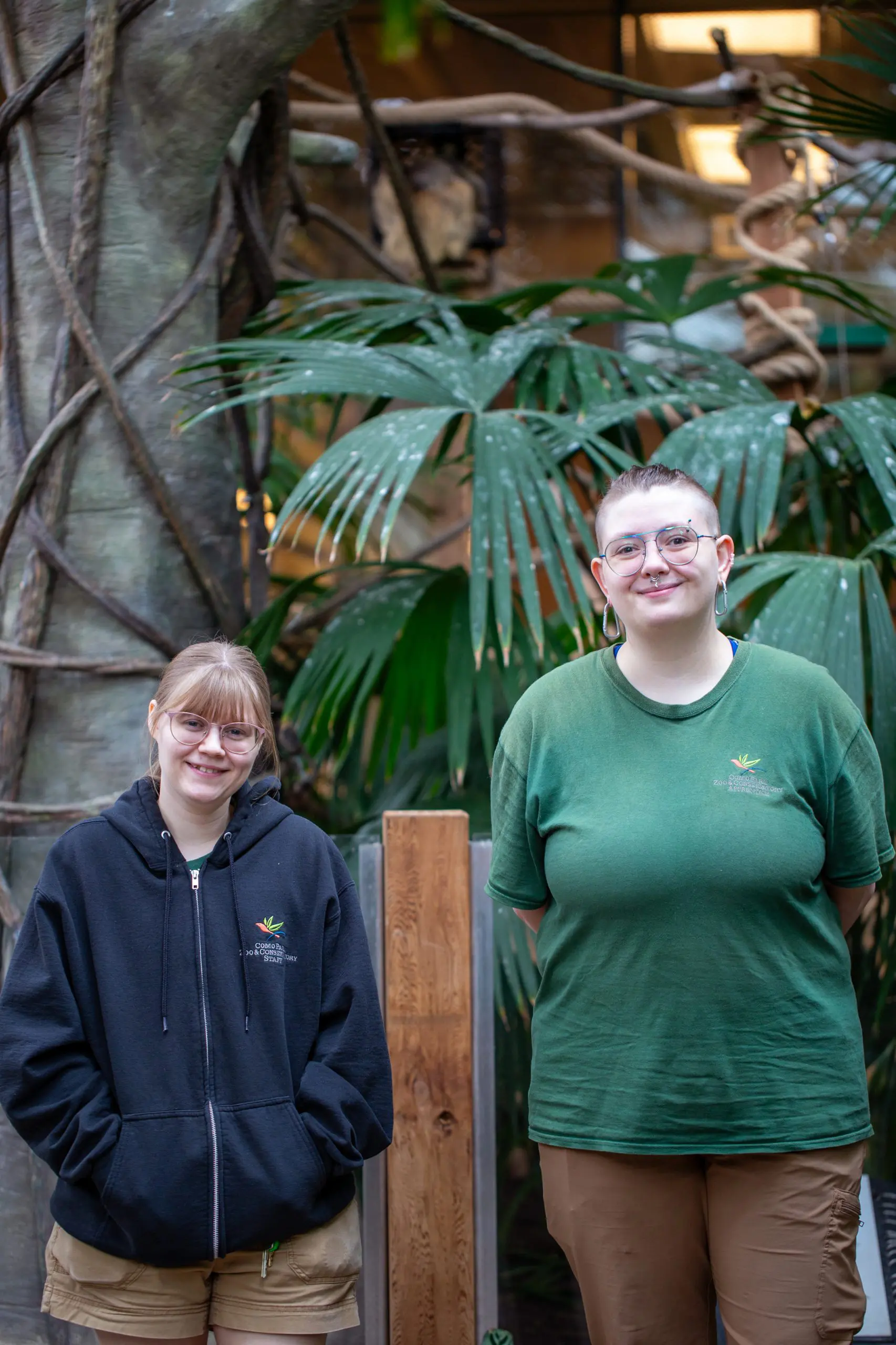
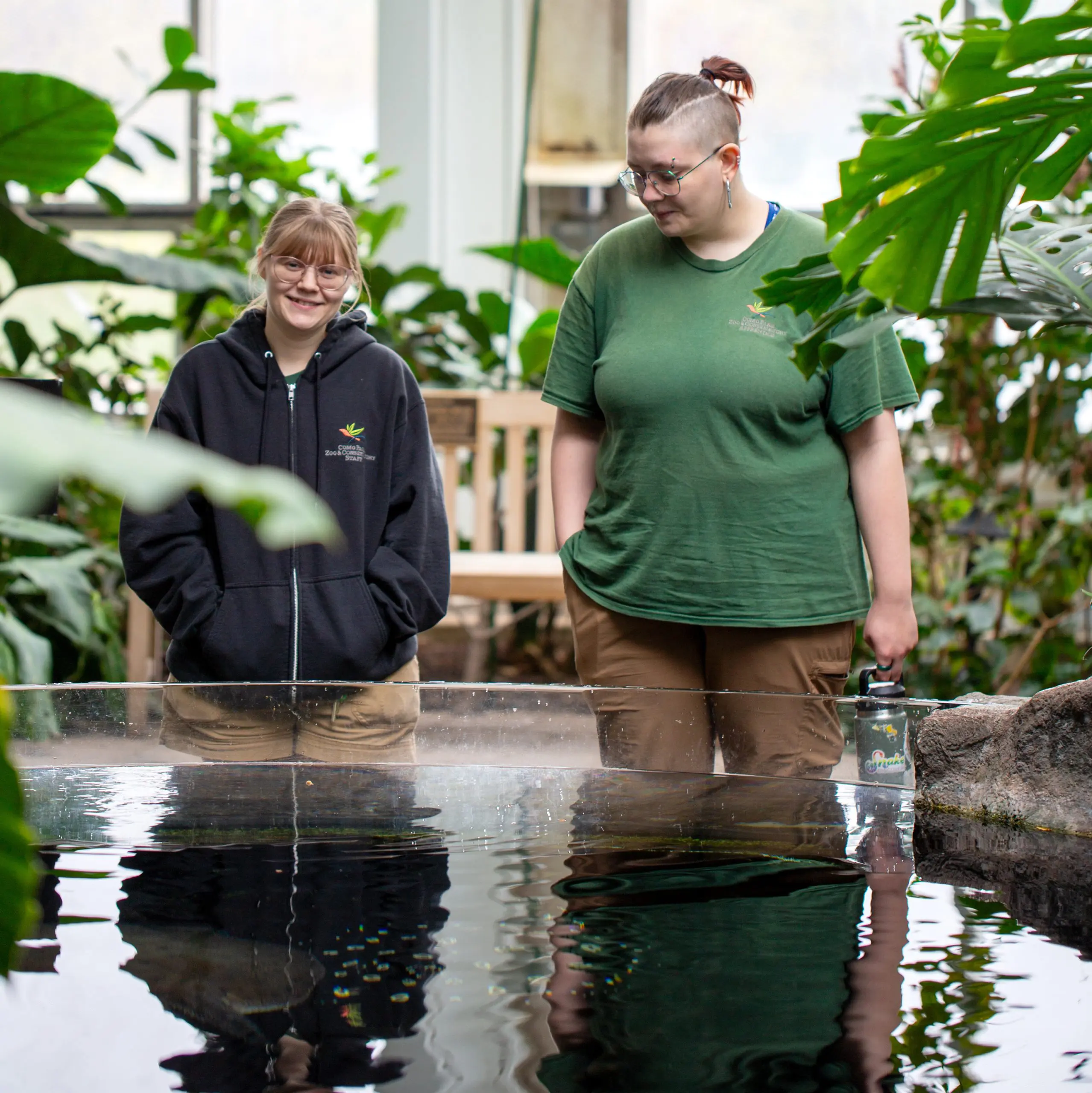
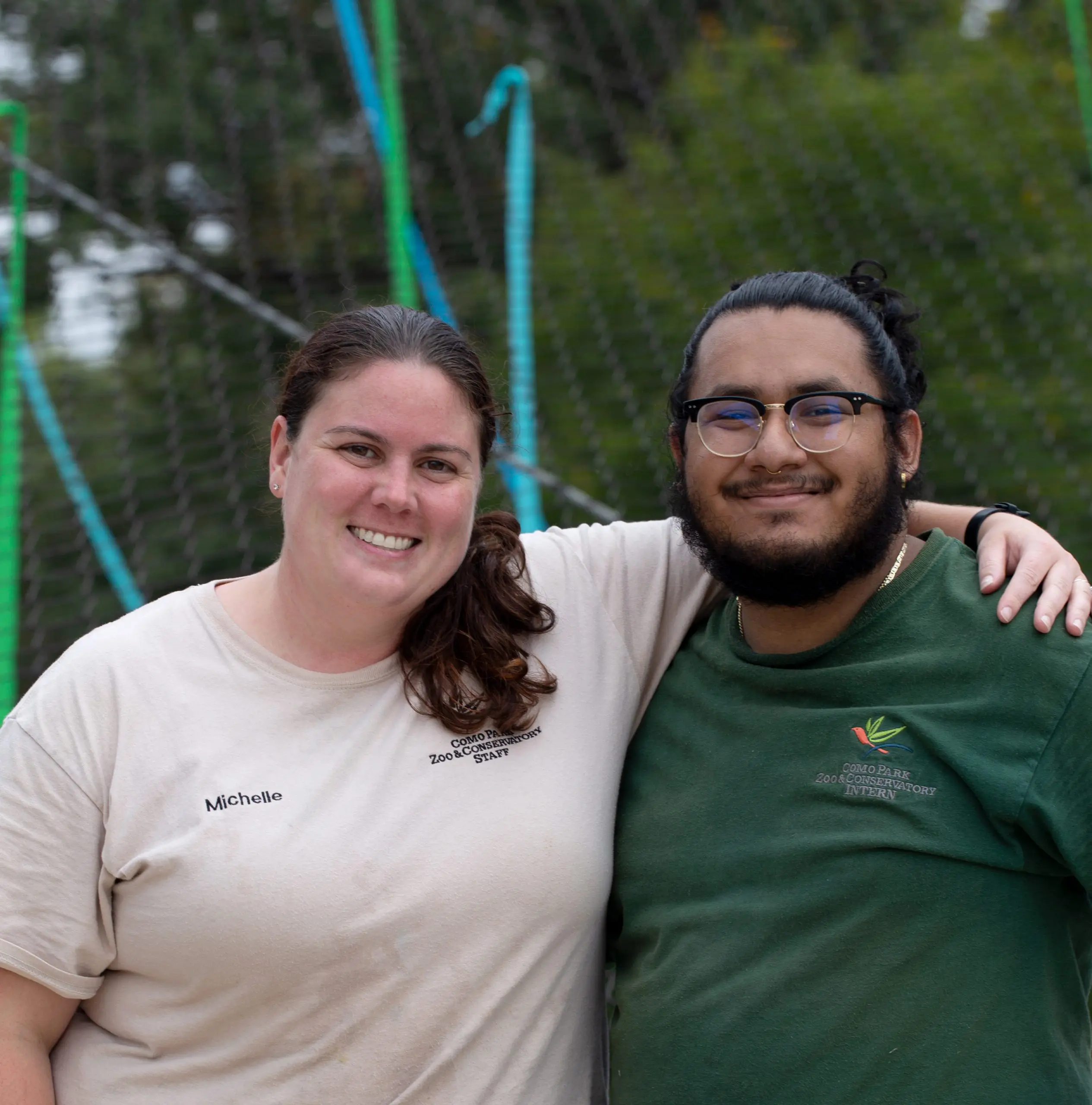
Dj Jones always wanted to be a zookeeper, and got an early start down that career path through Como’s teen volunteer Nature Walk program. While still in middle school, Jones gained valuable experience interpreting plants and animals for thousands of summer visitors, yet as they learned more about the traditional career trajectory toward becoming a zookeeper, they saw some serious roadblocks ahead.
“Becoming a zookeeper is not easy,” says Jones, who started college at Miami University in Ohio before moving to the University of Minnesota. Not only are there a limited number of positions in the field and an endlessly renewing population of young animal lovers, zookeeping has become increasingly professionalized and competitive in recent years, requiring college degrees in zoology, biology, animal science, and other related fields. To stand out against the competition, prospective keepers are expected to have a series of internships and volunteer work on their resumes, accumulating as many as two or three years of hands-on animal care experience even before they get hired. For young people who need paying jobs to cover college and household costs, the path ahead can feel impossible.
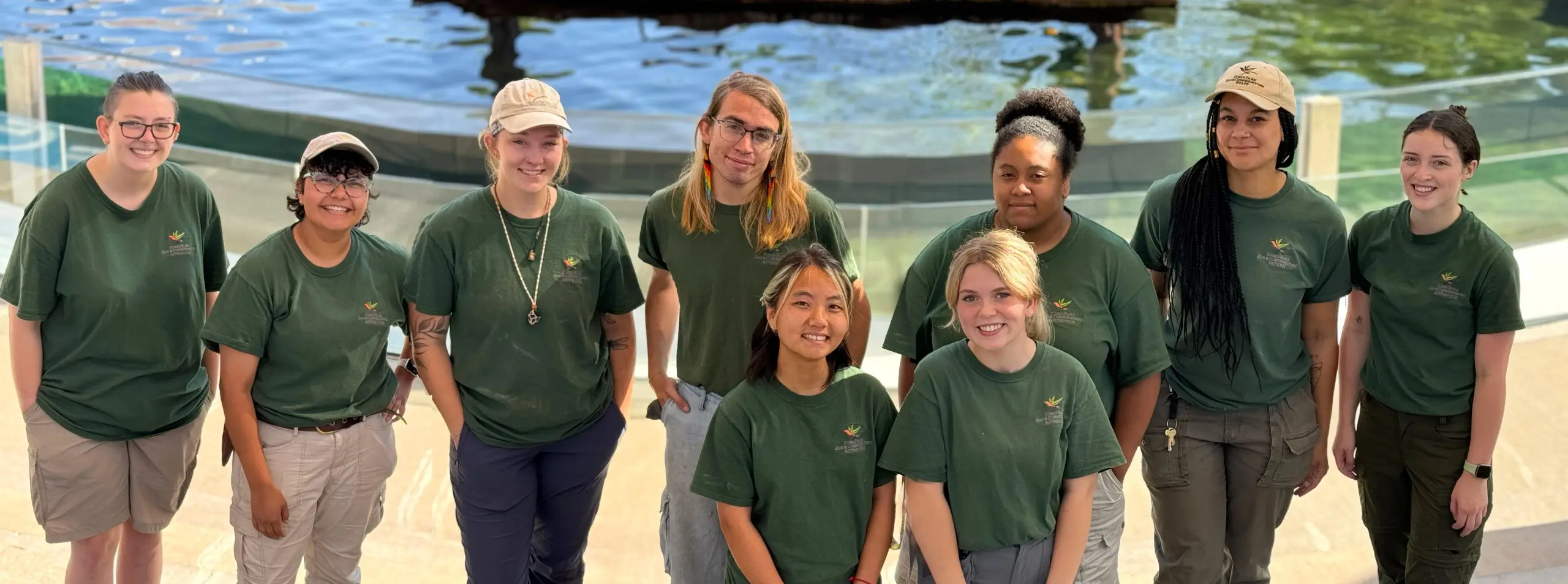
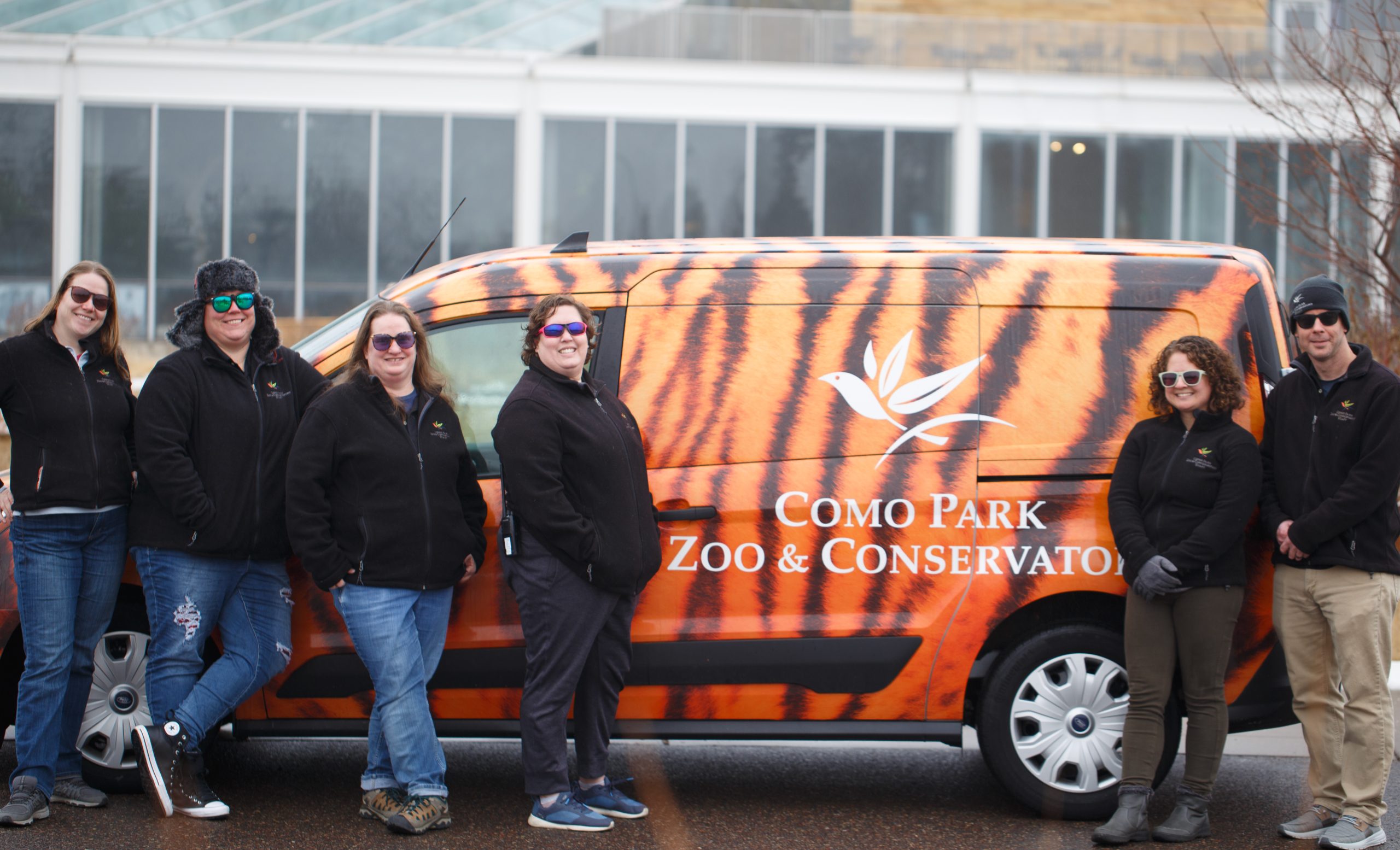
But thanks to the City of Saint Paul’s Right Track program, Jones has spent the last two years as a fully paid apprentice at Como Zoo, learning the ropes through a series of rotating assignments with professional mentors, while earning full-time pay in the process. “I have always understood that getting into this work would be a labor of love, with long hours on your feet and not great pay,” they say. “But this program has definitely made it more possible for me.”
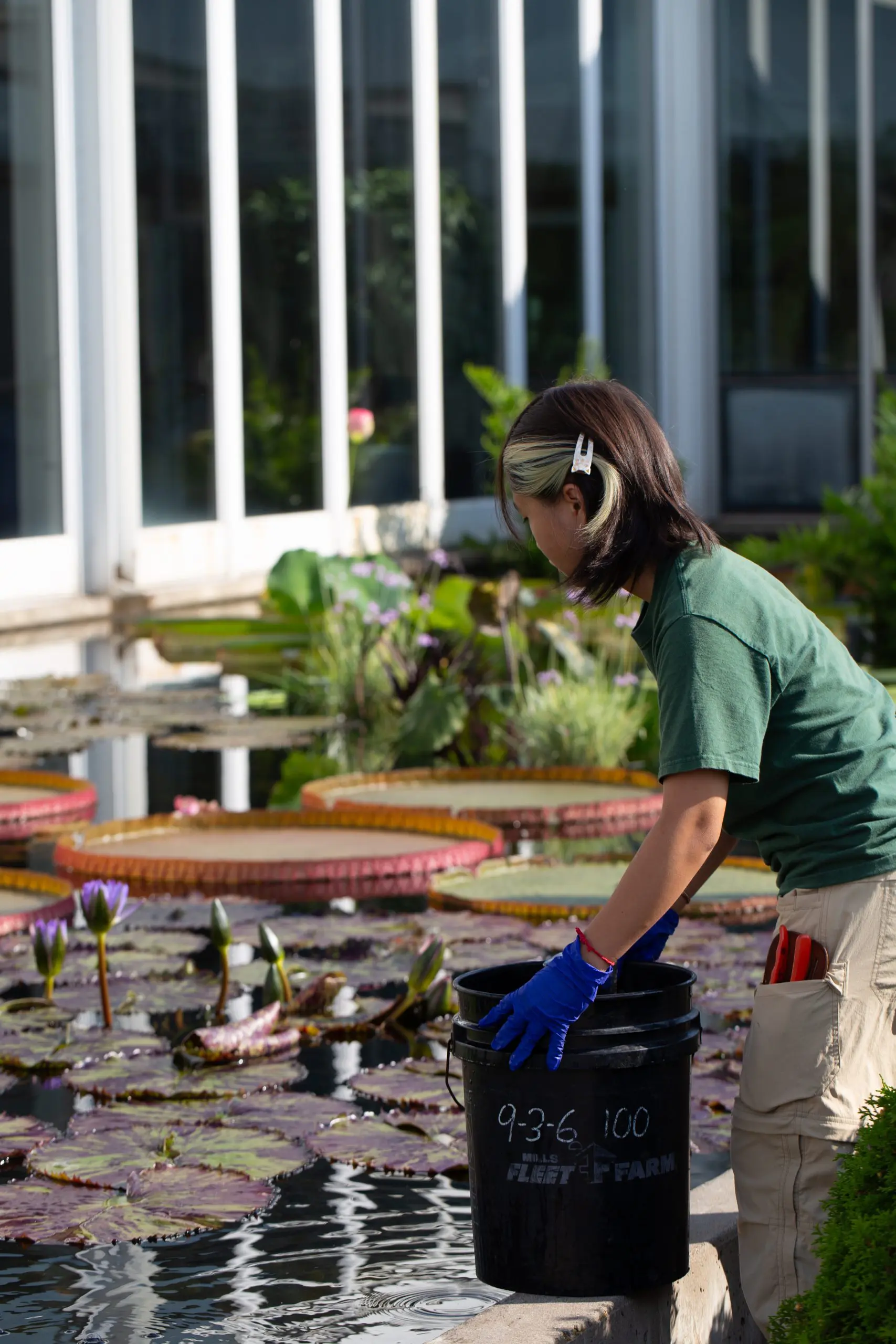
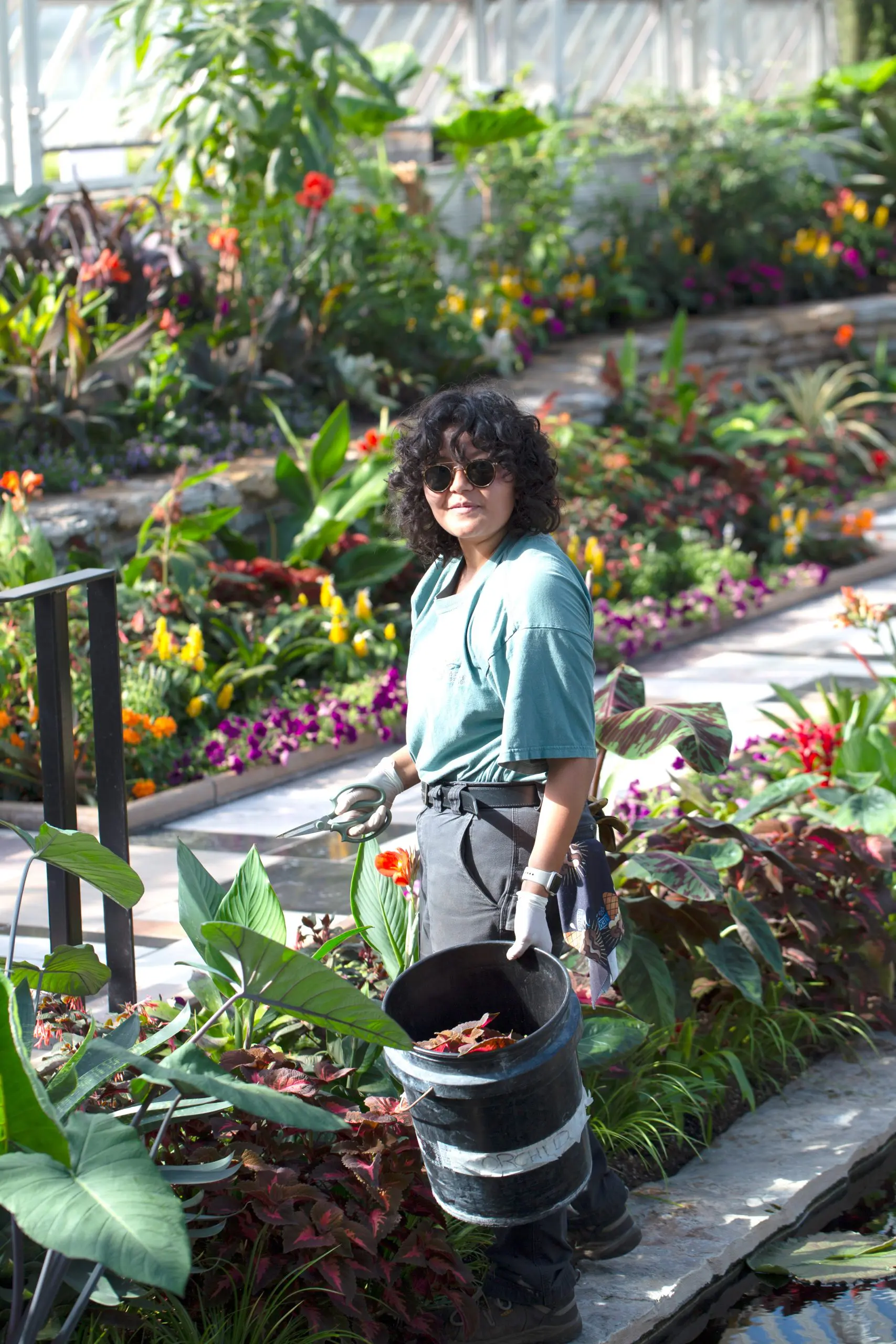
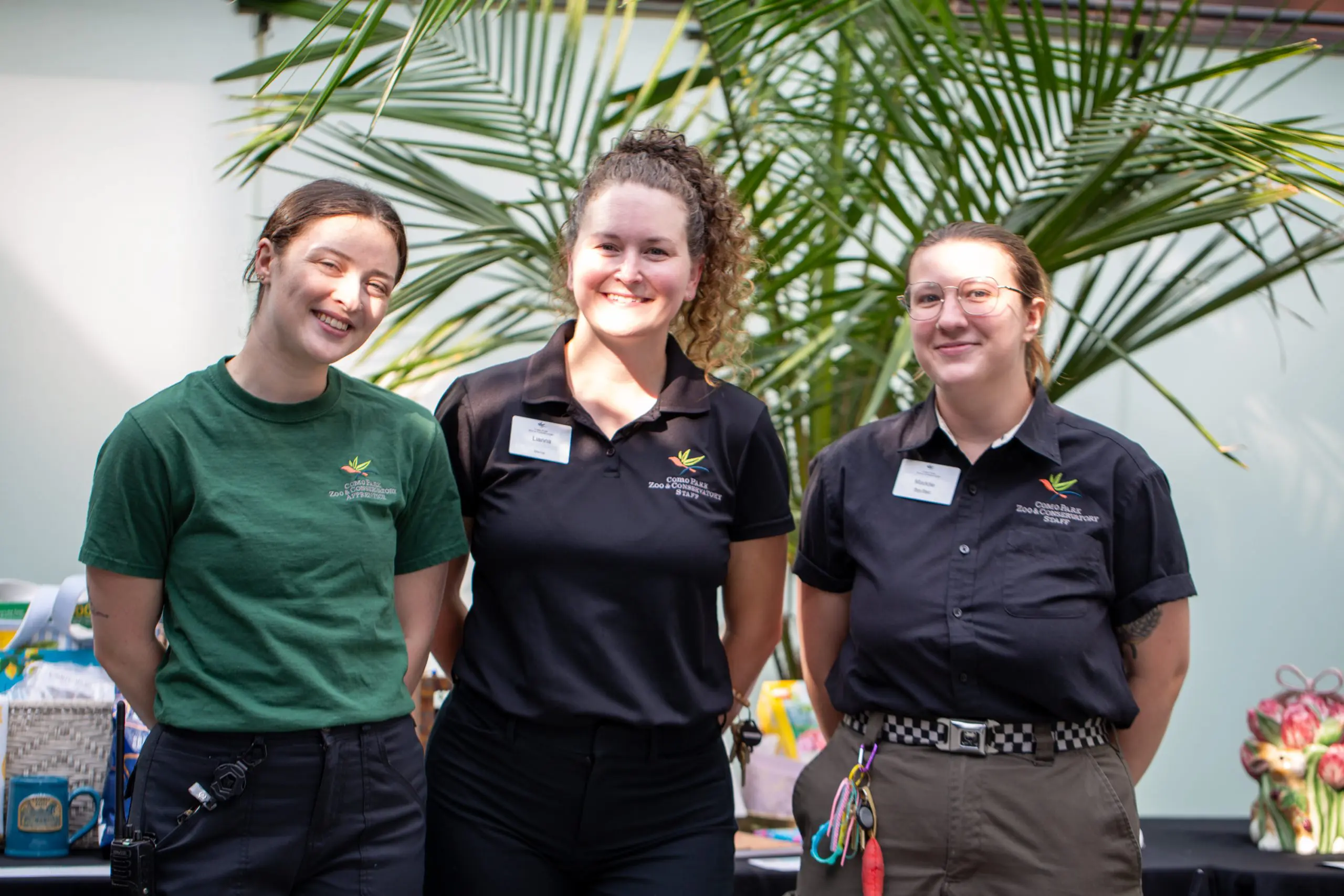
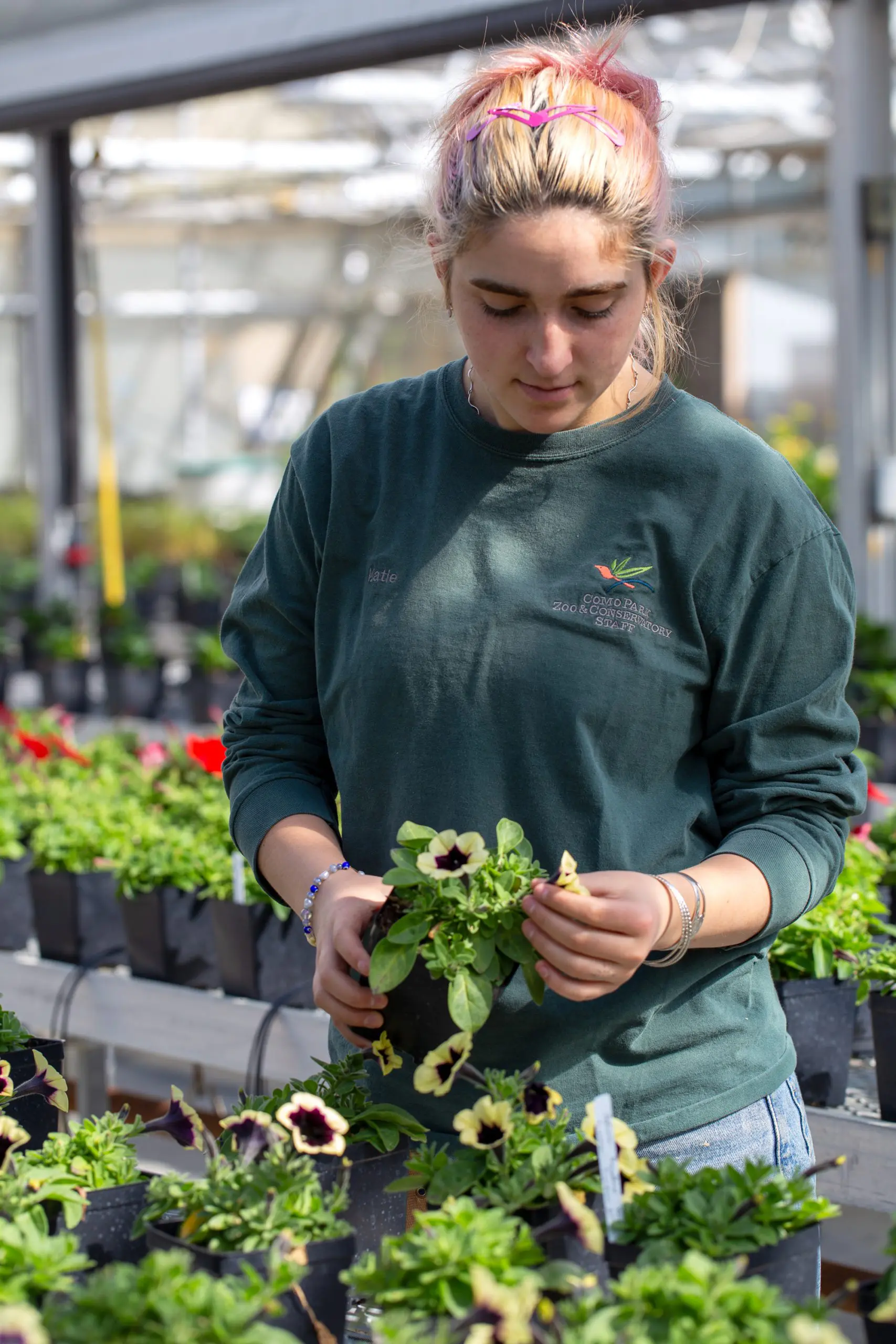
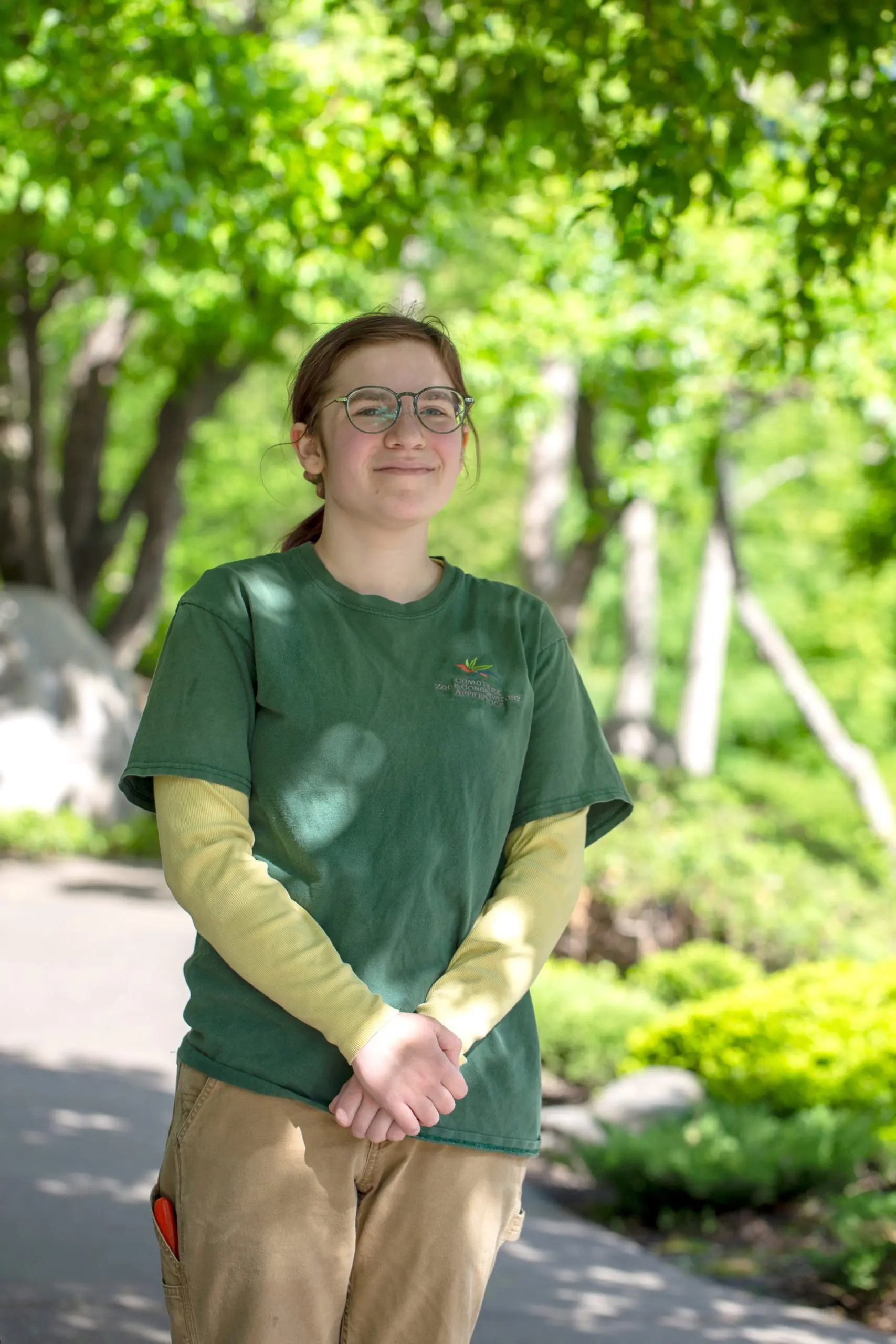
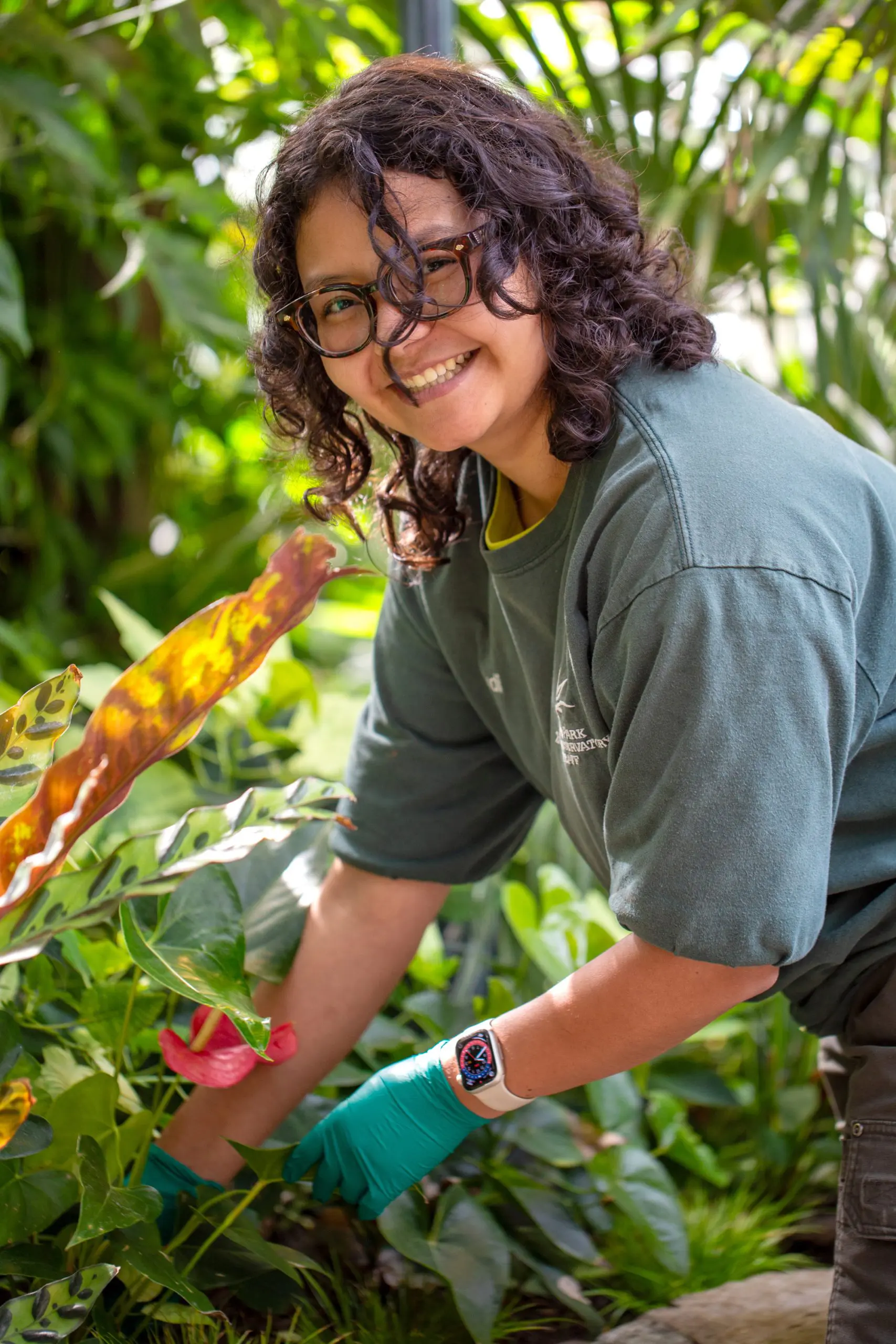
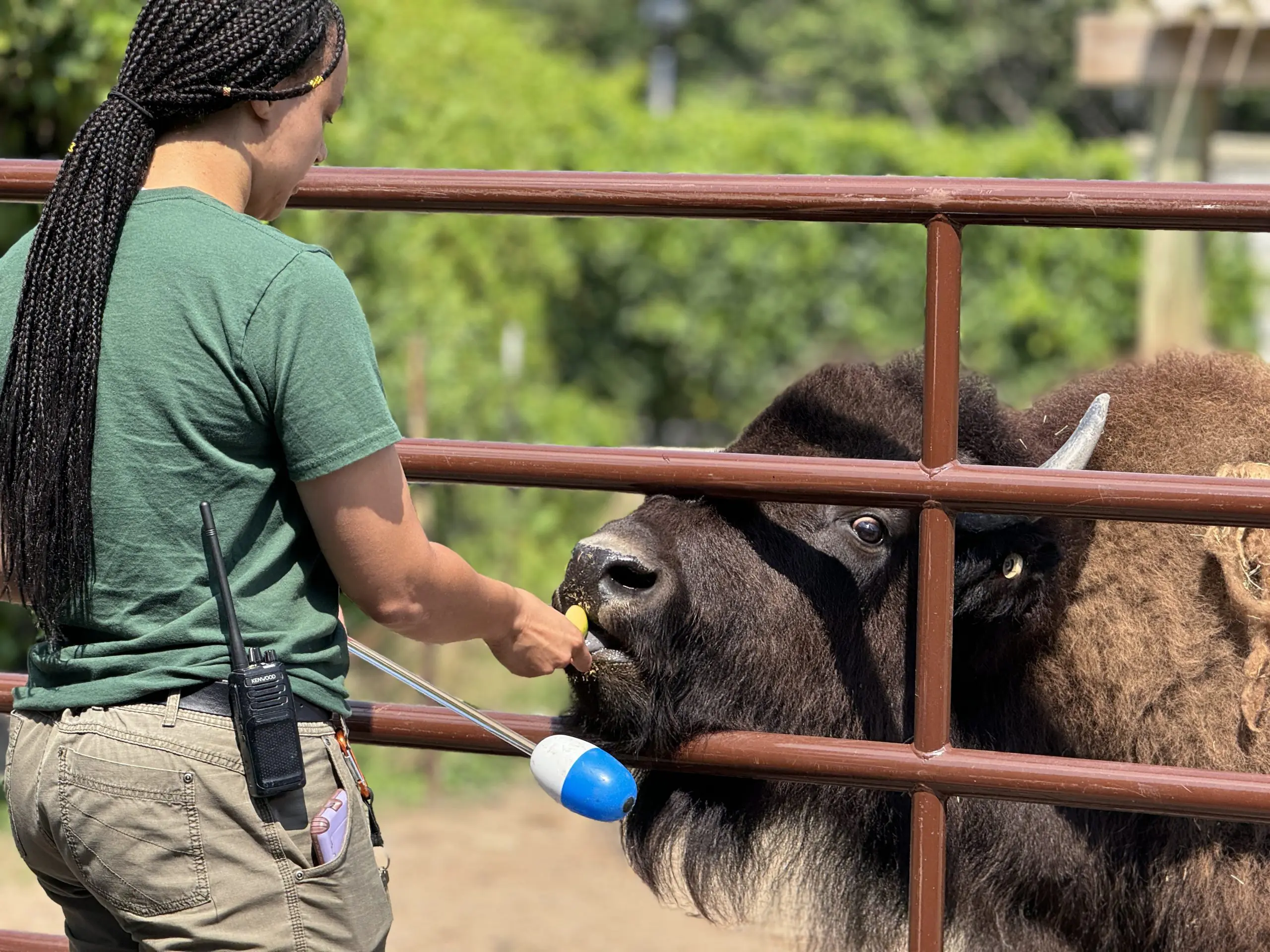
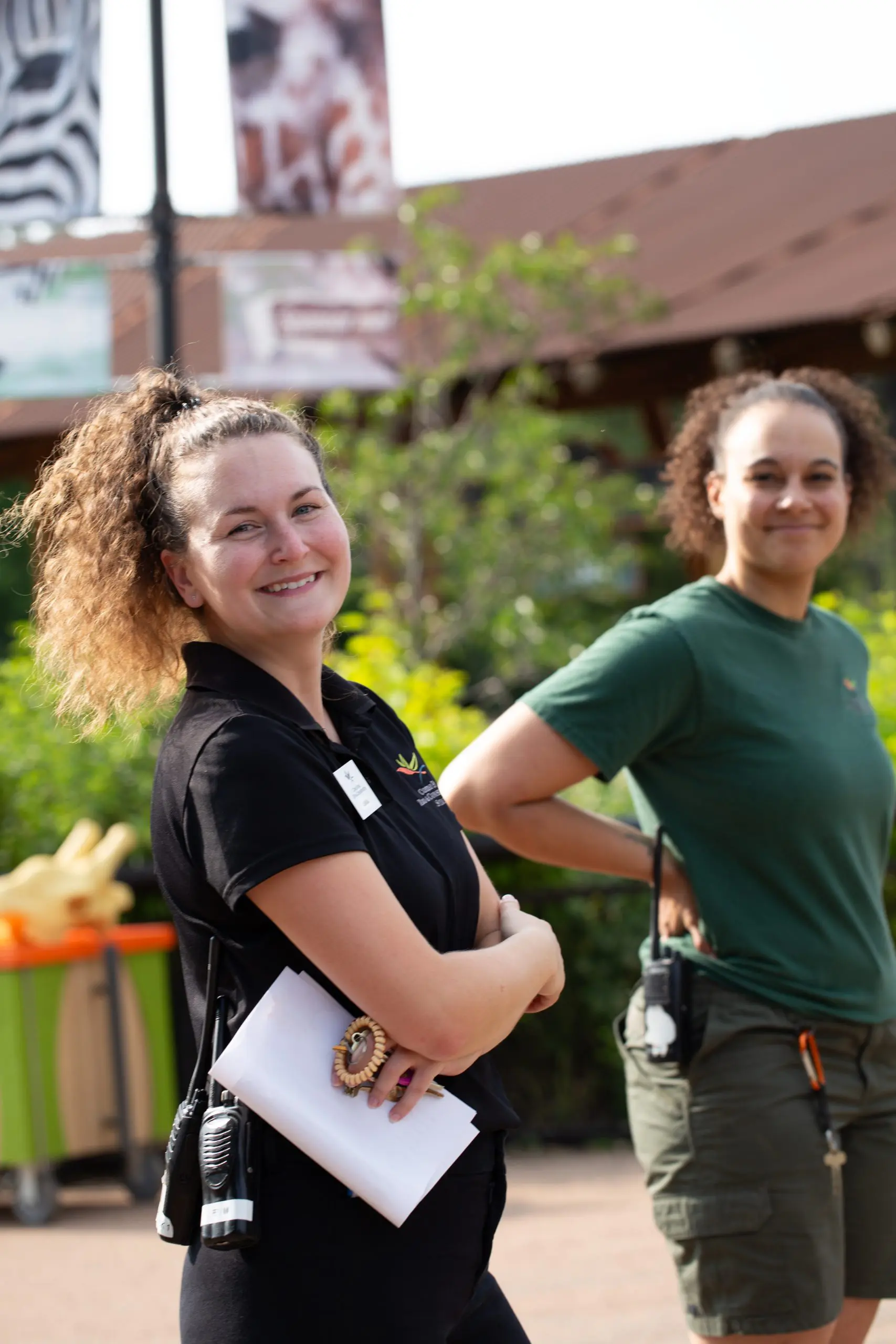
Launched in 2014 as a partnership between the City of Saint Paul, the Saint Paul Public Schools, and the Saint Paul Area Chamber of Commerce, Right Track has established a growing pipeline of career development opportunities for underserved Saint Paul youth. While Como has hosted interns for decades, Como Zoo launched its own Right Track partnership in 2022, inviting youth from cost-burdened homes or facing other barriers to employment to take part in paid apprenticeships and early career experiences in animal care. The program has been so effective at cultivating a diverse, next-generation workforce that the Marjorie McNeely Conservatory soon joined in, offering youth new experiences in horticultural operations as well.
While the program is primarily funded by the City of Saint Paul, Como Friends has provided additional support over the years, for instance, providing grant money to help apprentices access the essential gear they need to succeed in their jobs, from campus uniforms to sturdy boots. That commitment grew in 2026 when Como Friends made the Right Track program a special focus of the Fund-a-Mission donation at the Sunset Affair gala on July 16. With cuts to federal funding that has supported Como’s apprentices, the goal is to match private contributions with funding from Minnesota’s Legacy Amendment to keep the successful program in place.
“Investing in The Right Track program is really about investing in the future of Como, and making sure that we have a workforce that really reflects the diversity of the community we serve. These are dream jobs for youth who want to work with animals and plants, but there are significant structural barriers to getting hired in this field that the Right Track program helps young people overcome,” says Katie Hill, president of Como Friends. “That’s exactly the kind of work we believe is essential to support at Como Friends—nurturing the next generation in this field—and we hope our donors see that it’s a win-win for everyone. Como benefits from the support of these talented and motivated youth apprentices, while young people get the career boost they need to find meaningful jobs in conservation.”
A Kaleidoscope of Connections: Conservation for Monarch Butterflies
Sunday, April 26 | 12:00 PM | Visitor Center Auditorium
Presented by Katie-Lyn Puffer, Monarch Joint Venture
Como Friends members are invited to take a deeper dive into the fascinating world of monarch butterflies at a special conservation weekend sponsored by Xcel Energy at Como Park Zoo & Conservatory. Learn about their life cycle, population challenges, and how you can help support pollinators at home.
Join Katie-Lyn Puffer on Sunday, April 26, for a presentation, Q&A session, and trivia! The education manager for Monarch Joint Venture, Katie will be presenting her extensive knowledge about monarch butterfly biology and ecology, and how monarch conservation efforts through organizations such as Monarch Joint Venture also benefit people, other wildlife, and the environment.
Monarchs have captured the hearts of many. Discover ways to help this beloved insect in your own backyard. During this presentation, you’ll learn about the monarch life cycle, their population decline, and ways to help, including gardening—what to think about when planting for pollinators and the plants to include.
Note: Please bring your own lunch to enjoy during the Lunch & Learn. This presentation is designed for an adult audience.

Katie-Lyn Puffer oversees and coordinates MJV’s education and outreach programs, which include professional development programs for teachers and educators, local programming, and public courses both virtual and in-person. She graduated from the University of Minnesota with a degree in Environmental Sciences Policy and Management. Before MJV, Katie-Lyn worked as an informal educator at museums, zoos, nature centers, and park systems where she led and coordinated summer camps, field trips, and outdoor education programs for all ages. In her free time, she can be found hiking, camping, reading, knitting, and spending time with her son.
Community Lunch & Learn
An Ocean of Change: How Climate Change and Commercial Fishing Impact African Penguins
Saturday, February 21 | Noon
Como Friends members are invited to “Waddle Into Action” at a special conservation weekend sponsored by Xcel Energy at Como Park Zoo & Conservatory!
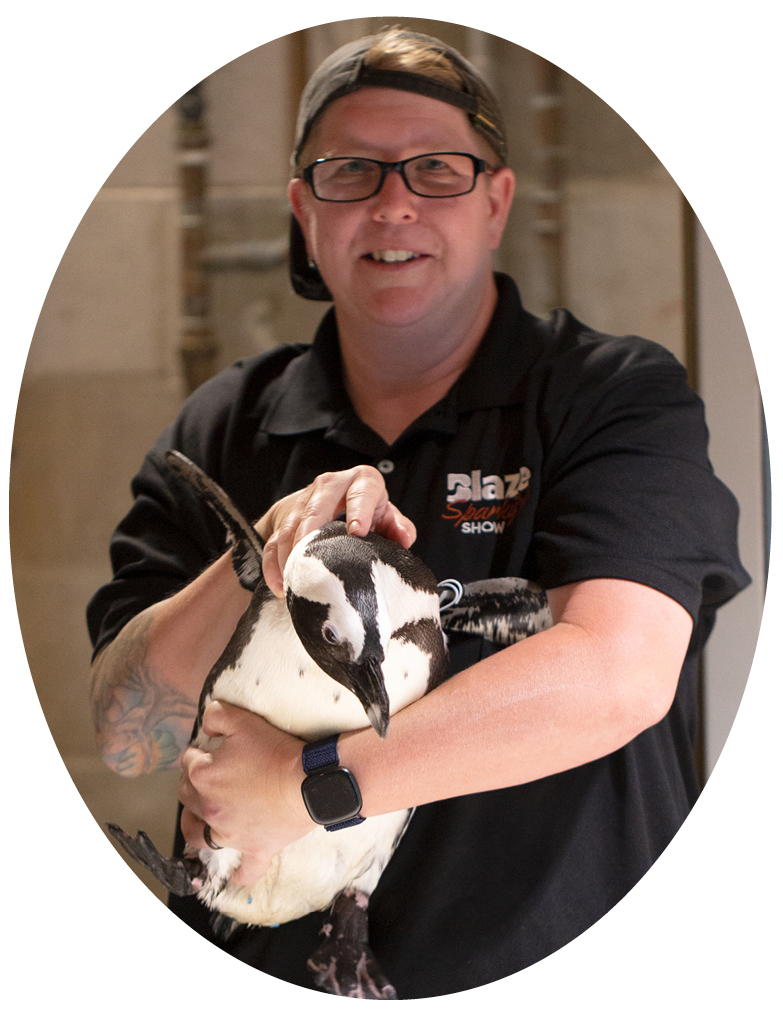
Join Aquatics Zookeeper Kelley Dinsmore for an in-depth discussion on the dramatic decline of African penguins in the wild over the past 50 years. Learn how programs like AZA SAFE and SANCCOB are working to stabilize and reverse this trend, and hear firsthand about penguin conservation efforts in South Africa.
Bring your lunch, settle in, and get an inside look at caring for African penguins, both in the wild and right here at Como.
*The content and format of the Community Lunch & Learn is specifically geared toward an adult audience.
Seats for the Lunch & Learn are very limited, with only 60 places reserved for members. Advance RSVP required.
Sign up below—if the form does not appear, please call Como Friends at 651-487-8229 to join the waitlist.
Community Lunch & Learn
With expanding school partnerships, a refreshed curriculum, and a new strategic plan, Como’s education department is rising to meet the needs of our next generation
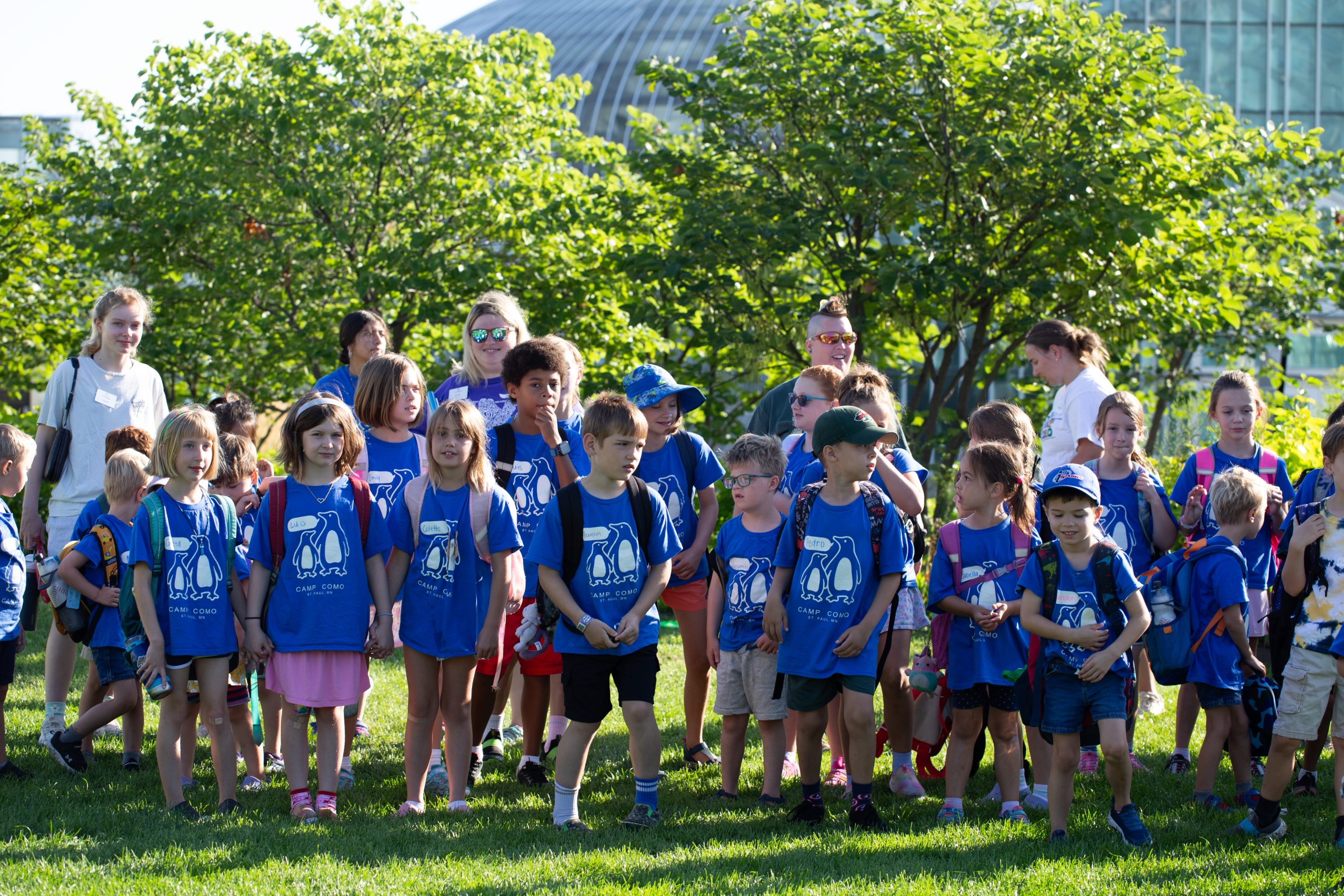
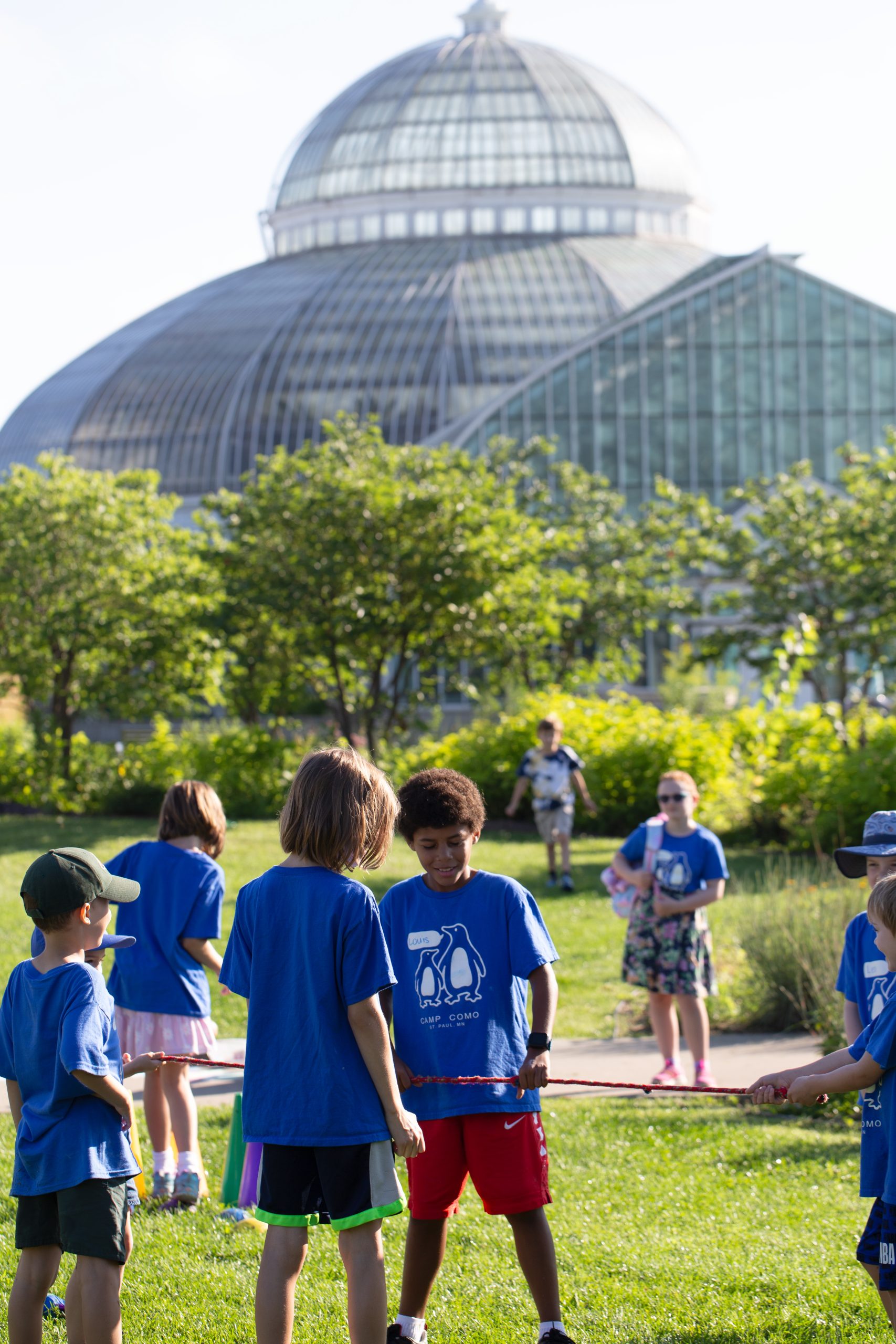
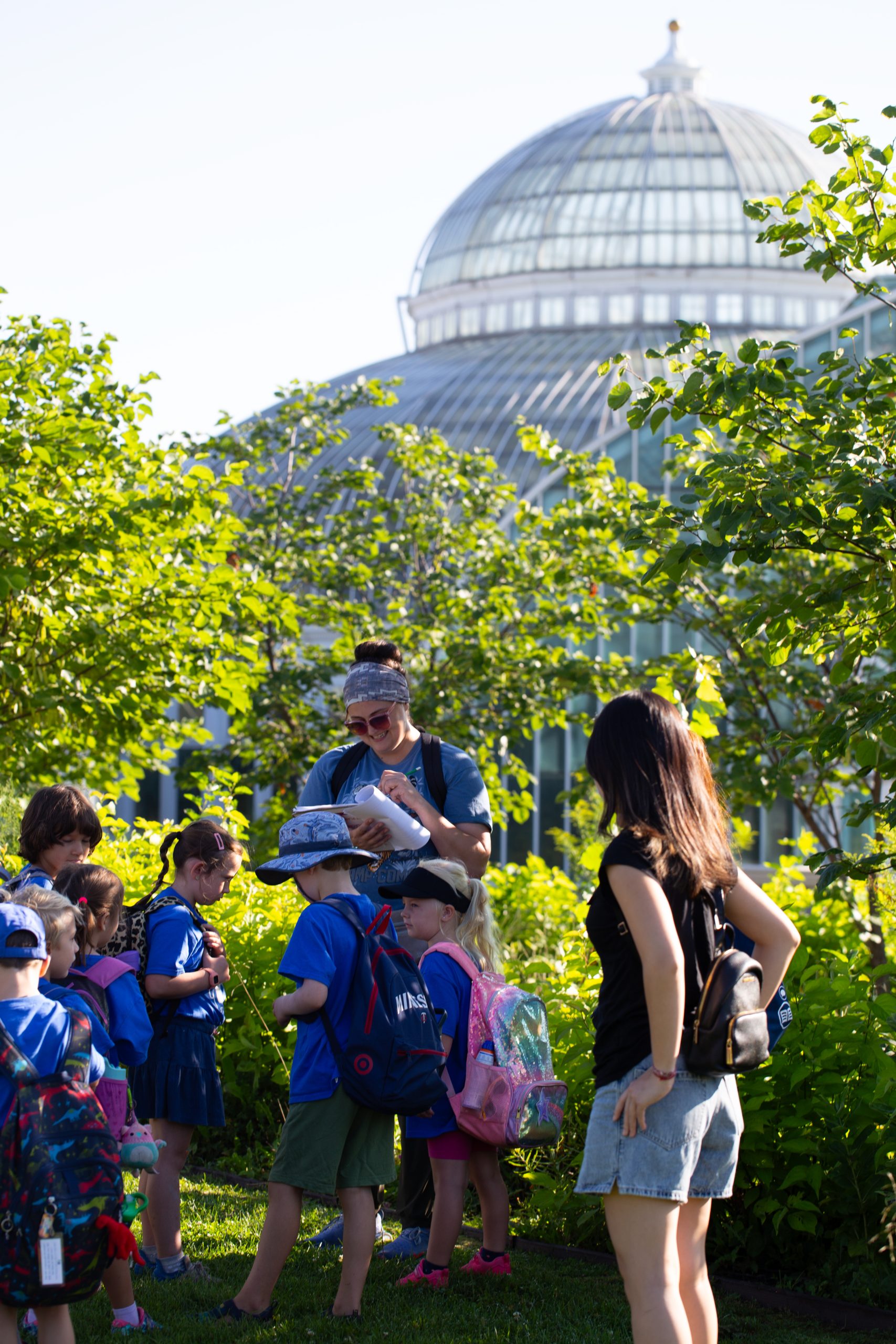
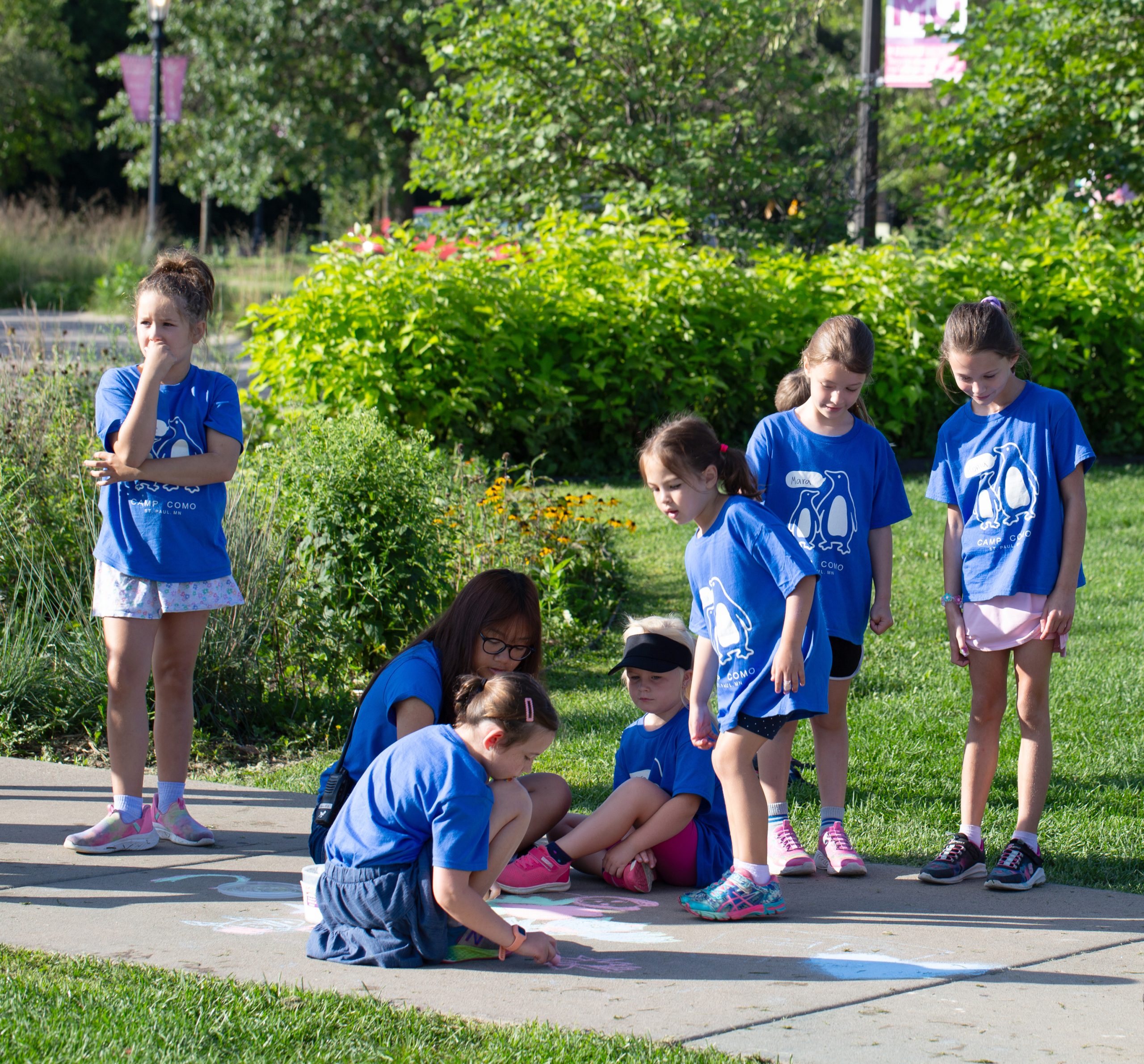
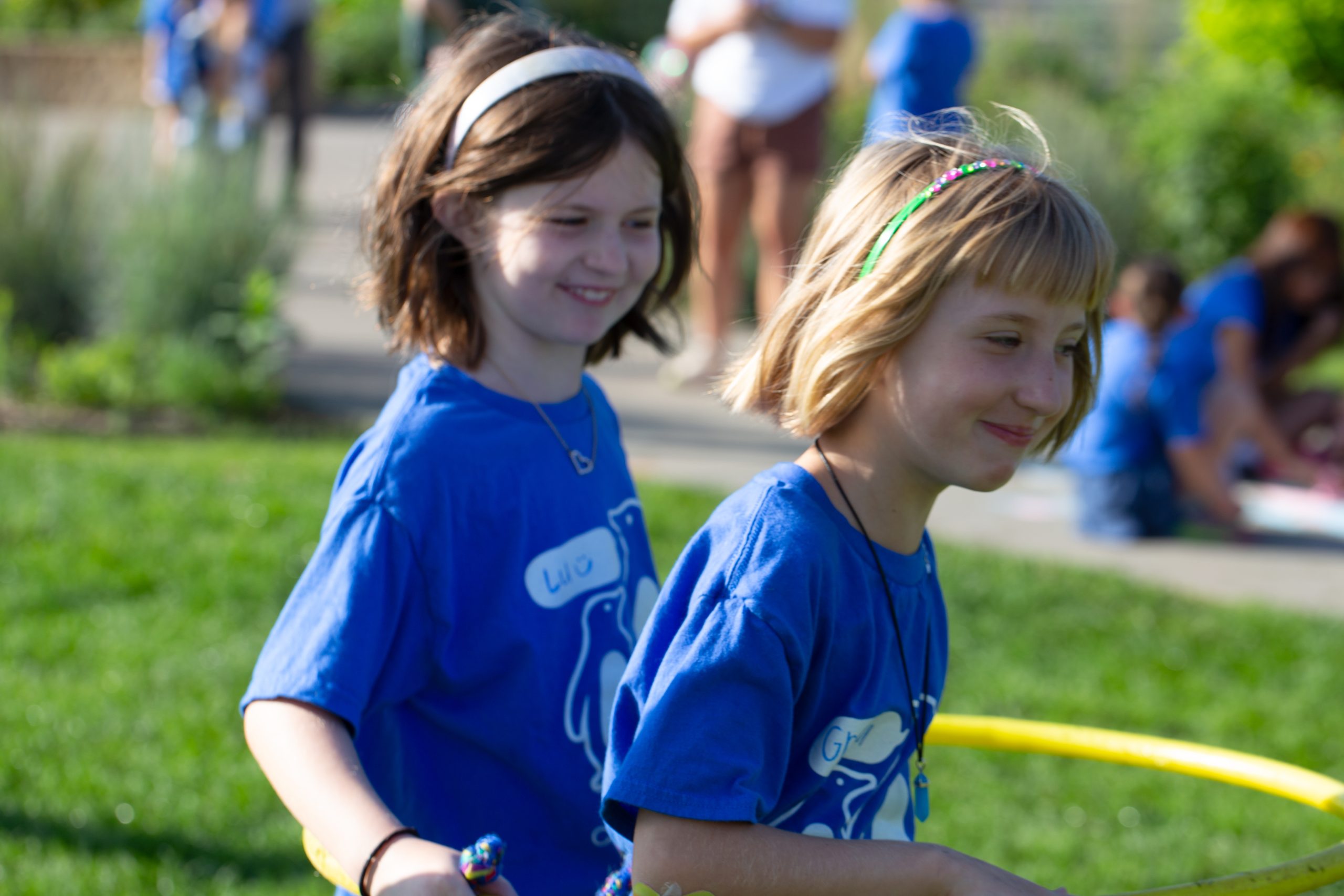
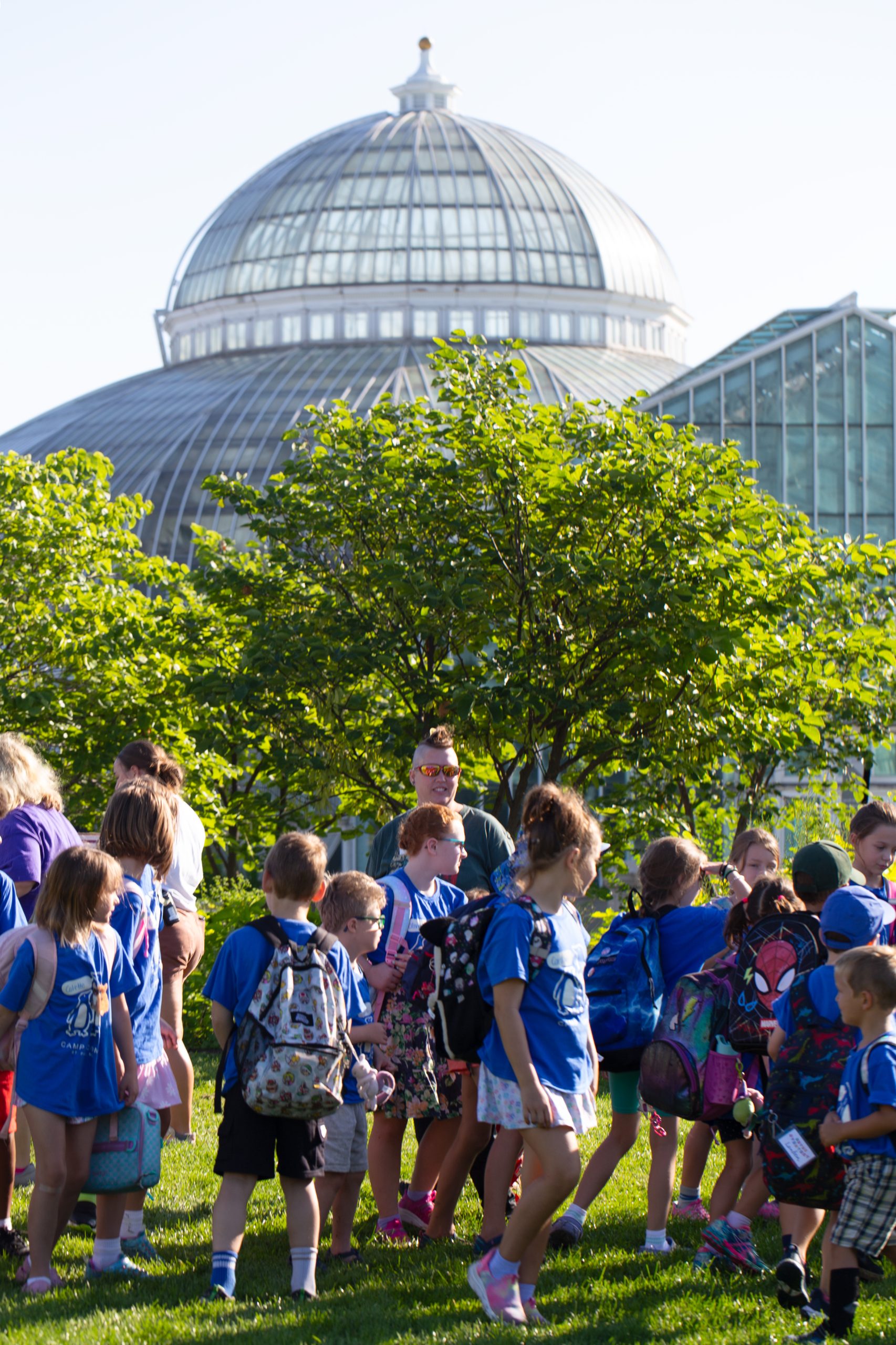
As teachers will tell you, making the transition back to school can be tough. Even at summer camp, encountering new faces, new friends, and new surroundings can be stressful for many children—not to mention their parents.
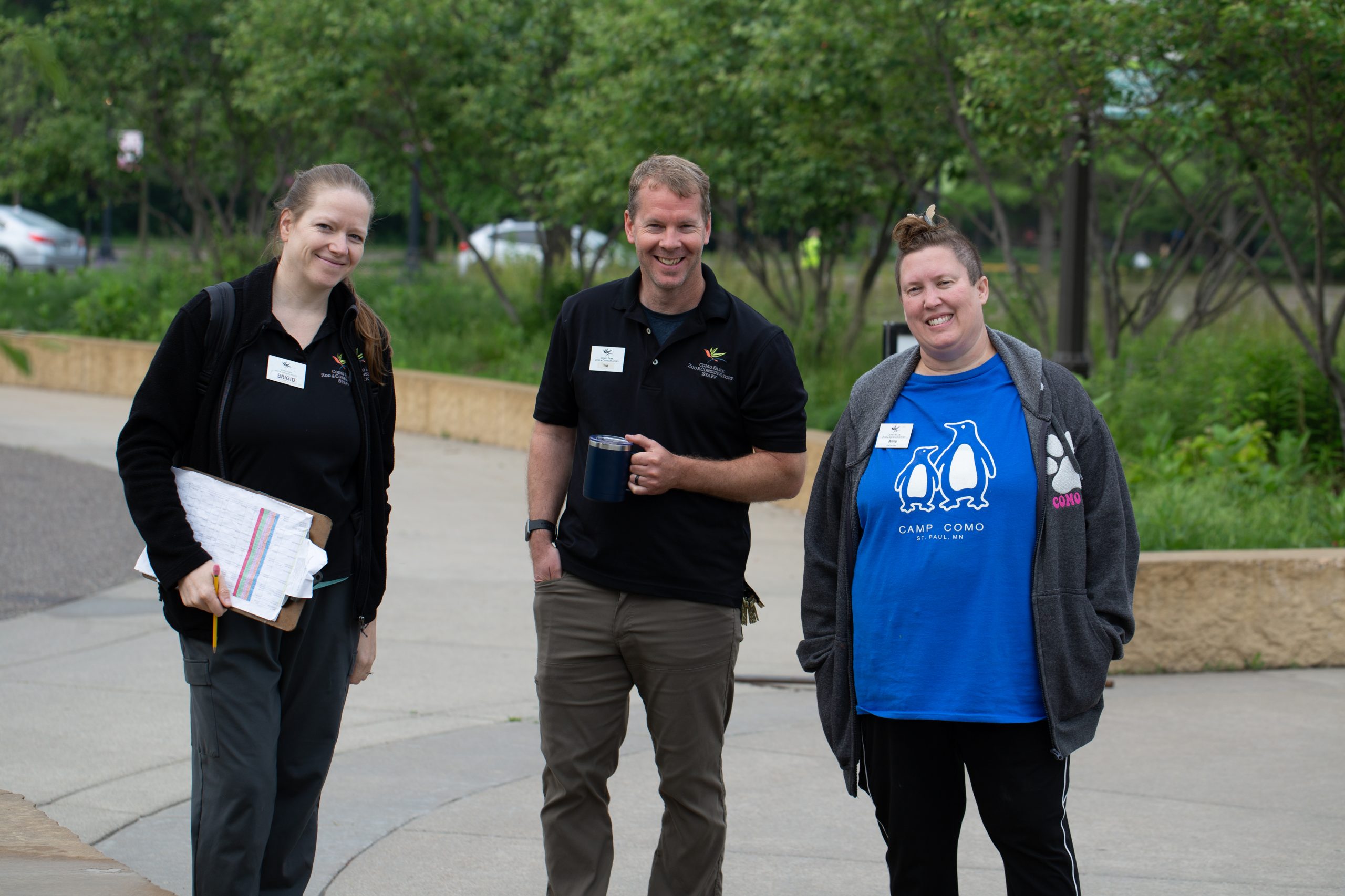
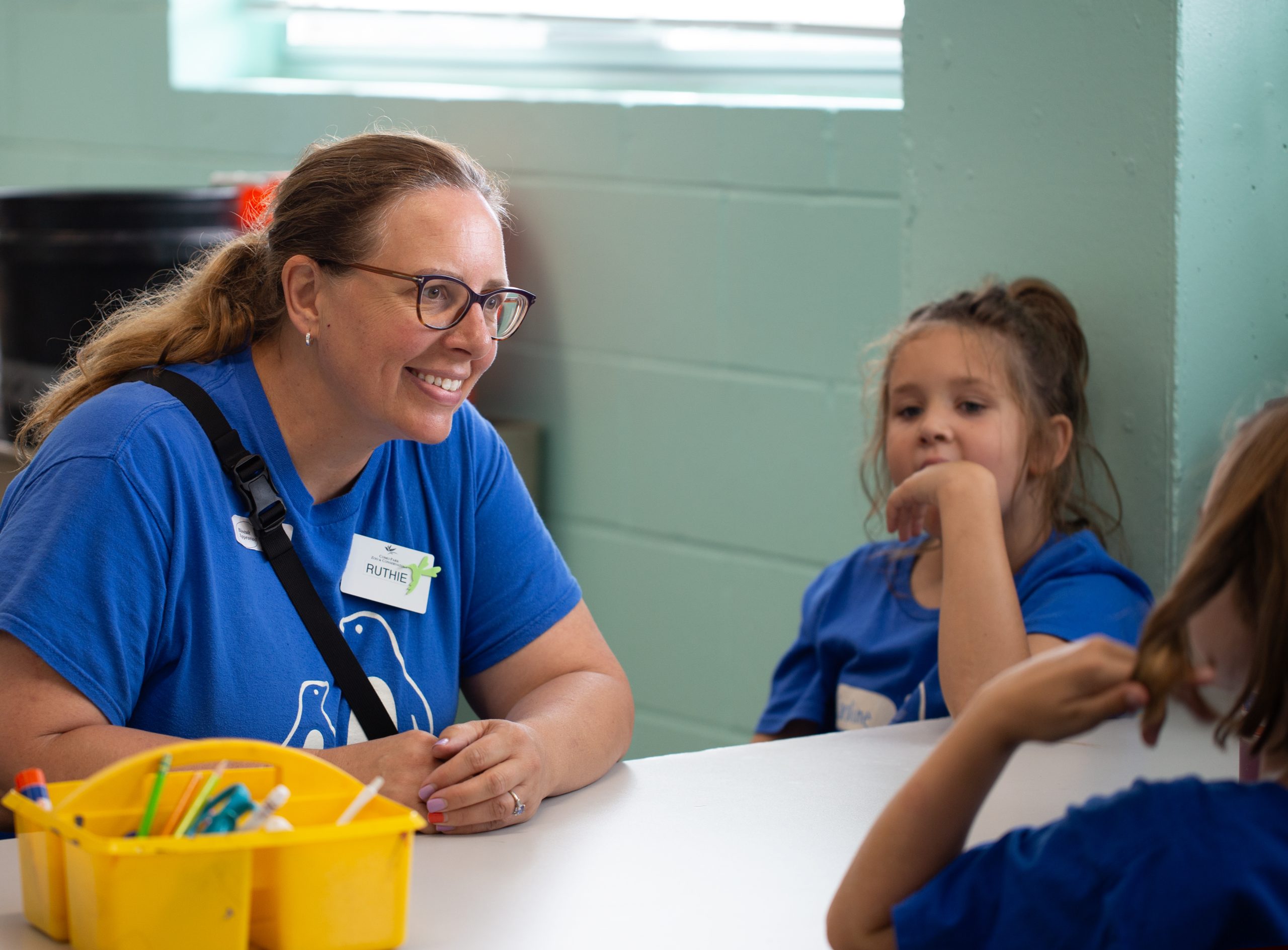
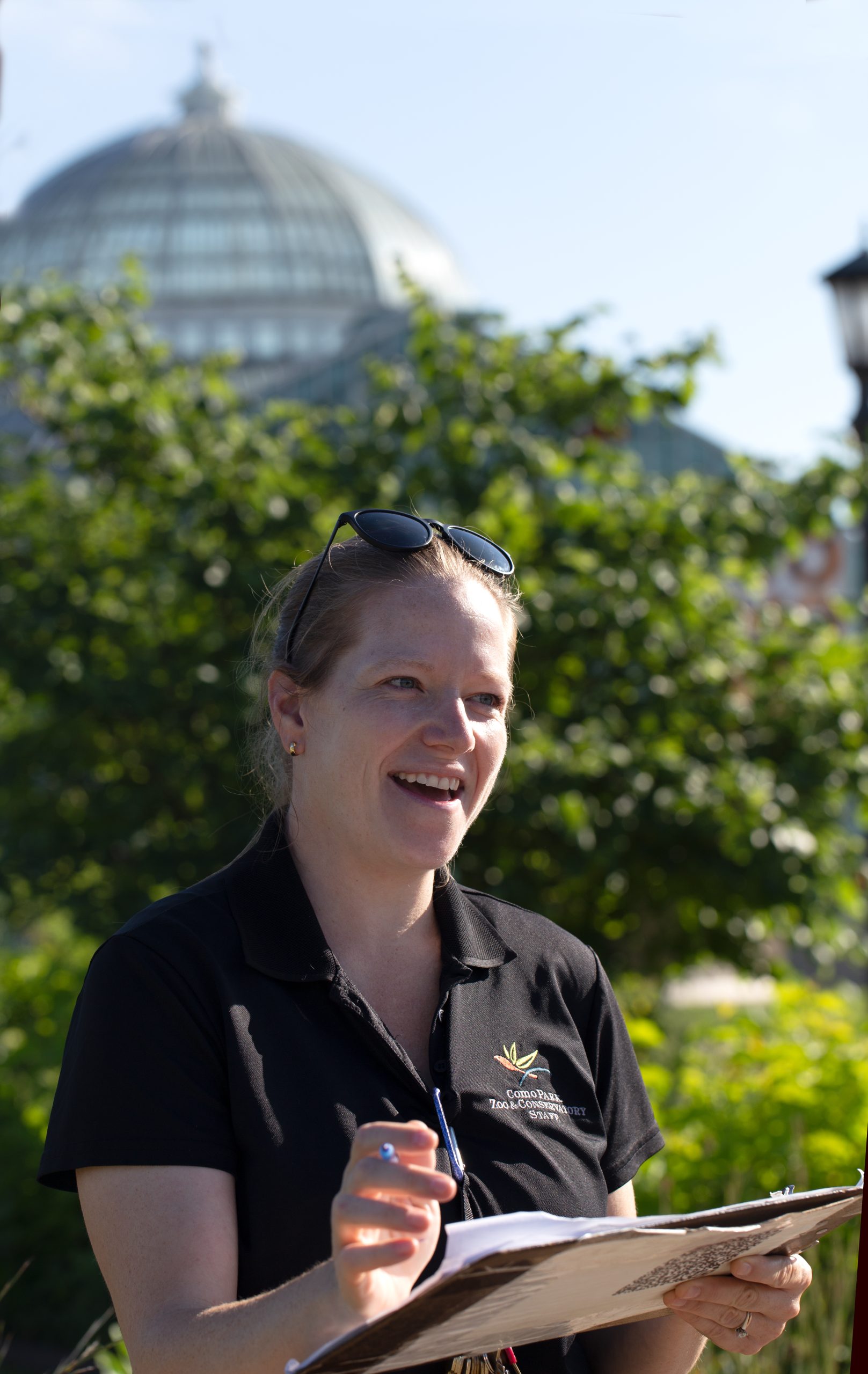
That’s why Como’s education department just piloted a new program during Como’s sold-out summer camp season designed to build even better relationships between Como and the nearly 500 families it served through the 12-week session. Through a new staff position, Como Cares Specialist Ruthie Schneider reached out to enrolled families each week to find out if incoming campers could use some extra support to make their summer camp experience a success.
“It’s a way of building a relationship with families, and making parents and campers feel reassured that we have their backs,” says Schneider, a former Como Zoo keeper who leapt at the chance to return to campus this summer after making a career shift into special education. From managing inhalers and EpiPens, to asking parents for their best advice for helping kids on the autism spectrum adjust to new routines, Schneider’s multi-layered position is equal parts educator, counselor, school nurse, and resident problem-solver, supporting Como’s summer camp instructors by tending to kids who may need more time and attention from a trusted adult.
“It’s been a conversation in the camp field for a while, and especially after COVID, that we’ve been seeing more kids showing up at camp who need additional support,” says Bekah Hanes, Como’s Education & Conservation Curator. “In the past, if there was a camper or two who were struggling, it could take the whole class off track. But with this role, we have the resources, and this extra pair of hands, to help make the camp experience more meaningful for everyone. It’s been a complete game changer.”
Improving Access and Engagement
The new Como Cares specialist role is just a small piece in a much larger initiative aimed at meeting the growing needs of the more than 700,000 school-age visitors who come to Como each year. Driven by a new strategic plan supported by Como Friends that was based on feedback from parents and community partners and new findings about best practice strategies for promoting conservation education with kids, many of Como’s education offerings are being reimagined to improve accessibility and engagement with kids of all ages and abilities.
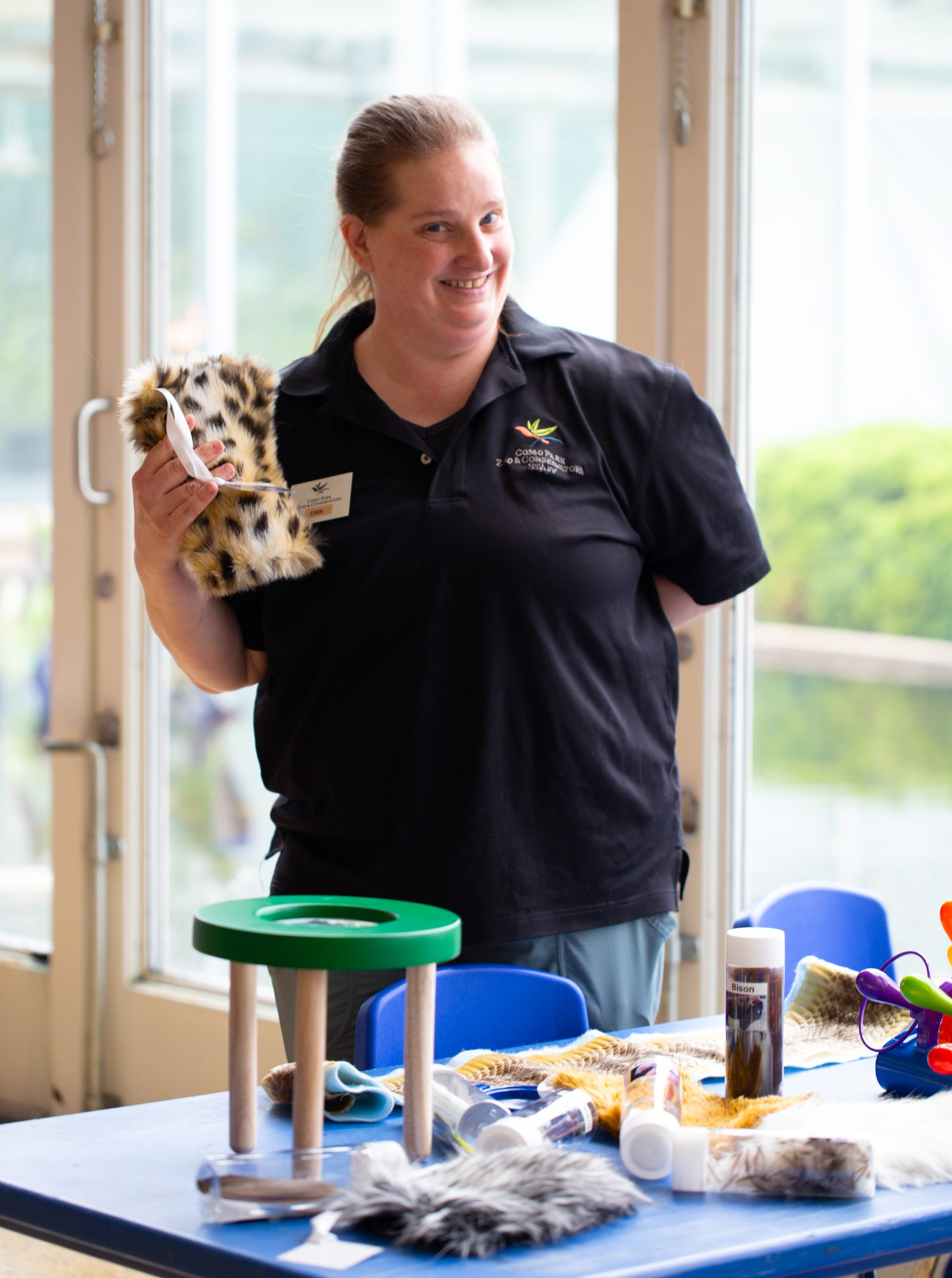
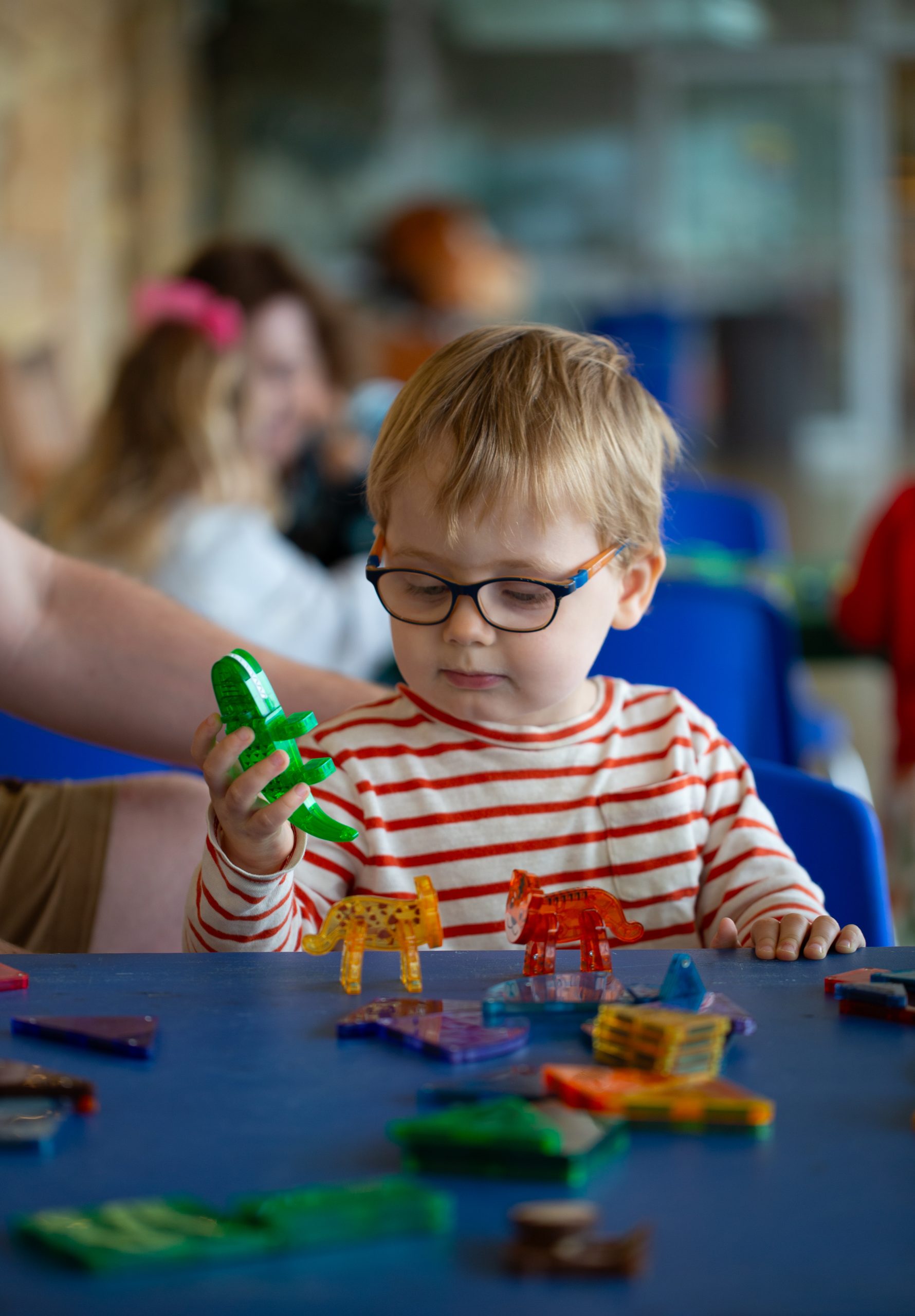
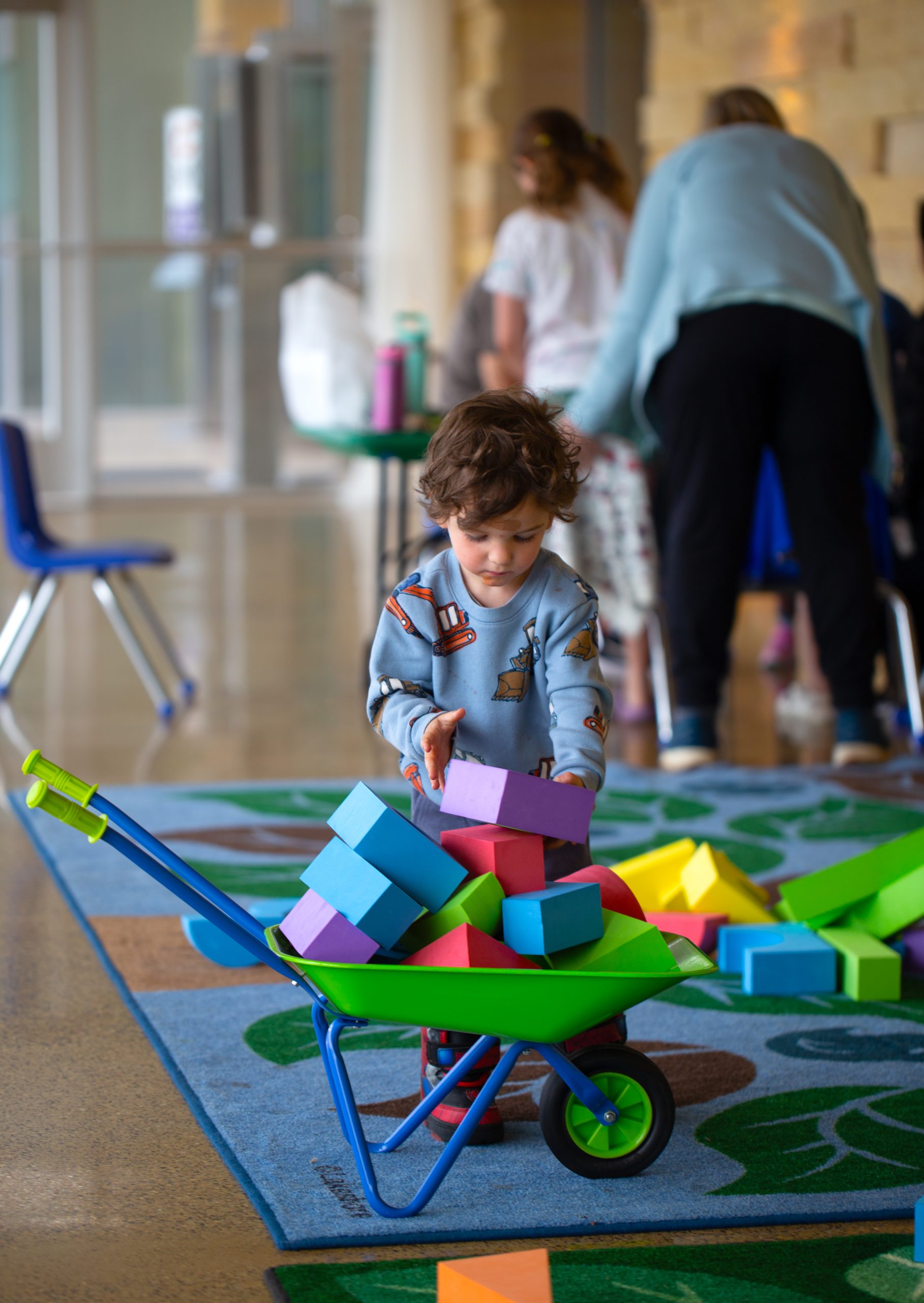
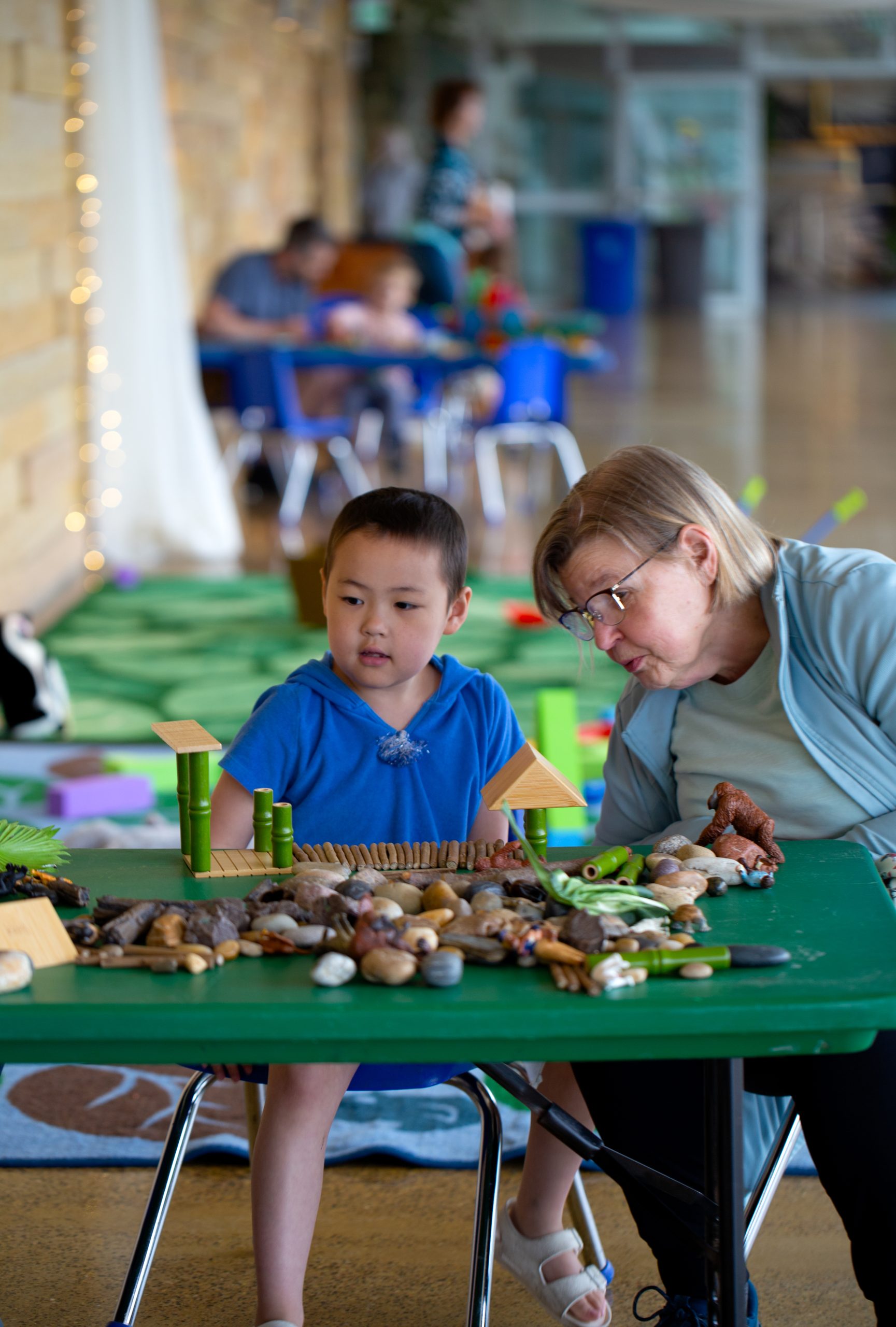
For instance, the weekly free Little Explorers program for preschoolers, funded by Minnesota’s Legacy Amendment, has been updated with more opportunities for imaginative play and activities that encourage kids to get to know different animals, plants, and the natural world. “It used to include a lot of activities and laminated sheets where kids had to have a parent helping out,” says Program Specialist Erin Dimond. “Now with more manipulative things like animal figurines and play stations, kids are showing their parents how they want to play and learn.”
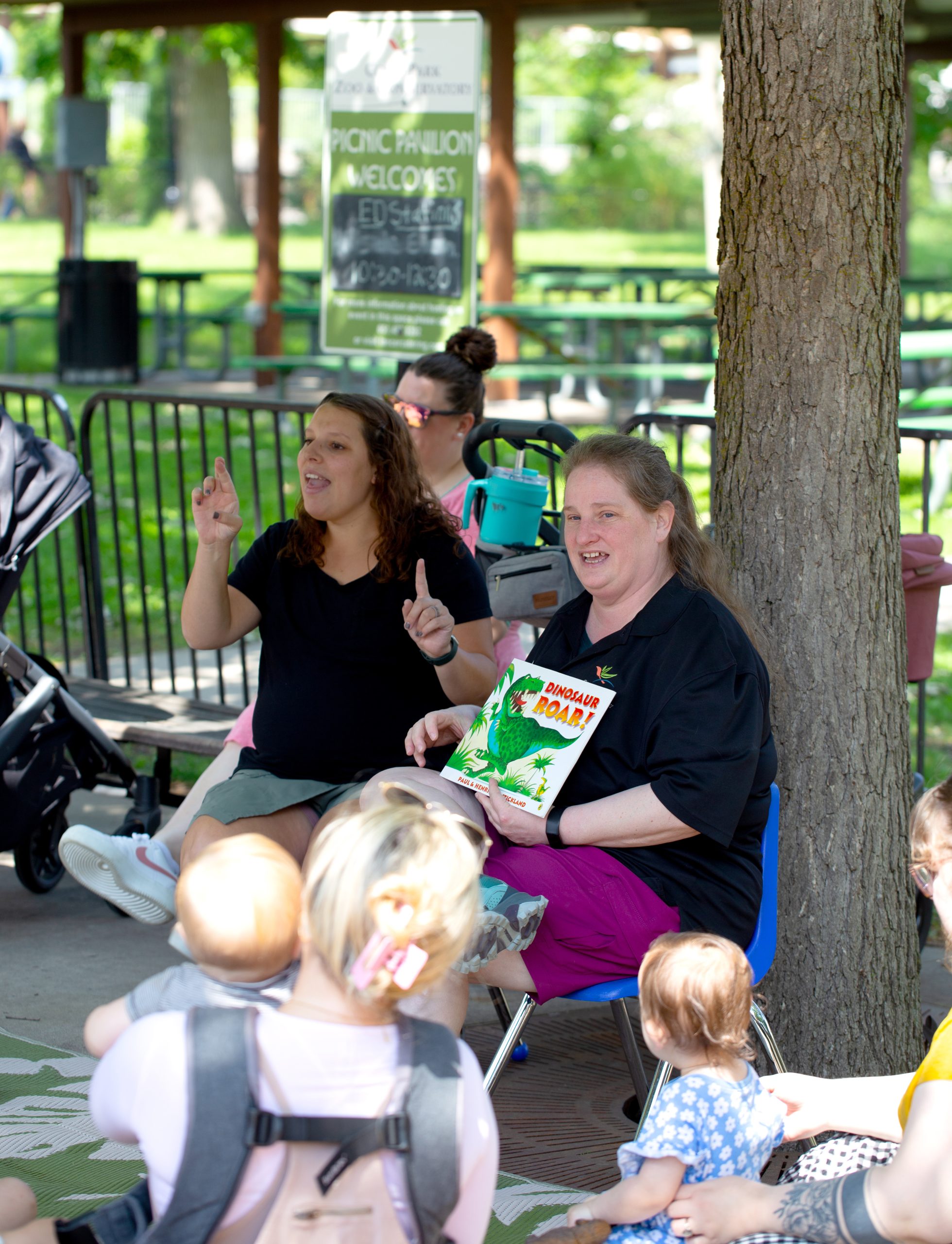
Improving access for kids with sensory differences is also part of the plan. Once a month, Como opens an hour early for Sensory Friendly Mornings, allowing youth with autism, anxiety, ADHD, and other conditions and their families extra time to explore Como without the crowds. The current program also includes a social narrative that gives families an idea of what to expect on their visit, and Como is partnering with AuSM and Fraser to implement even more sensory-friendly modifications and strategies. For the deaf and hard of hearing, an engaging and kid-friendly American Sign Language interpreter supports the story-time portion of Little Explorers every Thursday, and travels across the Zoo and Conservatory to interpret public talks throughout the day.
With growing demand for Como’s summer camps, Como Friends and Como Park Zoo & Conservatory also combined forces to continue improving the camp experience, and to make it more accessible for more families. This spring, Como Friends expanded its commitment to summer camp scholarships by more than 50 percent, funding that made it possible to provide a week-long Camp Como experience to about 50 elementary-age campers. At the same time, Como tested out a new staffing model, recruiting veteran classroom teachers to apply for short three- to six-week terms within the seasonal summer camp program. “In the past, we hired college students who were looking for classroom experience,” Hanes says, “but by hiring professional teachers who want a fun summer gig, we’re also getting the benefit of their experience and their great classroom management skills.”
Back-to-School Partnerships
Now that school is back in session, Como’s education department is turning its attention to expanding school partnerships. After a successful pilot program last winter, Como’s popular Residency Program will fire up this fall, offering on-site experiences for third grade classrooms around the Twin Cities, and off-site programs for third graders across the state.
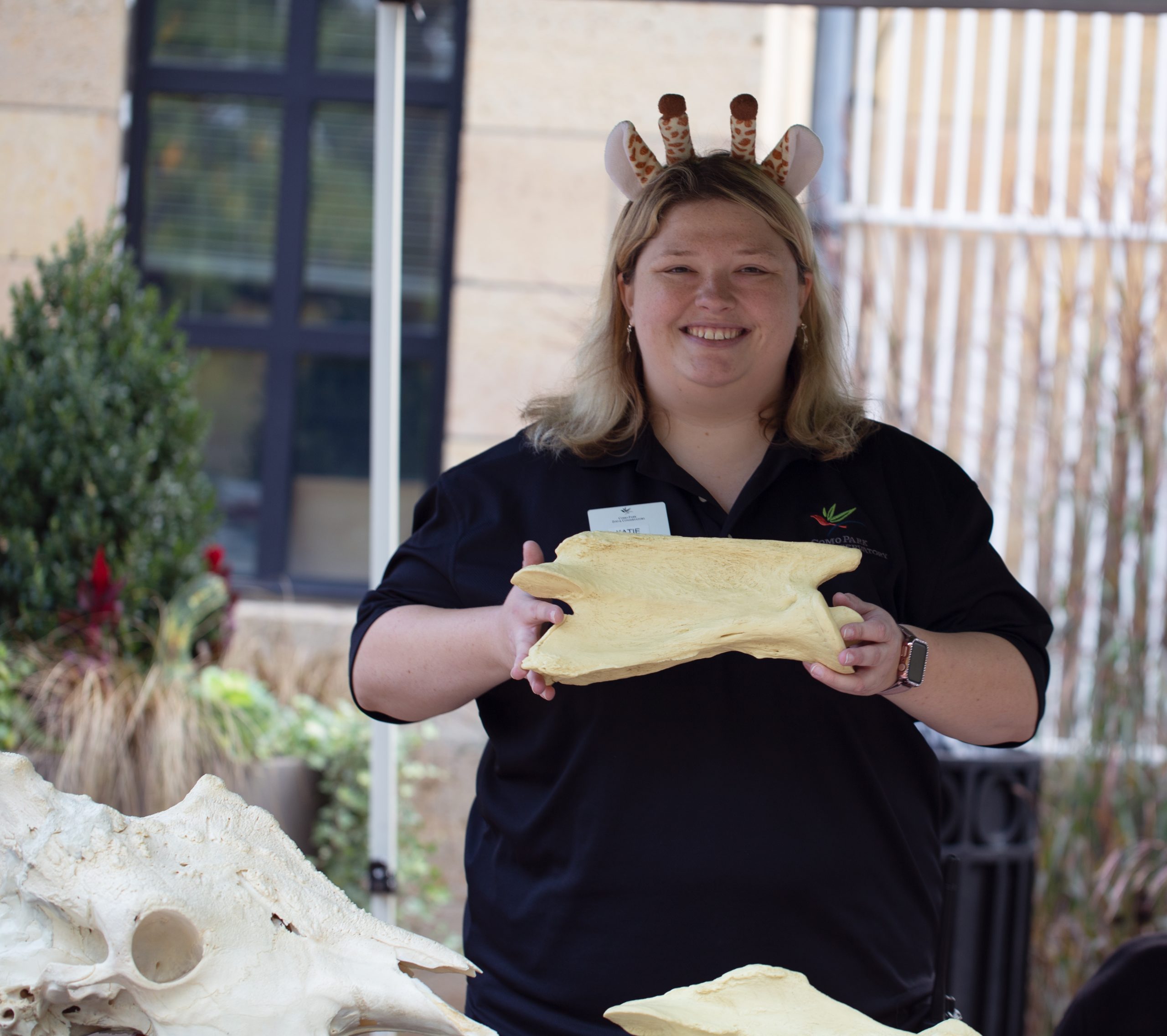
Made possible with funding from Minnesota’s Legacy Amendment, the free on-site program provides for both transportation costs to Como and a multi-day, multi-disciplinary curriculum where Como’s animals and plants become the backdrop for arts, language, and science learning, as well as early experiences with nature. “Even though local schools participate in Residency, many students have never been to Como before,” says Residency Education Specialist Katie Raeker, “That’s why we find ways to not only connect students to nature, but also to Como’s unique and lovable plants and animals. It’s really fun to show them around and to see their faces the first time they see a giraffe, or watch a sea lion swimming in the water.”
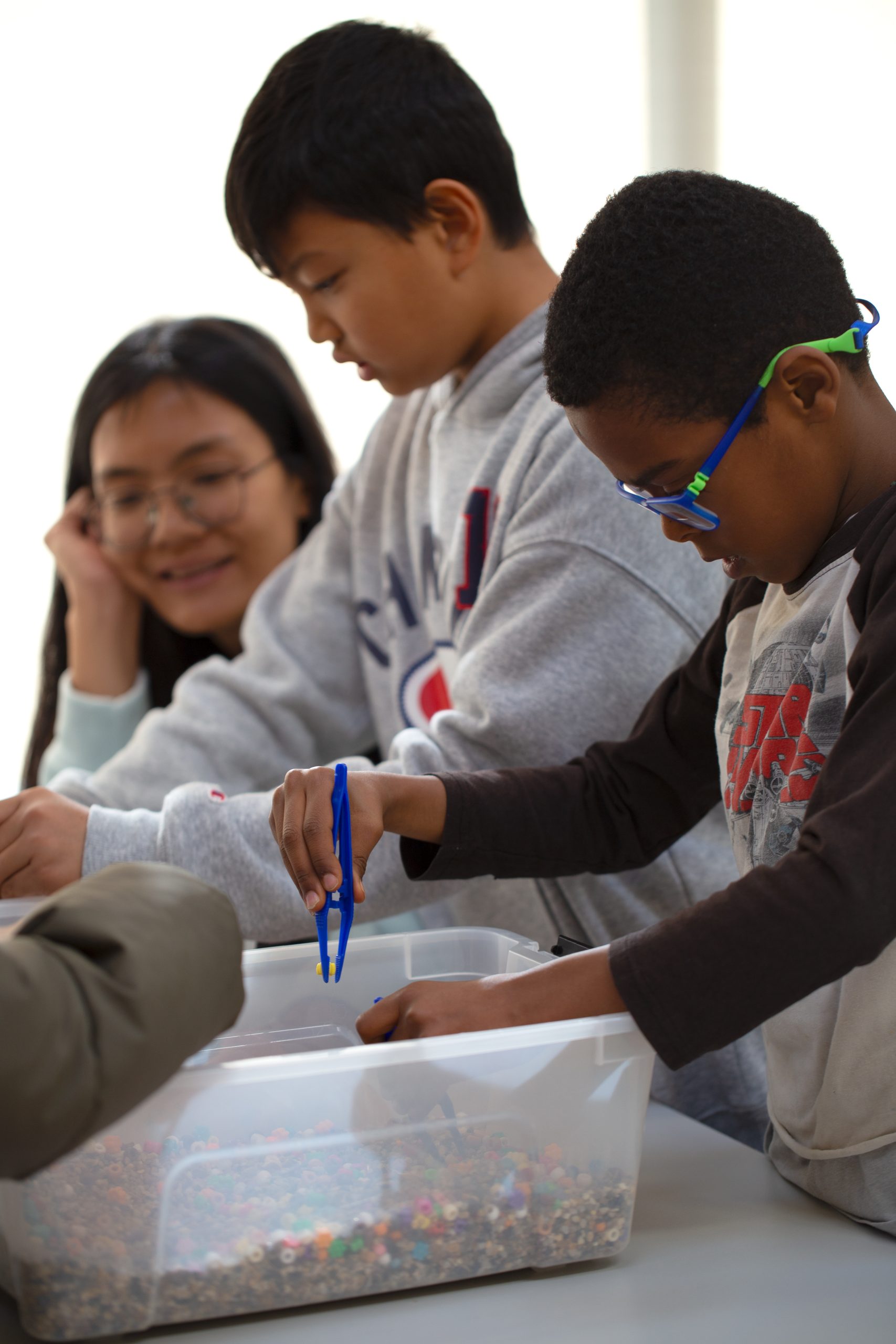
To reach outstate classrooms, the Residency Program hits the road, allowing a Como residency specialist to relocate for a week in Greater Minnesota, with a carload of conservation topics, art projects, and other activities for third grade classrooms. Following a pilot season that traveled to such communities as Grand Rapids, Melrose, Hinckley, and Faribault, the program got strong marks from participating classroom teachers. “One thing we’re hearing is that they really appreciate our multi-modal approach with our curriculum,” says Residency Coordinator Madeline McCullough. “There’s movement throughout the day, videos and slideshows, class discussions, and very tactile experiences with biofacts and plants. The curriculum makes them feel supported, and it works to reach many different types of learners.” Another strength of the program: all of Como’s Residency Program educators are former classroom teachers, skilled at shaping lesson plans to fit the needs of participating classrooms.
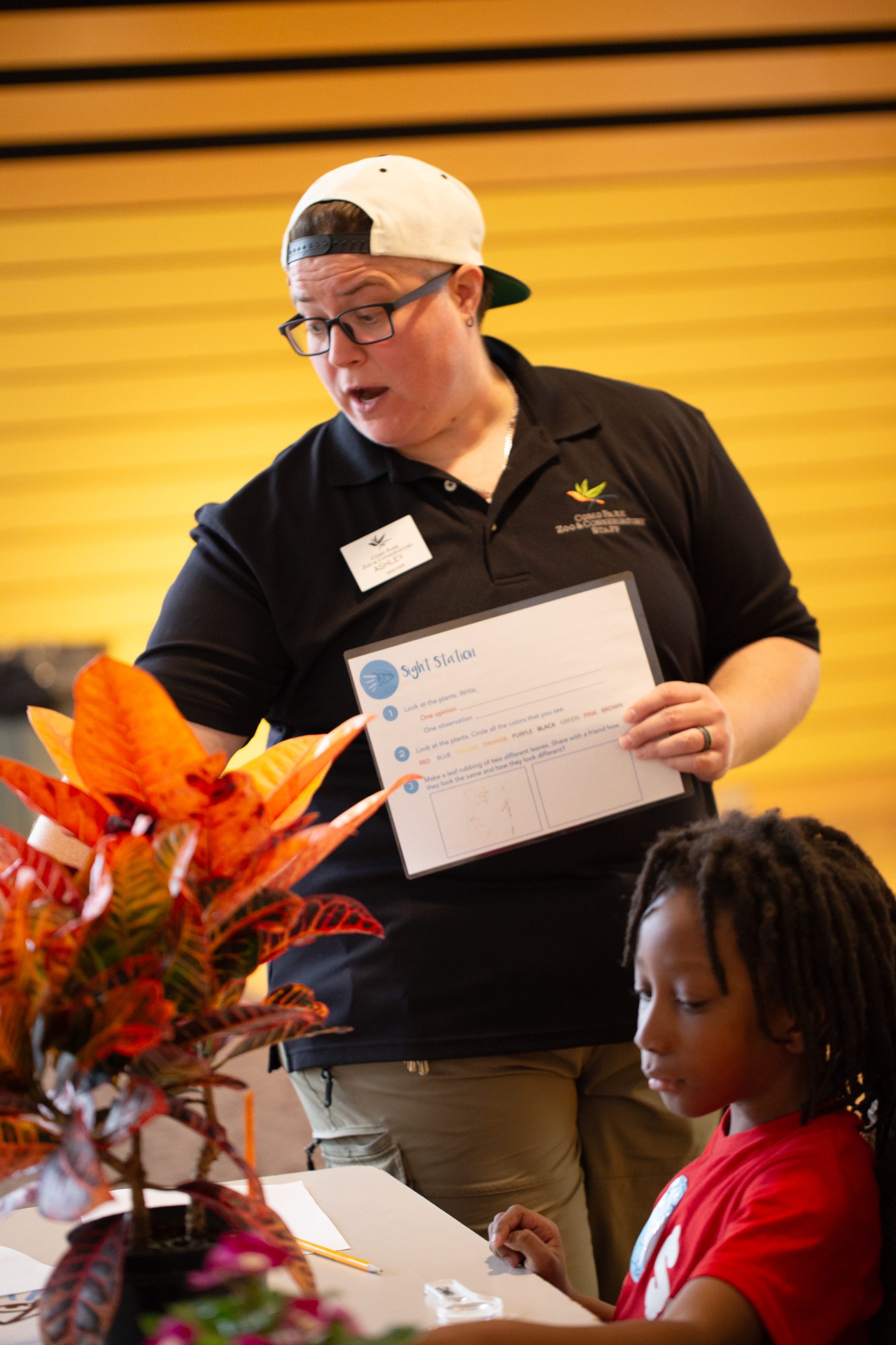
Closer to home, Como is doubling down on its popular second grade field trip partnership with St. Paul Public Schools, funded by Como Friends. For years, the program has made it possible to invite every second grade classroom in the district to Como with free transportation and a free program called “Plant Detectives” that introduces young learners to collecting data, using their senses, and making observations about the natural world. Starting this fall, the program will expand to include St. Paul’s fourth grade classrooms as well, with a new animal-focused curriculum.
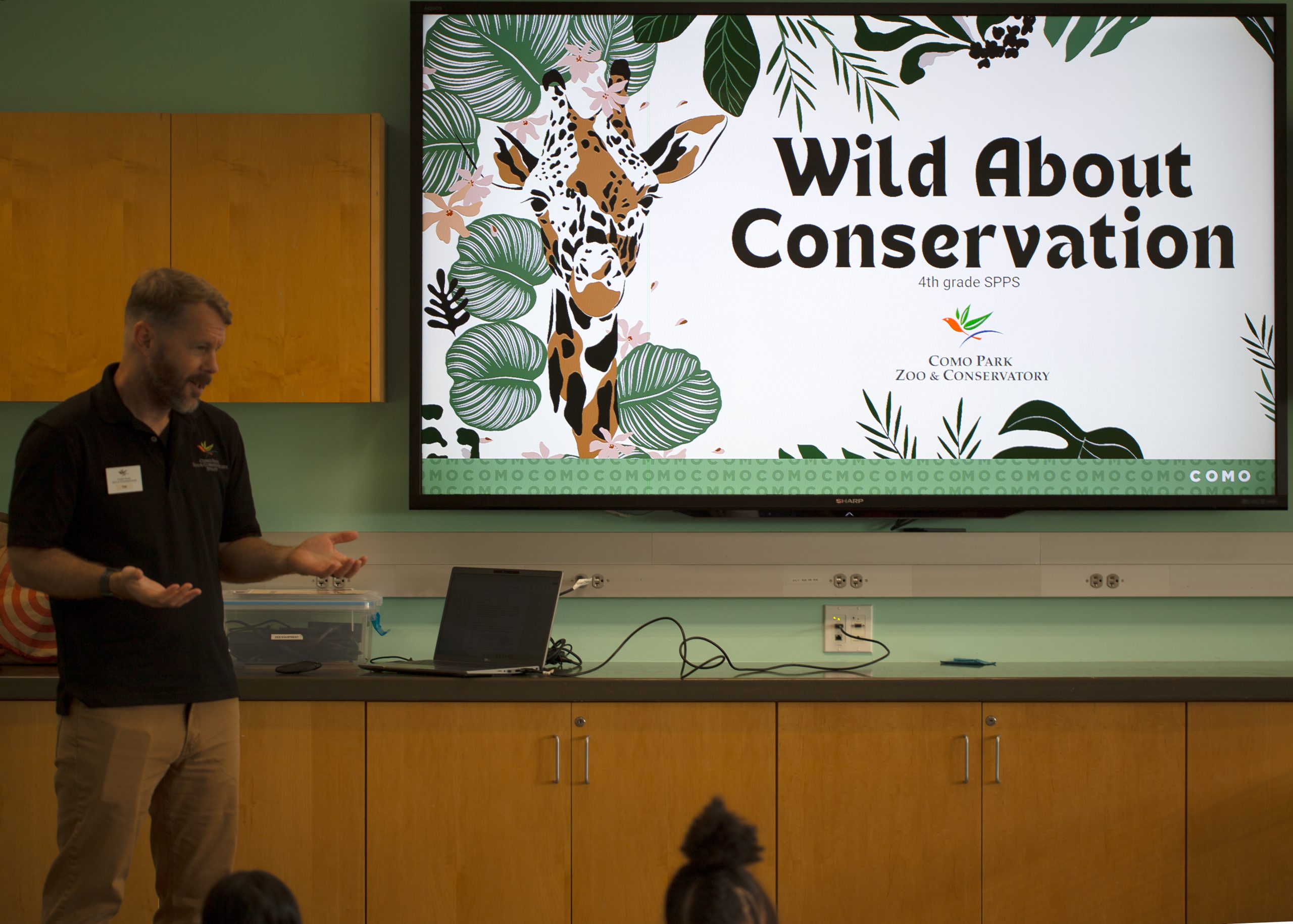
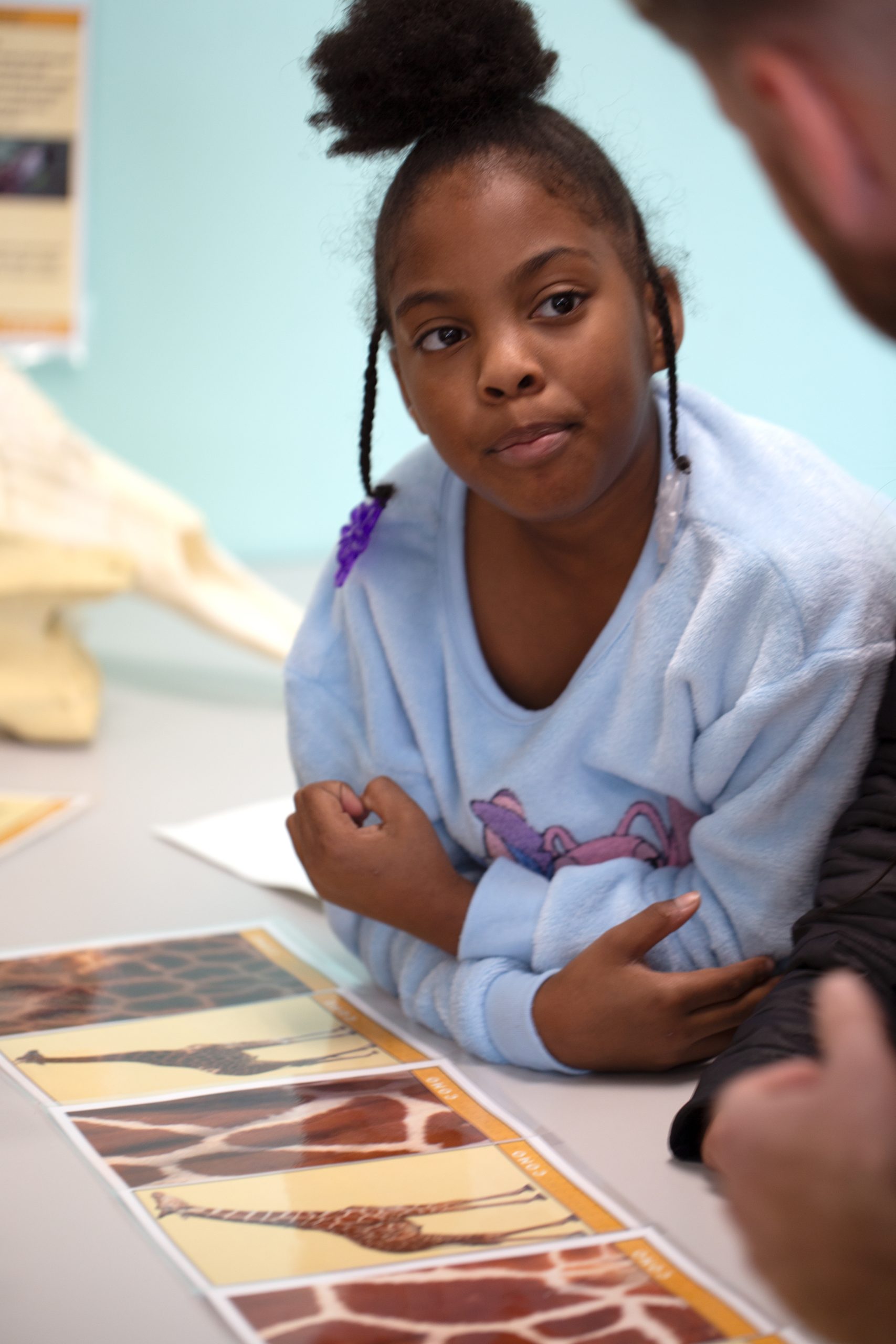
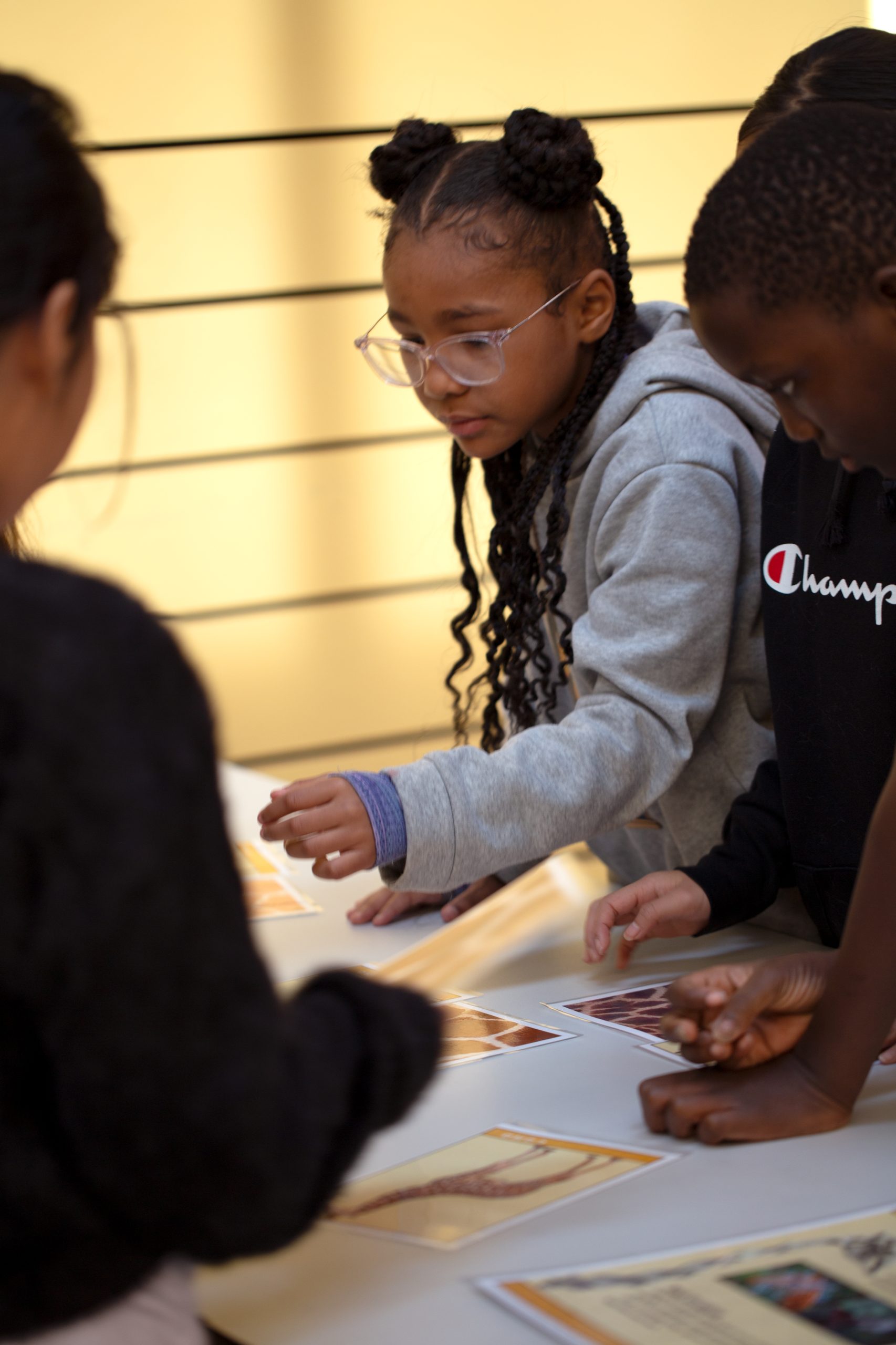
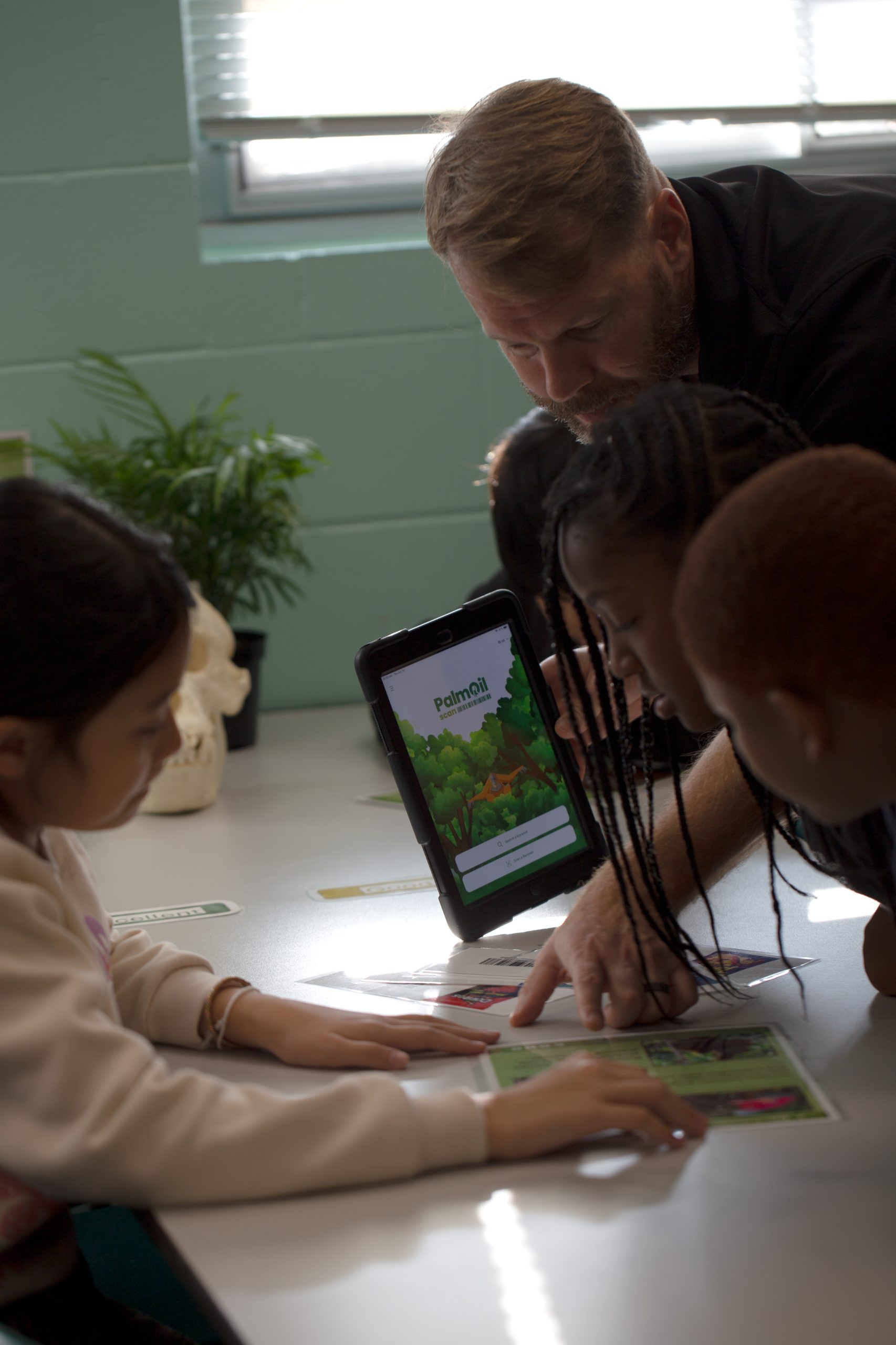
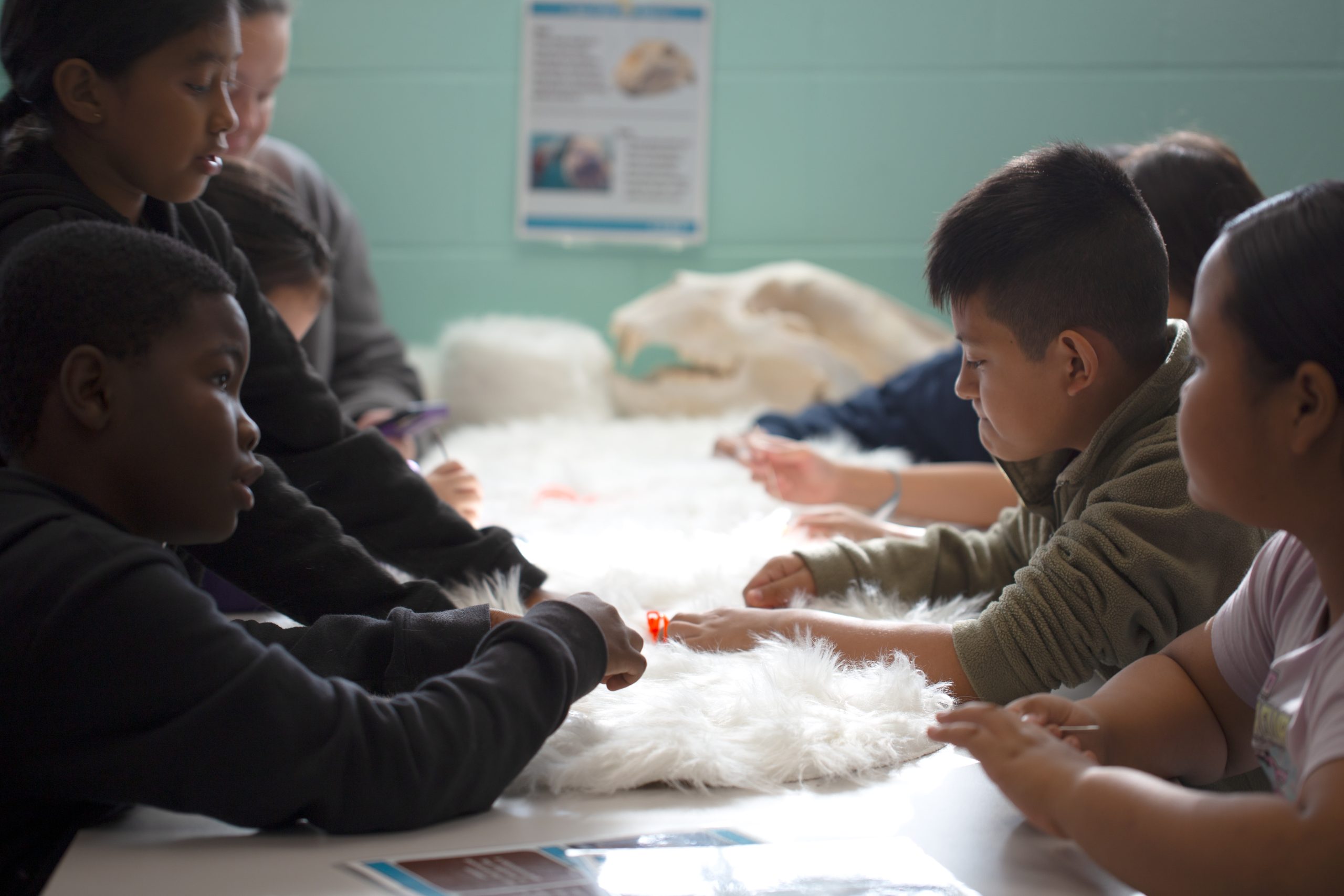
“One of the exciting things about the new fourth grade partnership is that we’ll be highlighting some of our Conservation Champion projects from over the years, showing fourth graders a little bit of the conservation work our own staff has done, and connecting it to the animals that live at Como Zoo,” says Tim Buer, Como’s education coordinator. The station-based class will comprise five conservation themes for fourth graders to explore, through engaging content that highlights first-person experiences like Senior Keeper Jill Erzar’s trips to Africa to support giraffe conservation in the wild and Aquatics Keeper Kelley Dinsmore’s experience rehabilitating injured and orphaned penguins on the coast of South Africa. “We’re using a see, learn, and do model with stations that students can visit, each with a different conservation theme,” Buer says, all while students learn more about the people behind Como’s plants and animals.
While the curriculum is designed to fit the growing needs of fourth grade students, Buer says it’s also meant to teach a critical lesson about Como—that it belongs to the whole community. “Building a sense of ownership and connection at Como is one of our goals, so it’s always been our hope to create a program for older kids,” he says, noting that repeat trips to Como are the key to those relationships. “Return visitors are important at Como, and none are more important than our next generation of St. Paul students.”
Your support for Como Friends is critical to teaching the next generation the value of conservation. Through summer camp scholarships, school group programs, free admission, and more, your generosity makes it possible to introduce more than 700,000 school-age visitors each year to the wonders of nature. Give to the Max for Como Park Zoo & Conservatory! Thanks to generous matching gifts from Como Friends’ Board of Directors and long-time Como Friends supporters Sandy and Dean, every gift you make to Minnesota’s most visited cultural destination will be doubled, dollar for dollar, up to $52,500. Thank you!
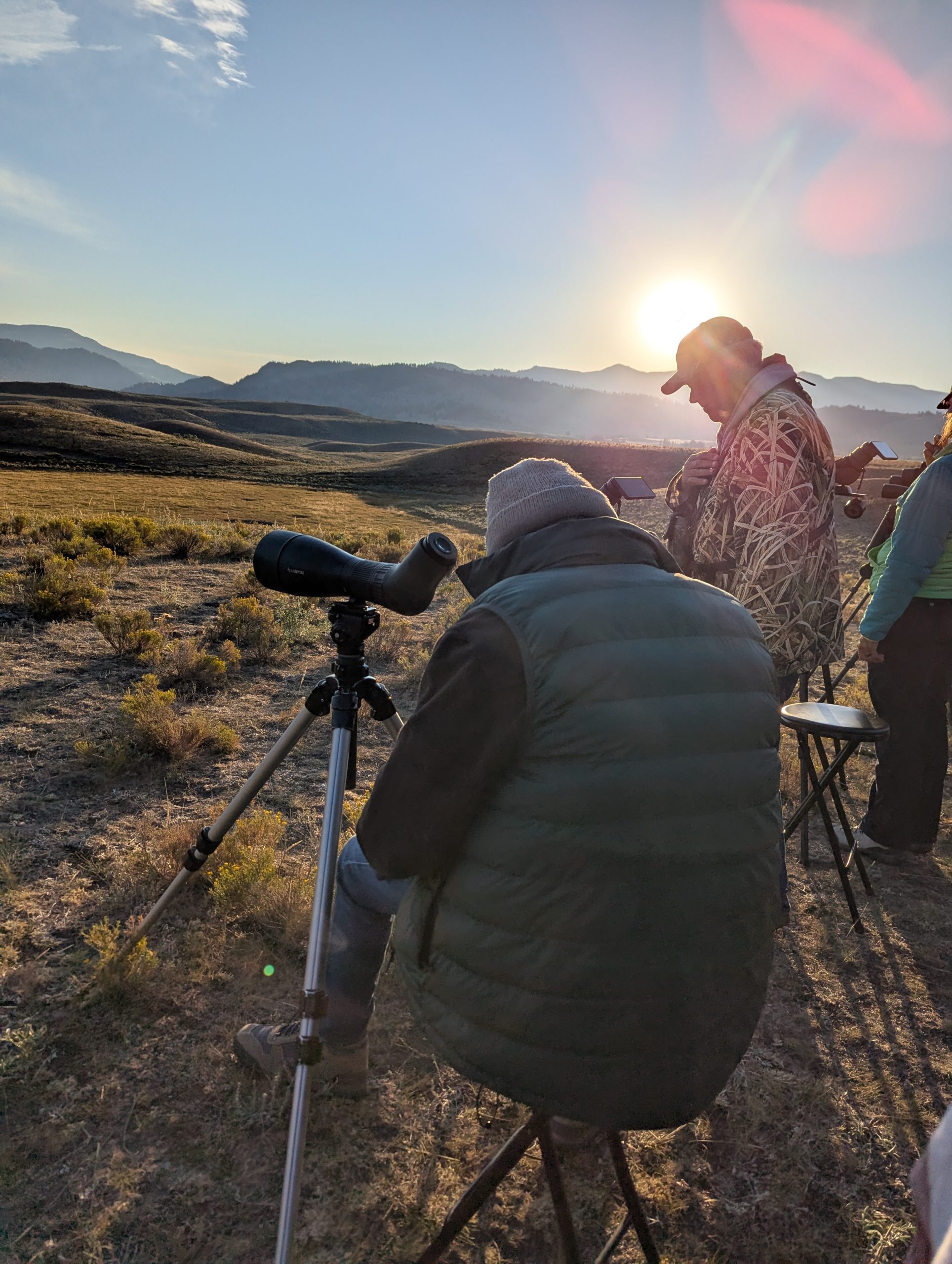
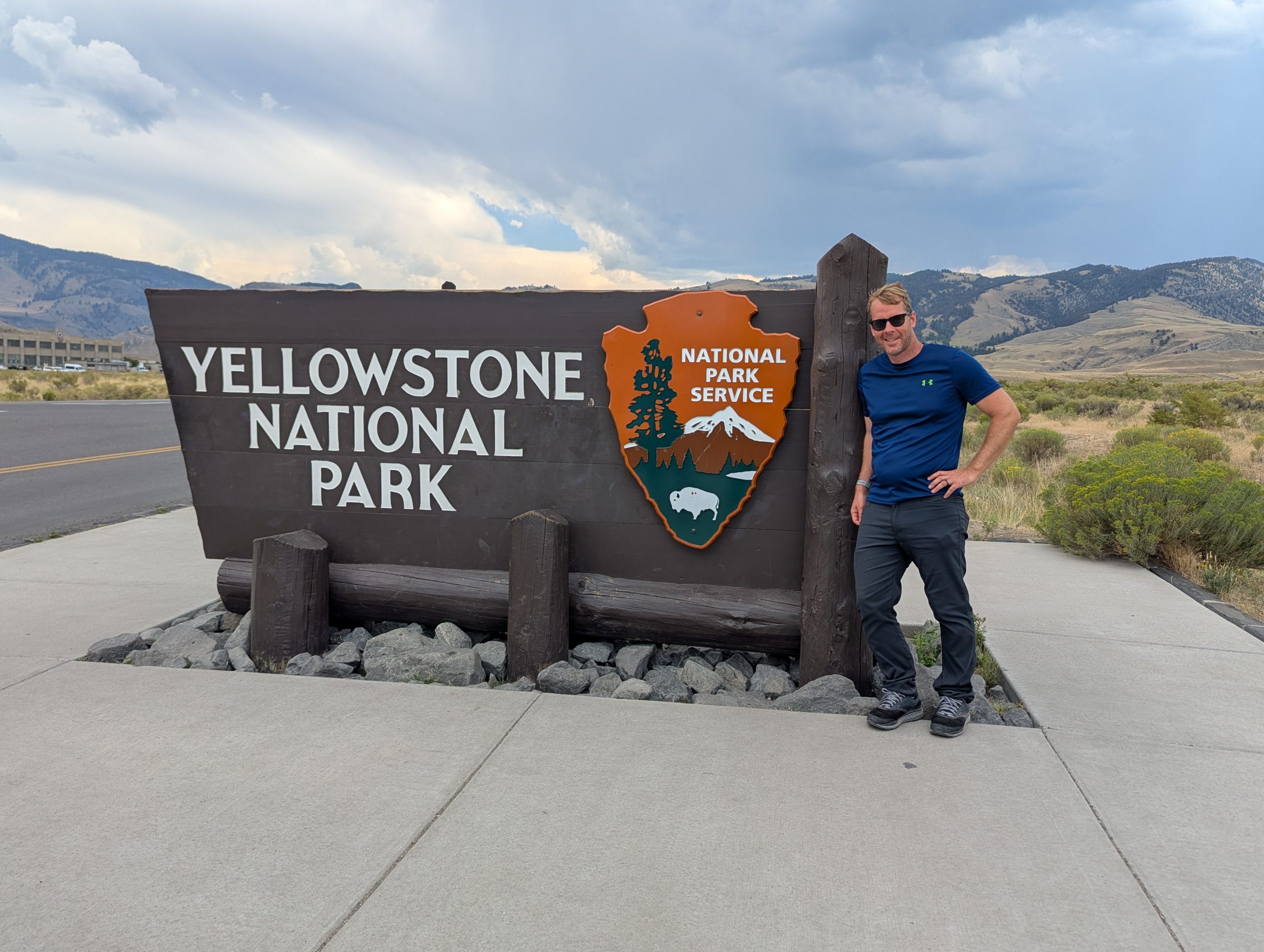
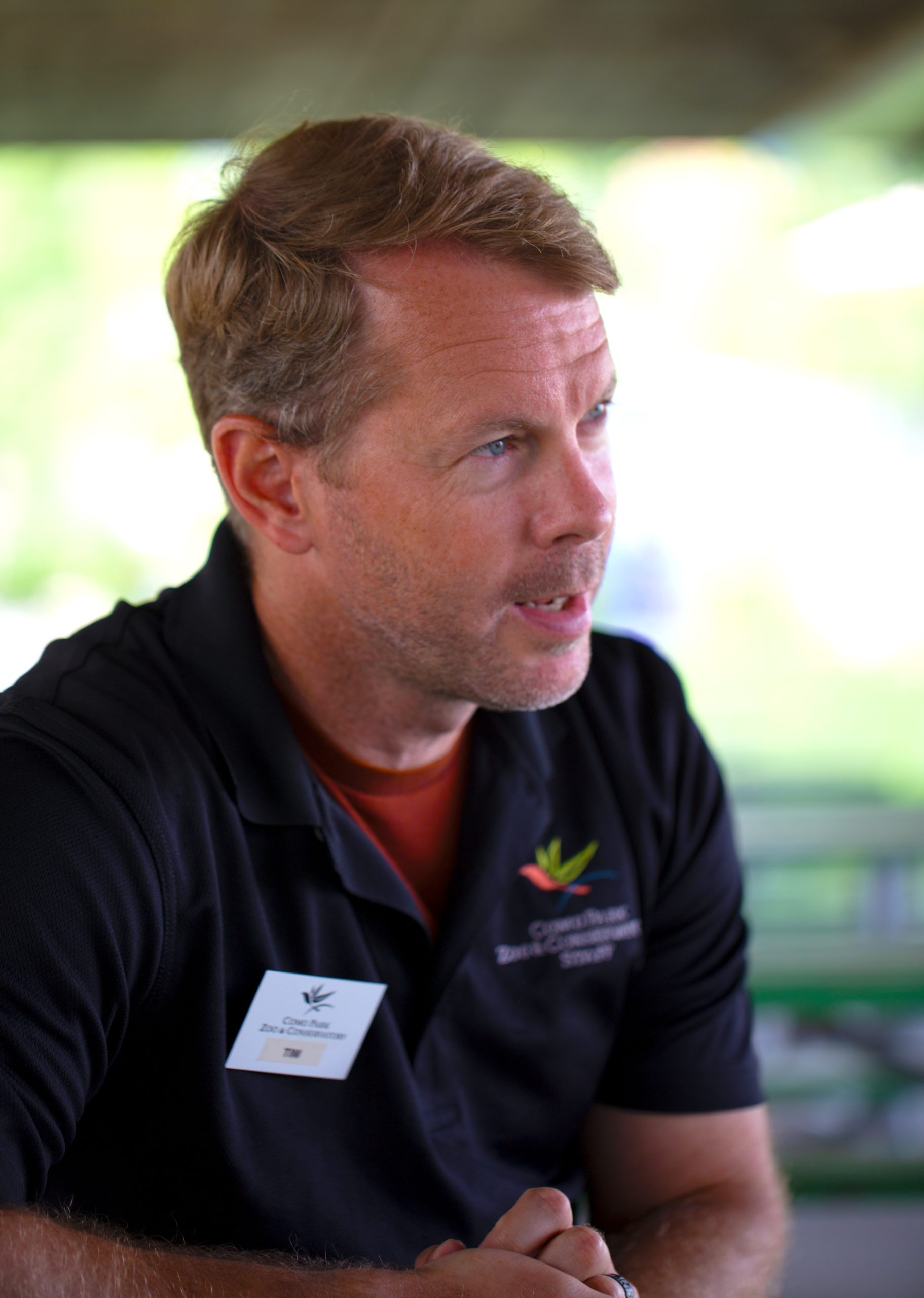
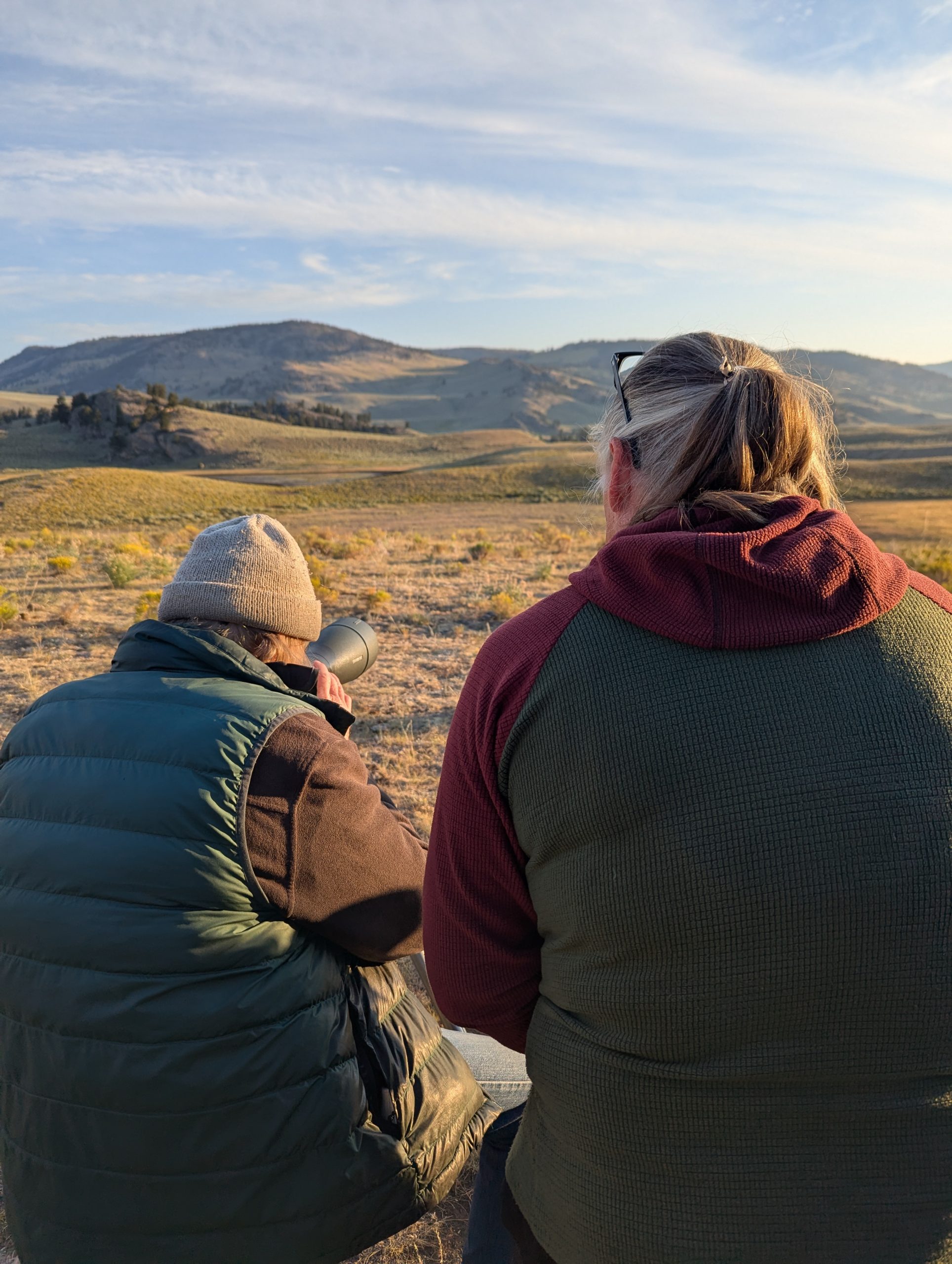
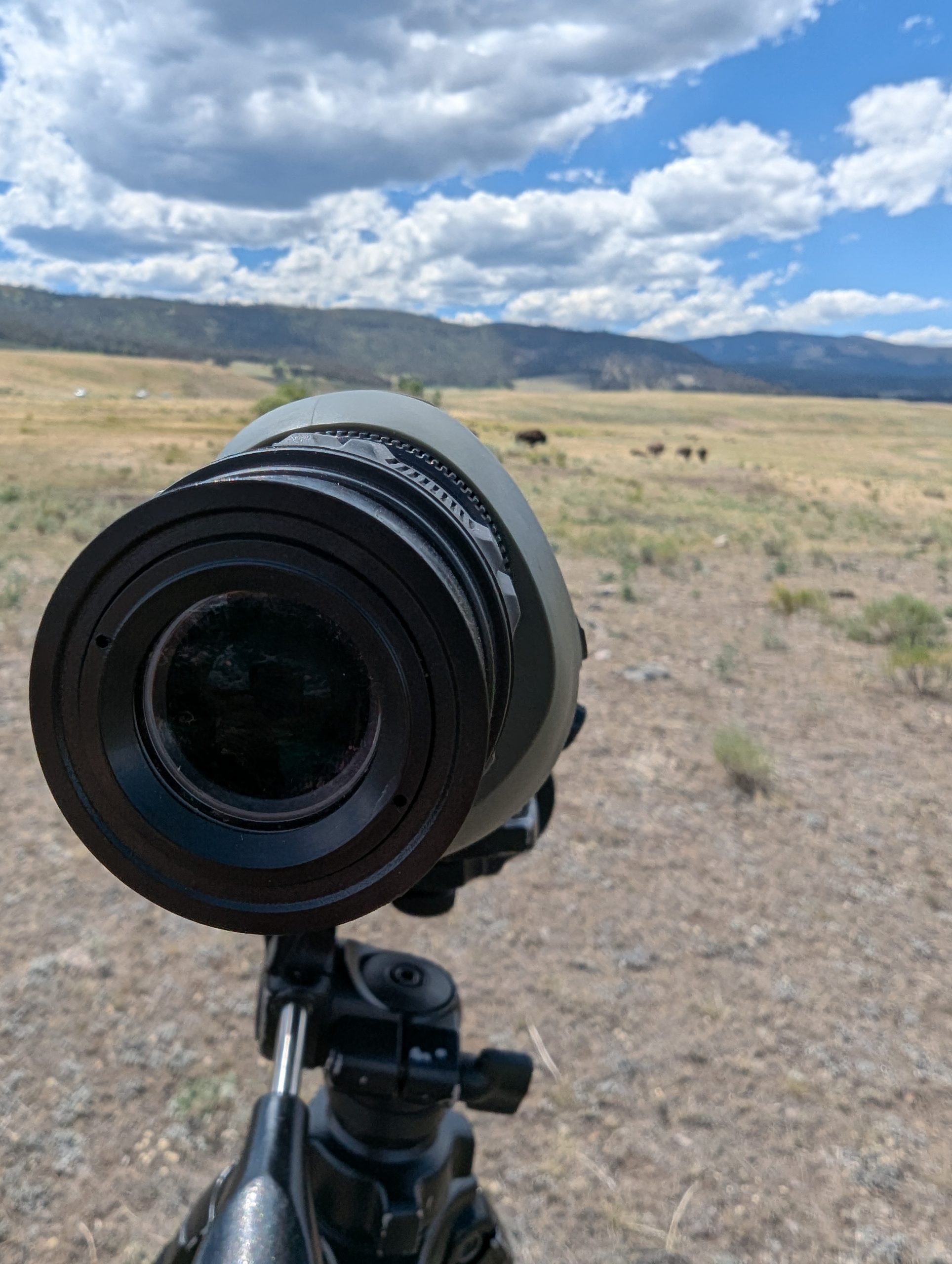
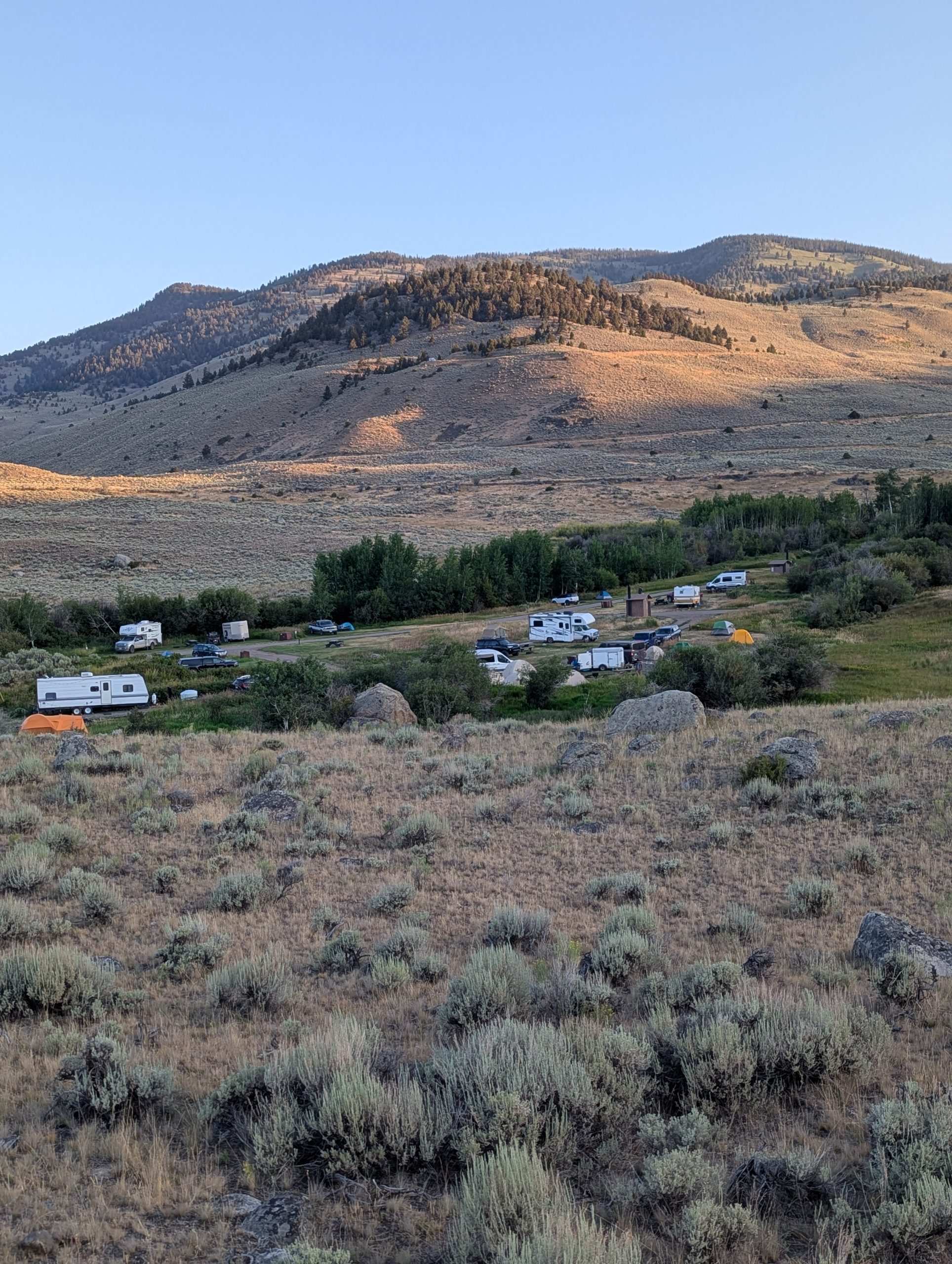
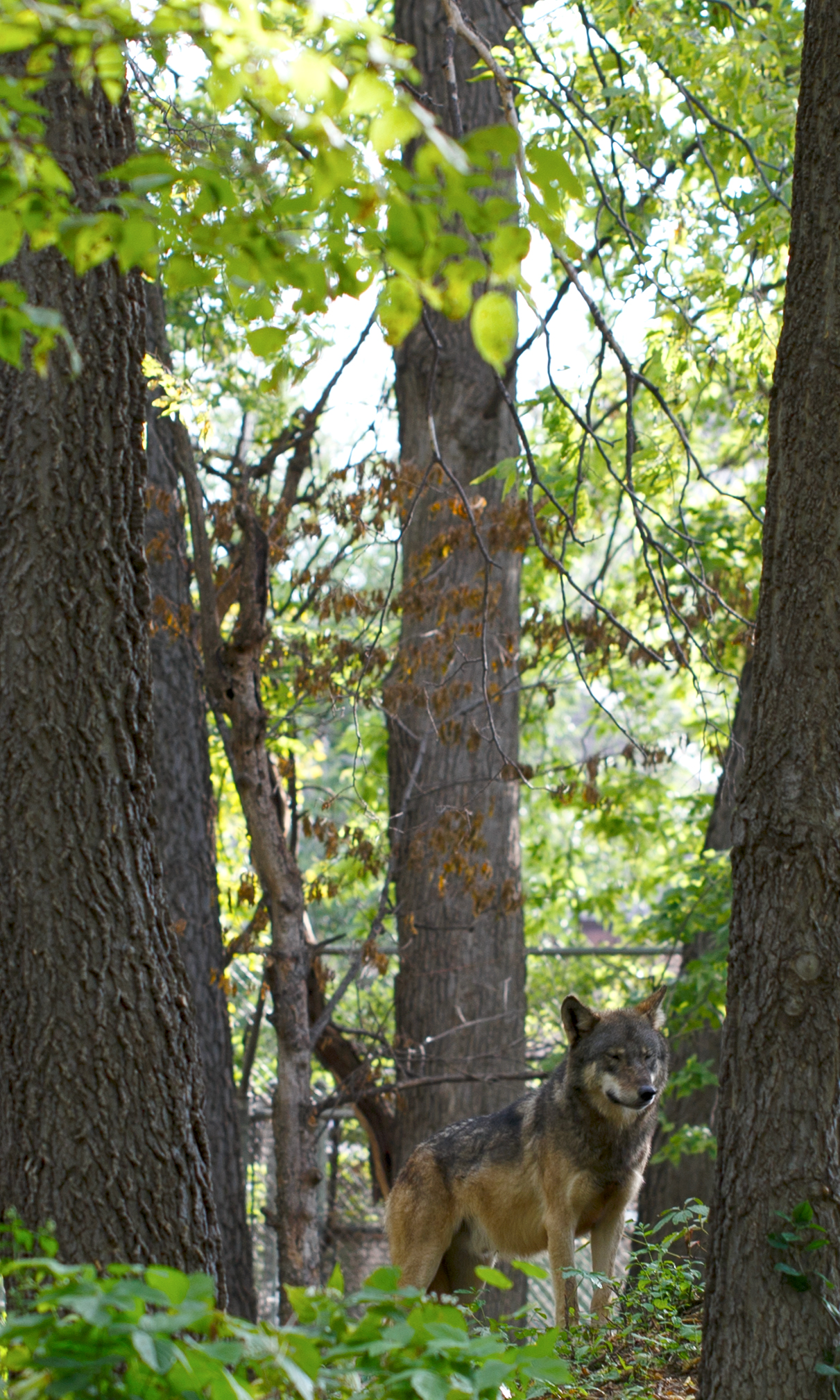
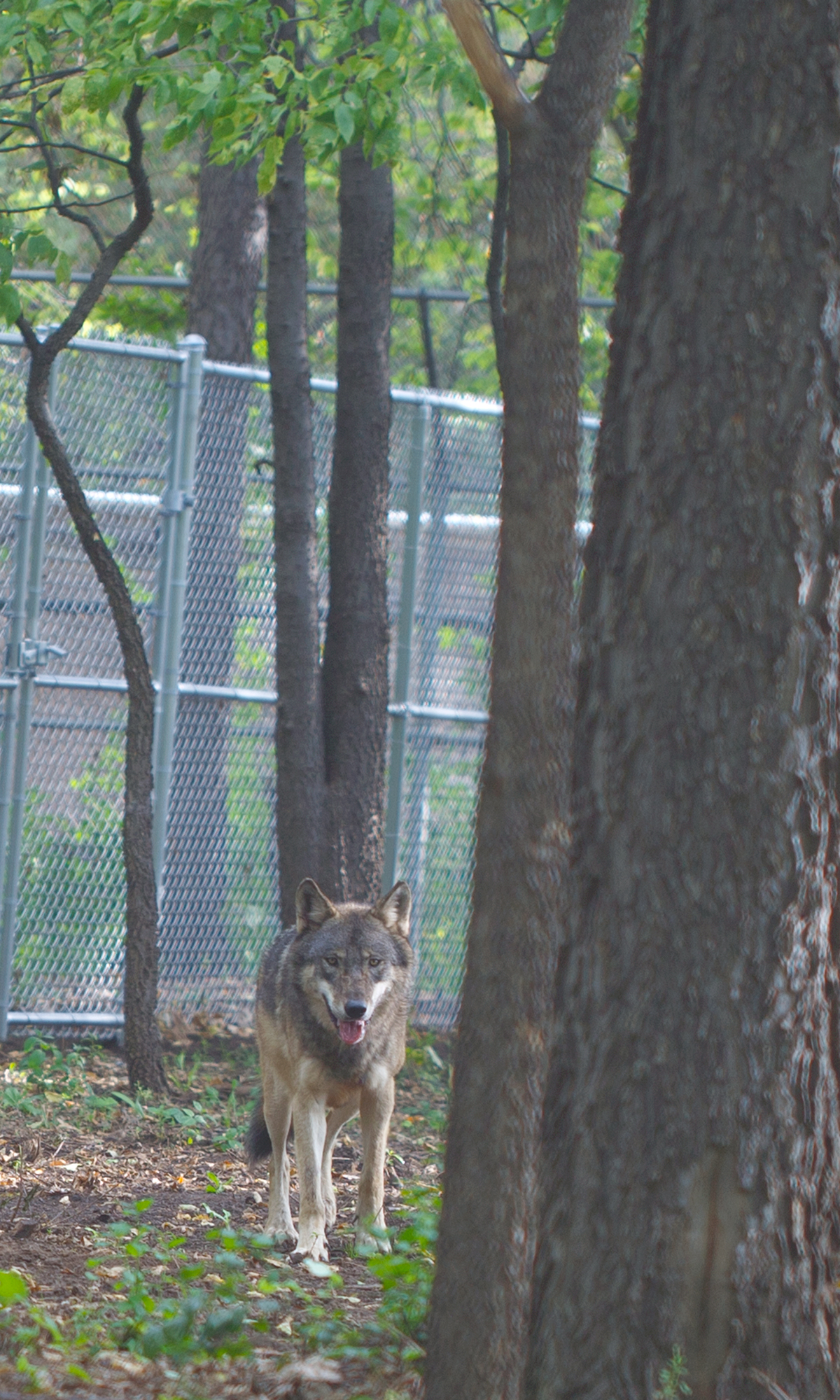
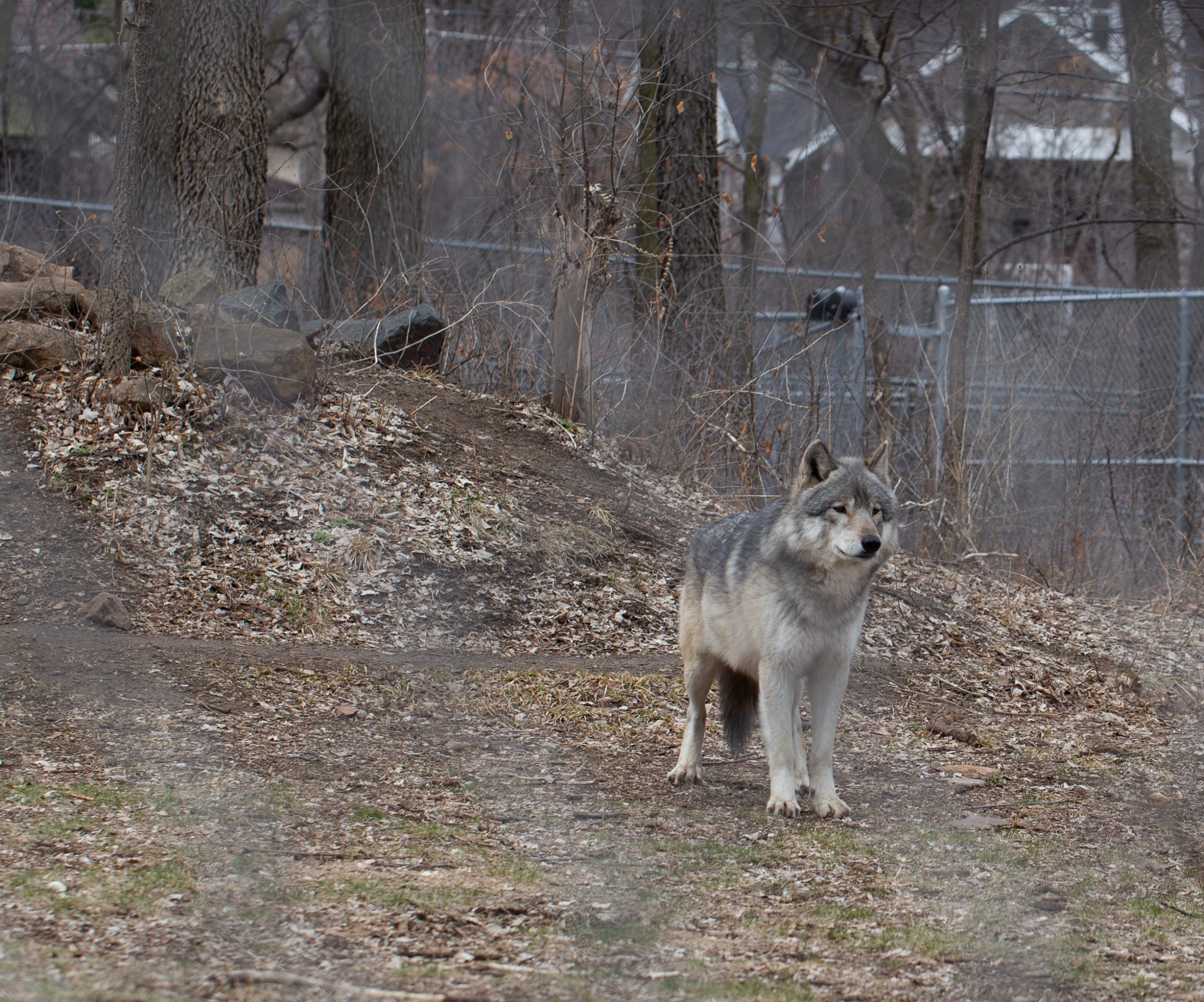
As Como’s education coordinator, Tim Buer is very well acquainted with Como Zoo’s resident wolves, Nicky and Cerberus. But on a recent trip to Yellowstone National Park, Buer developed a whole new appreciation for the species, even while observing them through a scope from nearly a mile away.
“We’re lucky to have a pretty stable wolf population in Minnesota, but seeing them in the wild in Yellowstone, where they’ve made a successful return, was just really exciting,” he says.
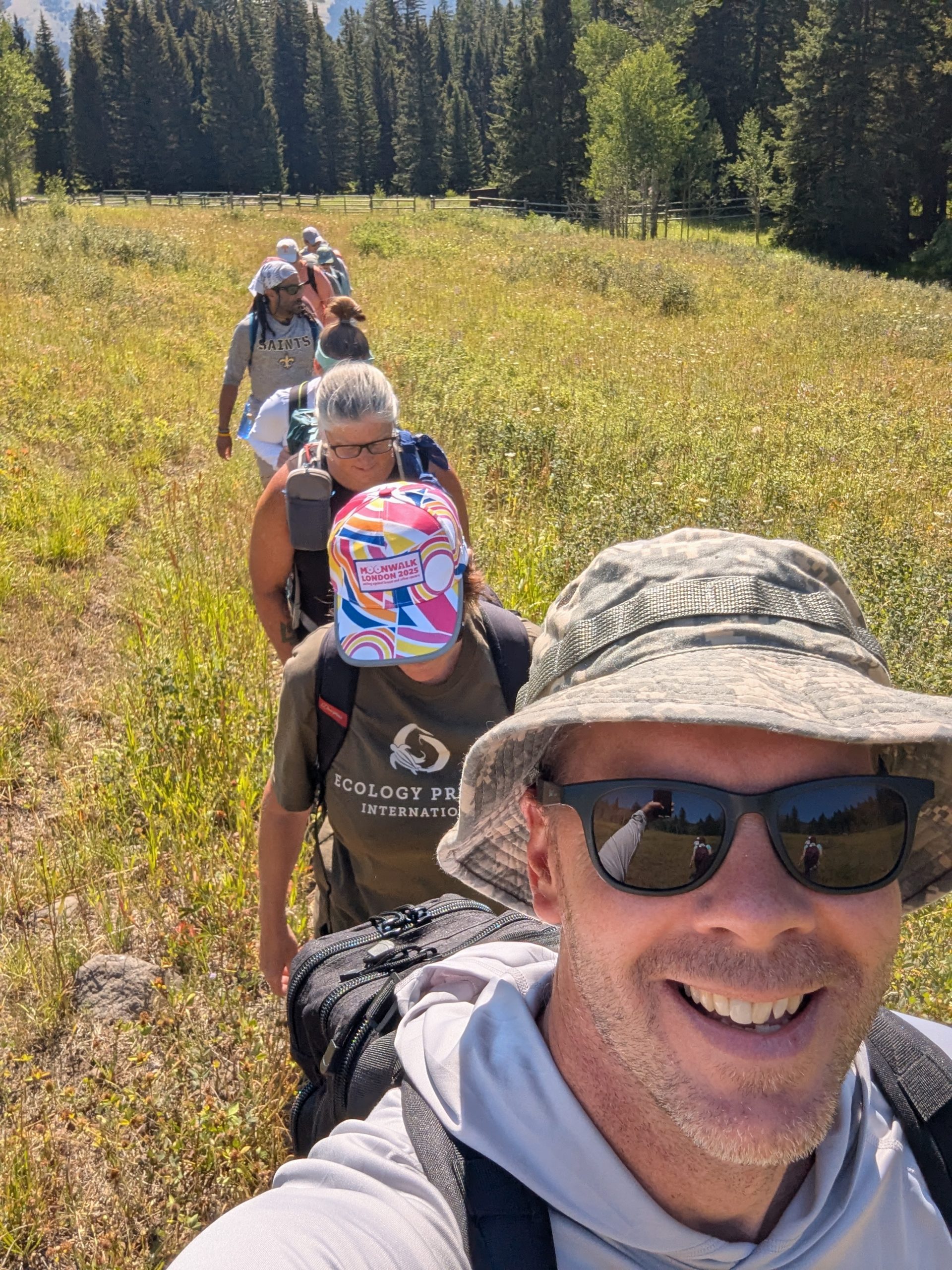
Rising before dawn to watch as some of Yellowstone’s wolves started their day was one of the highlights of a week-long professional development trip made possible by Como Friends’ Conservation Champions program. With help from the competitive microgrant program, Buer was able to join a cohort of 13 other educators from around the country in an immersive conservation experience led by Ecology Project International, a nonprofit that brings students and scientists together on field research projects around the world. Sleeping in tents in and around Yellowstone’s Northern Range, the group collected a range of data to support scientists in the field, from gathering fecal samples from the Lamar Valley’s roaming herds of bison, to observing wild wolf behavior alongside Rick McIntyre, a retired park ranger who’s become a world-renowned wolf conservation expert.
“That was probably the highlight of the whole trip for me, learning from a researcher who’s been in Yellowstone for the duration and who could talk about what the reintroduction of wolves has meant,” Buer says. “For me, one of the most interesting things was hearing how much the loss of wolves a generation ago affected everything in the ecosystem, driving up the elk population, that would then chew down all of the aspen trees. Now with only about a hundred wolves in the park, it’s helped to bring elk back to their normal capacity, and made everything more stable. After eight decades of decline, aspen trees are flourishing again, thanks to wolves keeping elk herds over grazing in check. Their return has reshaped the landscape, showing how one species can restore balance to an entire ecosystem.
“Another fascinating thing we learned was the positive economic impact that those wolves have,” he continues. “It’s estimated that one wolf brings in about $82 million in revenue for the park each year.”
Facts like these are very likely to find their way into Como’s conservation education curriculum, including the new Fourth Grade Field Trip partnership launching later this fall. Following the success of Como’s long-running Second Grade Field Trip program with the St. Paul Public School District, this new offering highlights a series of Conservation Champions projects from over the years, Buer says, showing fourth graders a little bit of the conservation work our own staff has done, and connecting it to the animals that live at Como Zoo.”
The station-based class highlights first-person experiences like senior keeper Jill Erzar’s trips to Africa to support giraffe conservation in the wild and aquatics keeper Kelley Dinsmore’s experience rehabilitating injured and orphaned penguins on the coast of South Africa. “We’re using a see, learn, and do model with stations that students can visit, each with a different conservation theme,” Buer says, all while students learn more about the people behind Como’s plants and animals.
While Buer is still unpacking everything he learned about the extraordinary animals of Yellowstone, he says he looks forward to working some of his experiences and discoveries into Como’s conservation curriculum in the months ahead.
“Yellowstone has a very storied history, and there’s a lot that’s known about it, but also a lot that people probably don’t know about it,” he says. “I really look forward to sharing some of these conservation stories with our students.”
Como’s teen Nature Walk volunteers make conservation look cool
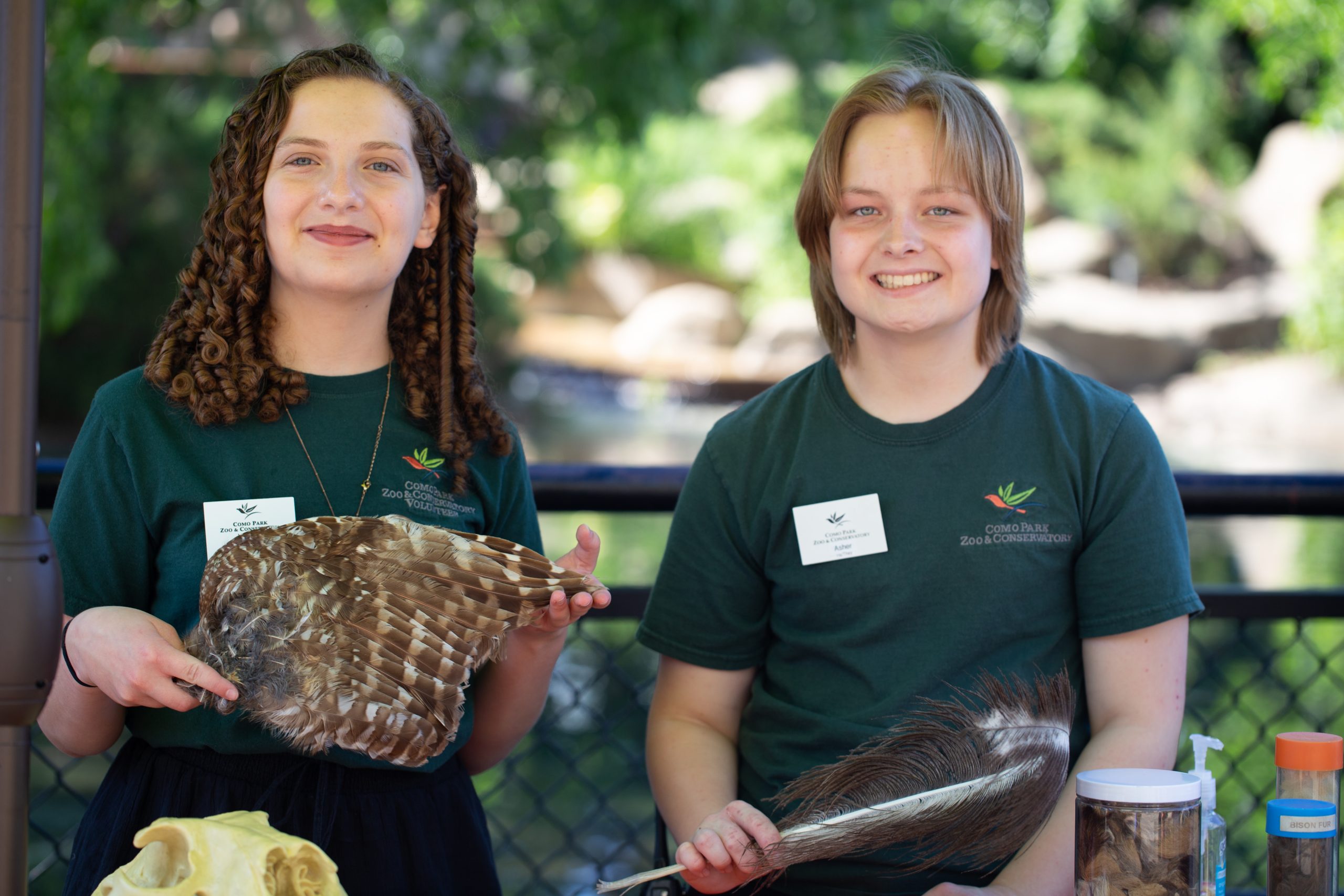
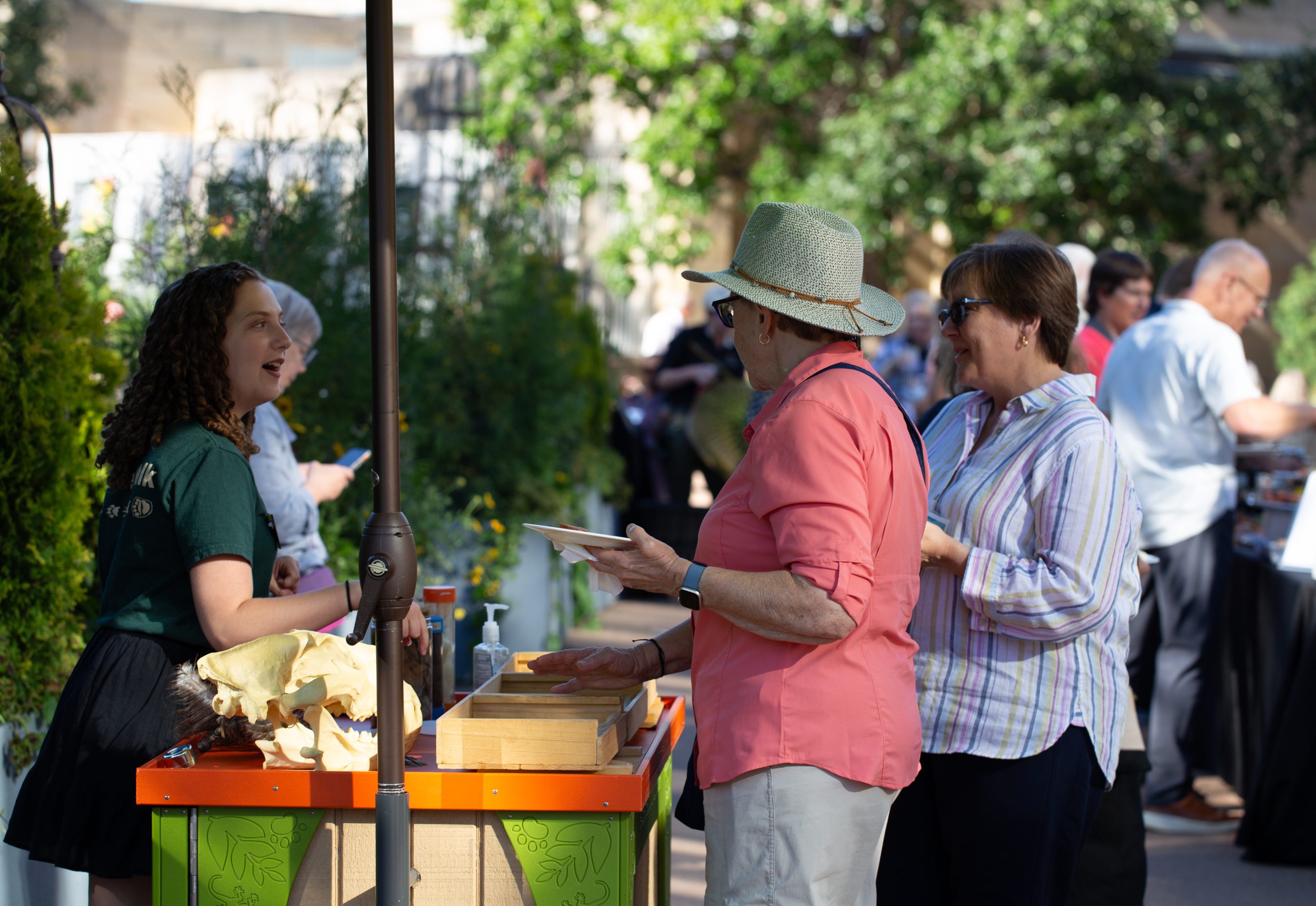
Once again, the Nature Walk station focused on climate adaptations proved the most popular, setting a new record for interactions with more than 325 visitors in just a few hours.
When it comes to teaching young visitors about the value of conservation, Como’s teen Nature Walk volunteers don’t even try to look cool. For years, this selective teen volunteer program has attracted adolescents who are passionate about plants and animals, and who don’t try to hide it.
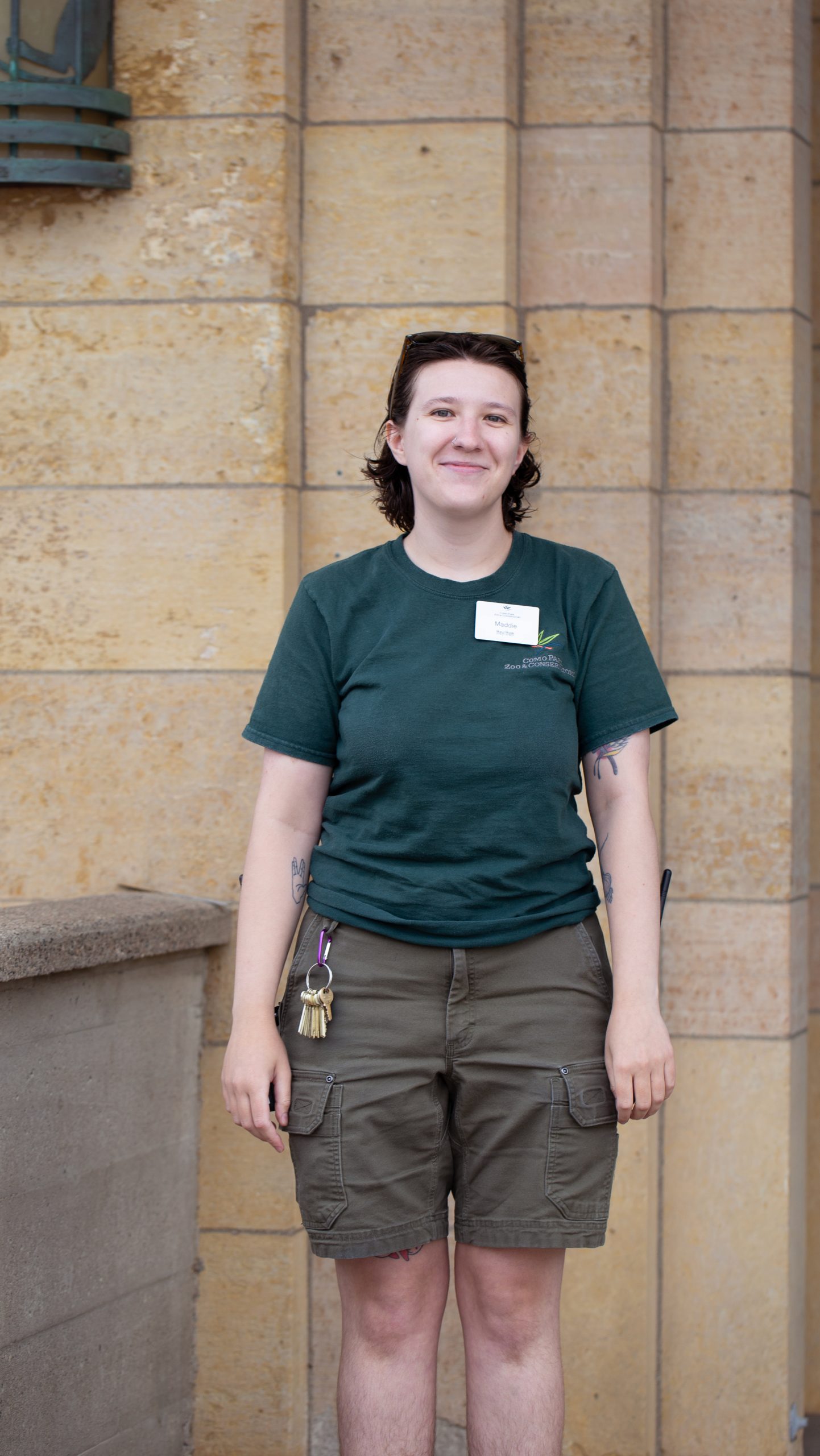
“It’s a program that’s always attracted nature nerds, and teenagers who are really engaged by the environment, and happy to share what they’ve learned,” says Maddie Becker, Nature Walk Assistant. “In the larger culture, we sometimes tell older kids that enthusiasm is weird, but in this program, it’s what makes these teenagers so effective. Seeing older kids be excited about nature teaches younger visitors that it’s okay to be excited, too.”
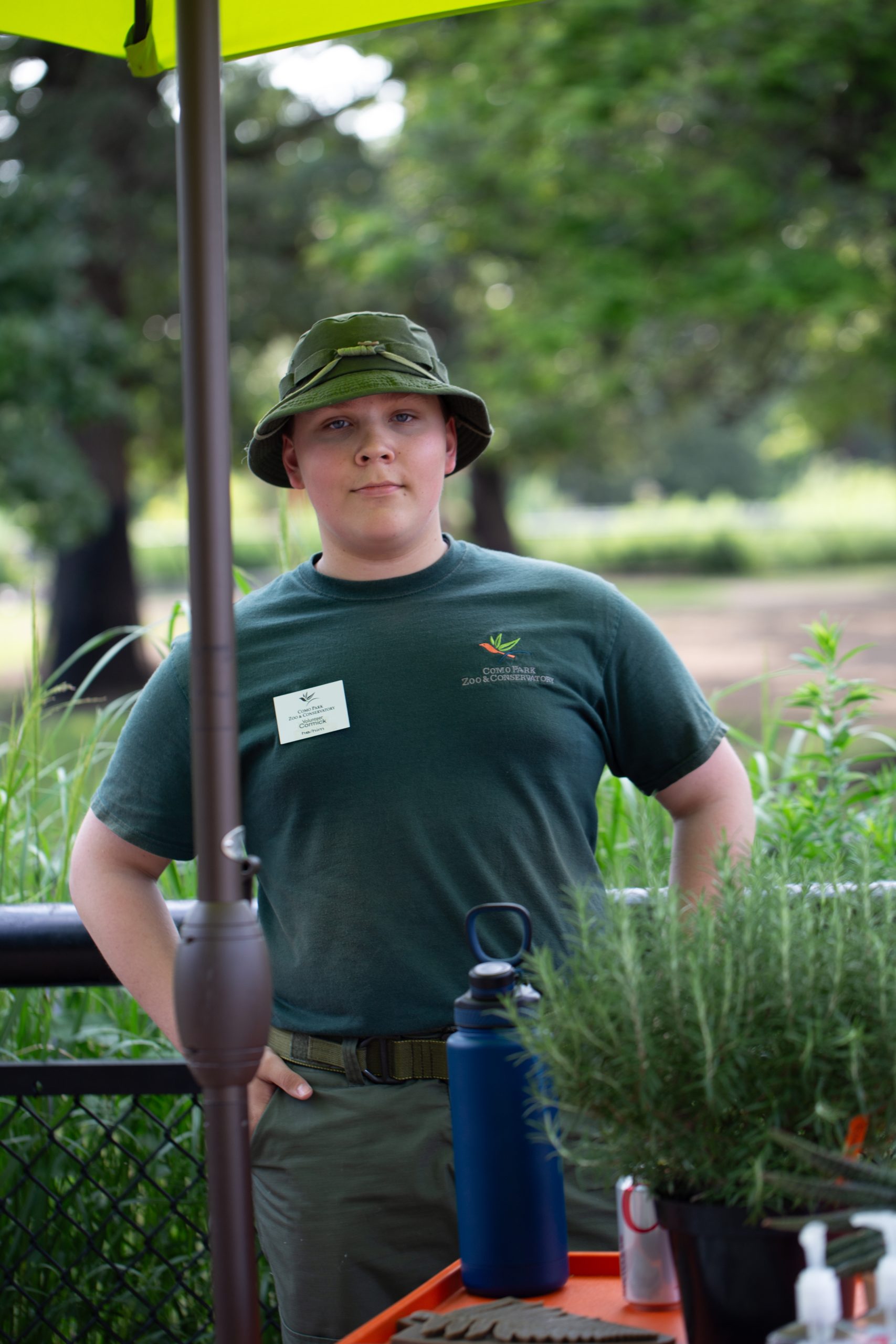
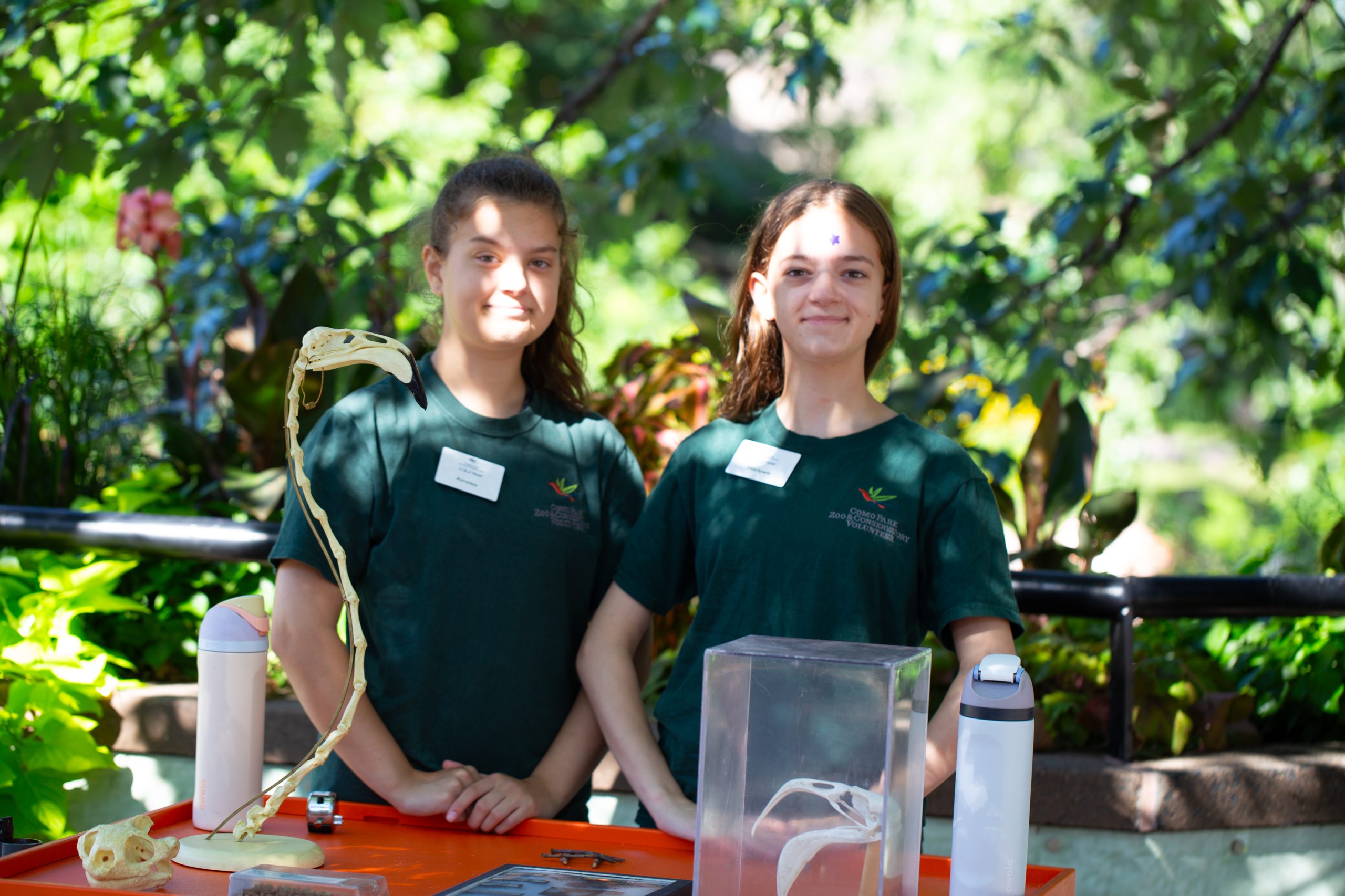
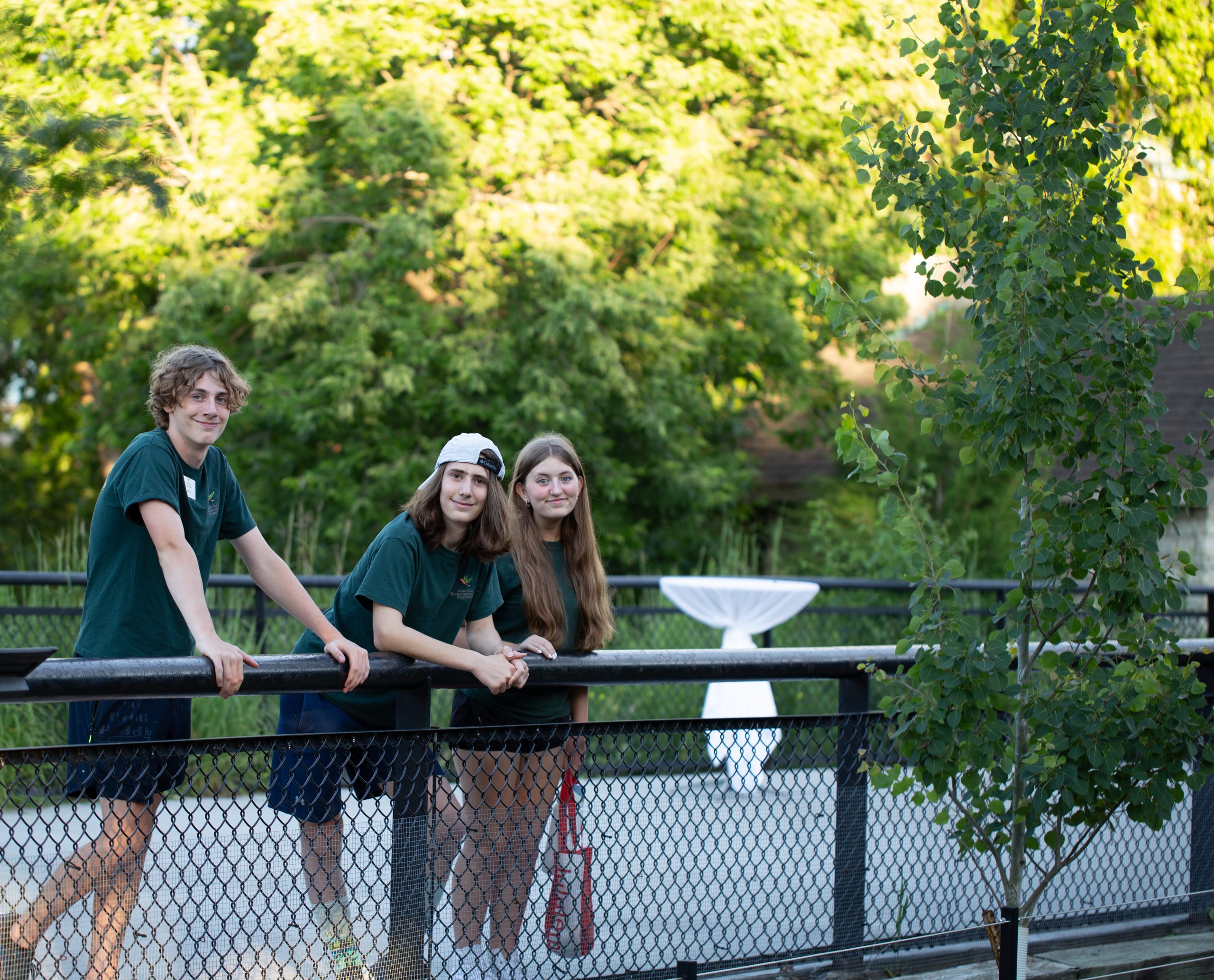
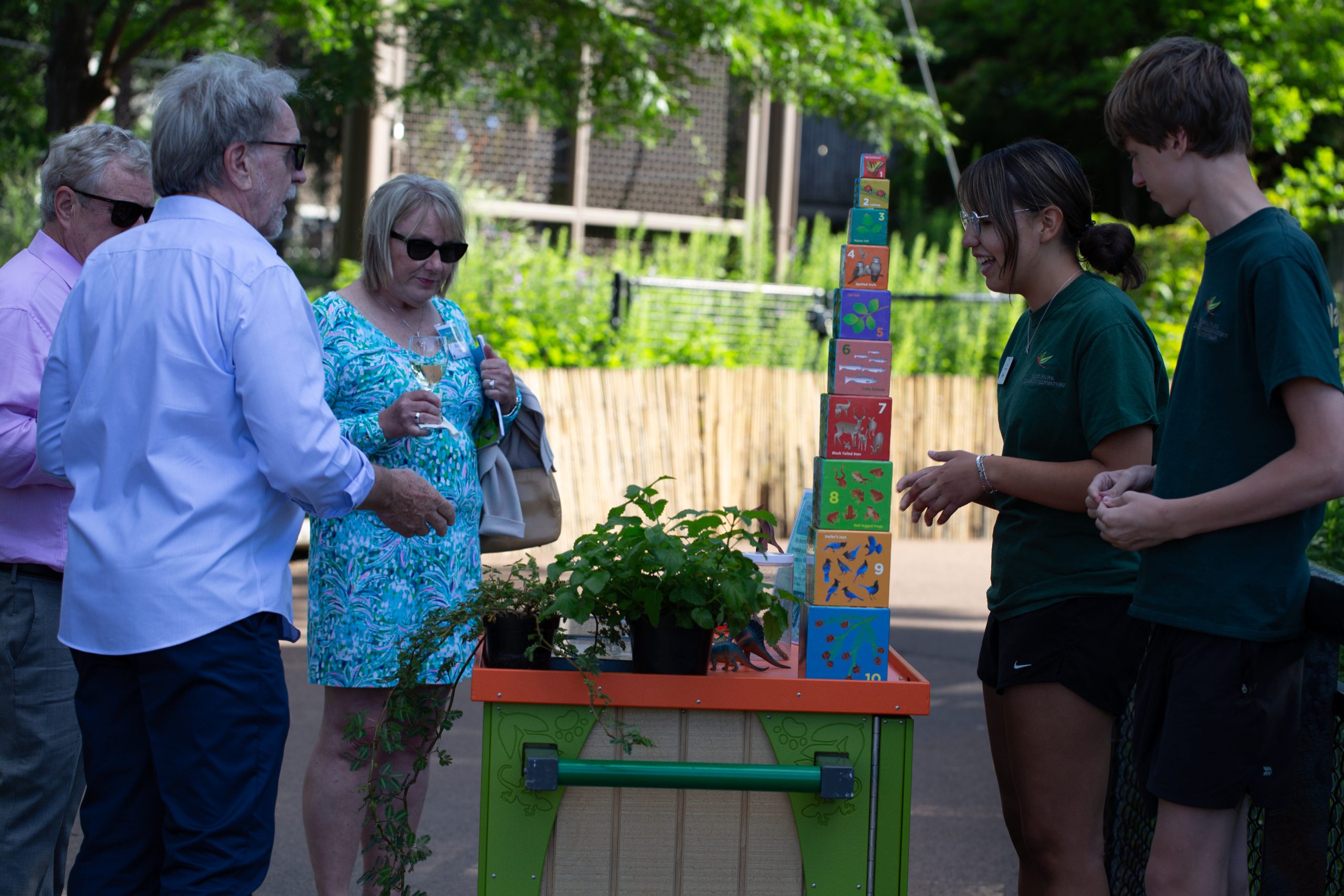
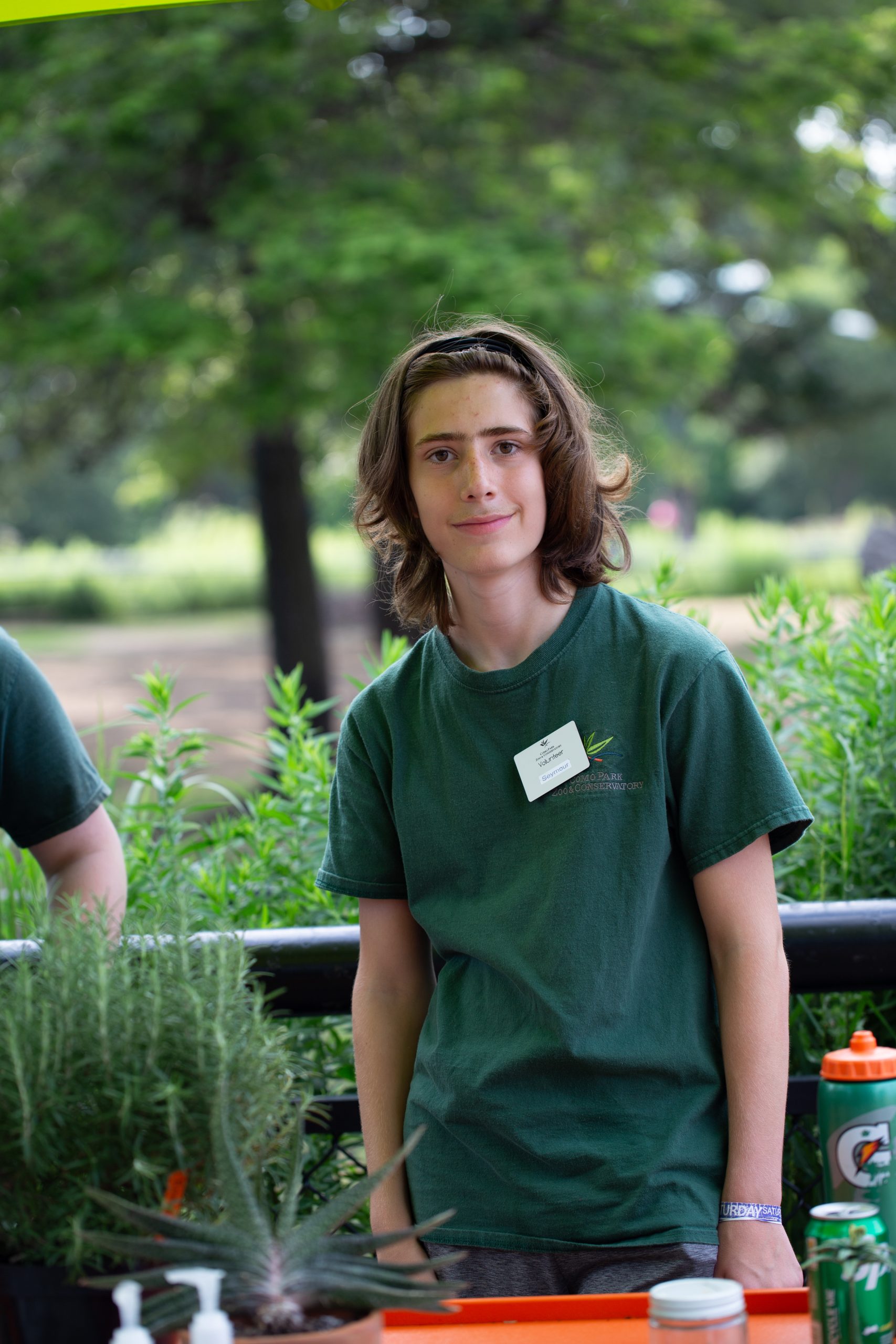
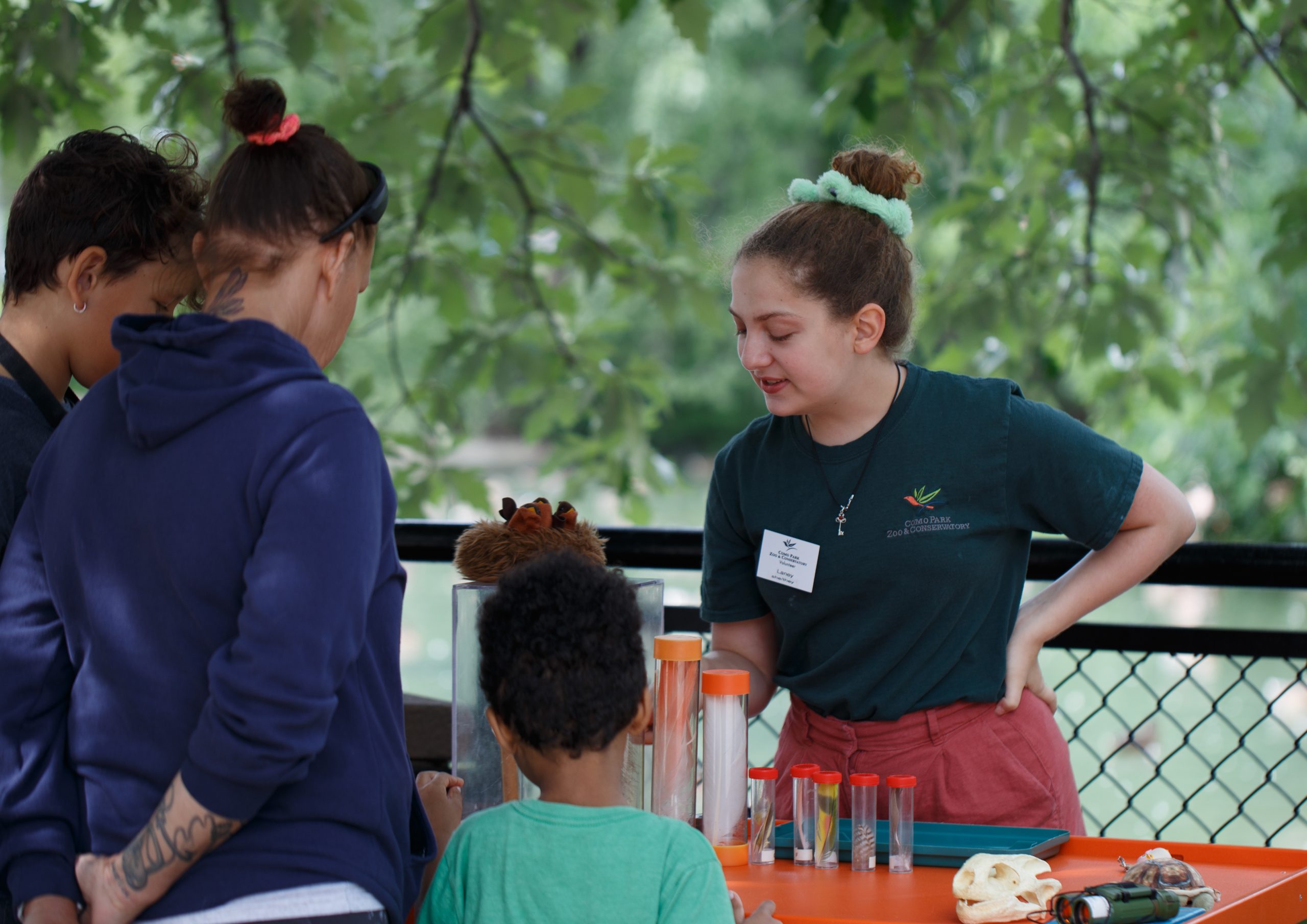
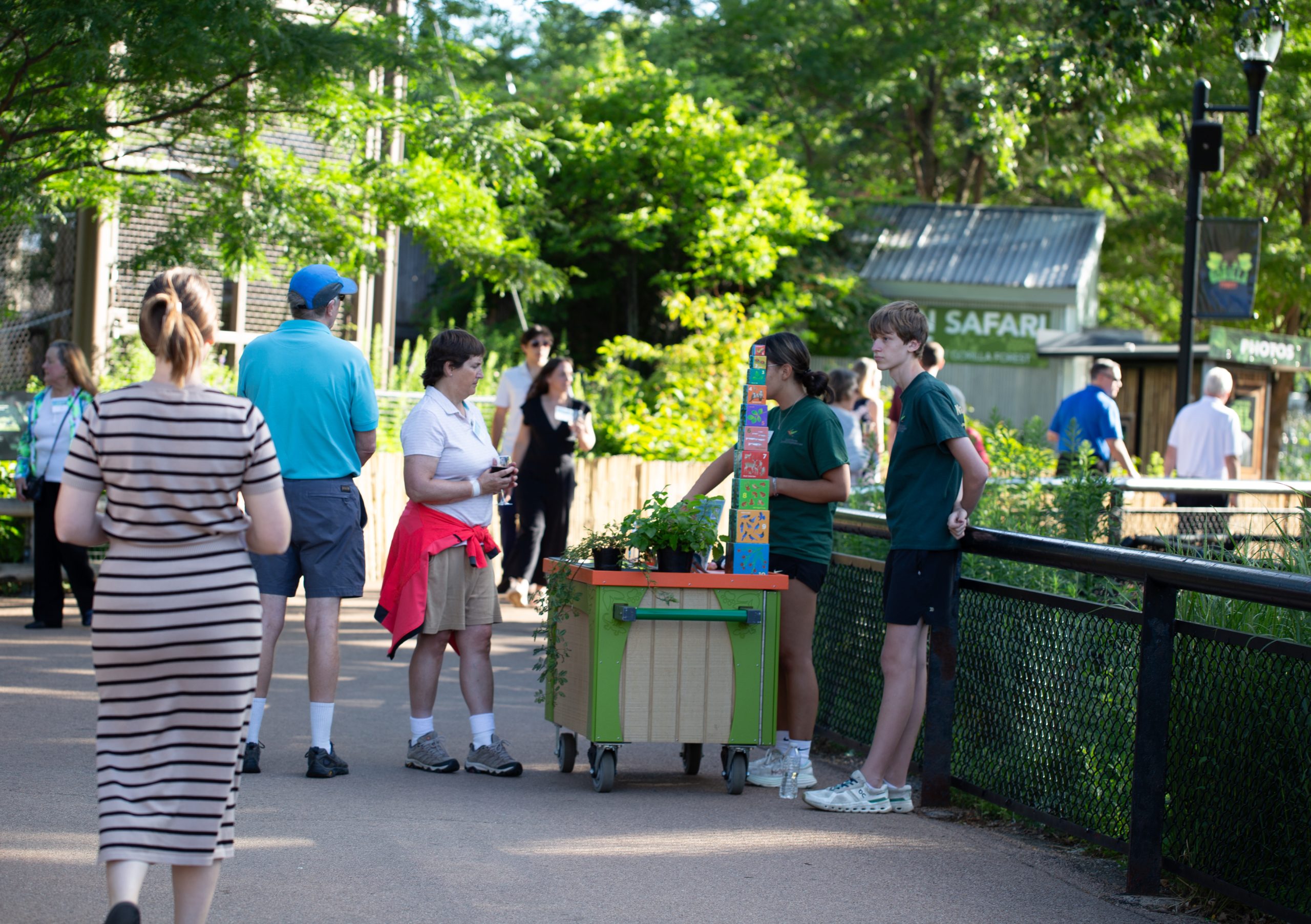
Nature Walk just concluded its 2025 summer season, recruiting 45 conservation-minded teens between the ages of 13 and 17, and teaching them how to share and interpret what they’ve learned about Como’s plants and animals at interactive stations around campus. This year, Nature Walk volunteers helped to bring Como a little closer to about 150,000 visitors who spent time learning at one of several stations arrayed around Como Park Zoo & Conservatory Tuesdays, Wednesdays, and Thursdays. While younger kids are the target audience for the conservation role-modeling program, Becker reports that older visitors are also big fans of their infectious enthusiasm, engaging materials, and touchable bio-facts, updated with recent grants from Como Friends.
As part of the program, Nature Walk volunteers receive training about how to engage visitors of different ages, tips for handling the challenges that can come up on Como’s busy campus, and coaching about career paths ahead in conservation. But Becker says they don’t need much additional prodding to start connecting with Como visitors during the busy summer months.
“We’re giving them the space to demonstrate competency, which is so important for teenagers who can often feel overlooked, or like no one is listening to them,” Becker says. “This year, we’ve really tried to open things up more to their ideas and their suggestions, which are always so valuable. They’re so capable, and so good at connecting.”
Know a kid who’d be a great nerd for nature? Check out Como’s call for Nature Walk applications, which comes out again February 2026.
Como’s redesigned Residency Program is bringing the power of plants and animals to third graders across the state
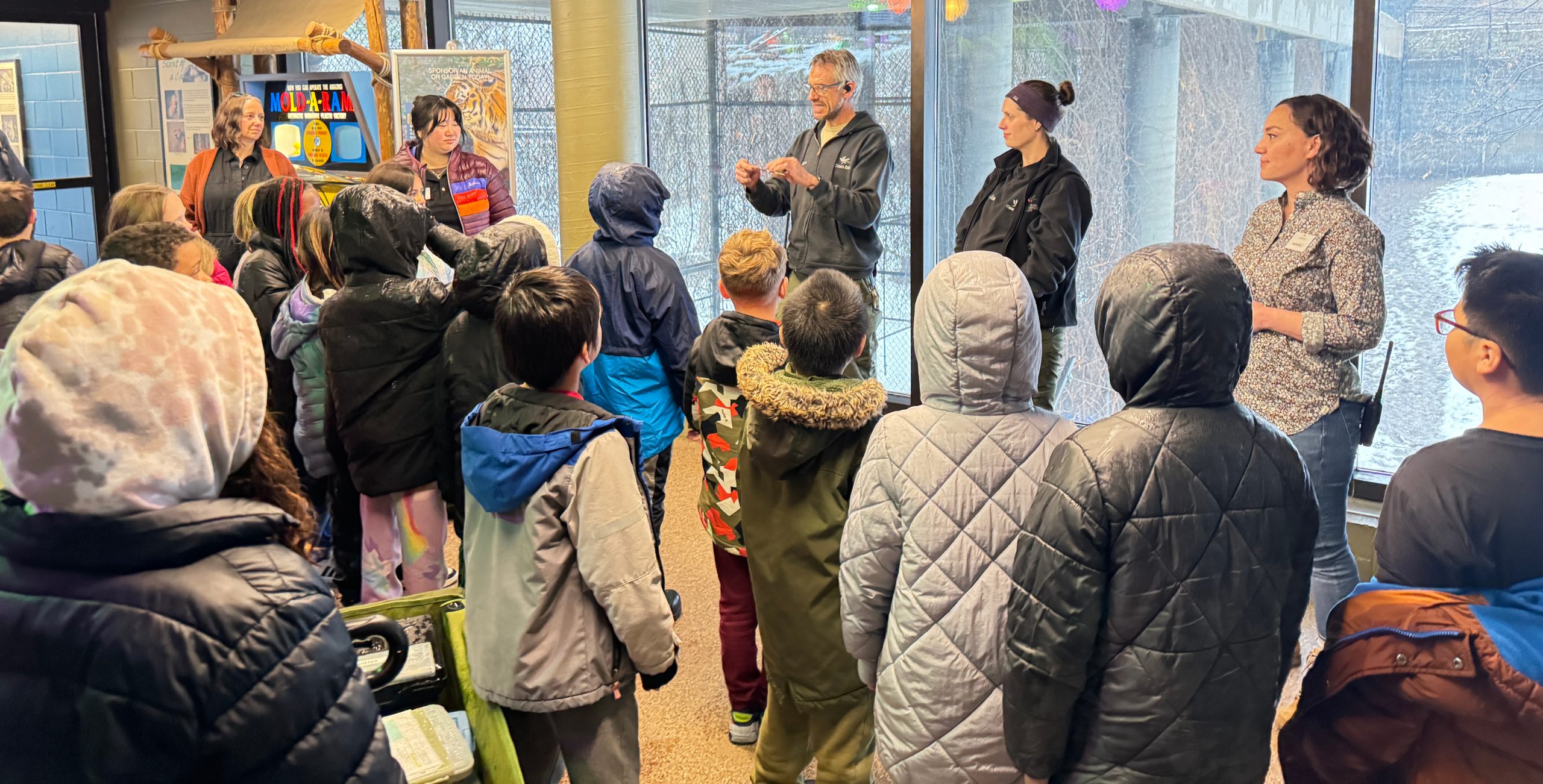
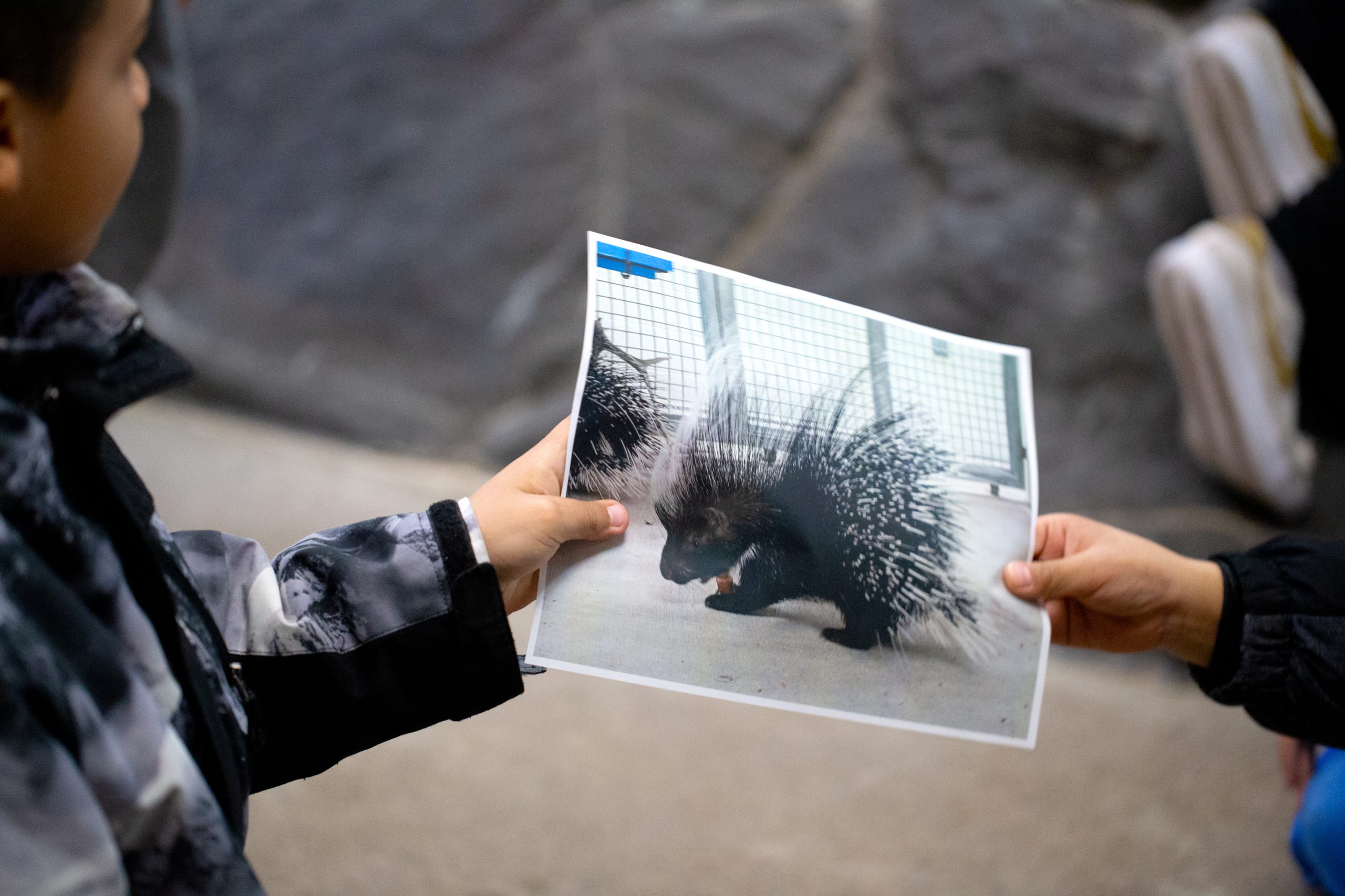
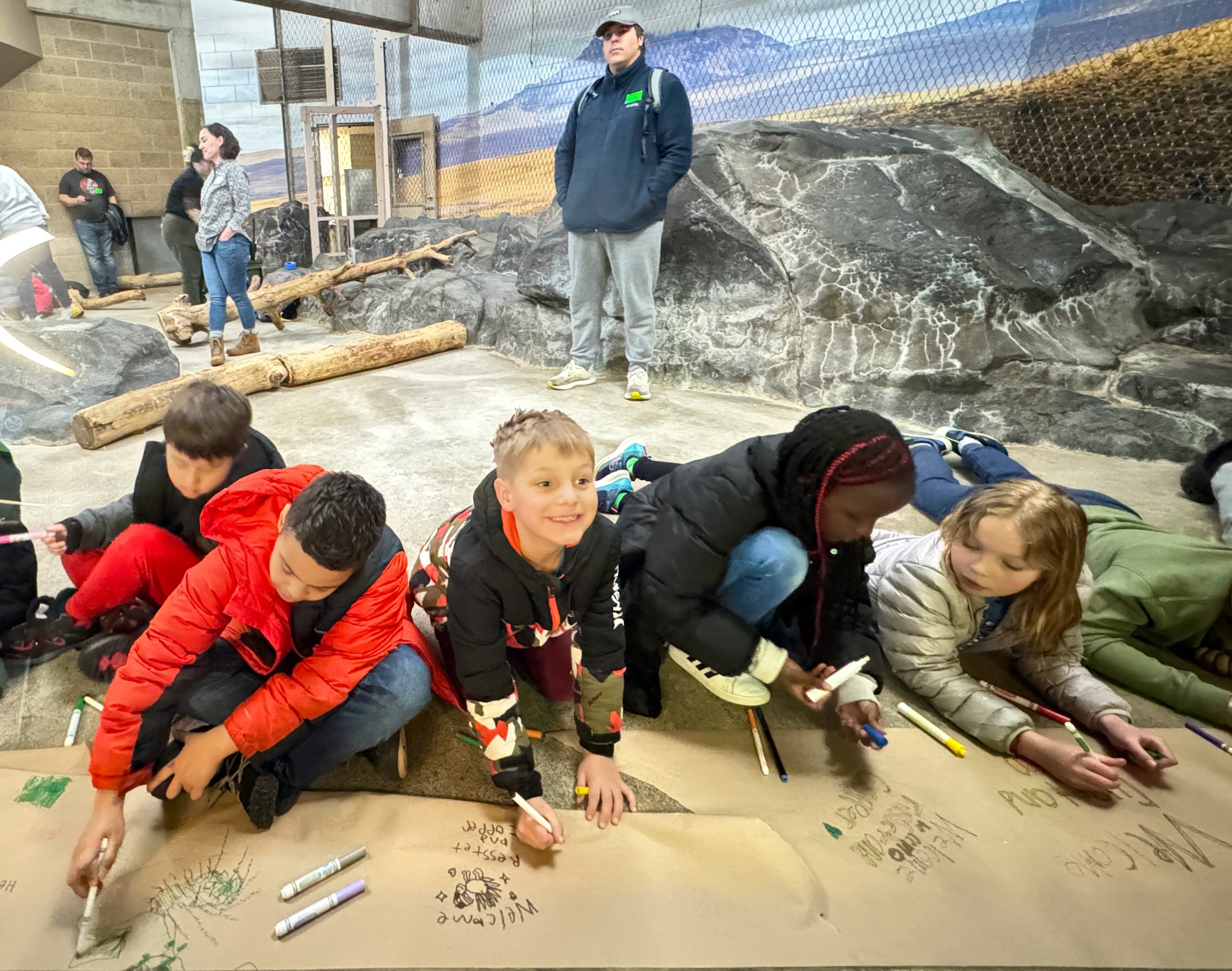
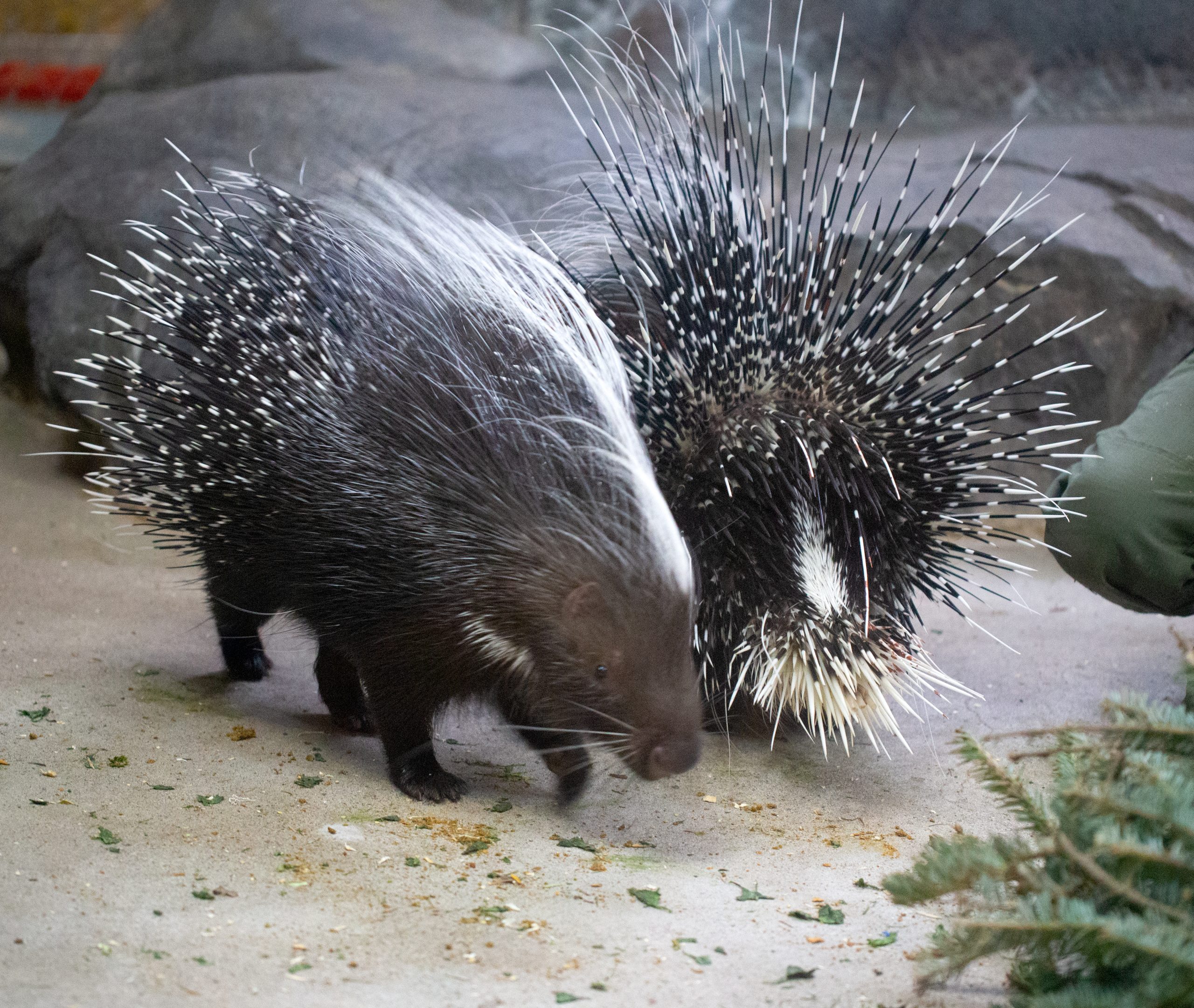
Residency Program students from Roseville’s Central Park Elementary School recently welcomed two new African crested porcupines to Como Zoo’s Large Cat Building by making artwork for their habitat. The porcupine pair were recently relocated to Como following the closure of SeaQuest in Roseville.
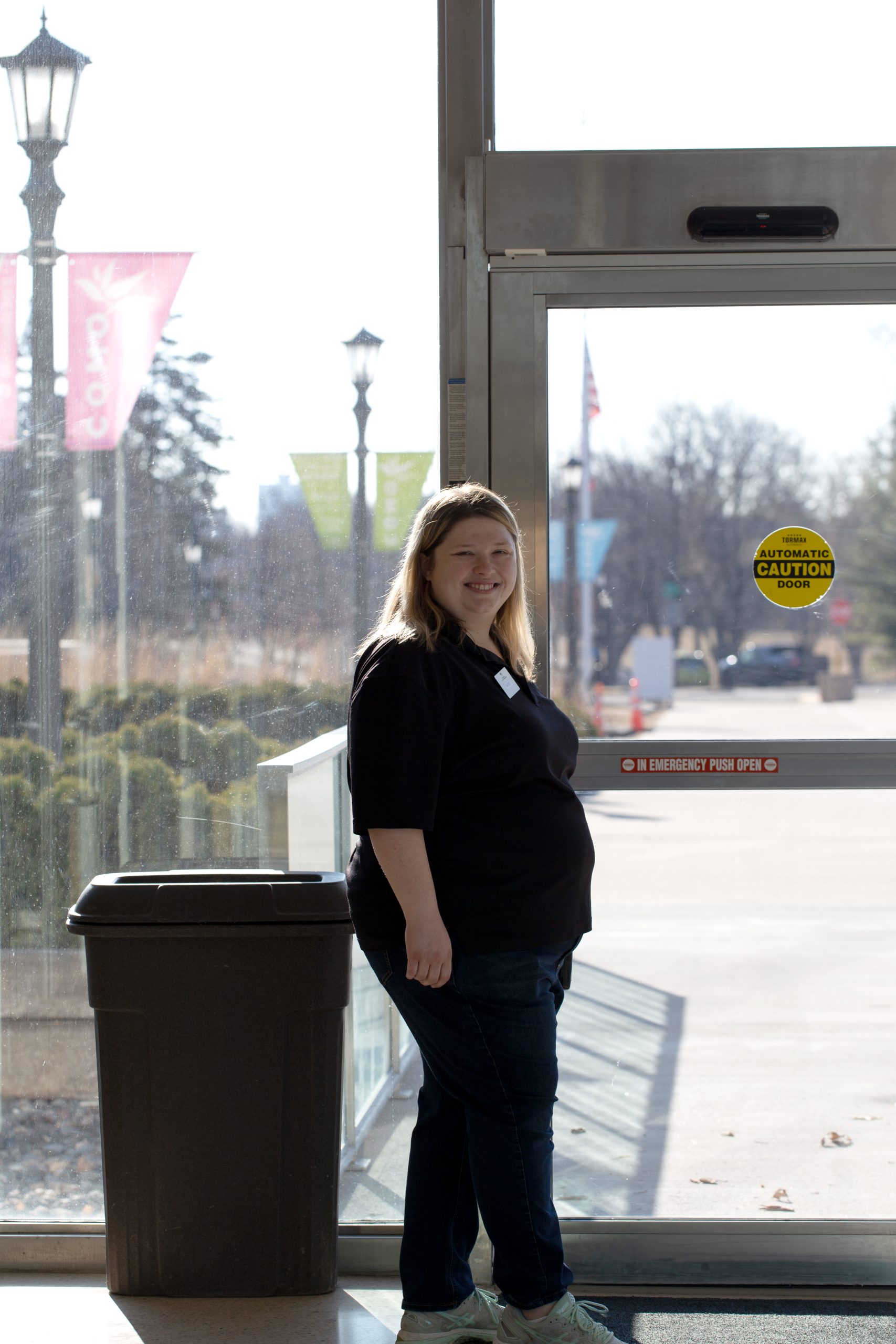
Melrose, Minnesota, is more than a 90-minute drive to Como Park Zoo and Conservatory—longer during rush hour—which makes a field trip to the Twin Cities out of the question for most classrooms.
But thanks to Como’s new and improved Residency Program, 25 third graders in Ms. Brown’s class at Melrose Area Elementary School recently got the chance to spend quality time with Katie Raeker, an educational specialist who knows nearly everything there is to know about Como’s plants and animals. During the course of four days in April, Raeker visited the class for nearly five hours every day, bringing live plants, biofacts, fun animal profile videos and boxes and boxes of art supplies to teach a program called Exploring Ecosystems, that compares the biomes of Minnesota to those of the Brazilian rainforest.
“What’s really fun about teaching kids in greater Minnesota is that they often have first-hand experience with the animals I often bring up in class,” says Raeker. “If I show them a pair of antlers, they know the difference between a deer and a moose. And if I ask ‘How many of you have seen a wolf?’ lots and lots of hands go up. Compared to the kids we teach in the Twin Cities, it leads to very different conversations.”
Taking Como’s education curriculum on the road is the latest iteration of Como’s Residency Program, an immersive conservation program offered free of charge to area schools and made possible by Minnesota’s Legacy Amendment. Several years ago, this popular program got its start by inviting classrooms around the Twin Cities to relocate to Como, using both Como Zoo and the Marjorie McNeely Conservatory as the backdrop for days of cross-disciplinary learning. Put on pause during the pandemic, the Residency Program resumed in January 2025, simultaneously offering on-site experiences for third grade classrooms around the Twin Cities, and off-site programs for third graders across the state.
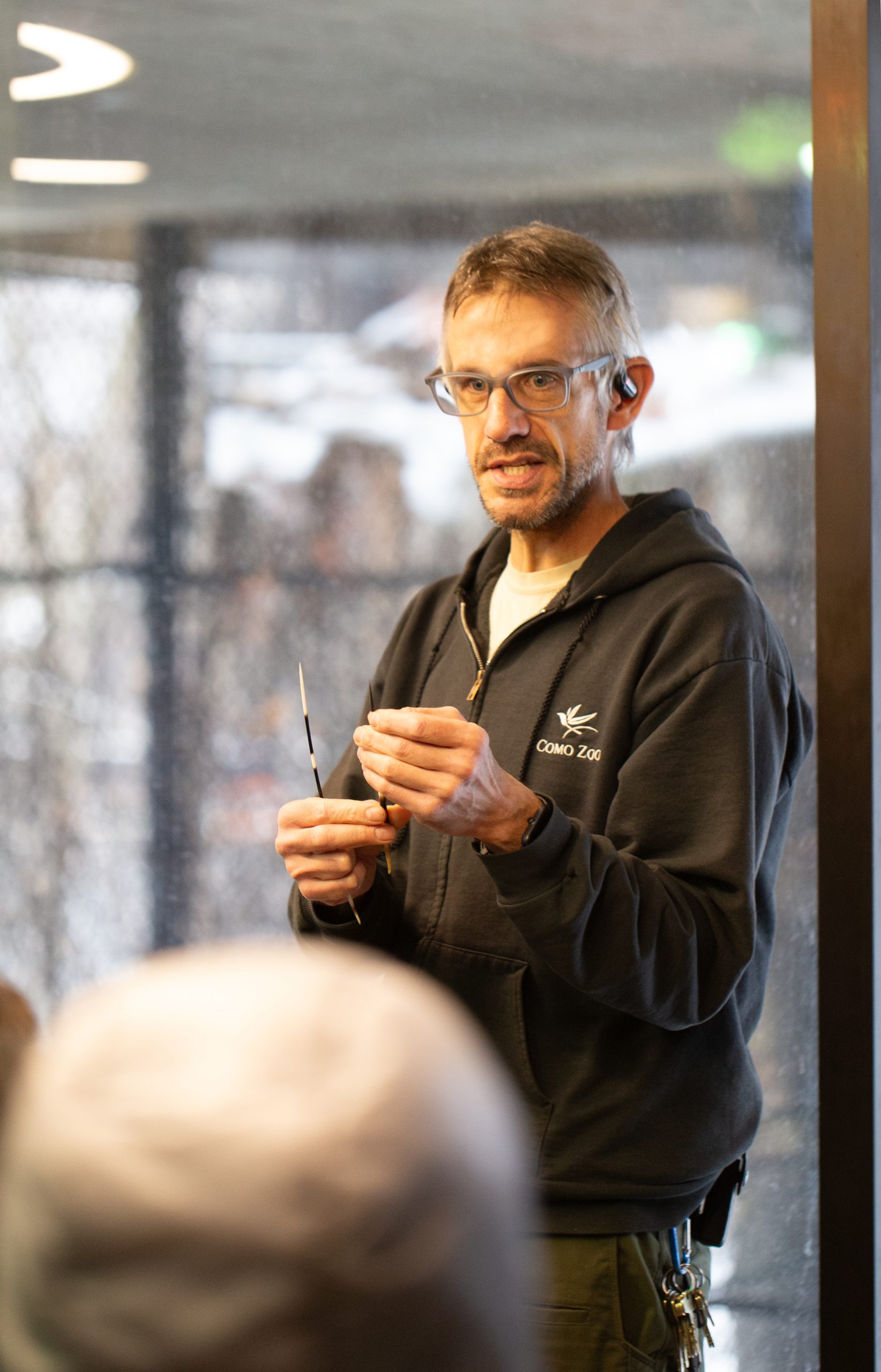
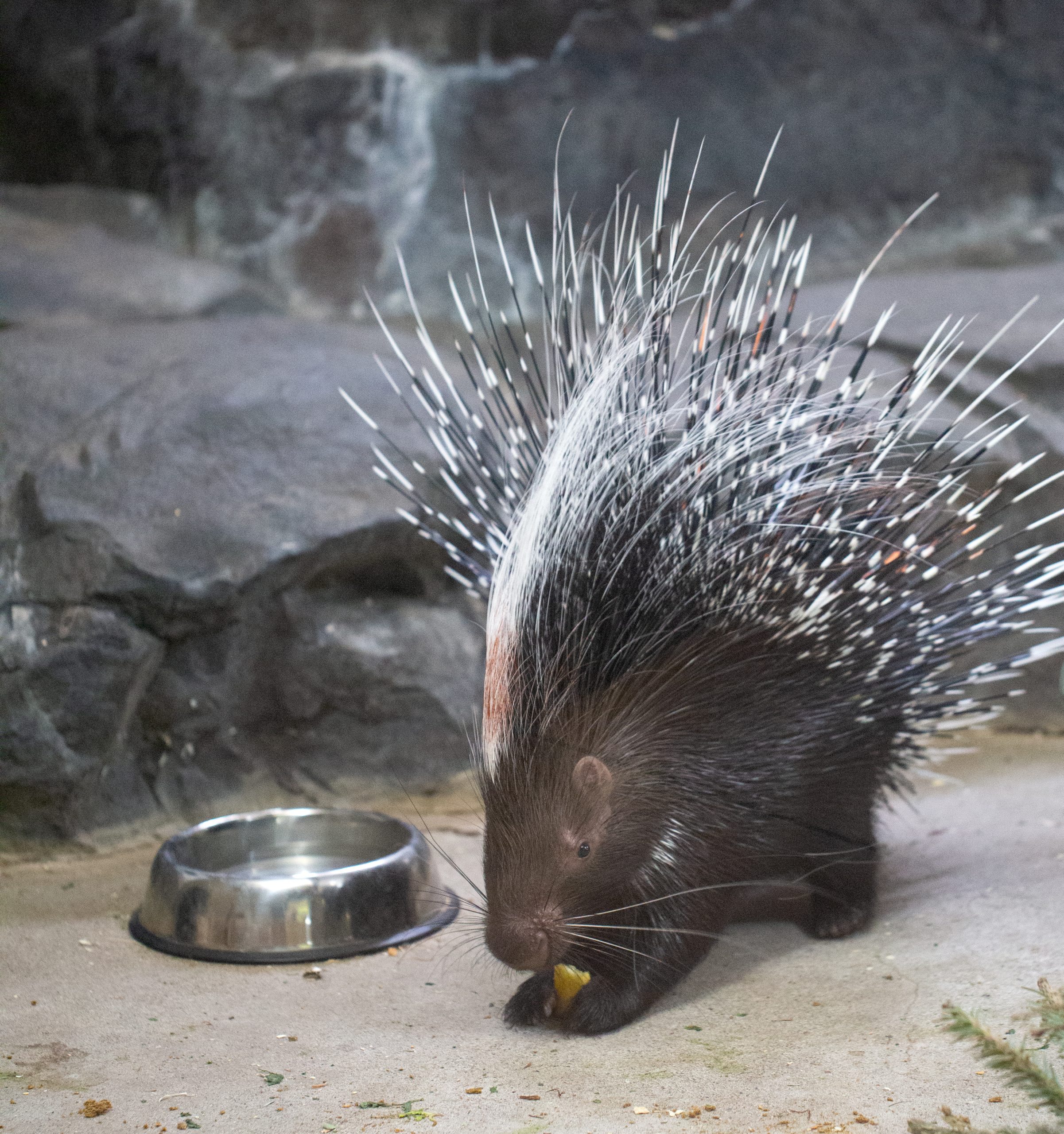
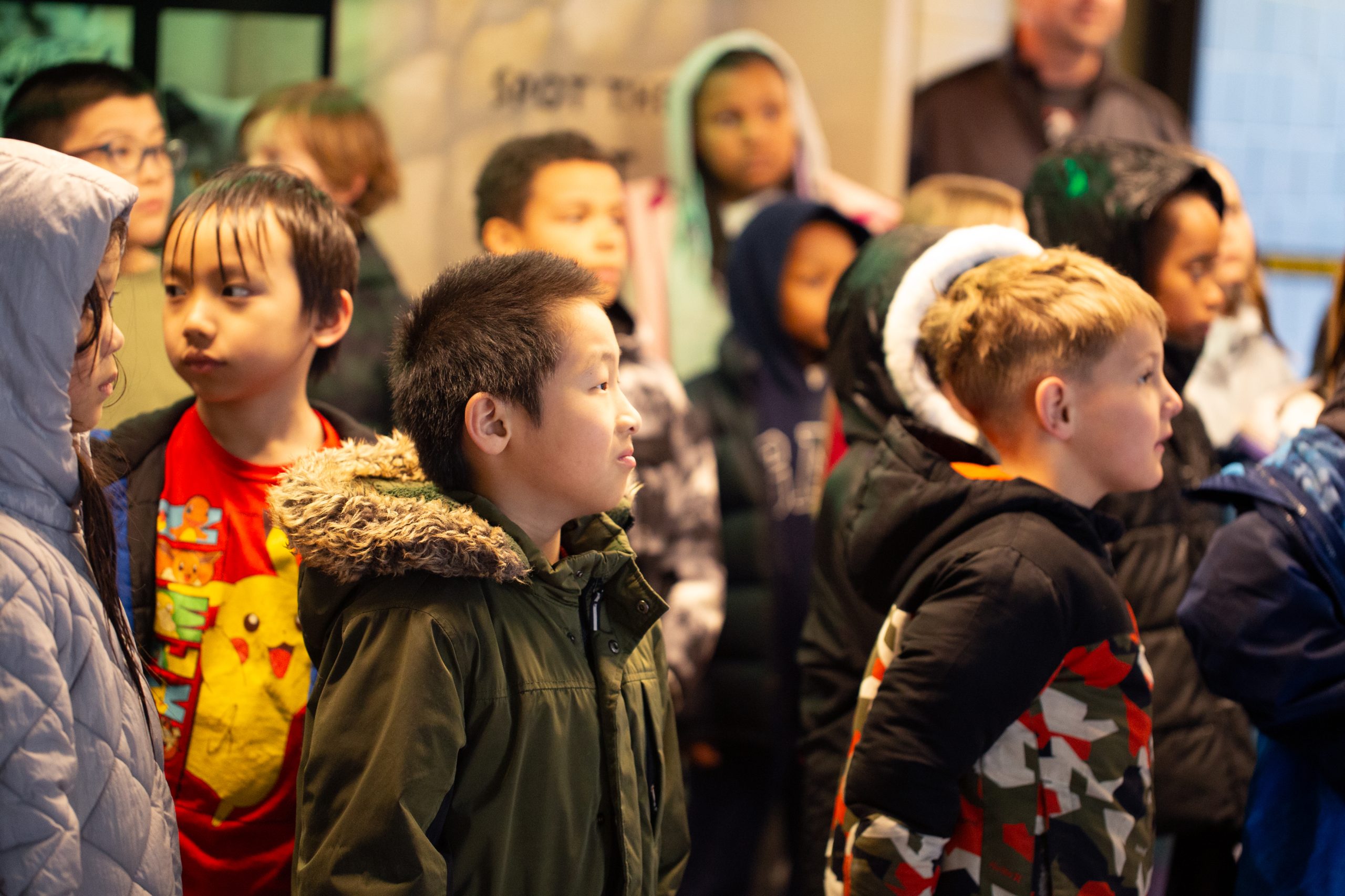
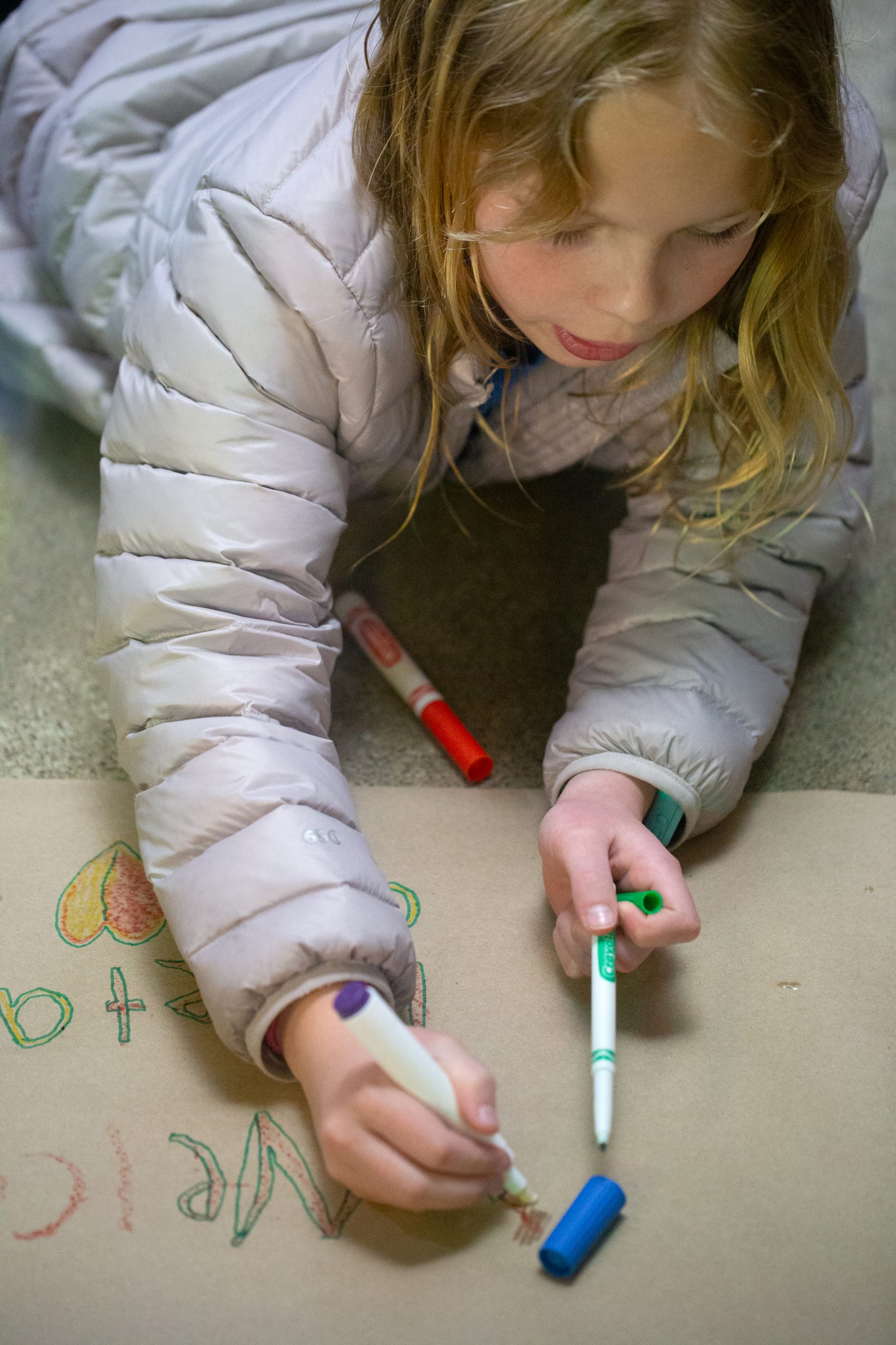
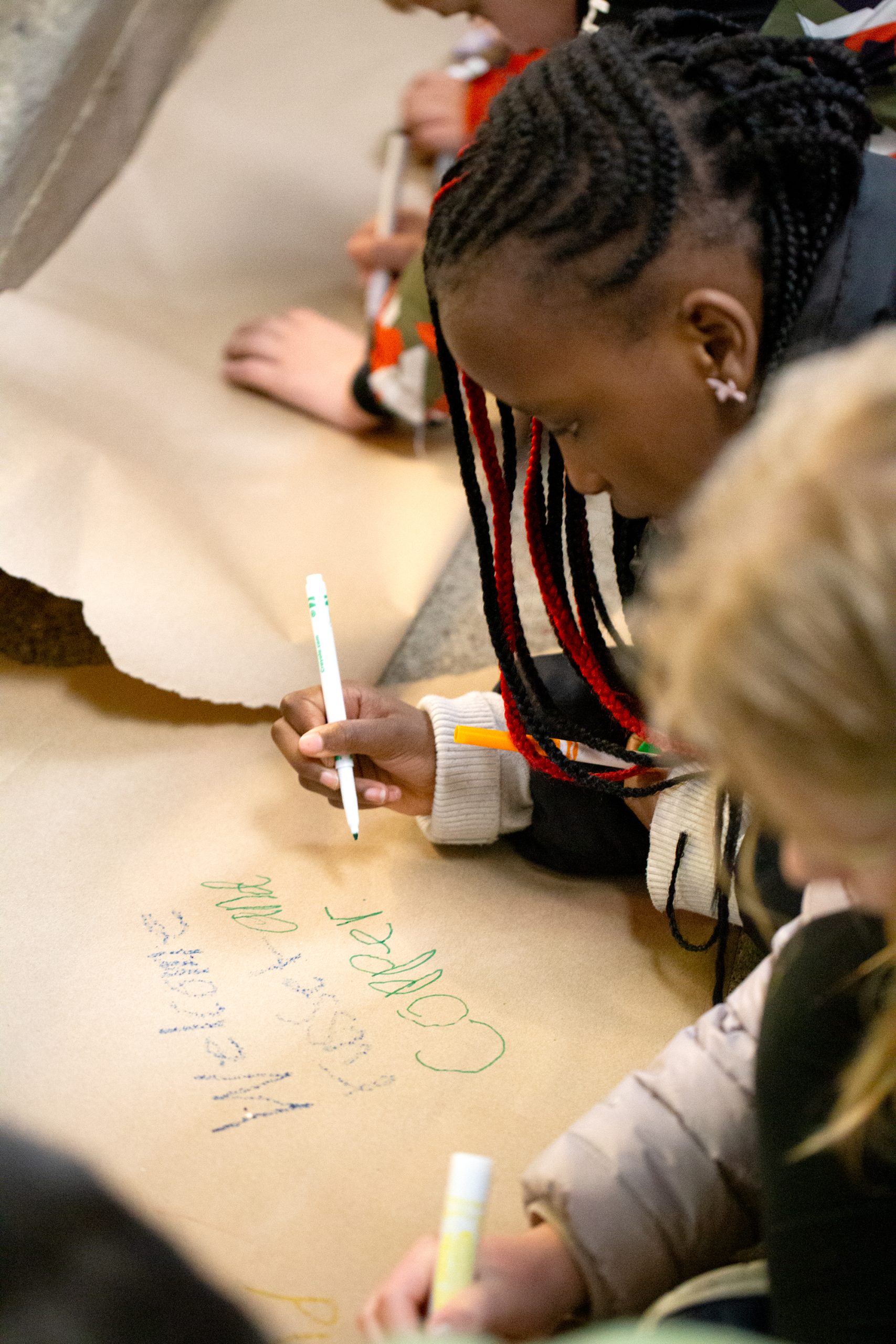
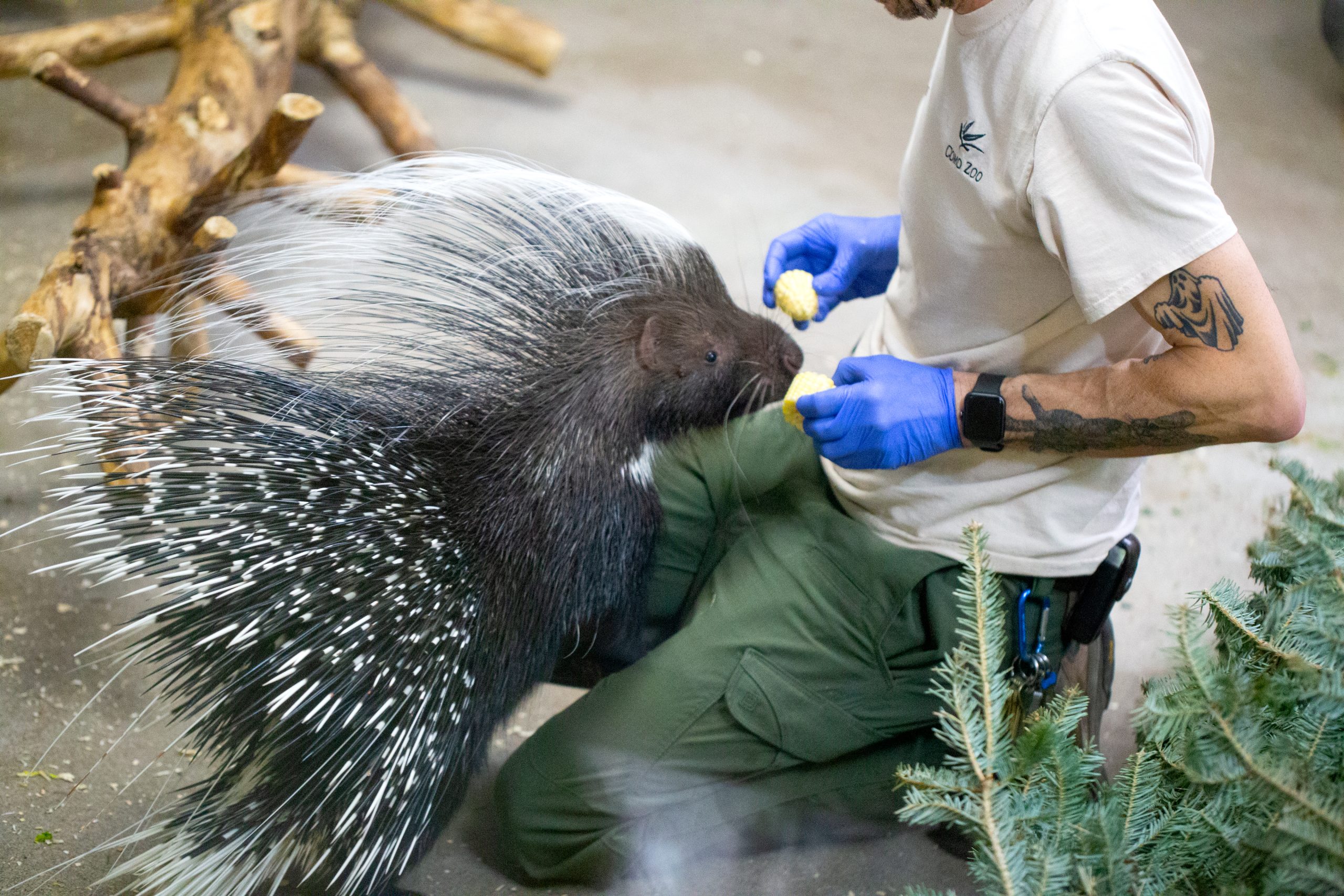
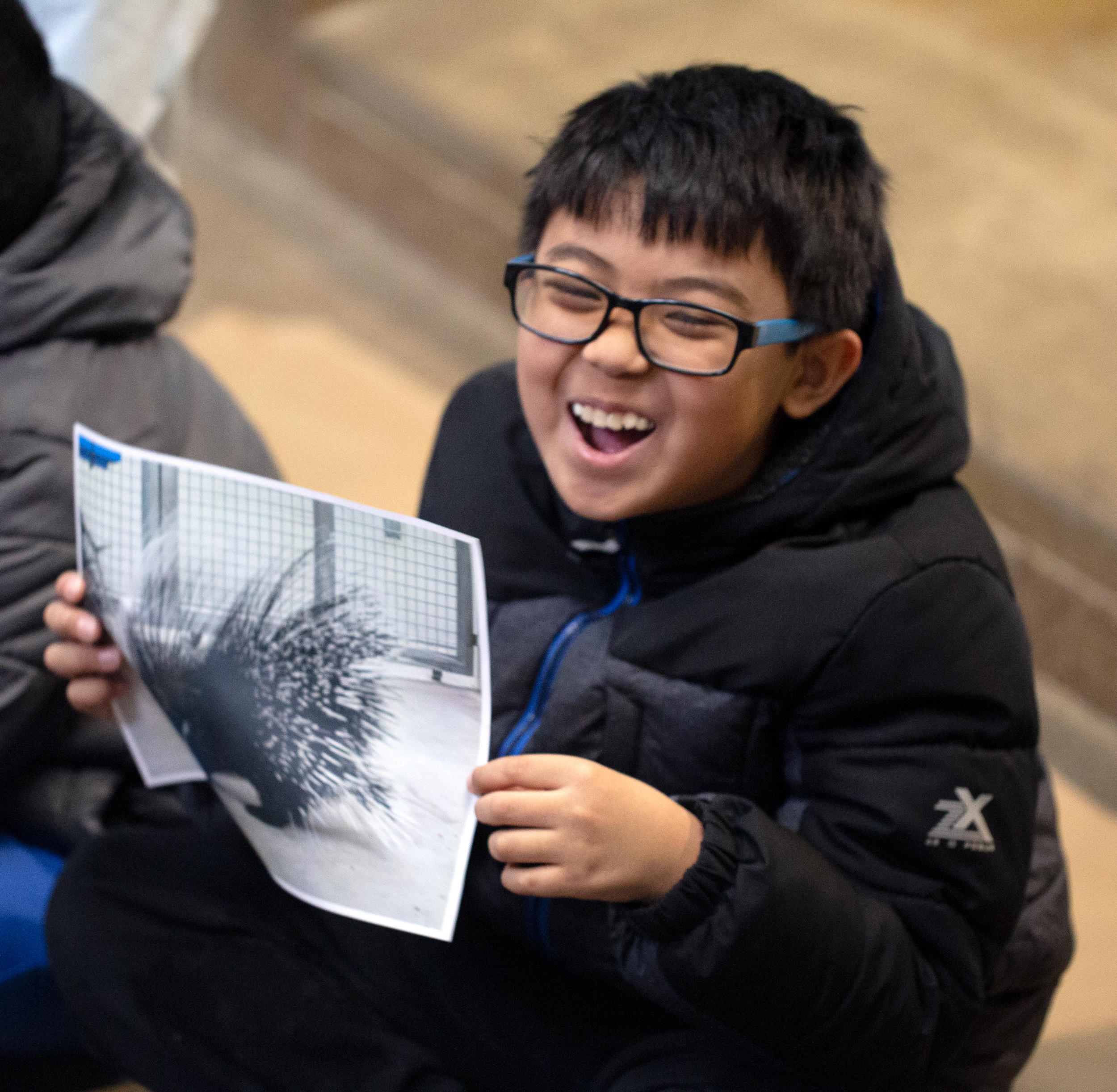
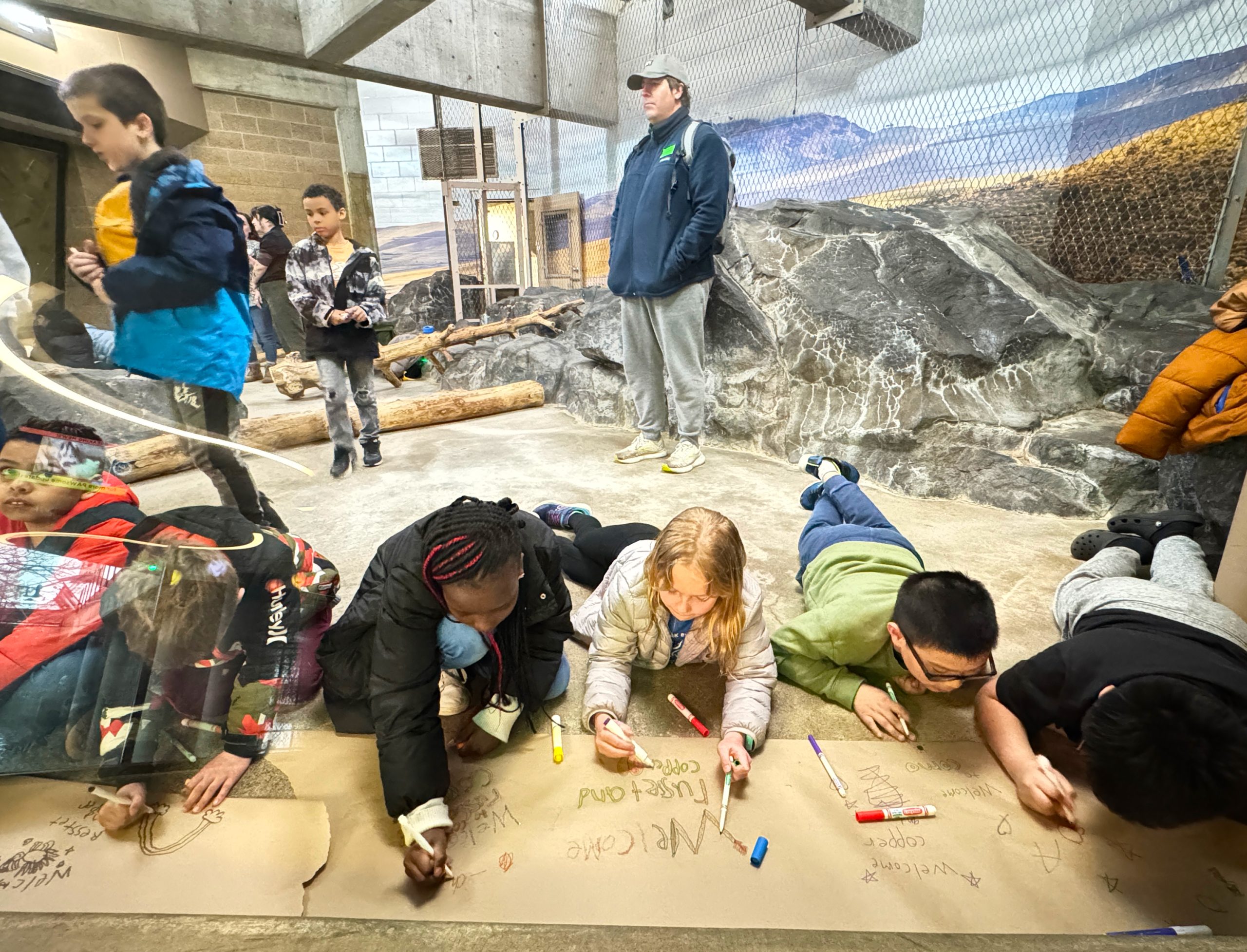
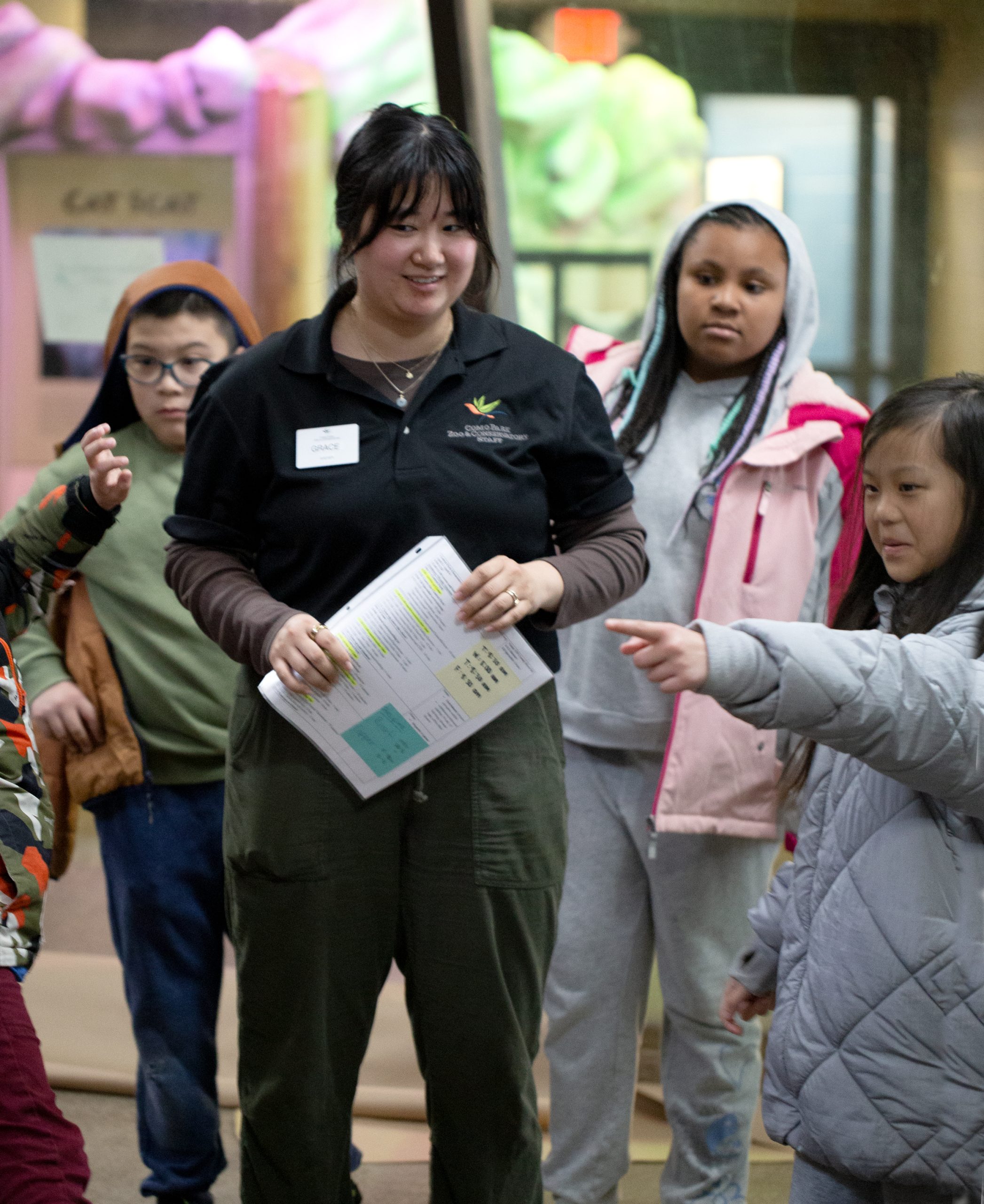
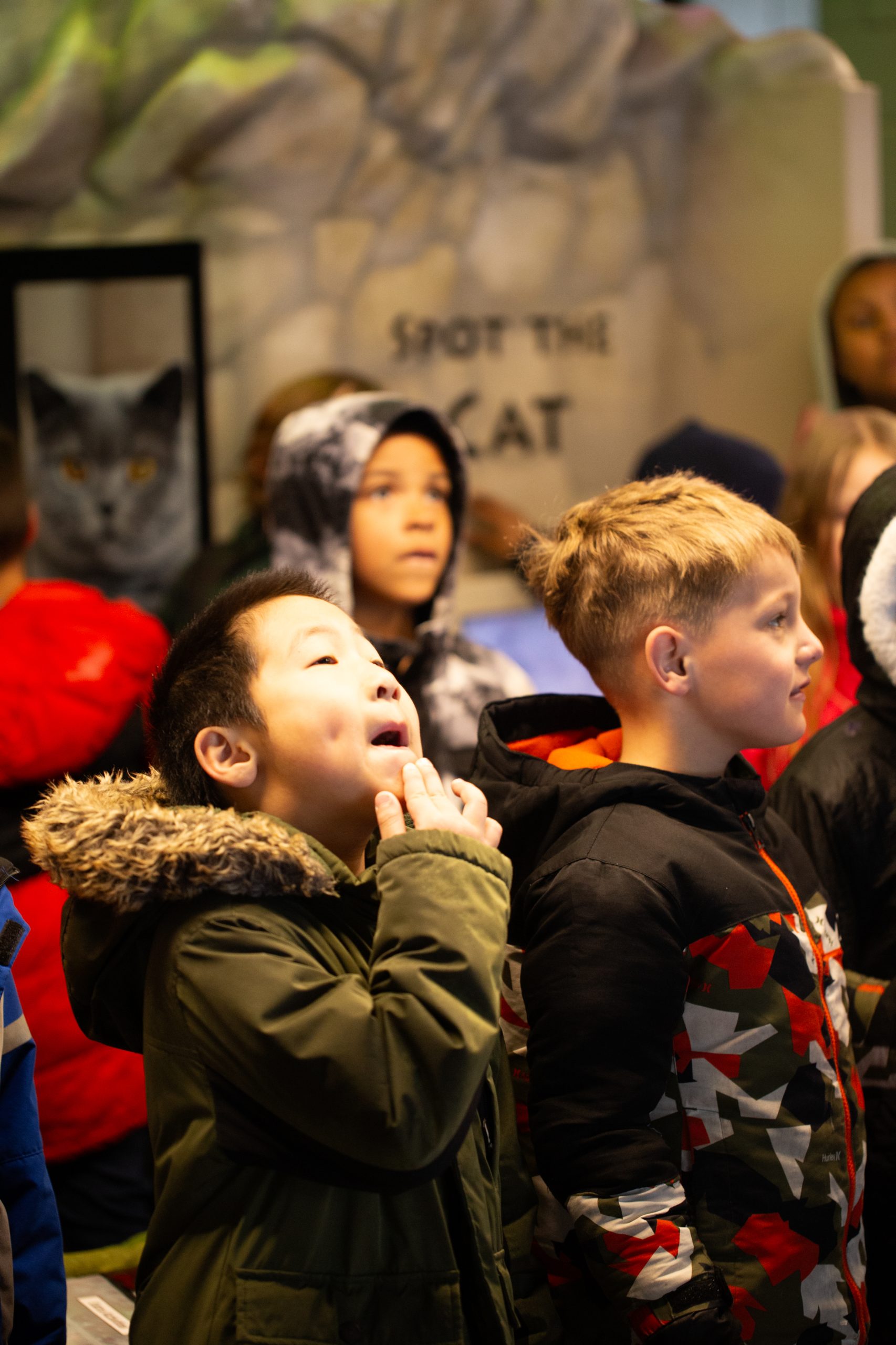
In fact, the same day Raeker was teaching in Melrose, Residency Program Specialist Grace Coughlin was leading a group of third graders from Roseville’s Central Park Elementary into a new habitat in the Large Cat Building that is now home to two new porcupines. Large cat keepers Hans Jorgensen and Caitlin Allessi greeted the group, and invited them to decorate the glass enclosure with big rolls of craft paper and magic markers.
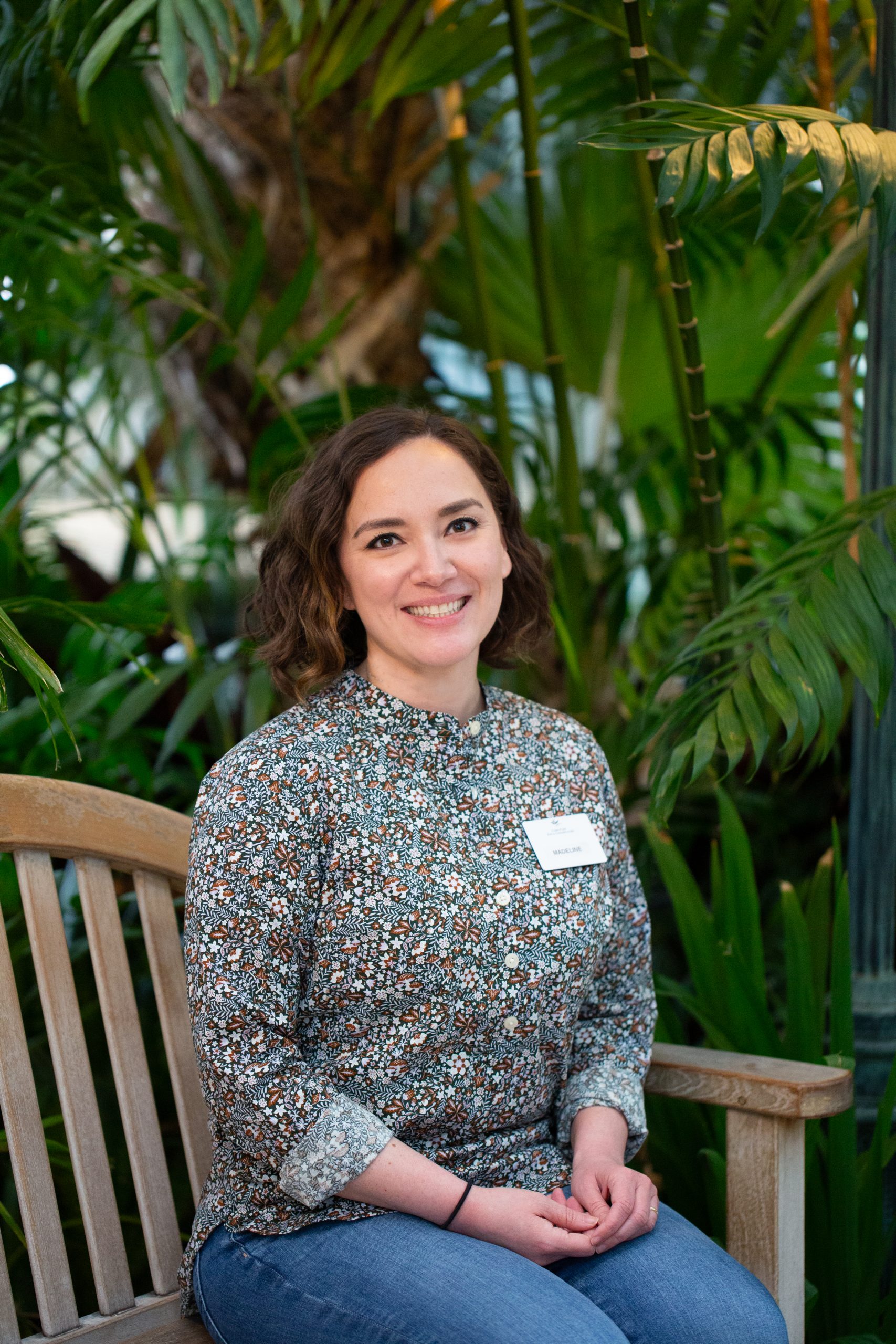
“So many of the teachers have been telling us how grateful they are for the opportunity to have an art component to the program,” says Residency Coordinator Madeline McCullough. “The other thing we’re hearing is that they really appreciate our multi-modal approach with our curriculum. There’s movement throughout the day, videos and slideshows and pictures, class discussions, and very tactile experiences with biofacts and plants. The curriculum makes them feel supported, and it works to reach many different types of learners.” Another strength of the program: McCullough, Coughlin, and Raeker are all former classroom teachers, skilled at shaping lesson plans to fit the needs of participating classrooms.
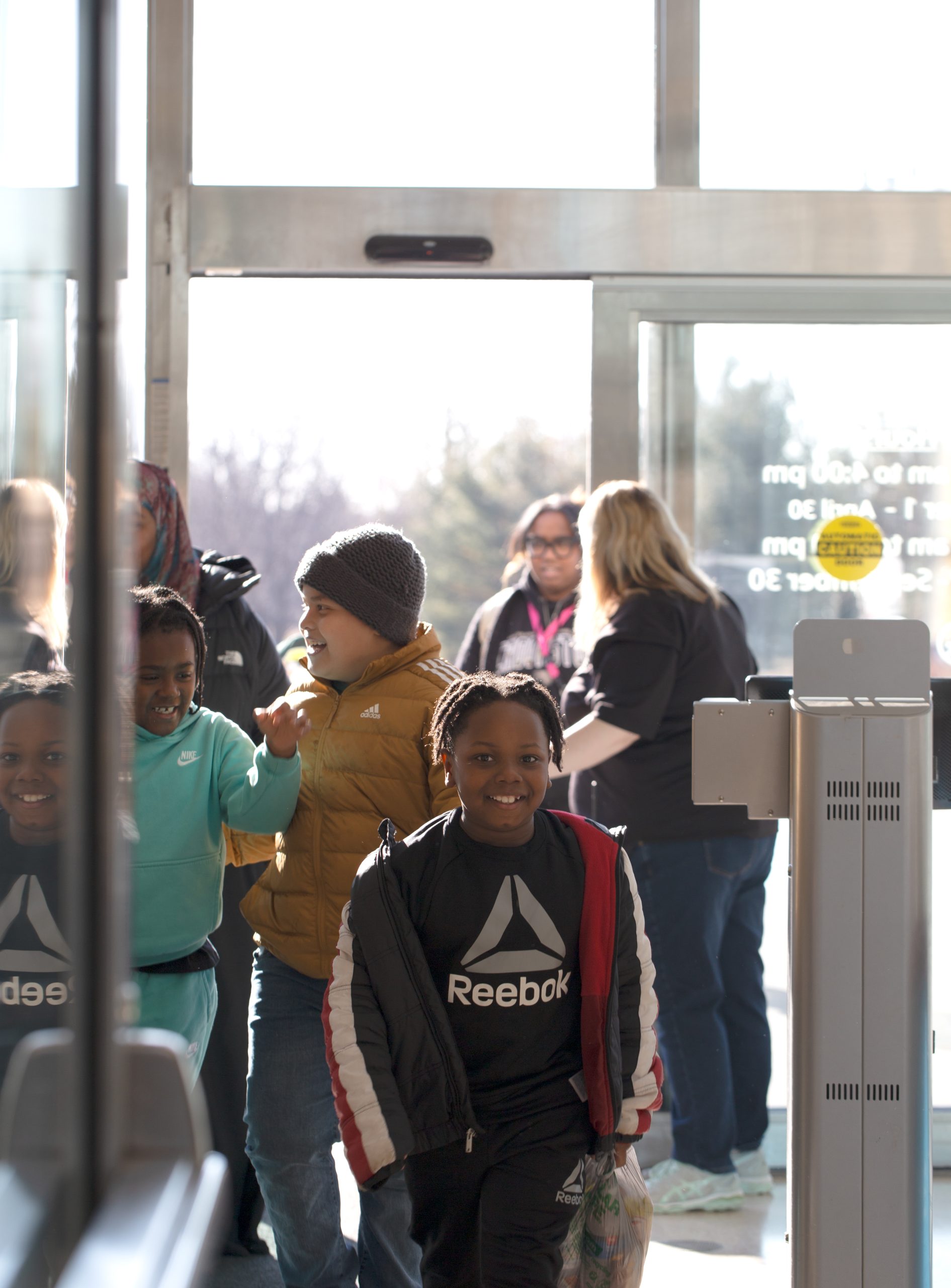
With a waiting list of schools eager to sign up, Como has prioritized Title I classrooms where a significant portion of students are from disadvantaged backgrounds, or are eligible for free or reduced-price lunch. In addition to the free classroom experience, Como reimburses local schools for the full cost of bus transportation to campus, ensuring that cost is no barrier to participation. While nearly half of the programs happen right on Como’s campus, for many participating students, it’s their very first trip to Como Park Zoo and Conservatory. “Even though Como is in the backyard for a lot of our participating schools, a lot of kiddos have never been to a zoo before,” says Coughlin. “It’s really fun to show them around and to see their faces the first time they see a giraffe, or watch a sea lion swimming in the water.”
The focus on third graders helps area schools meet state science standards, while connecting with kids in the sweet spot for conservation education. “It’s the perfect age for this program, because they’ve been in school enough years that they have the basic skills down, and they’re a little bit more independent so they can be critical thinkers and sponges for information,” says Raeker.
“Also third graders have no filter, and they have so many interesting questions,” says Coughlin. “Kids are always excited to find out that Como is free and open every day. And a lot of them really want to know when they can come back with their parents.”
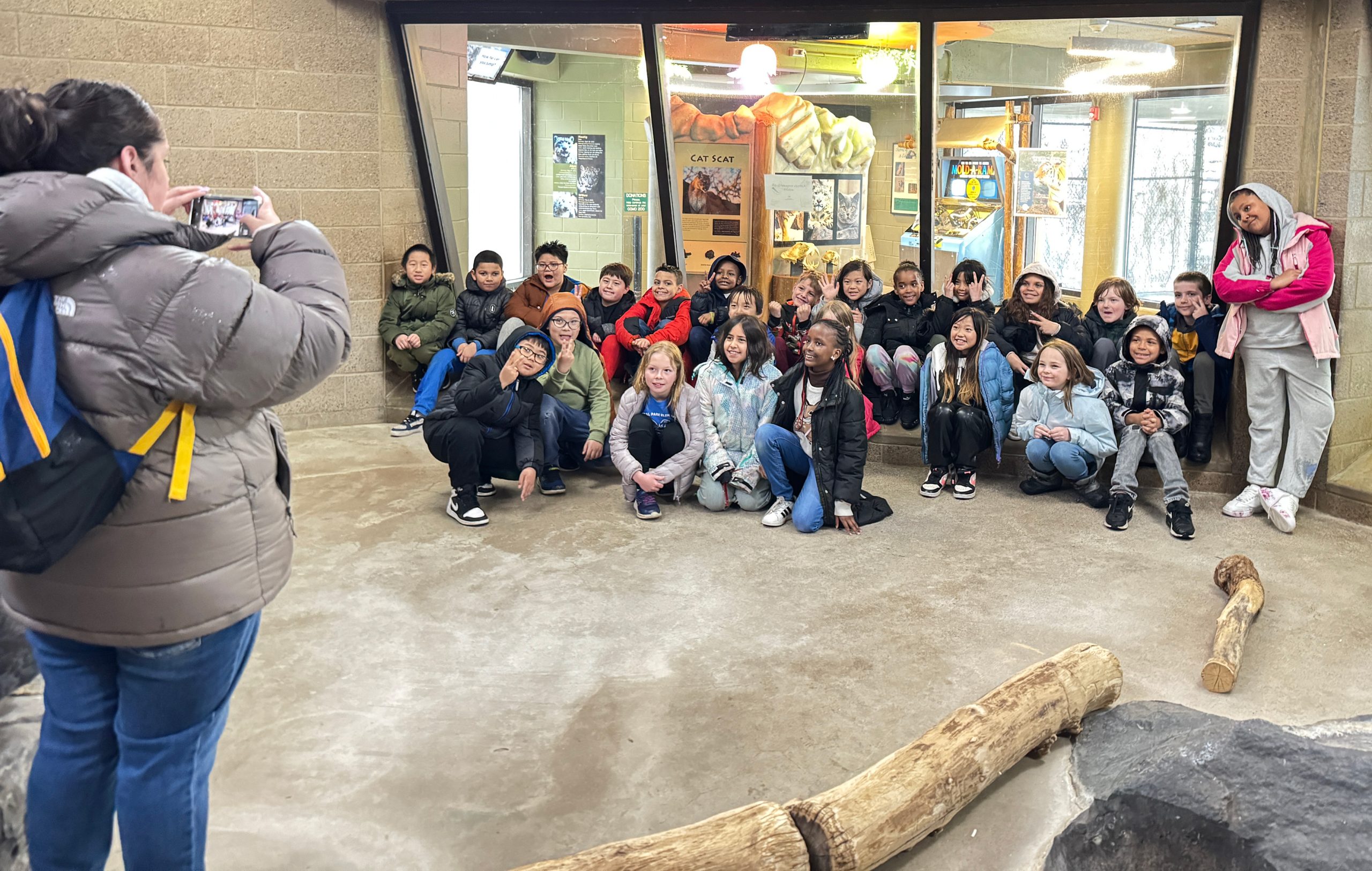
Como’s education programs are back in full force, with a growing emphasis on discoveries that foster new connections with nature.
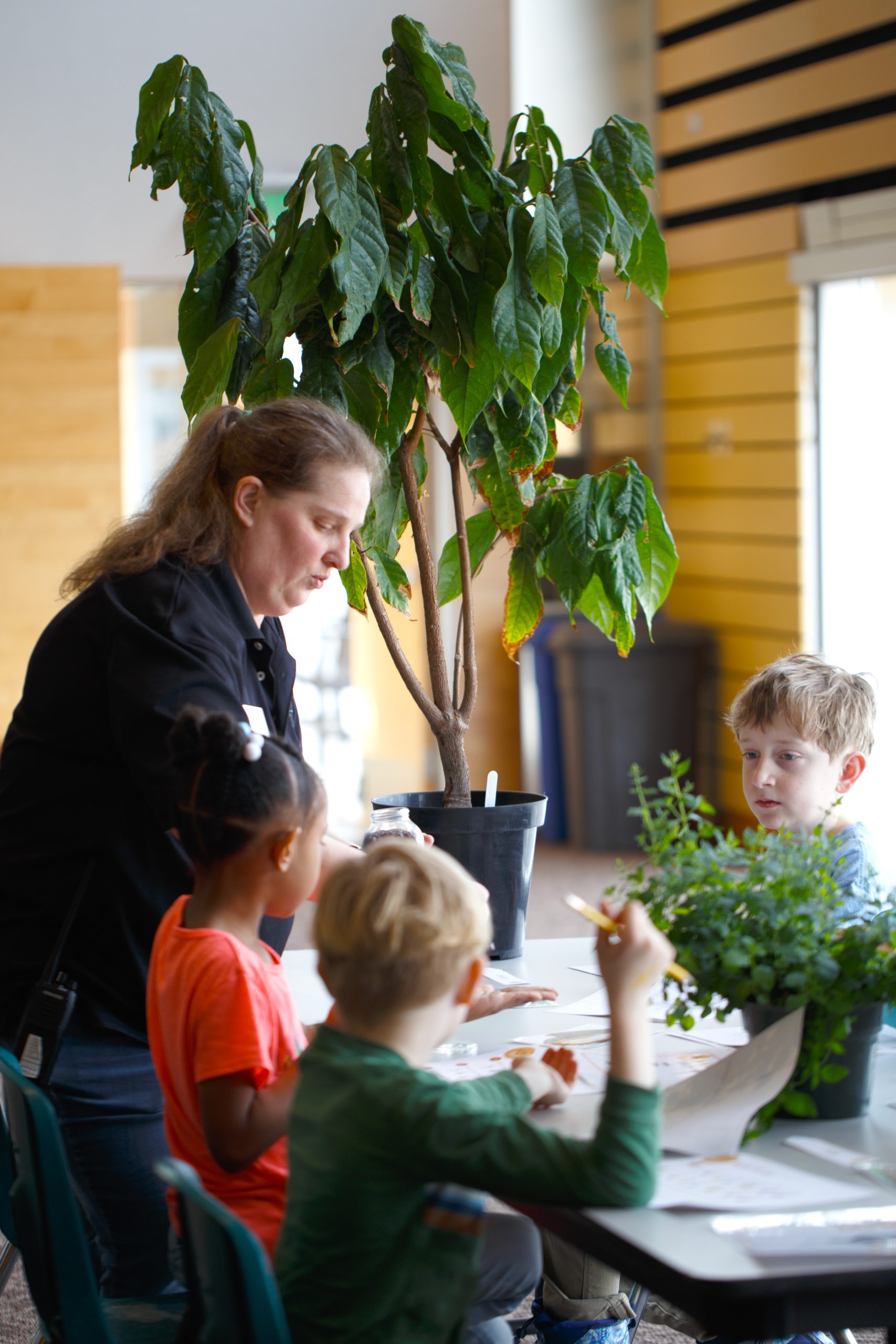
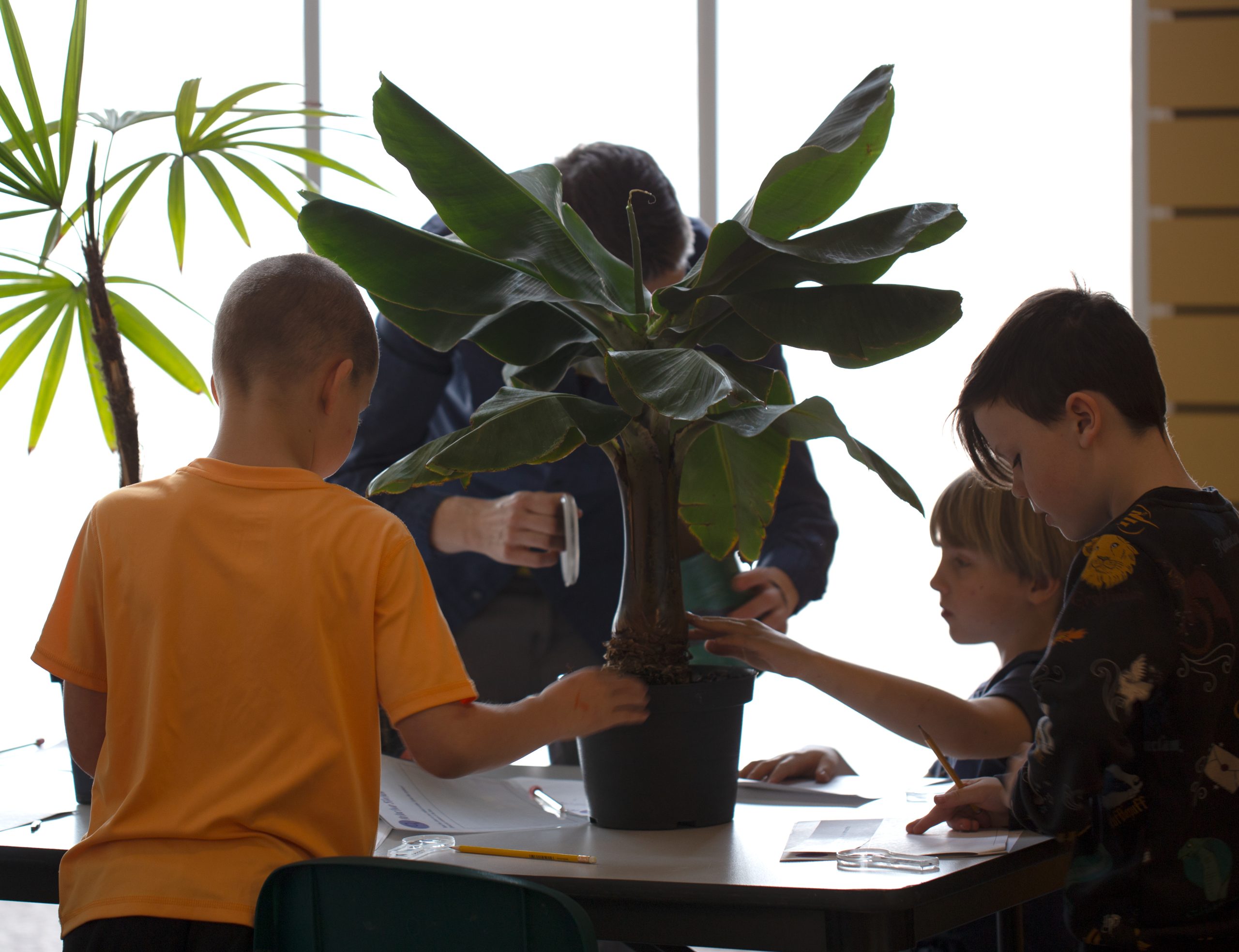
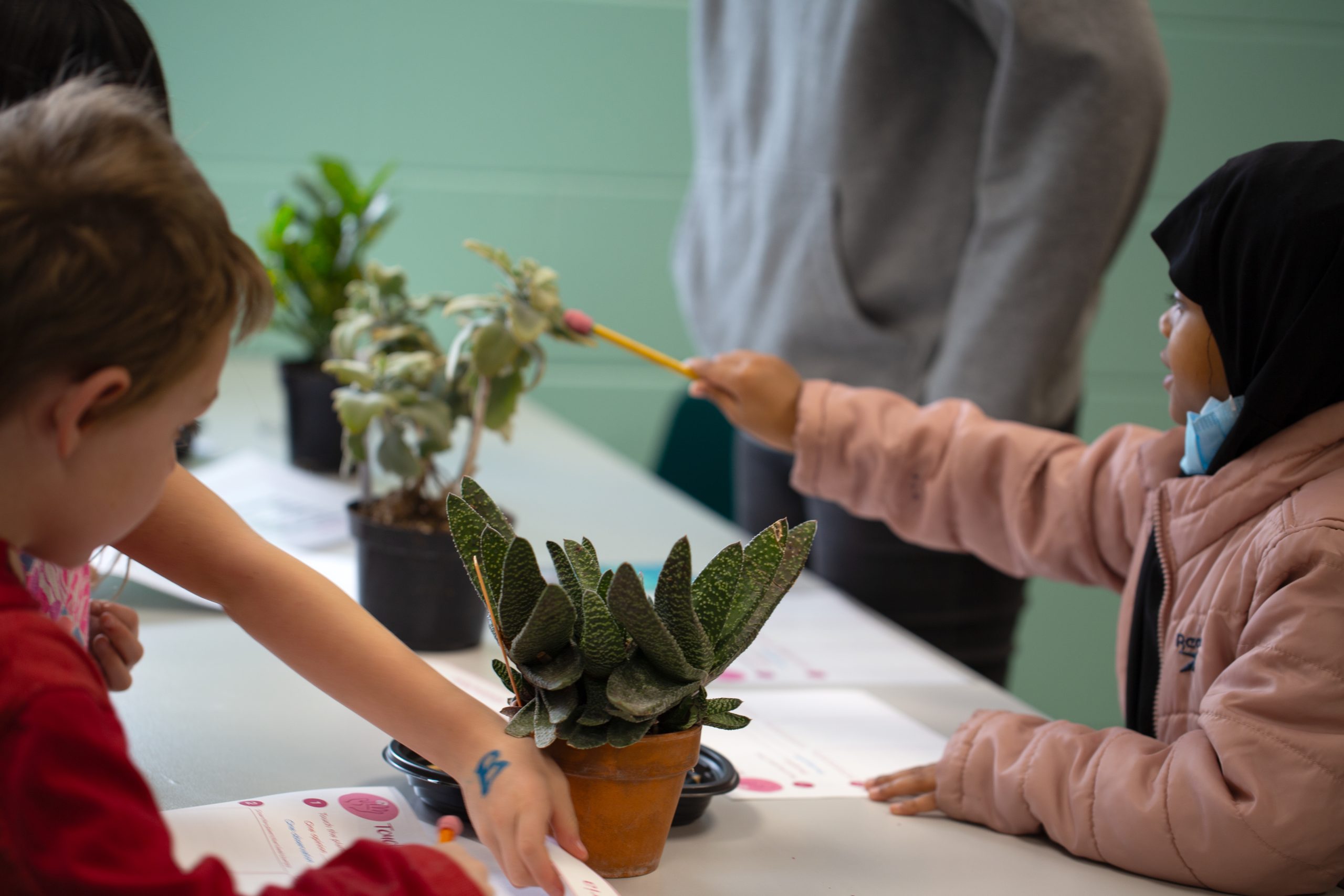
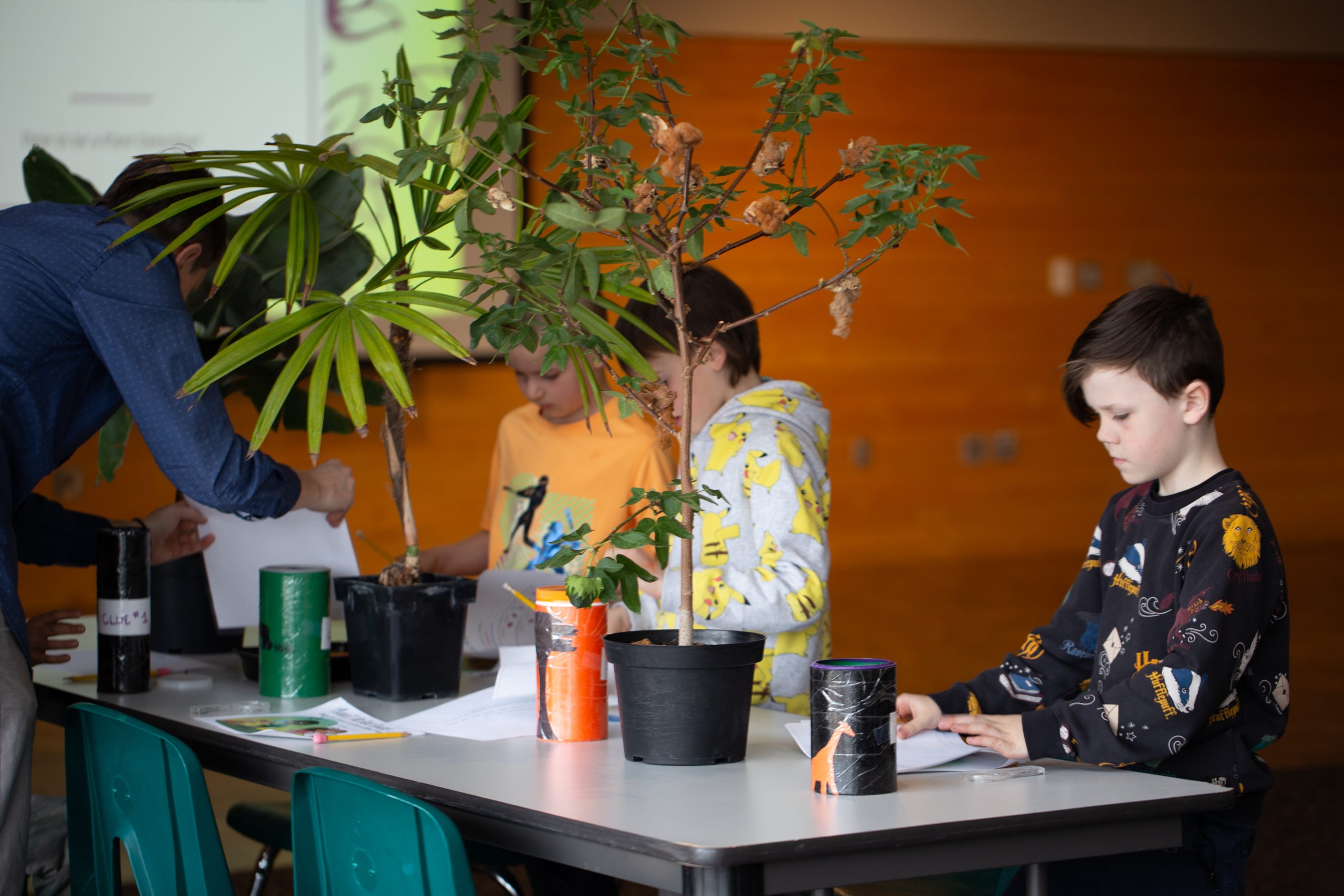
“What do you think this plant would taste like?” a second grader from St. Paul’s Capitol Hill Magnet School wonders aloud.
“Yucky,” says her classmate, as she contemplates a table full of mint, cacao and other plant specimens from the Marjorie McNeely Conservatory.
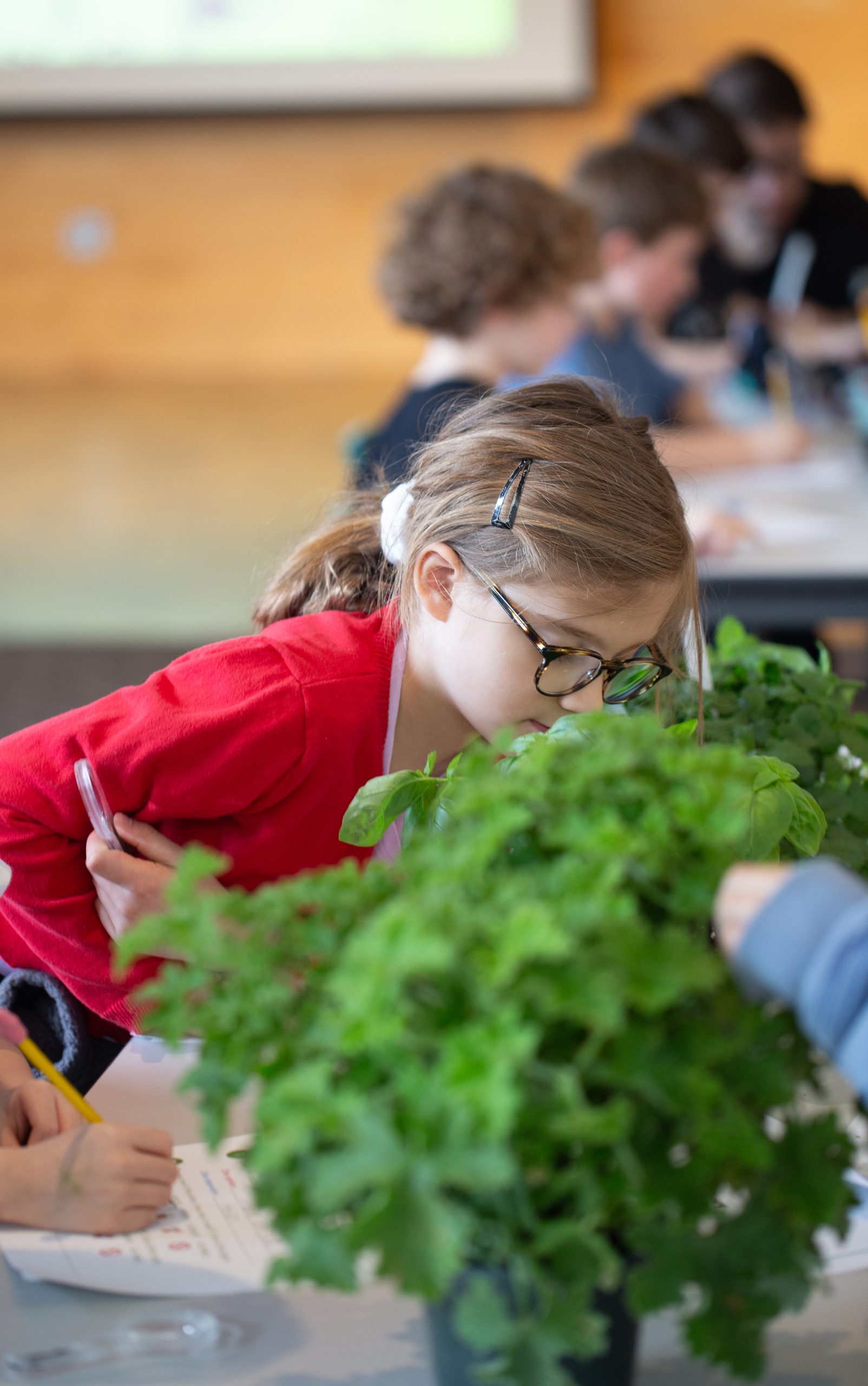
“But maybe not,” says a third student, leaning in for a sniff. “This one kind of smells nice…”
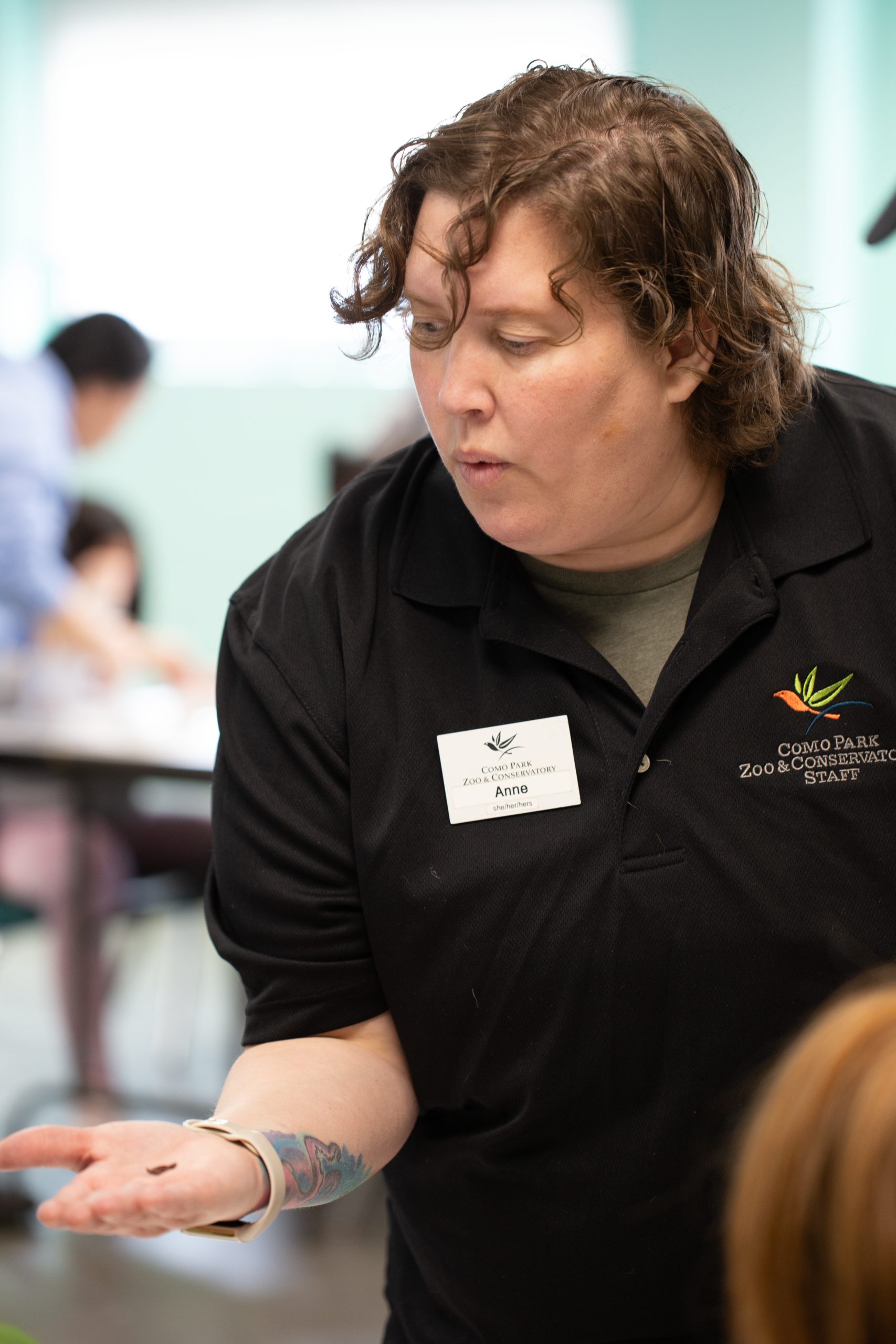
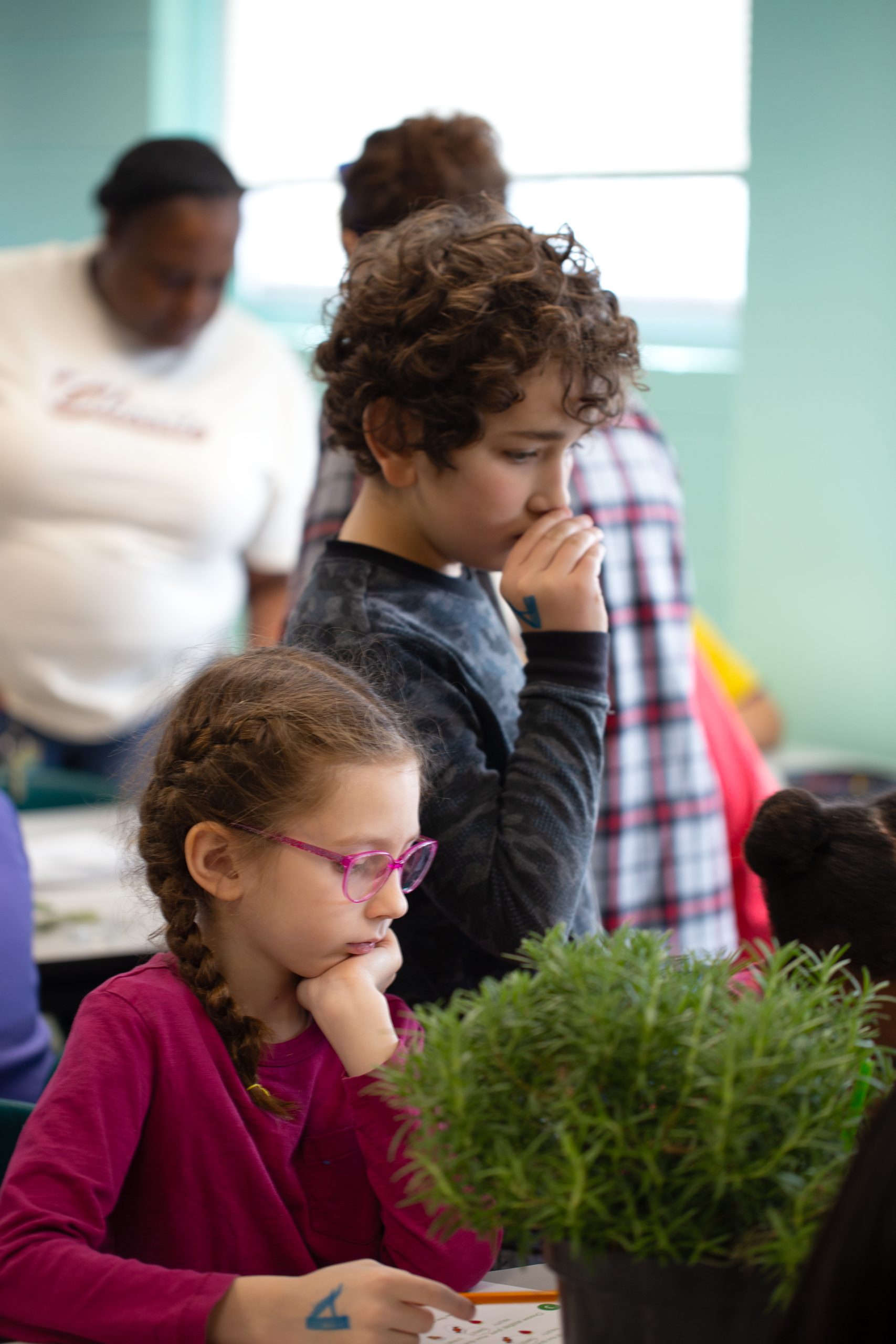
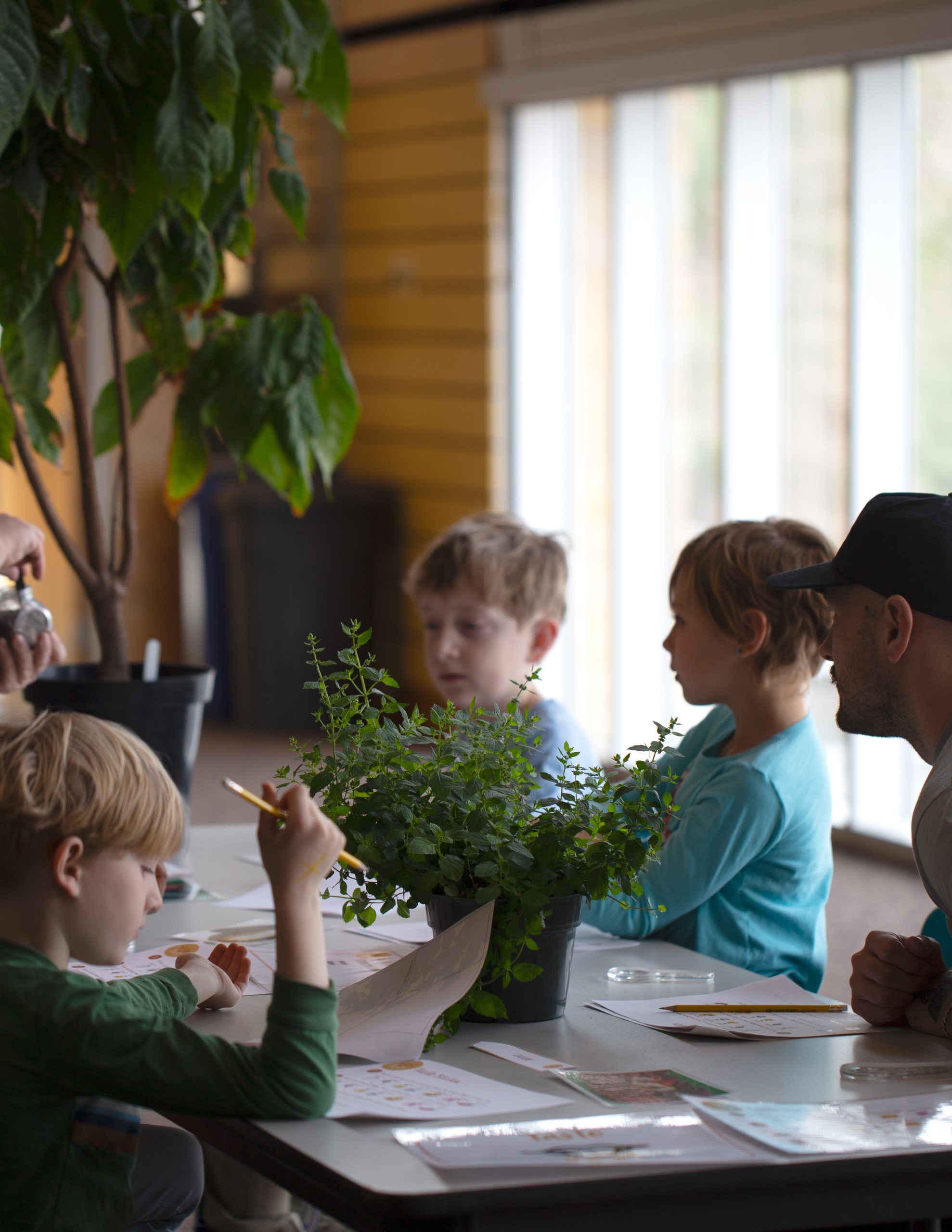
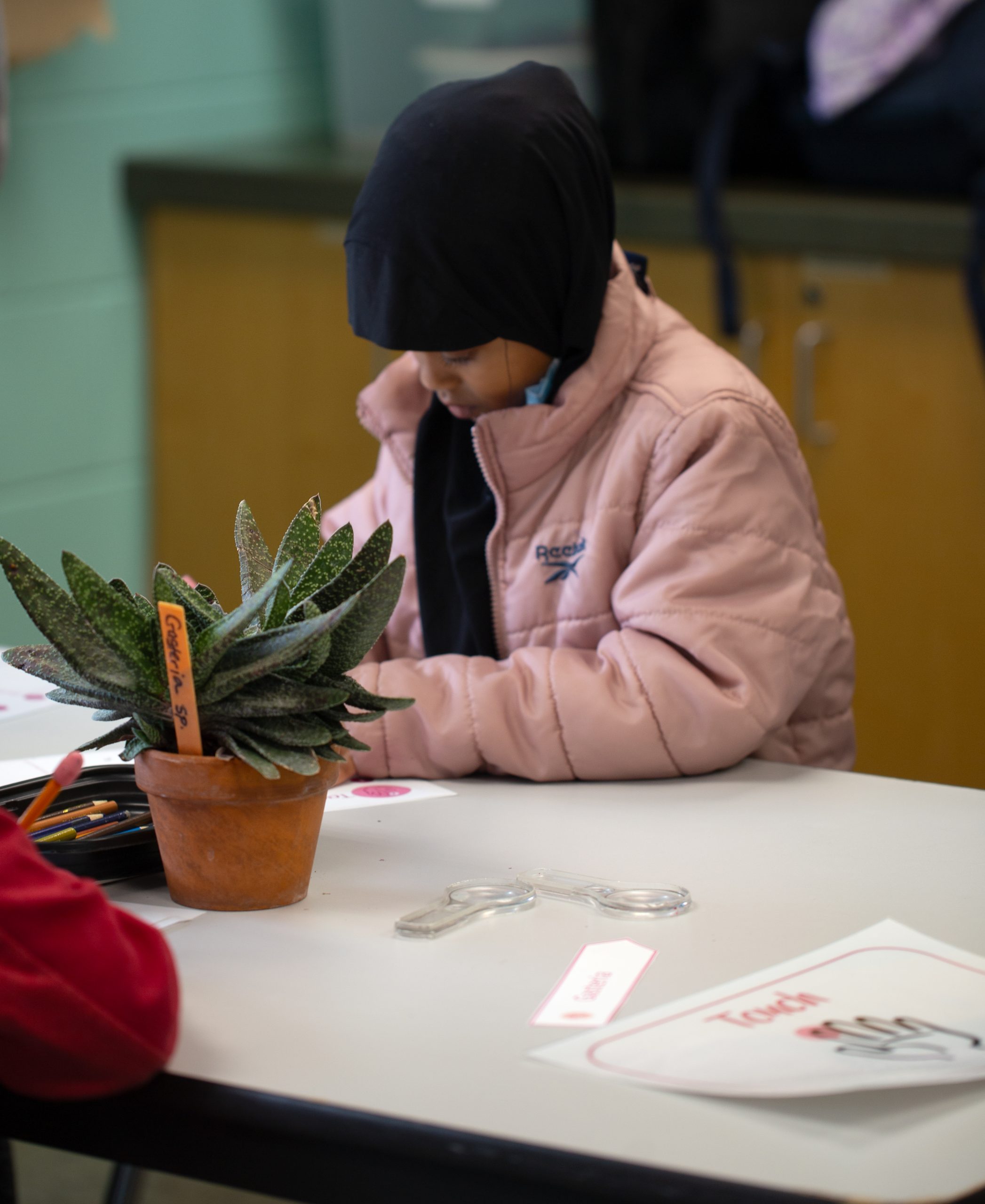
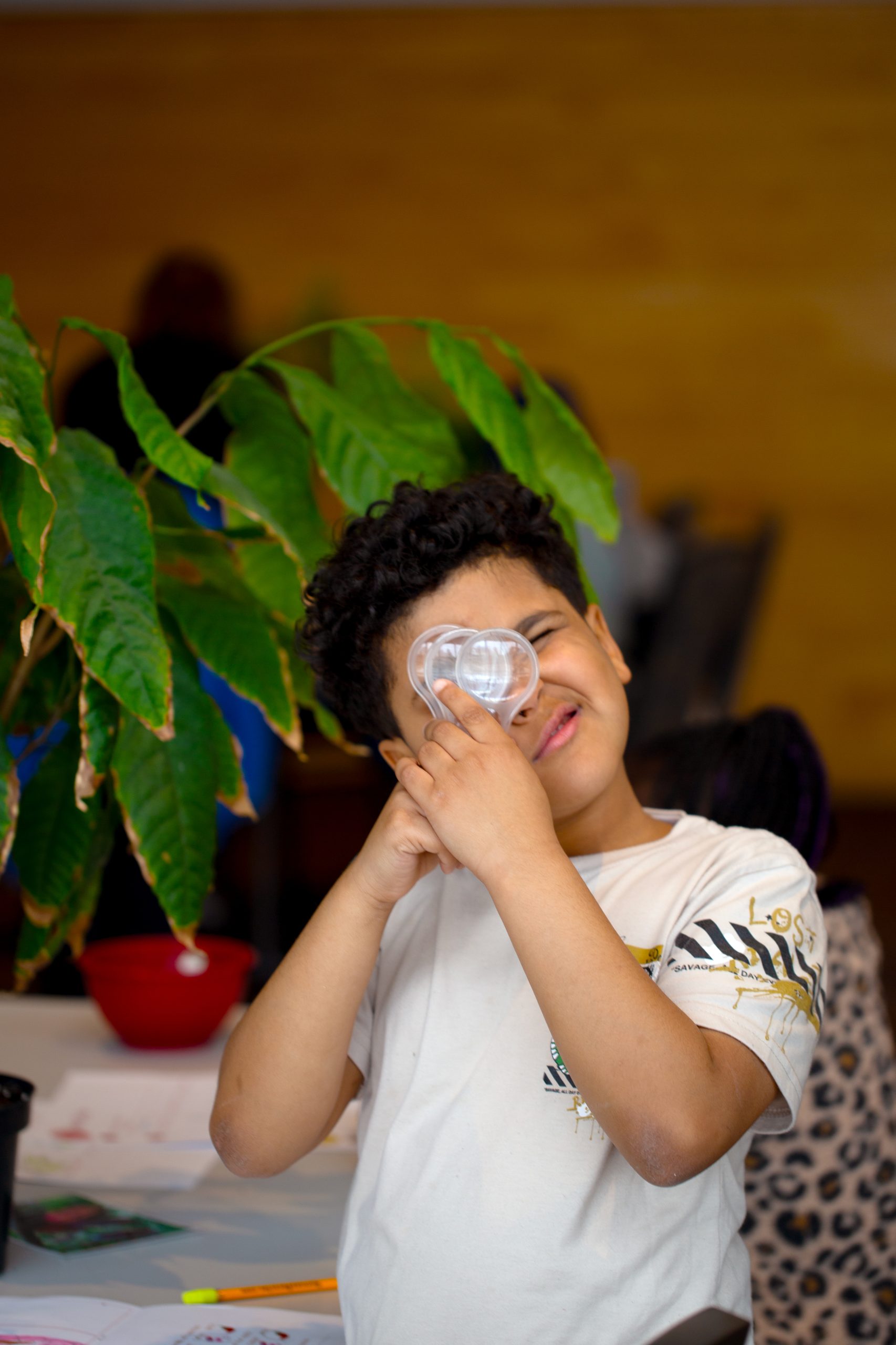
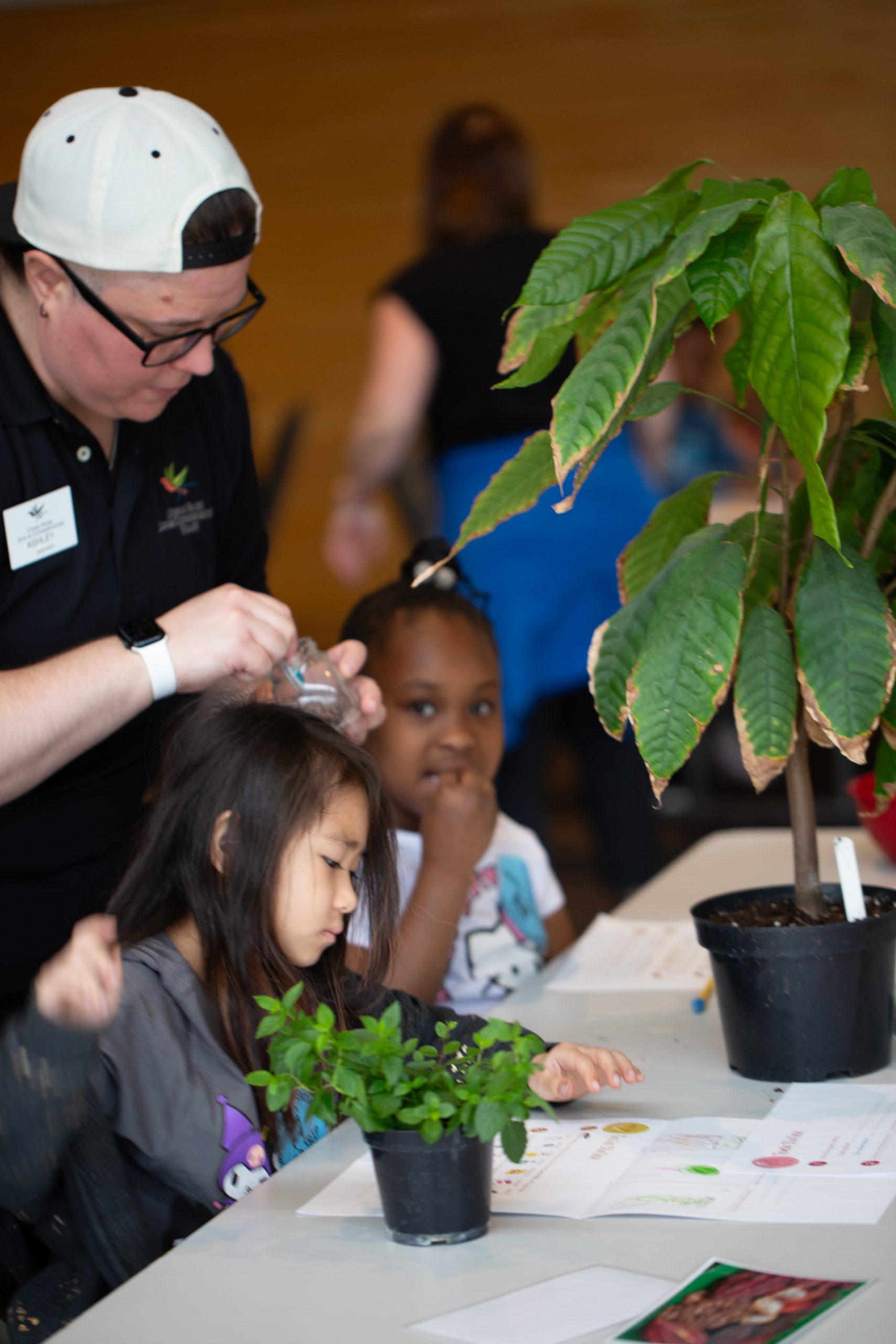
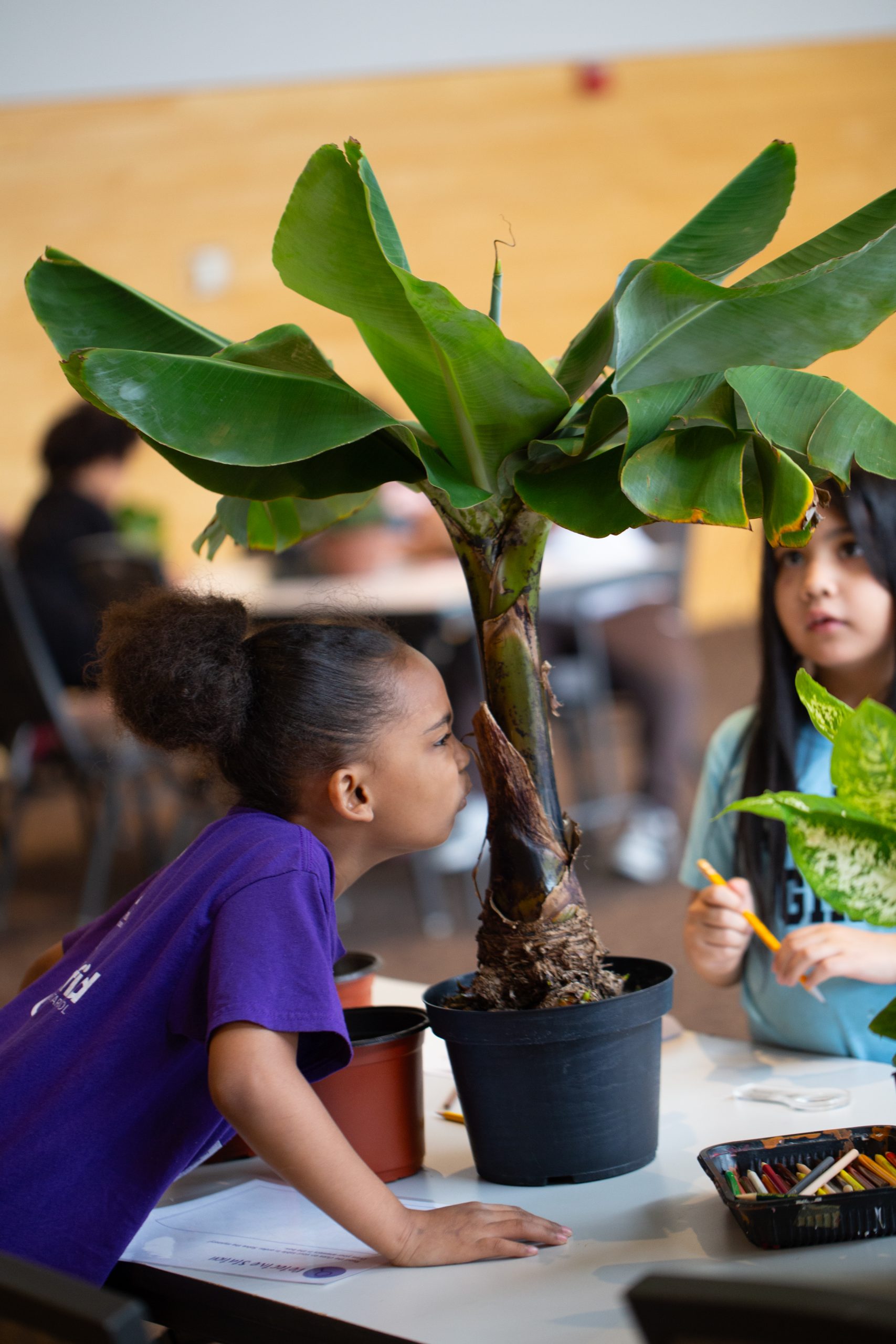
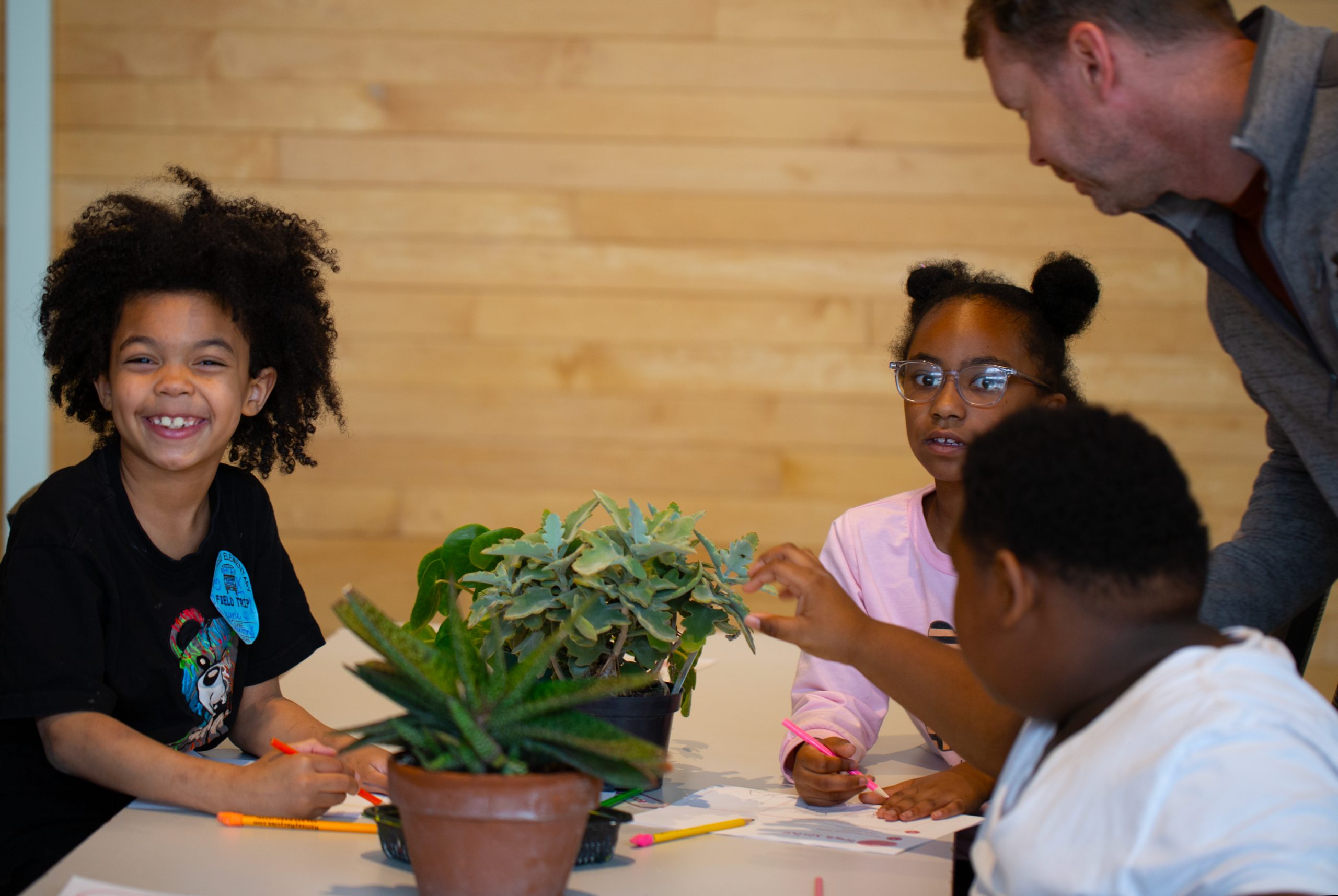
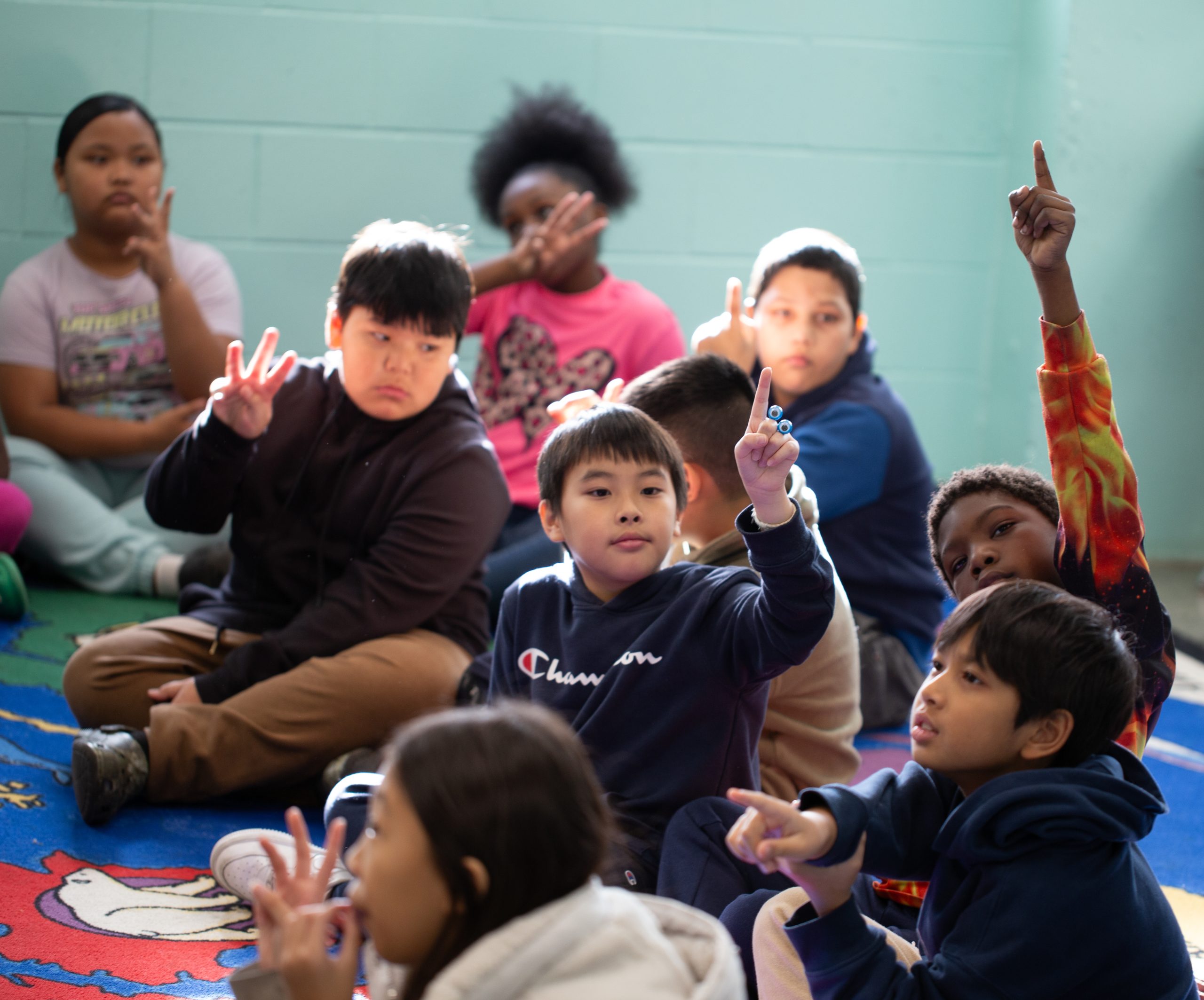
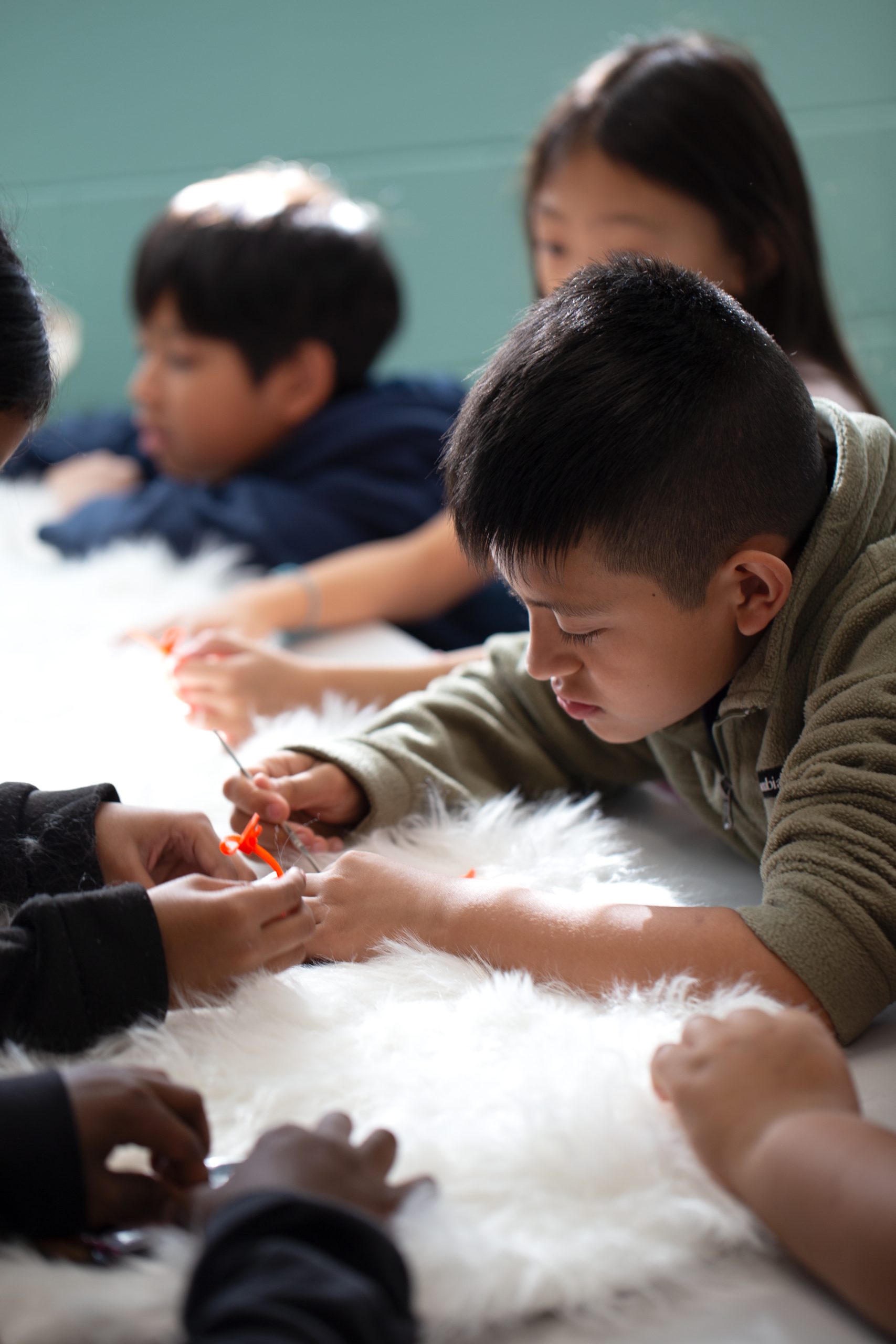
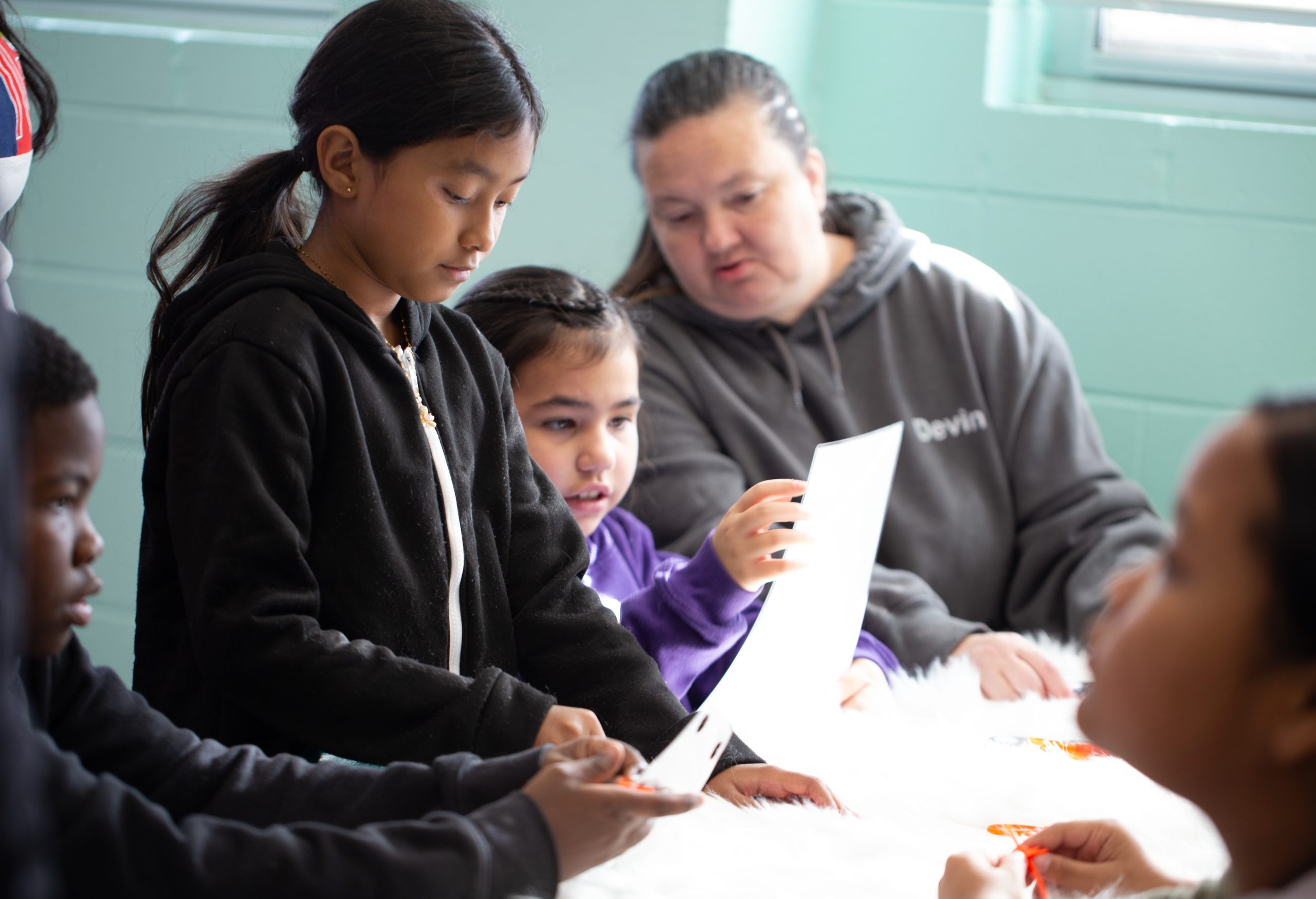
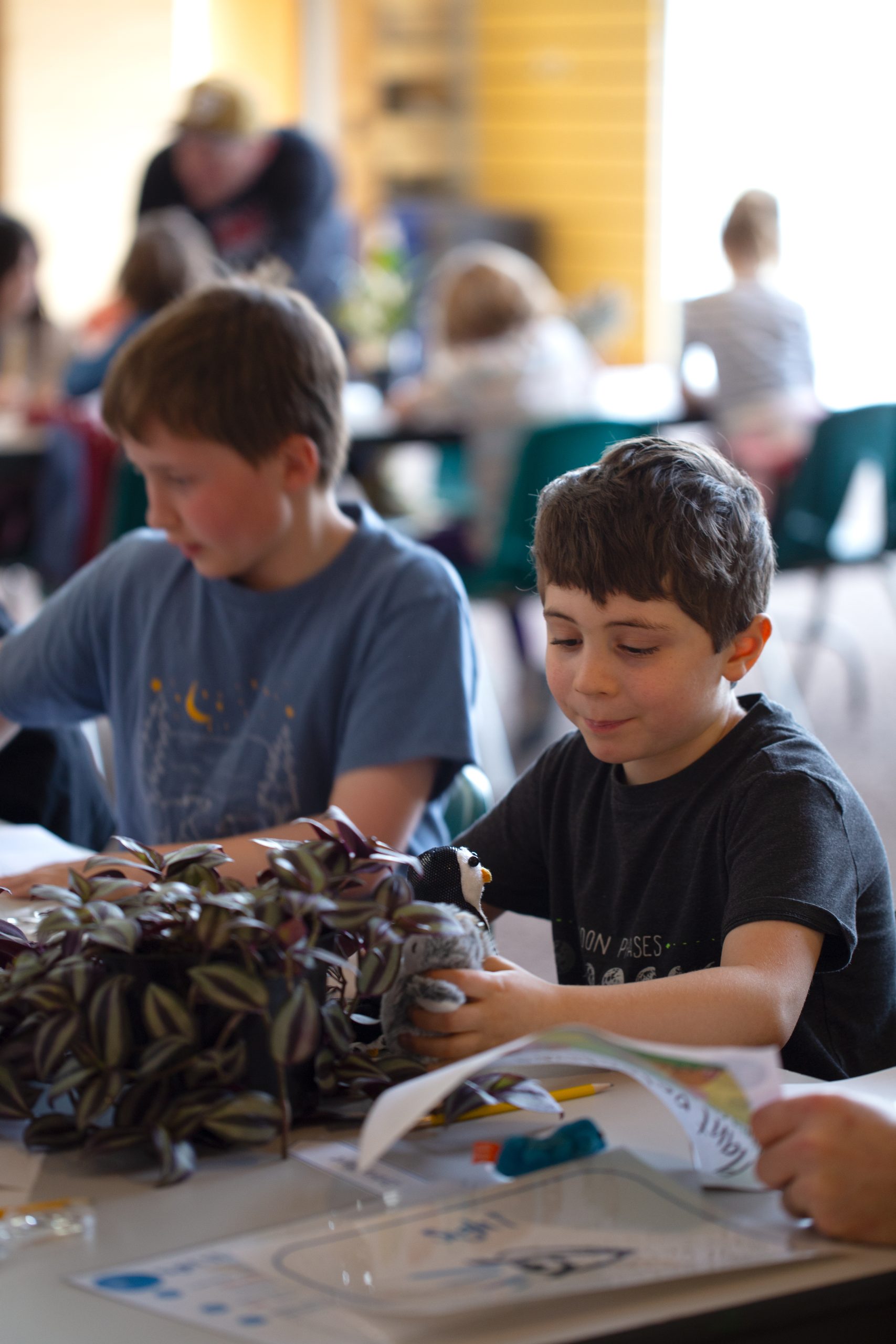
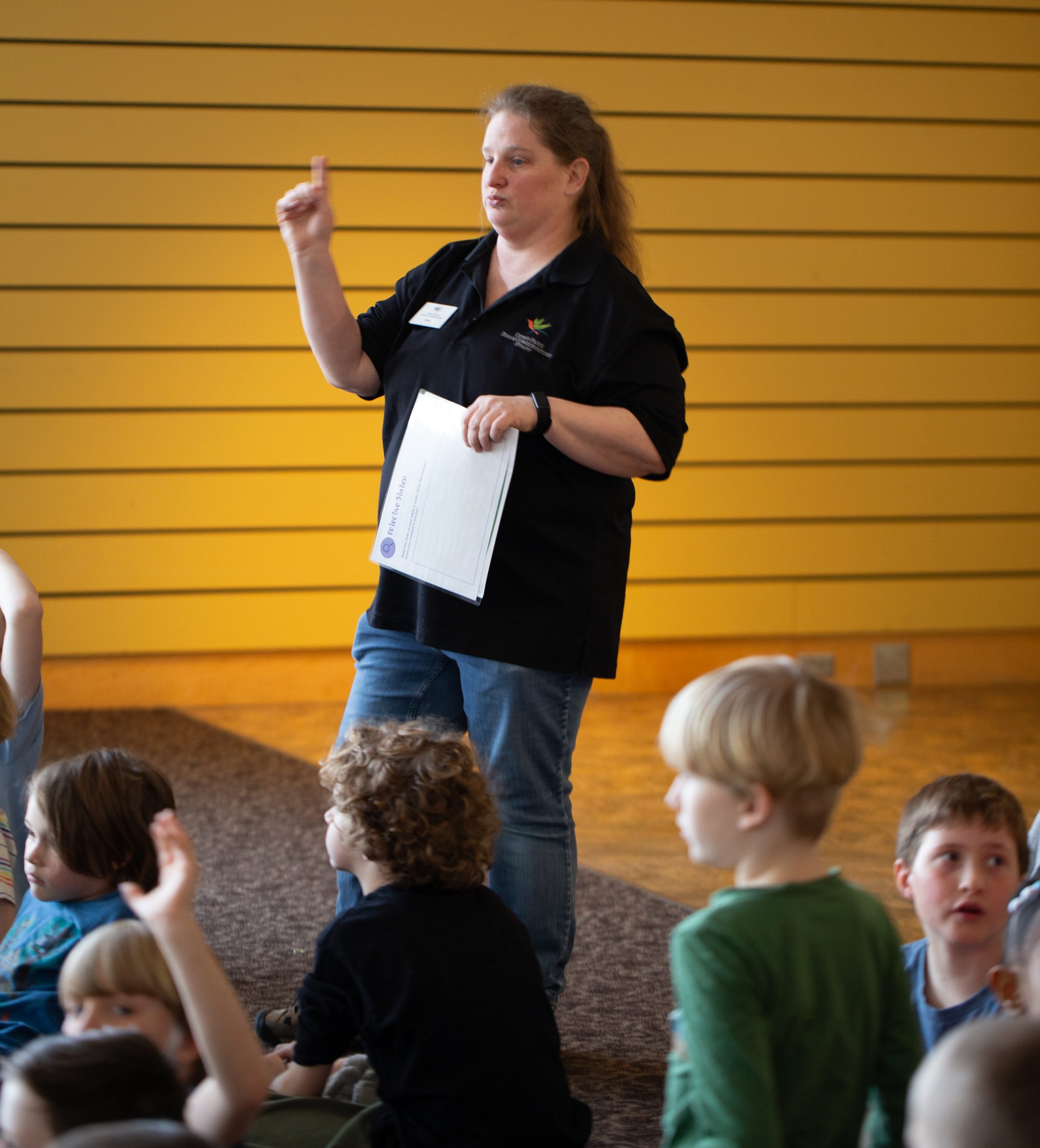
Using all five senses to explore the world of plants is the power of Plant Detectives, a popular school partnership that brings second graders from the St. Paul public schools to Como with free tuition provided by Como Friends. In a classroom in Como’s Visitor Center, small teams of students work their way from station to station, smelling, touching and observing all they can about plants, and comparing their notes in a high-energy setting guided by Como’s education specialists.
During the pandemic, when school programs like this were put on pause, virtual programs like Como Connections helped classrooms around the state learn about conservation through fun and interactive videos. But as education coordinator Tim Buer says, there’s nothing like being back in person again for getting kids fired up about learning. “It’s been great to re-establish the connection that we’ve had with schools for so many years,” he says. “We don’t even have any space left in this program, it’s been so popular with teachers.”
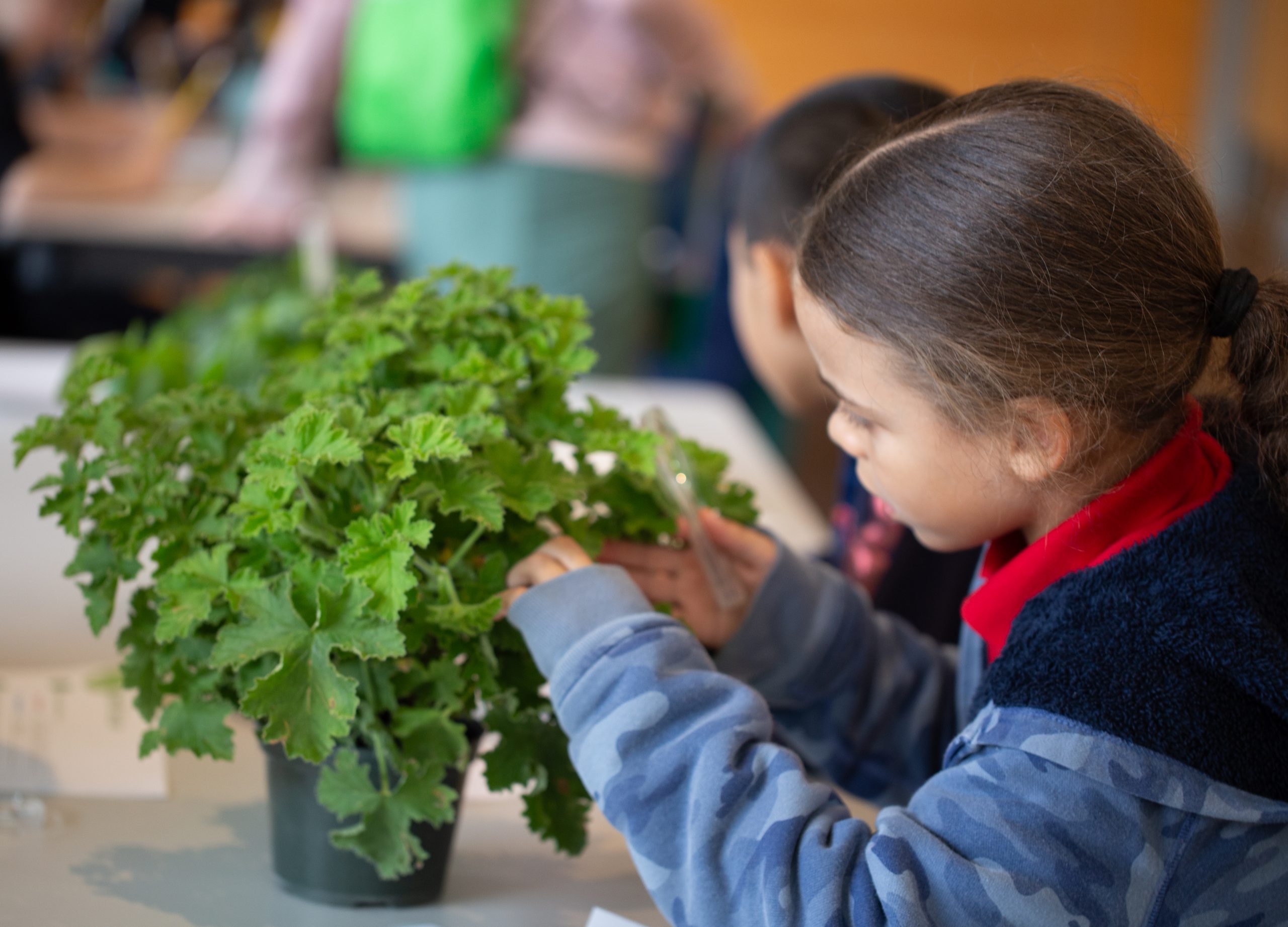
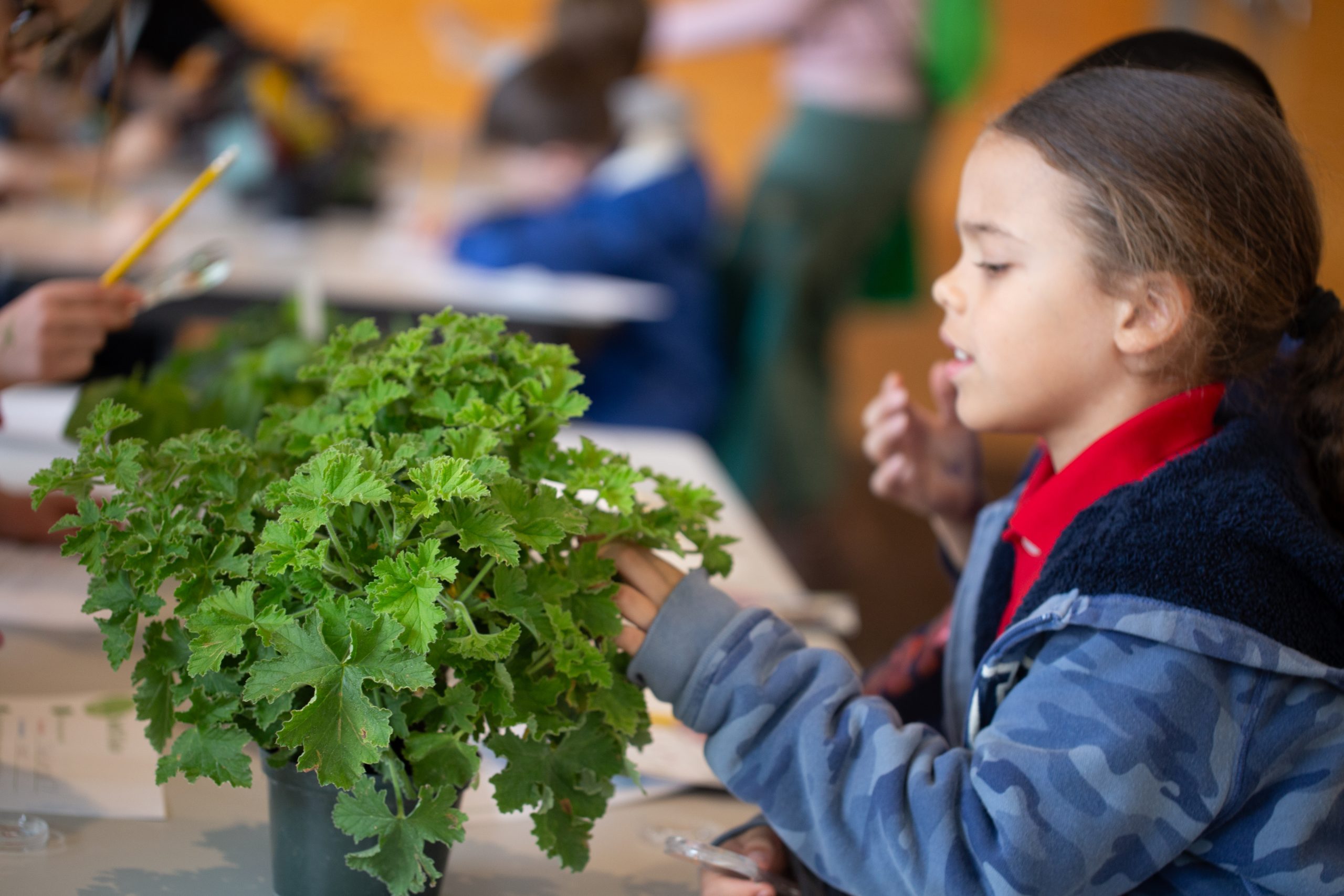
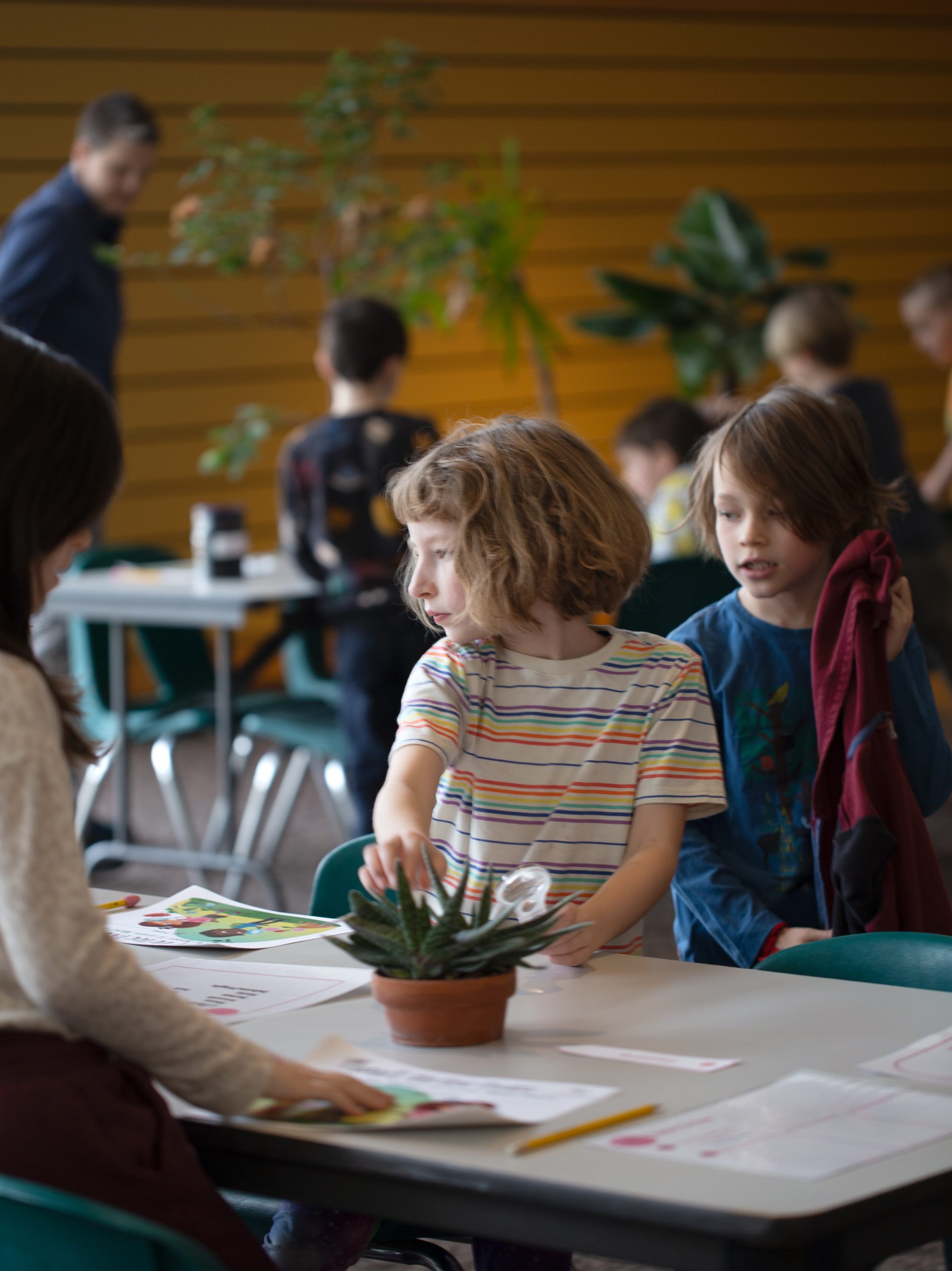
Como field trips are a familiar tradition for many schools, but this year, the conservation curriculum is taking a new shape thanks to a new education strategic plan supported by Como Friends.
“As our school partners were coming out of COVID, we took the opportunity to think really intentionally about all of our education programs, making sure that they’re all aligned with our conservation mission,” says Bekah Hanes, Como’s education and conservation curator.
Through Como’s growing partnership with Advancing Conservation Through Empathy (ACE) for Wildlife, a nationwide learning network, Como’s education programs have also been updated to reflect the growing body of research that shows that fostering empathy with animals and plants is a powerful tool in building life-long conservation behaviors.
Como visitors will notice the new conservation-focused vibe all across campus, from the full roster of summer camp programs relaunching this summer, to the new field trip enrichment stations you’ll see near the Visitor Center during the busy spring months. “It’s wonderful to hear the noise and energy of kids being in classroom spaces that we haven’t used for awhile,” says Hanes. “Seeing those school buses come back, and knowing the next field trip is on its way here brings us all a lot of joy.”
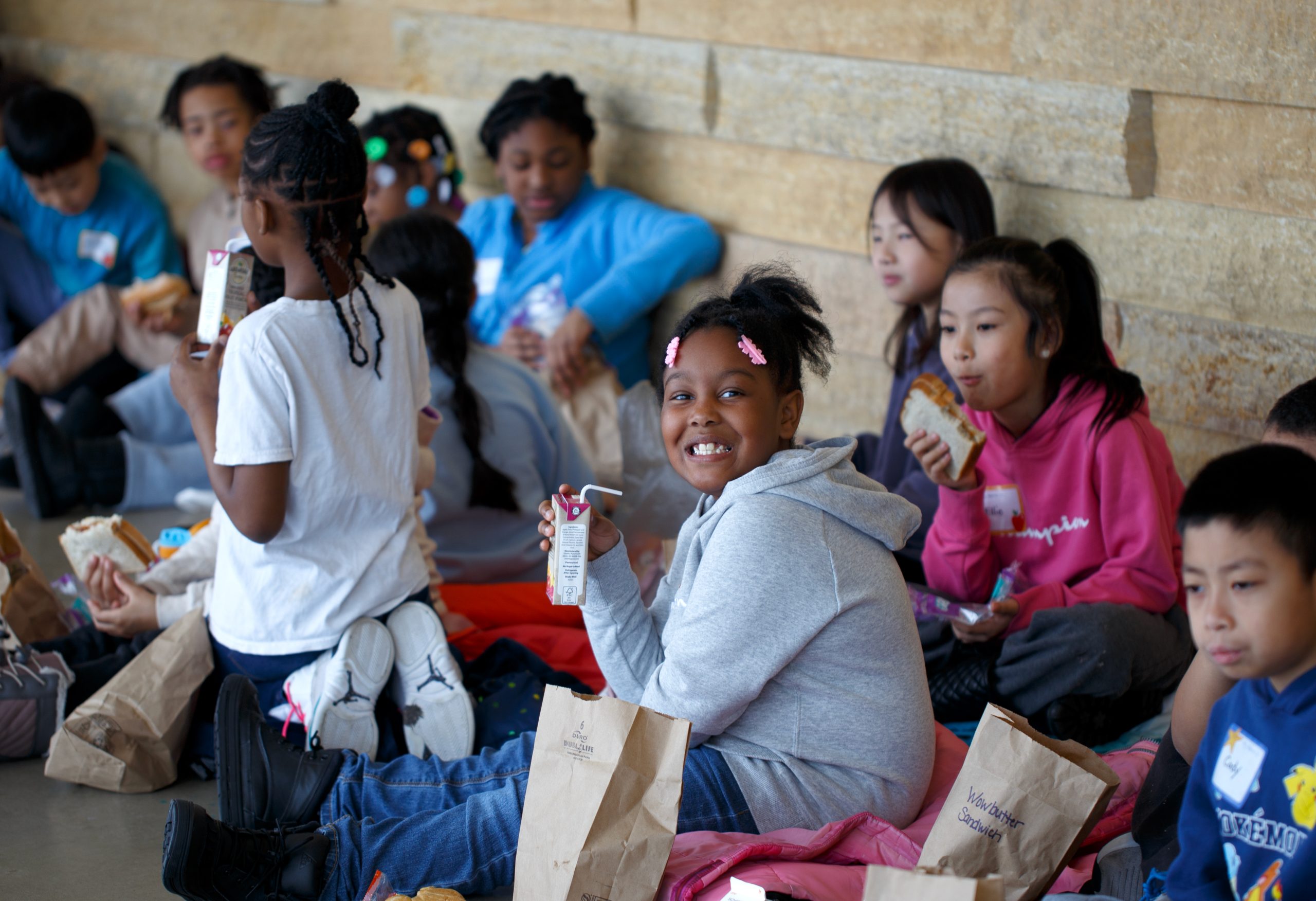
BACK TO CLASS WITH COMO FRIENDS
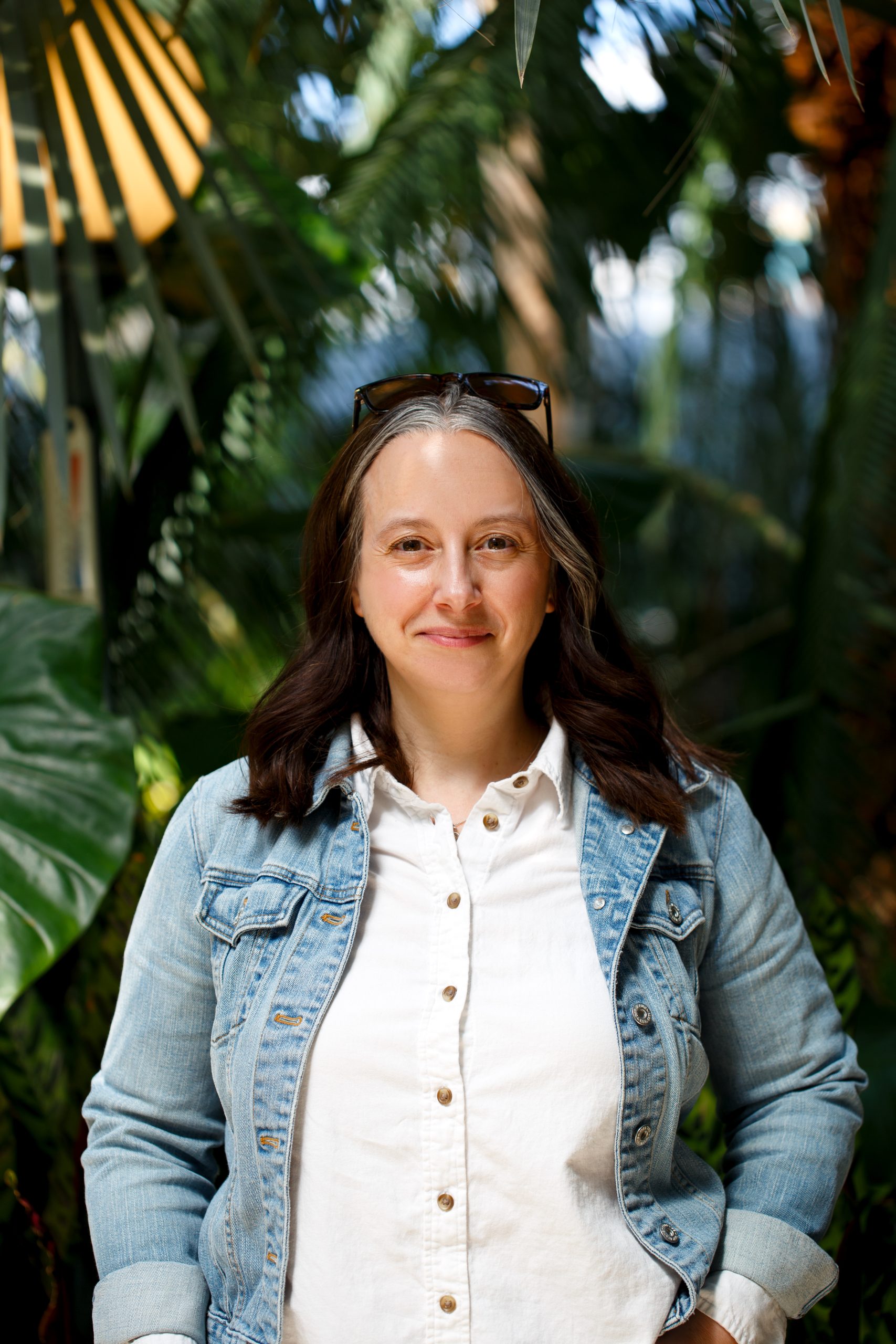
Your support for Como Friends has been critical to the resurgence of Como’s education programs this year, with new scholarship offerings for schools and families. Here’s a look:
Hitching a ride: With rates for school bus rentals on the rise, Como Friends is helping provide bus scholarships to schools in need to ensure that finances are never a barrier to school field trips.
Summer camp surge: After a successful pilot run last season, Como’s popular summer camps are making a full return with 12 weeks of great programs about animals and plants for preschoolers through sixth graders. Como Friends provided scholarship funding for families to enroll in Camp Como this season. Your Como Friends’ membership can also help save 10 percent off your registration costs.
St. Paul Partners: With field trips back in full swing, Como has resumed its popular second grade field trip program with the St. Paul public schools, a program paid for by Como Friends.
Nature Walk: Led by teens taught to interpret Como’s animal and plant collections, this engaging conservation program is all about getting the next generation excited about nature. At interpretive carts stationed around Como during the busy summer months, Nature Walk volunteers role-model what’s cool about conservation, connecting with an estimated 200,000 visitors every year.
Curriculum Updates: With a new focus on fostering empathy with animals and plants, Como’s education department hired a dedicated curriculum writer to update all of Como’s programs with best practice strategies for inspiring the next generation of environmental stewards.
Personalizing nature is one of the first steps in protecting it
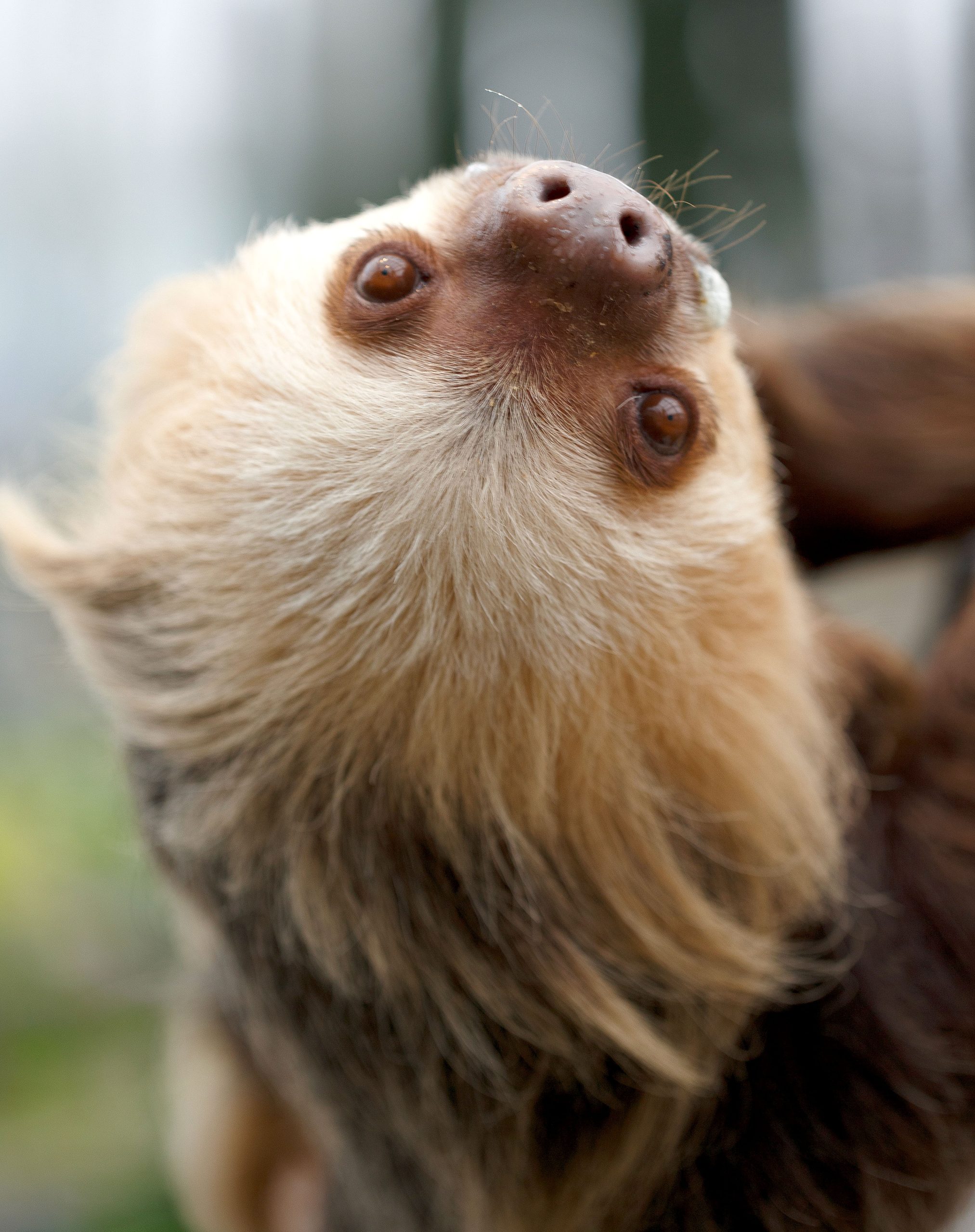
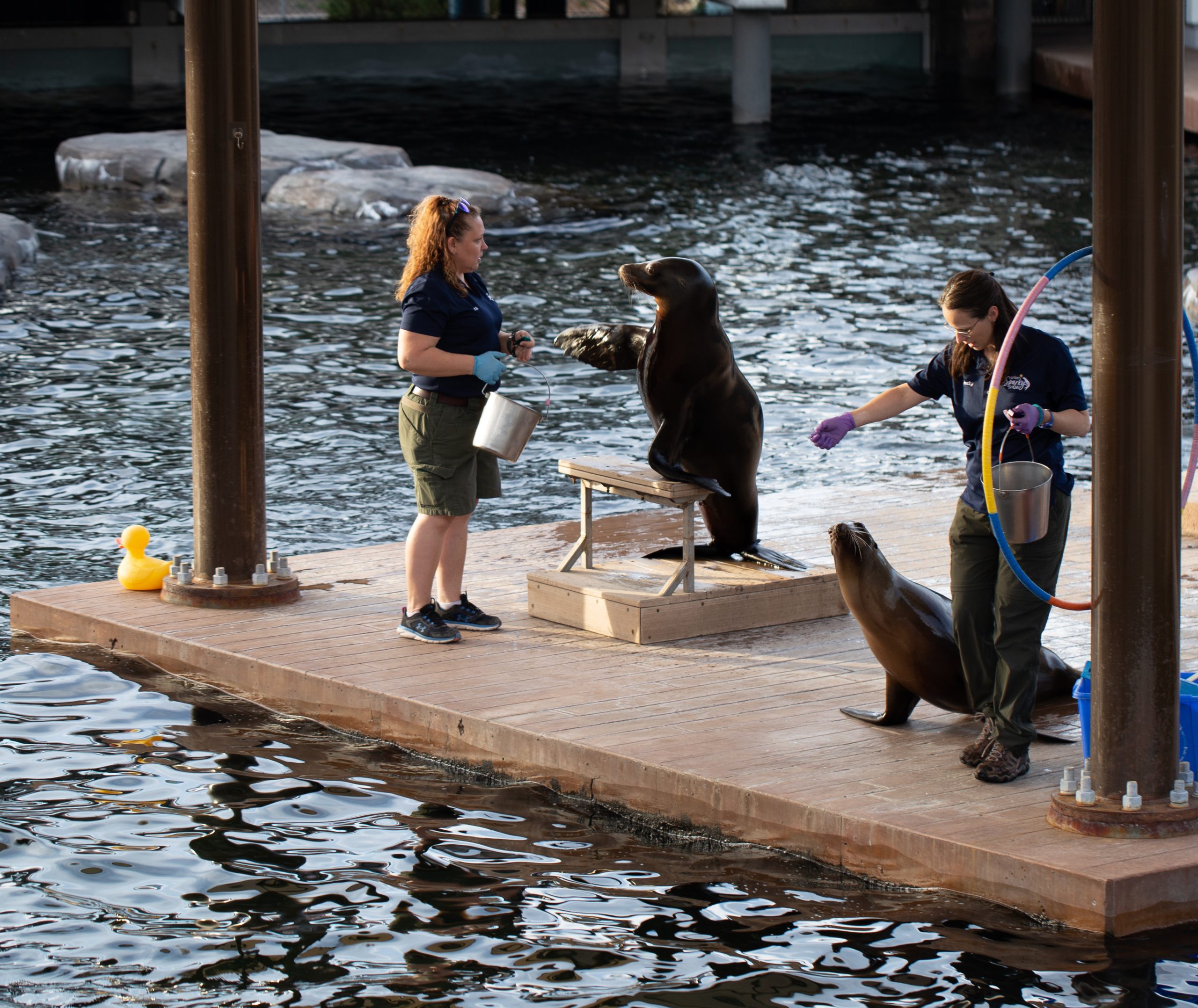
Sparky, Neil, Chloe, and Schroeder are just a few of the Como Park Zoo & Conservatory animals known to millions of visitors by their first names. Though there was once a time when zoos shied away from showcasing the individual animals in their care, a growing body of research now tells us that encouraging the public to forge personal connections to nature is one of the best ways to protect it.
That thinking is the driving force behind a series of new education and engagement strategies now in effect at Como Park Zoo & Conservatory, thanks to support from Advancing Conservation through Empathy (ACE) for Wildlife, a learning network of AZA-accredited zoos, aquariums, and other institutions exploring effective practices for fostering empathy for animals.
“The old theory was that simply sharing knowledge would be enough to inspire action, but what we’re coming to realize is that fostering meaningful emotional connections is just as important. Having empathy for an animal builds the desire to act on their behalf,” says Bekah Hanes, Como’s education and conservation curator. “Empathy is a skill you can develop and build on, and it’s becoming an important tool to help people cross the finish line from thinking about conservation to actually acting out those values, long after a zoo visit is over.”
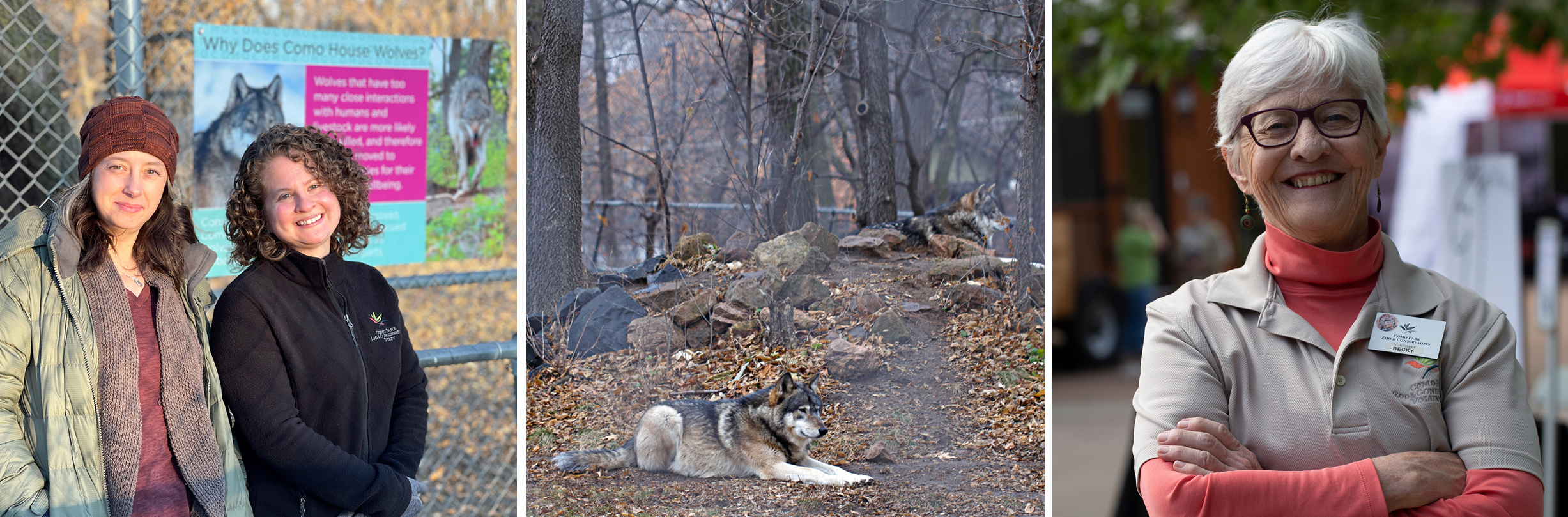
The official shift toward empathy-focused engagement started in 2016, when Como Friends secured a major grant to help Como Park Zoo & Conservatory implement a new education and engagement strategy called the ROADMAP (Reaching Our Audiences by Developing Mission Aligned Programs). While the pandemic put a pause on public education programs for a time, Como continued to move ahead with its mission, securing grants from ACE for Wildlife to rewrite Como’s volunteer interpretive programs with an empathy focus, to use empathy as the lens for a new education strategic plan, and to create new permanent signage in the wolves and large cats habitat that uses empathy-inspiring language. While Como is one of the inaugural members of the ACE for Wildlife Learning Network, a special project of Seattle’s Woodland Park Zoo, the empathy movement is gaining ground with many other AZA-accredited zoos and aquariums.
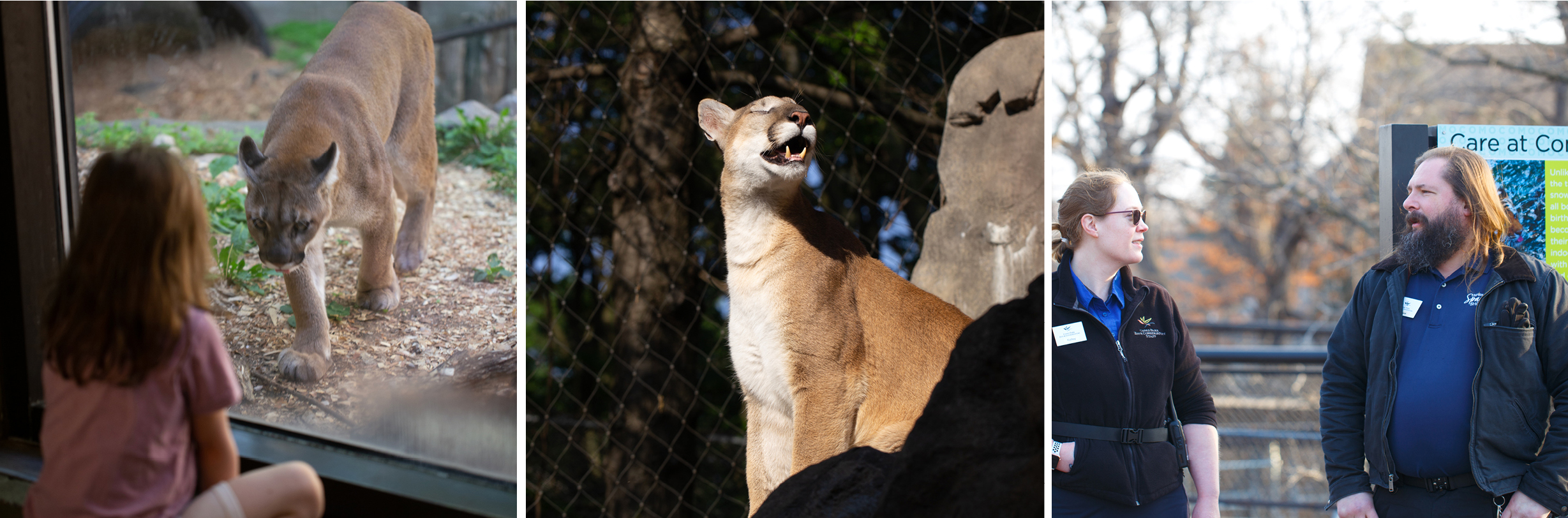
Public Engagement Coordinator Kelsey Raffel says “it’s a great shift that’s happened in a relatively short amount of time,” in part because it embodies an approach toward audience engagement that Como’s keepers, horticulturists, interpreters, and educators gravitate toward naturally. “Focusing on empathy in our education programs, volunteer training, and visitor engagement has gotten a great reception from the campus,” she says. “For instance, our interpretive staff have shared that they love talking about the individual animals we care for, their personalities and likes and dislikes, and this approach really encourages them to do that.”
Jackie Sticha, president of Como Friends, says community support is critical to providing the resources Como Park Zoo & Conservatory needs to stay current as a conservation educator and a national leader in animal care. “More than 20 years ago, Como Friends funding helped Como Zoo make a shift toward positive reinforcement training for animals, and we see this empathy work as part of that same evolution,” she says. “It’s just natural to want to know the names of the animals at Como Zoo, and now the research tells us it’s also a really powerful way of connecting visitors to the natural world.”
Parking will Remain Free at Como Park Zoo & Conservatory!
Como Friends is happy to share that the City of Saint Paul has determined that parking will remain free in Como Regional Park, including at Como Park Zoo & Conservatory and will not be pursued for the 2021 budget.
The decision was made based on findings from the Paid Parking Feasibility Study. Key discoveries included a likely decline in people visiting Como Park Zoo & Conservatory because of paid parking and a decline in food and retail purchases during a visit.
Como Friends will advance our mission-driven work to inspire support for the zoo and conservatory so it remains a vibrant and welcoming place where future generations can explore and make memories.
Be sure to join our Como Promo email newsletter list at https://comofriends.org/get-involved/the-como-promo/ to stay informed on the latest developments, and to learn more about Como Friends’ advocacy work on behalf of the nearly two million visitors who come to Como Park Zoo & Conservatory every year. Thank you for all you do to support free access and needed improvements at Como Park Zoo & Conservatory, to ensure this beloved treasure is thriving for generations to come.