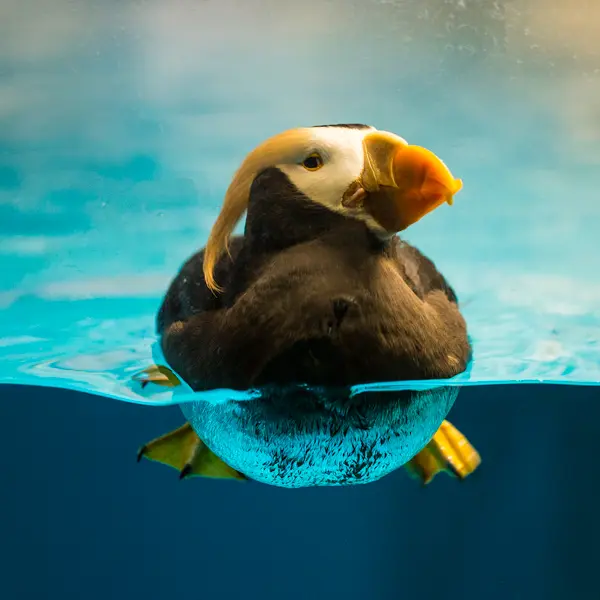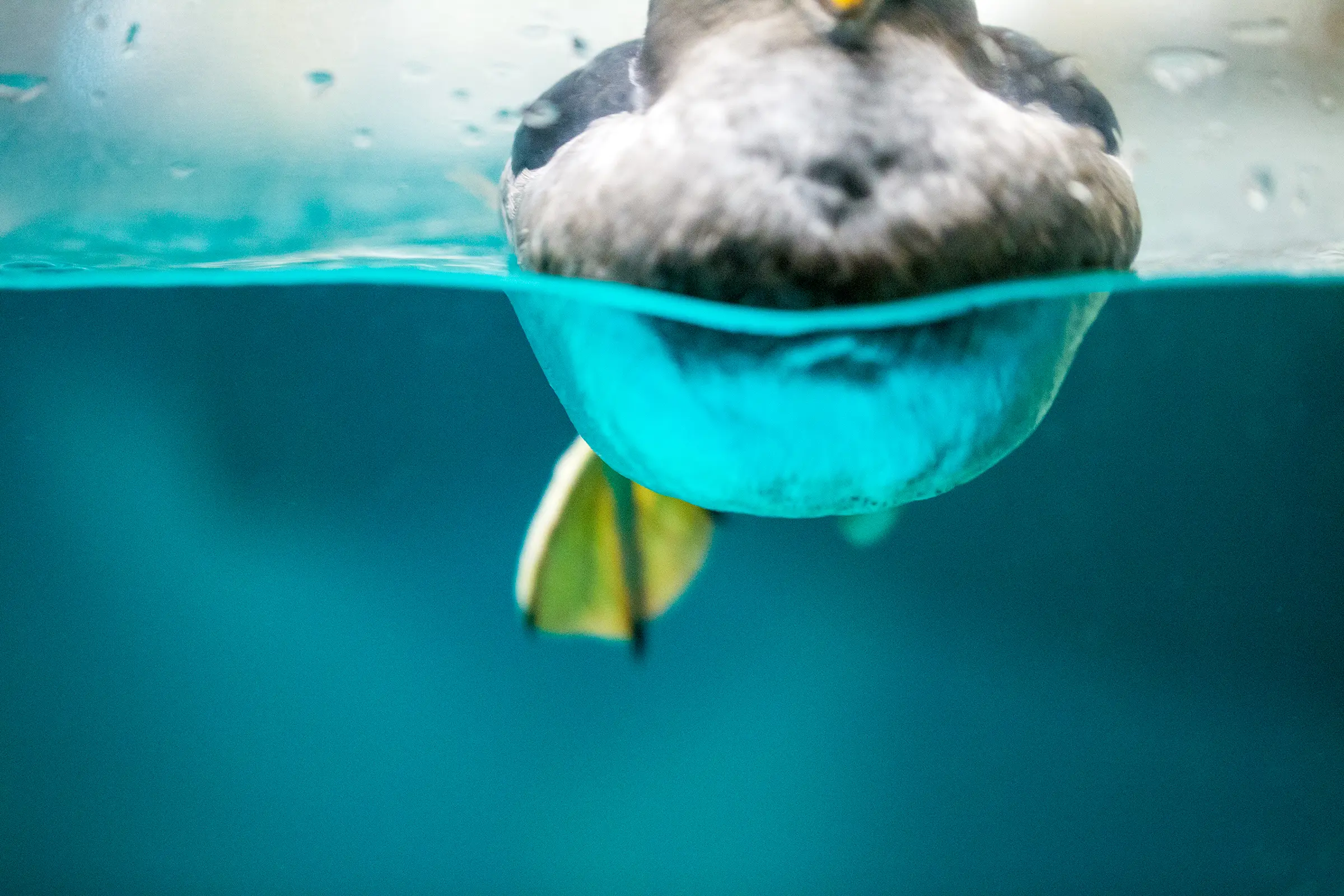

As a Conservation Champion, zookeeper Melanie Haut’s passion for puffins has taken her from coast to coast, studying the challenges facing these sturdy “parrots of the sea.”

At the start of the 20th century, tufted puffins were a common sight along the coastline from California to British Columbia, with active breeding grounds that hosted an estimated 20,000 birds. But a century later, the population estimates for these colorful sea birds have declined to fewer than 2,000, an order of magnitude that’s sparked California, Oregon, and Washington to classify the tufted puffin as a species of special concern.
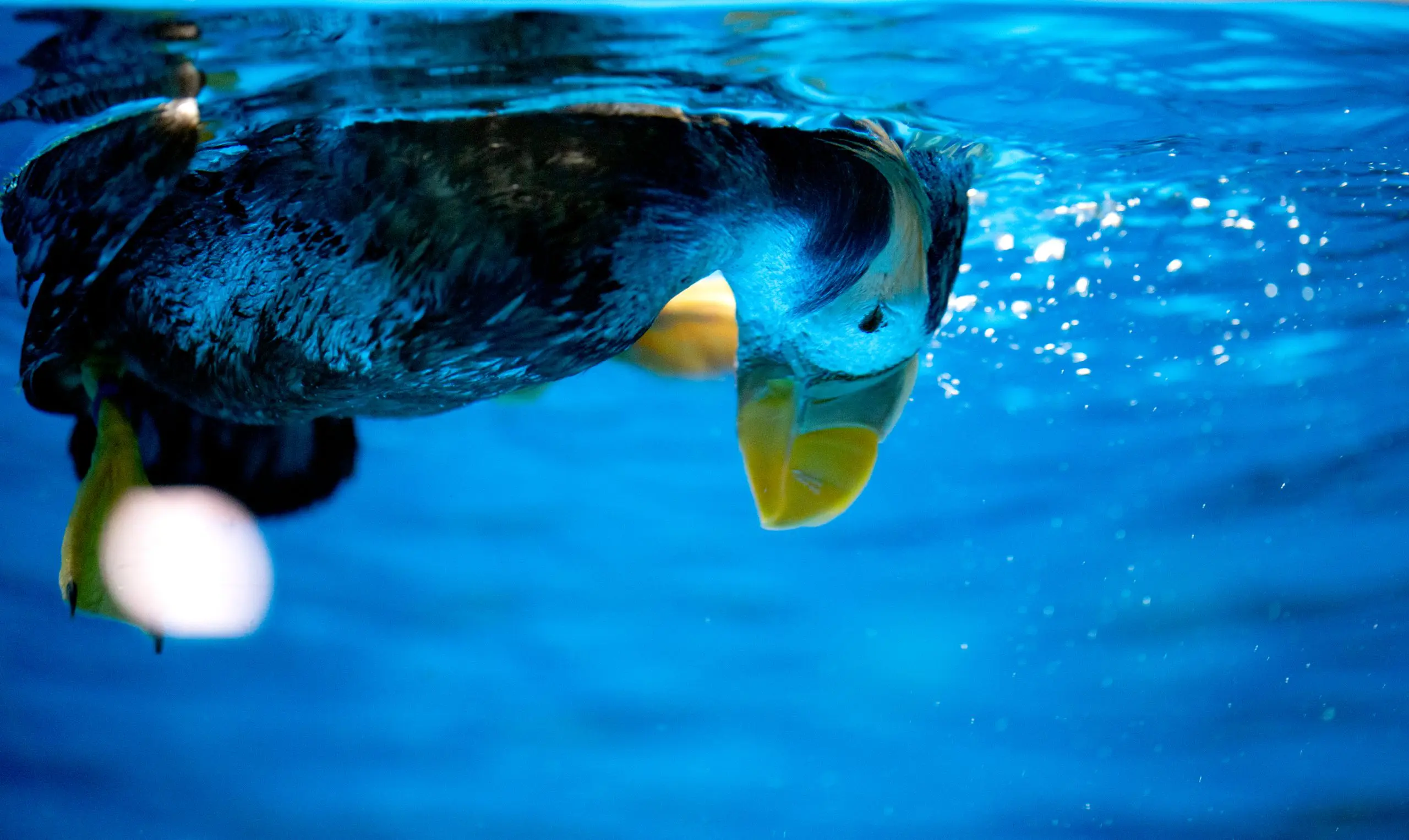
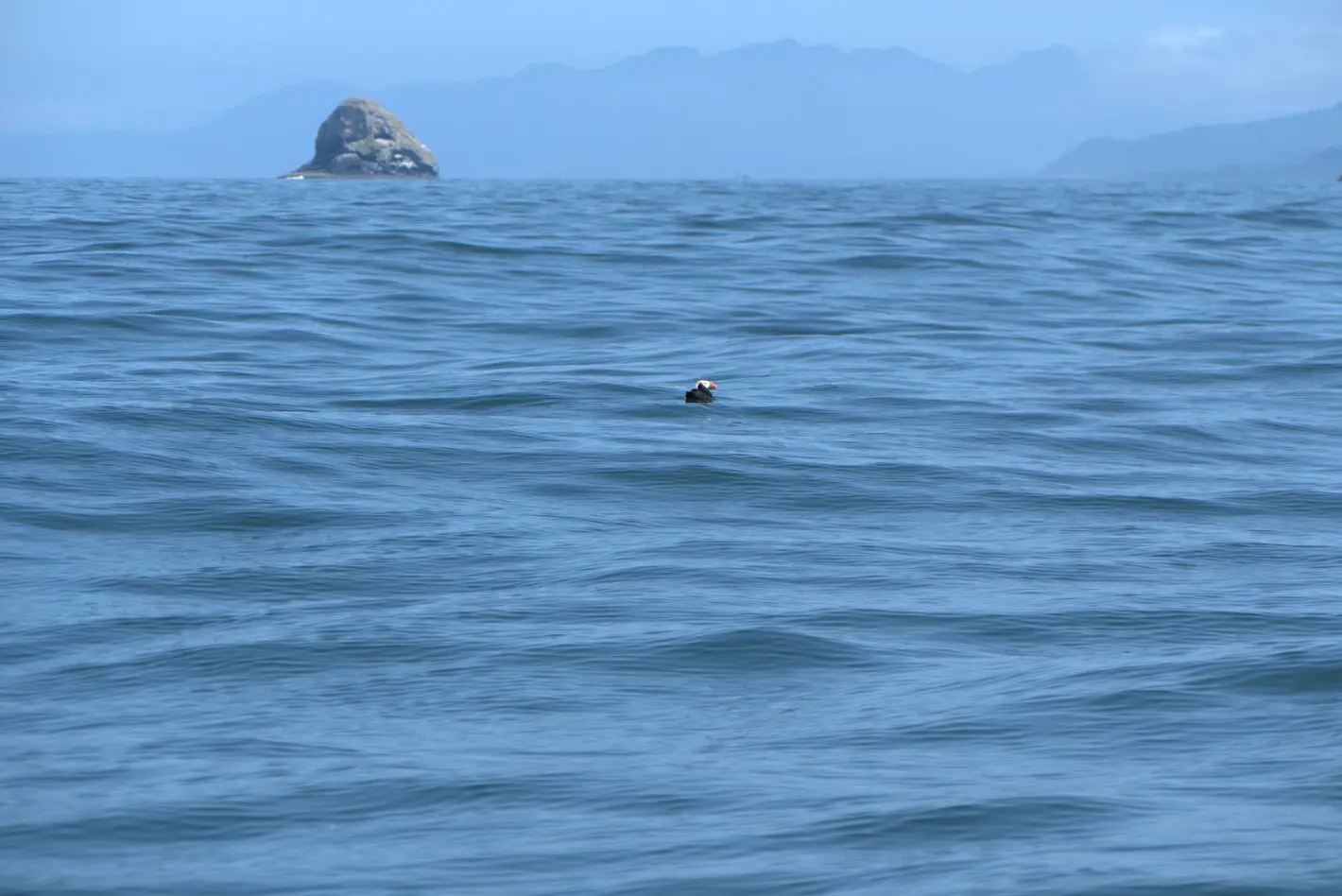
Tufted puffins have always been a special concern for Como Zoo aquatics keeper Melanie Haut, who has a serious soft spot for the six tufted puffins in her care: Frenchy, Bug, Stanley, Rico, Fiona, and Loonette. “They’re just such tough little birds, and so resilient,” Haut says, noting that wild puffins spend most of their lives on the open water. “Puffins have a place in three worlds—on land, in the water, and in the sky—and that’s what makes them such interesting animals to study, because they can tell us a lot about the health of the environment.”
Back in 2020, Haut was awarded a Conservation Champions grant from Como Friends that allowed her to spend two full weeks on a remote island off the coast of Maine, counting and banding Atlantic puffins for an organization now known as the Audubon Seabird Institute. When she learned the group was launching a tufted puffin conservation project on the other side of the country last year, she wasted no time getting in touch with organizers to see how she could help.
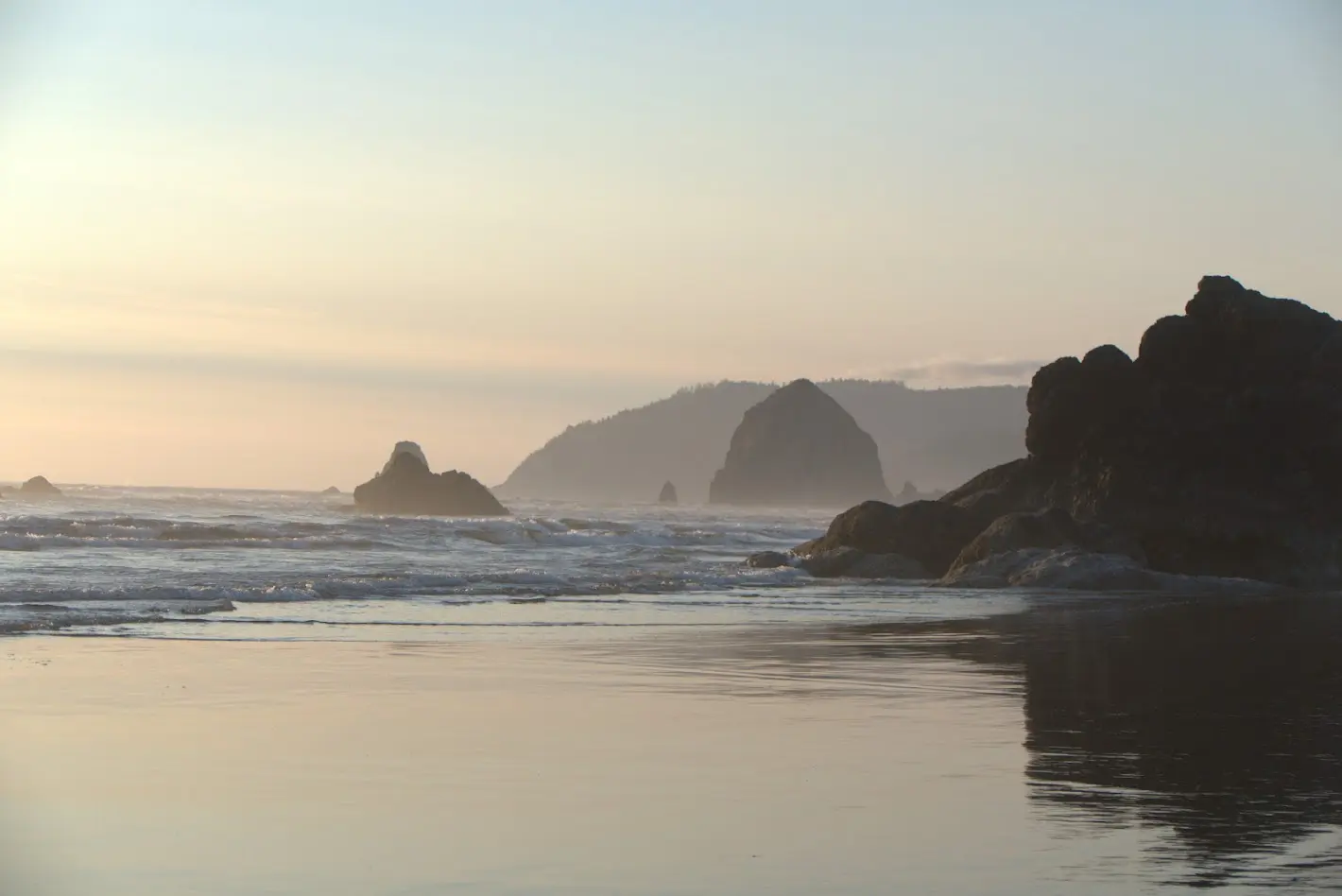
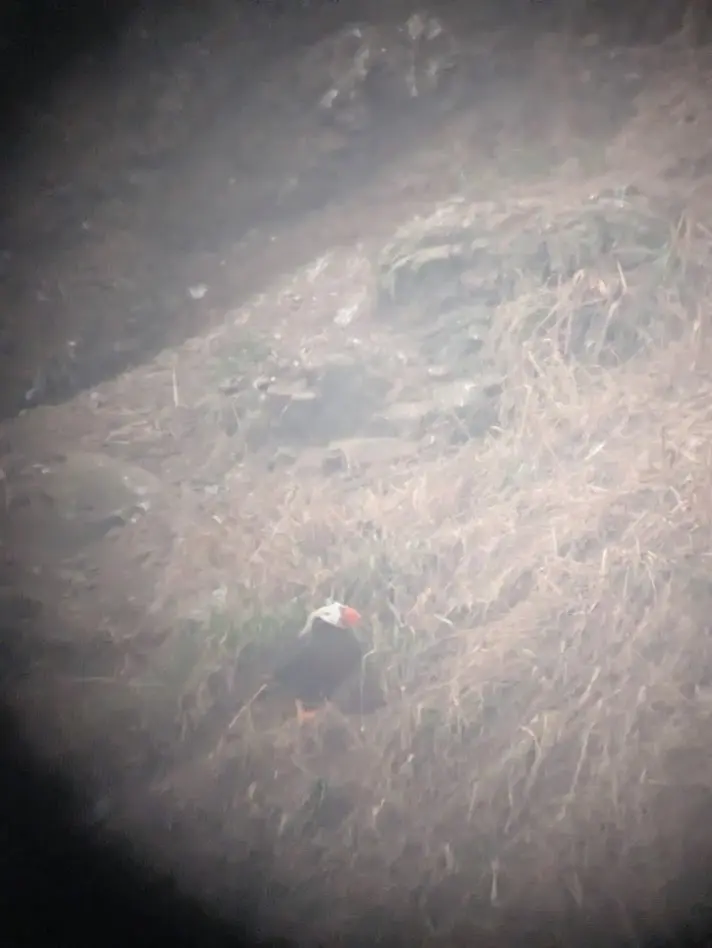
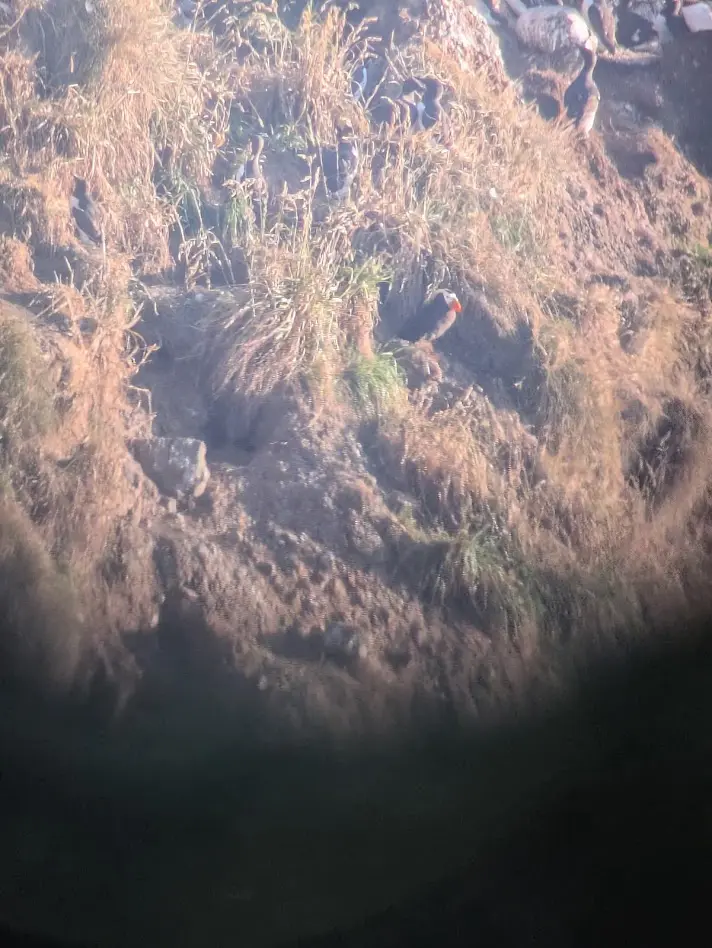
This time, Haut was tasked with setting up her birdwatching perch in Cannon Beach, Oregon, a busy tourist destination where the iconic Haystack Rock is home to an active population of puffins between April and mid-July. One of the few places in the lower 48 where it’s possible to spot puffins right from the shoreline, Cannon Beach has also become the geographic focal point for Oregon’s Tufted Puffin Conservation Working Group, a coalition of nonprofits, government agencies, and researchers gathering data about the decline of the state’s puffin population, which has dropped by about 90 percent over the last 25 years.
“They’re not gone yet,” Haut says about the estimated 500 puffins that still return to the Oregon coast. “But we don’t know how fast they’re declining, or exactly why. And you need numbers to get legislation.”
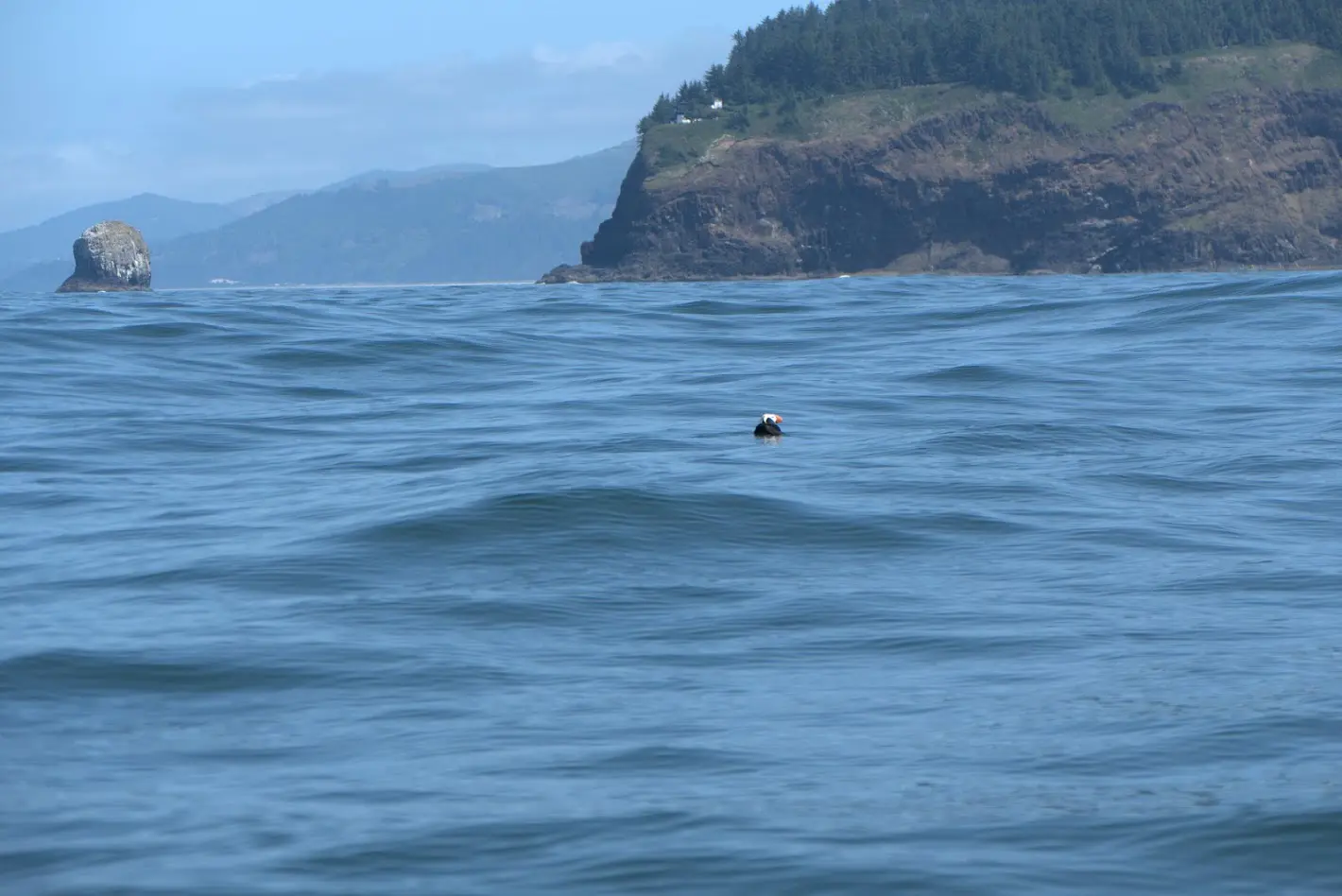
To help build a better case for conservation policy, Haut spent five days on Cannon Beach to capture the sea birds’ activities during the height of puffin season, as new chicks emerged from burrows and adult birds came and went with fish for their young. Armed with a scope and an iPad loaded with a detailed map of Haystack Rock, Haut followed the same protocol every 15 minutes, doing an instantaneous count of puffins on land, in the air, and on the water. In between counts, she also logged observational data about individual birds, a challenging task on land or sea, Haut says.
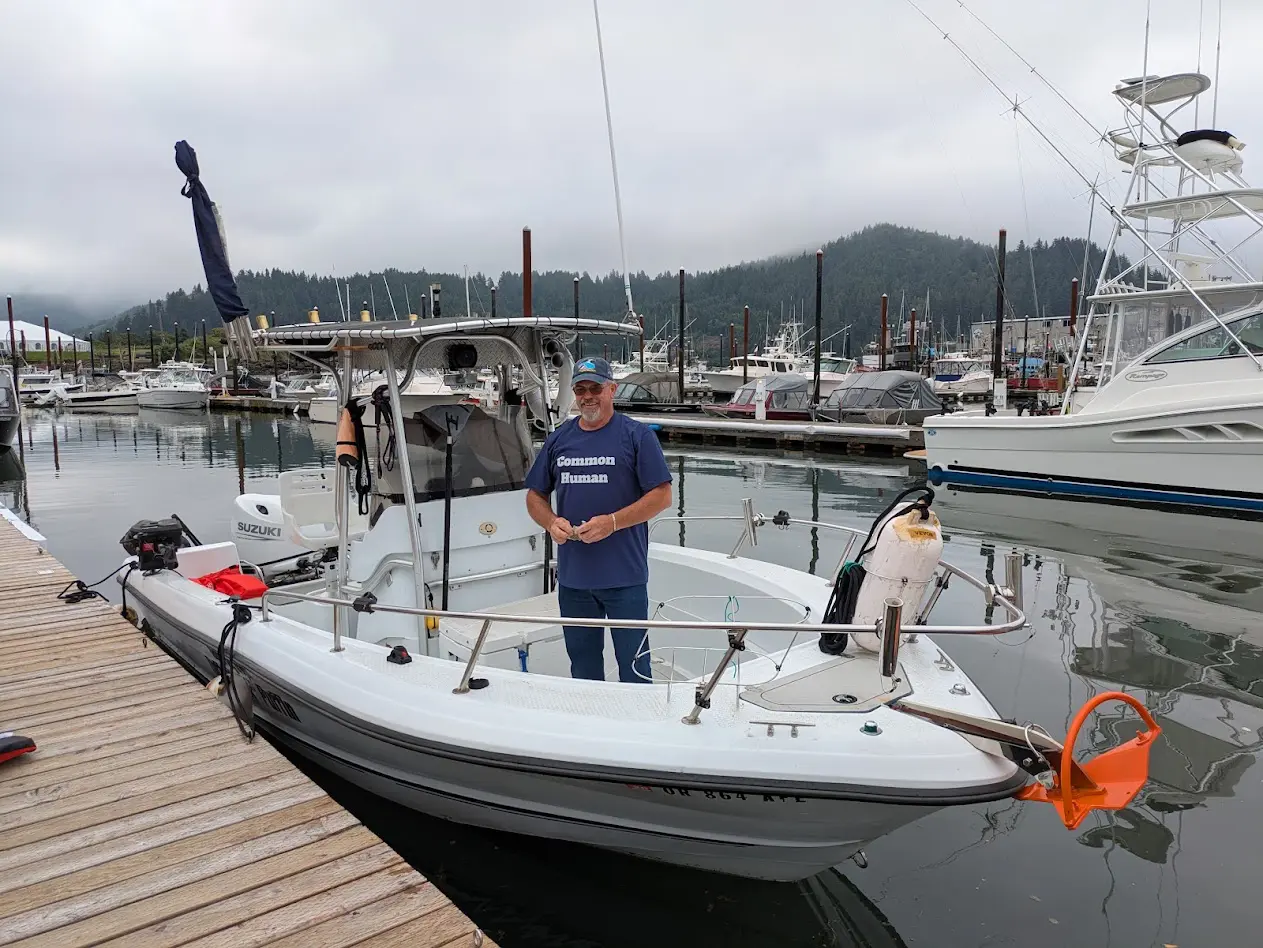
“You would find a puffin on the rock, see what it was doing, and then you’d have to match up the view of the rock with where it was on that image to try to figure out which quadrant the puffin was in,” she explains. “And when you’re on a moving boat, going over the waves, trying to zoom in through binoculars to focus on a bird is hard.”
Back at Como, Haut says seeing tufted puffins in the wild has given her fresh appreciation for the sturdiness and tenacity of Como Zoo’s colorful little sea birds, and the larger conservation story they help to tell. “There’s so much we still don’t know about how they live, but to see just one puffin flying home with eight fish in its mouth was so awesome,” she says. “It takes so much work to do what they do, it really helps you to see what tough birds they are.”
Your generosity to Como Friends helps support Conservation Champions, a microgrant program that encourages Como’s zookeepers and horticulturists to contribute to meaningful conservation initiatives in the field. Thank you!