
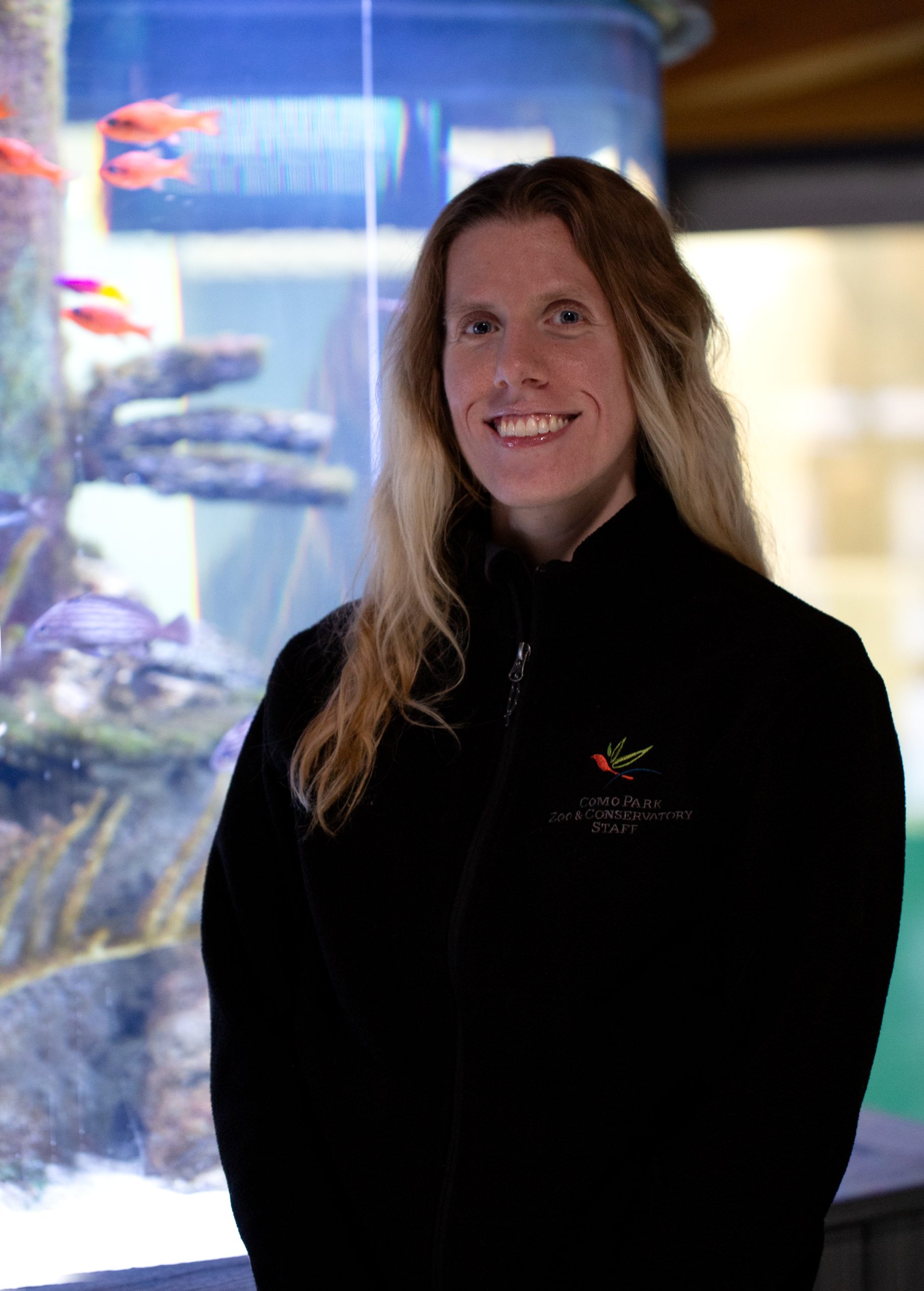
Como Zoo aquarist Gina Julio fulfilled a lifelong dream as a Conservation Champion, traveling to Fiji to support marine conservation in the South Pacific reef
From trout to tuna, marlins to mahi mahi, Gina Julio really knows her fish.
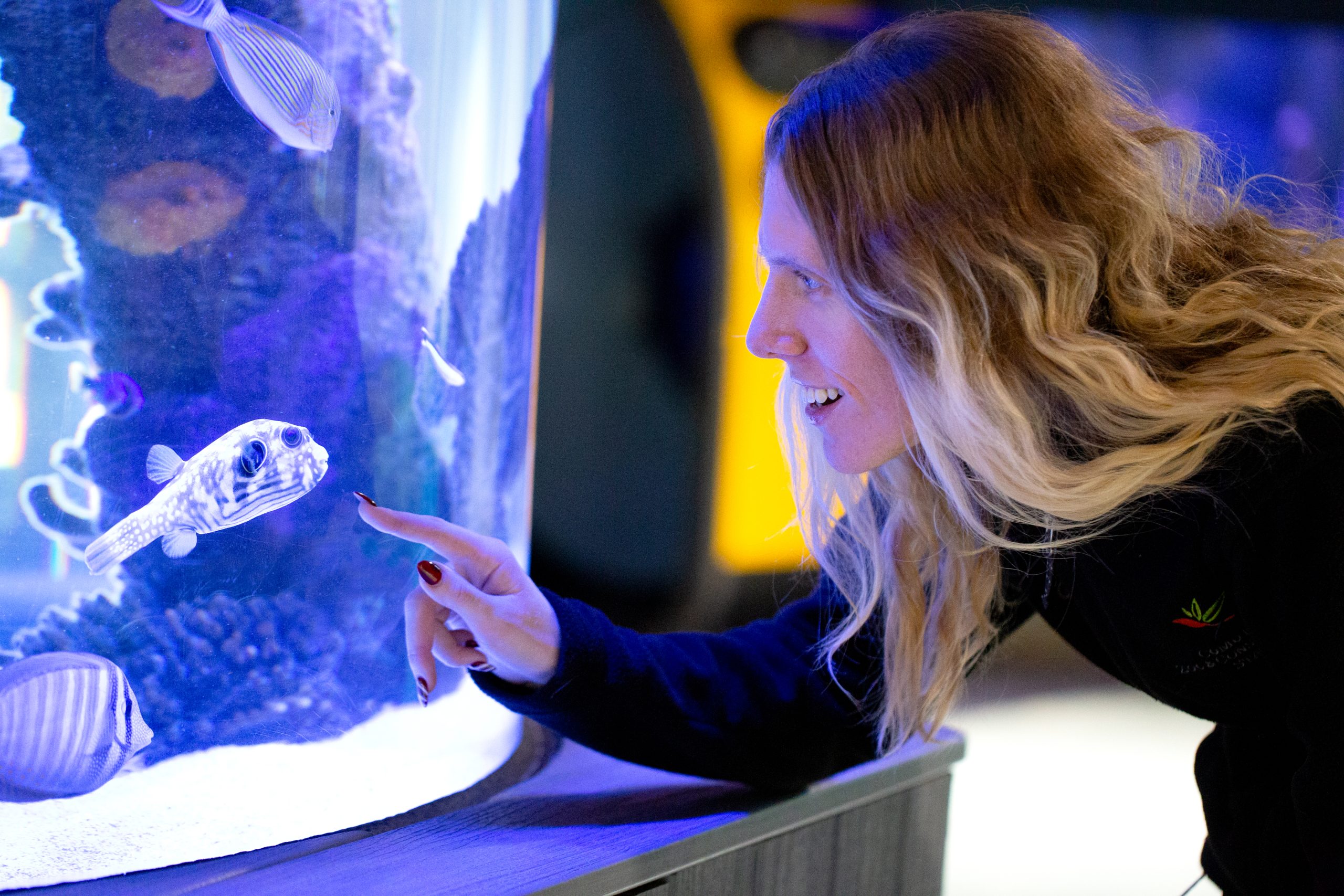
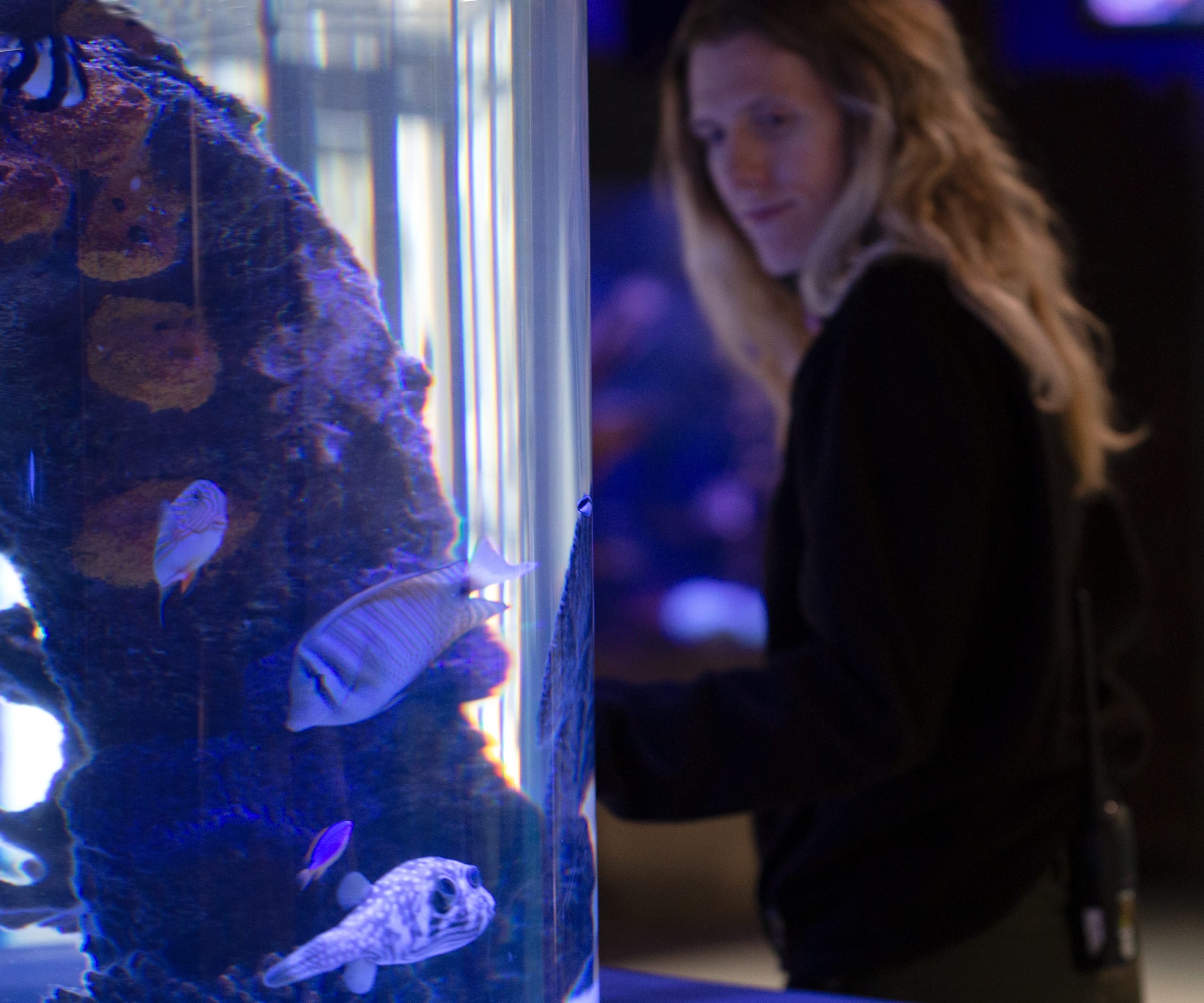
One of Como Zoo’s team of aquarists, Julio is responsible for the care and feeding of dozens and dozens of underwater denizens, including epaulette sharks, lionfish, sea anemones, and even a bright orange lobster who goes by the name of “Ryan.”
“All areas of zookeeping have specific challenges, but I find the math and chemistry required to take care of fish to be really fascinating,” says Julio. “Also, once you start getting to know fish, you find out they’re so smart, and have great little personalities.”
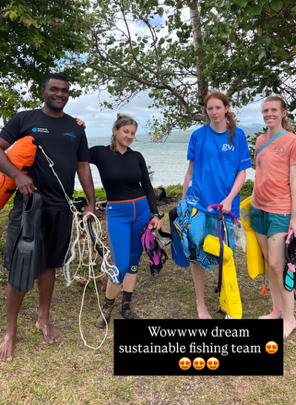
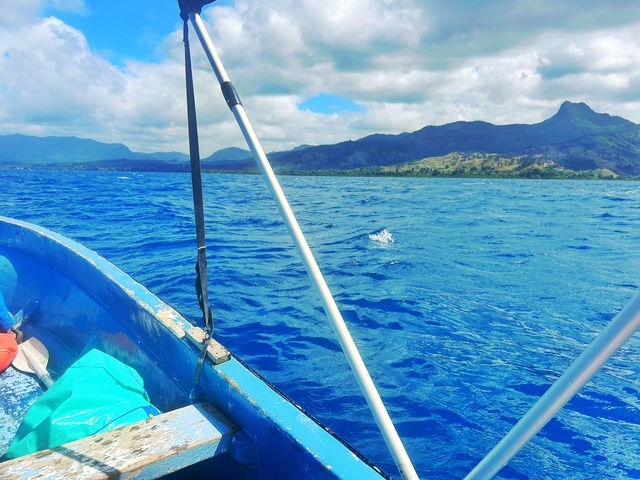
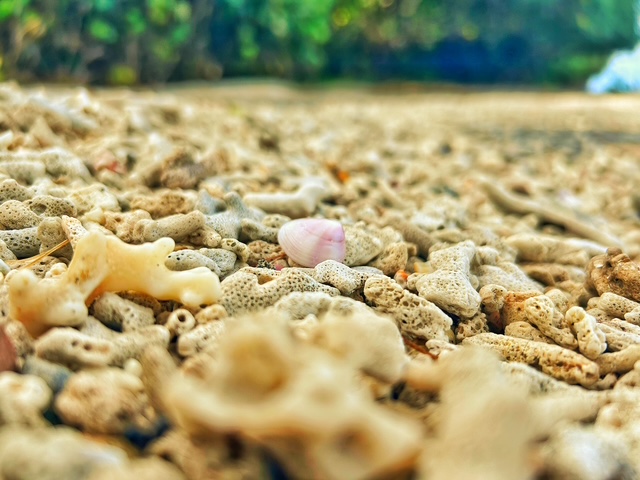
Being on a first-name basis with so many different species made Julio a very valuable addition to a marine conservation initiative in the South Pacific run by GVI, a travel-based conservation organization. As part of Como Friends’ Conservation Champions program, Julio recently traveled to Dawasamu, Fiji, to help support a variety of projects the group operates in the area, ranging from preserving the coral reef, to protecting spinner dolphins, reef sharks, and sea turtles.
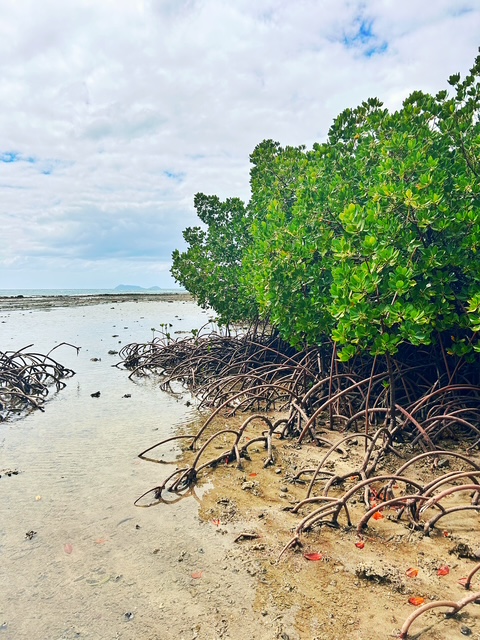
As a support volunteer at GVI, Julio helped a corps of primarily college-aged interns dive into their first experiences with conservation fieldwork. For two weeks, she took part in a range of work, from surveying the health of mangrove forests, to studying the challenges of establishing sustainable fisheries for local communities. Her favorite contribution was creating a detailed fish identification guide that will allow the group to collect even better data about the health of the South Pacific reef. “And I made it waterproof, so they can actually use it underwater,” she says.
As part of the trip, Julio also immersed herself in the life of a small fishing village, seeing firsthand how thoughtful conservation projects can benefit wildlife and the local populations that depend on them. “Staying in this small fishing village, we became a part of the community, going to church and going to community events with our hosts,” she says. “As an anthropology minor in college, I loved the chance to learn more about Fiji’s culture.”
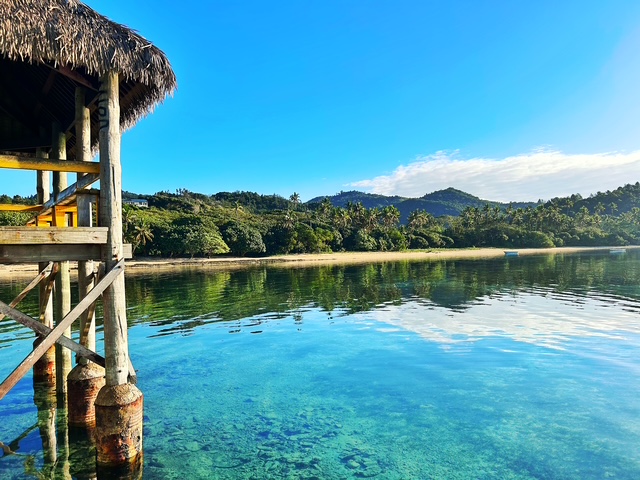
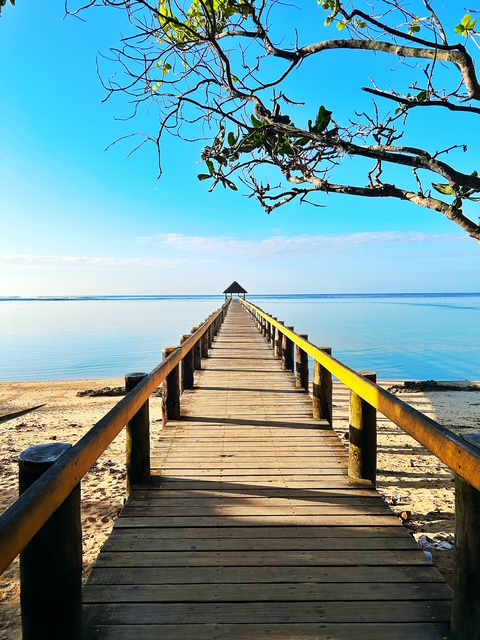
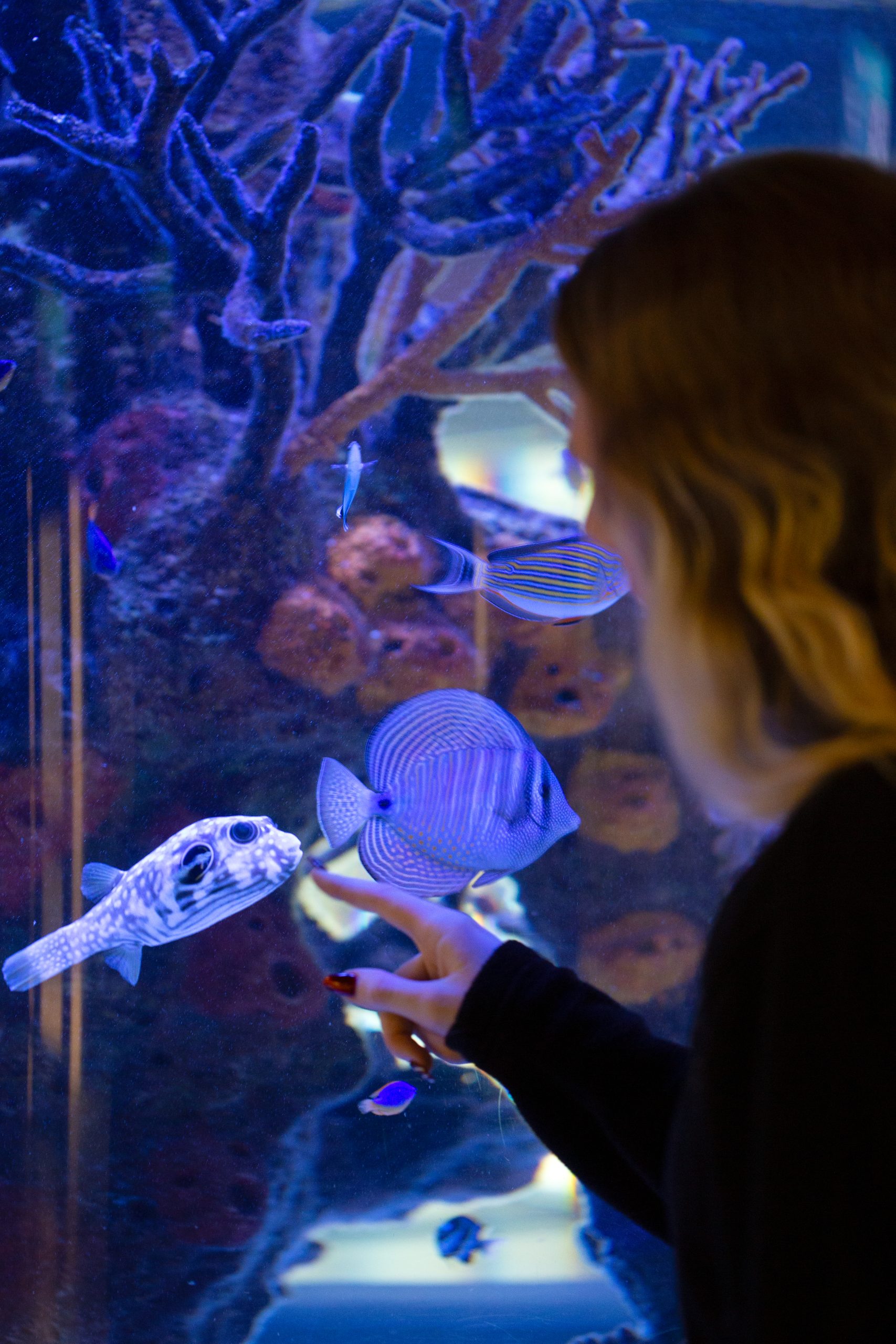
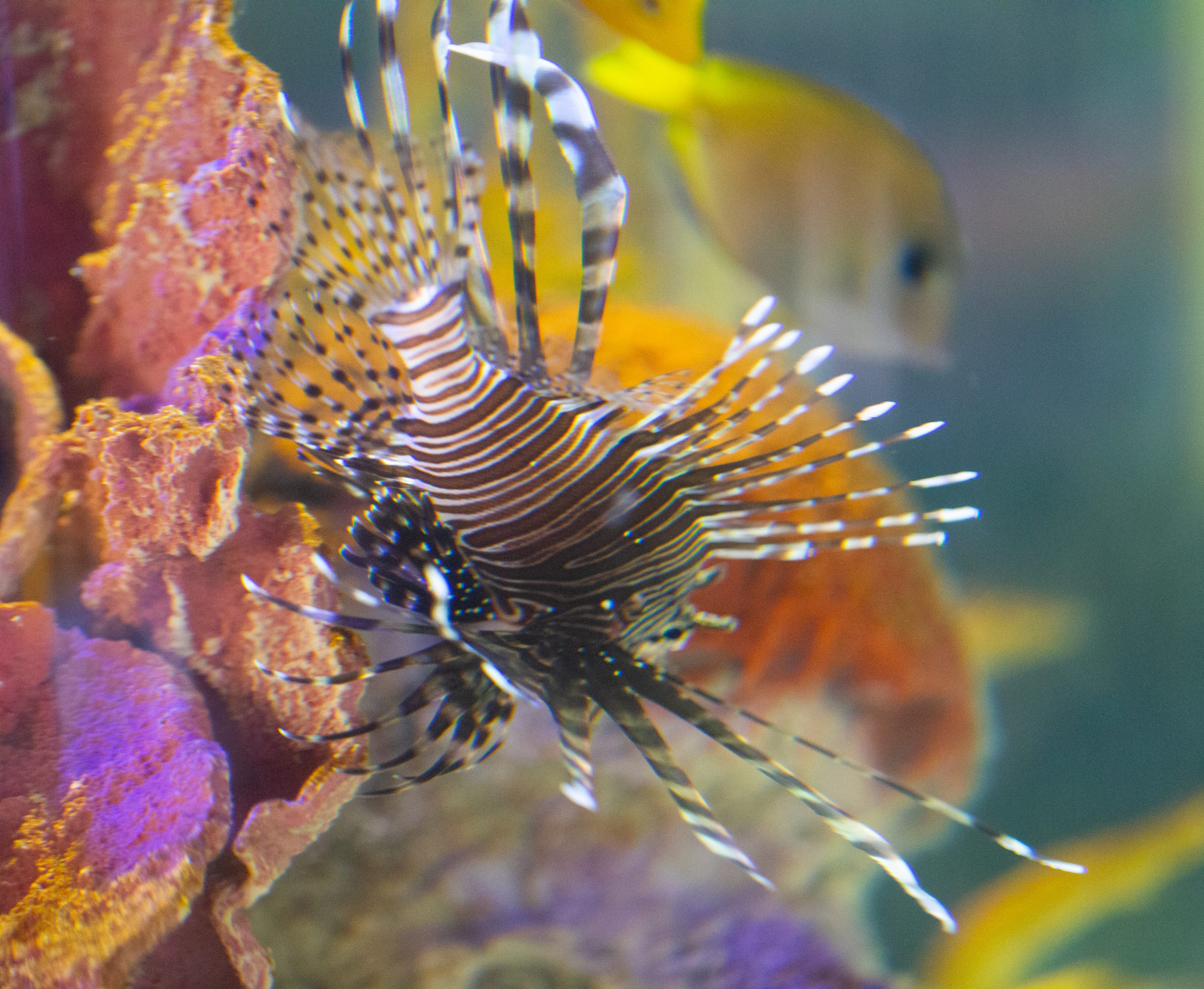
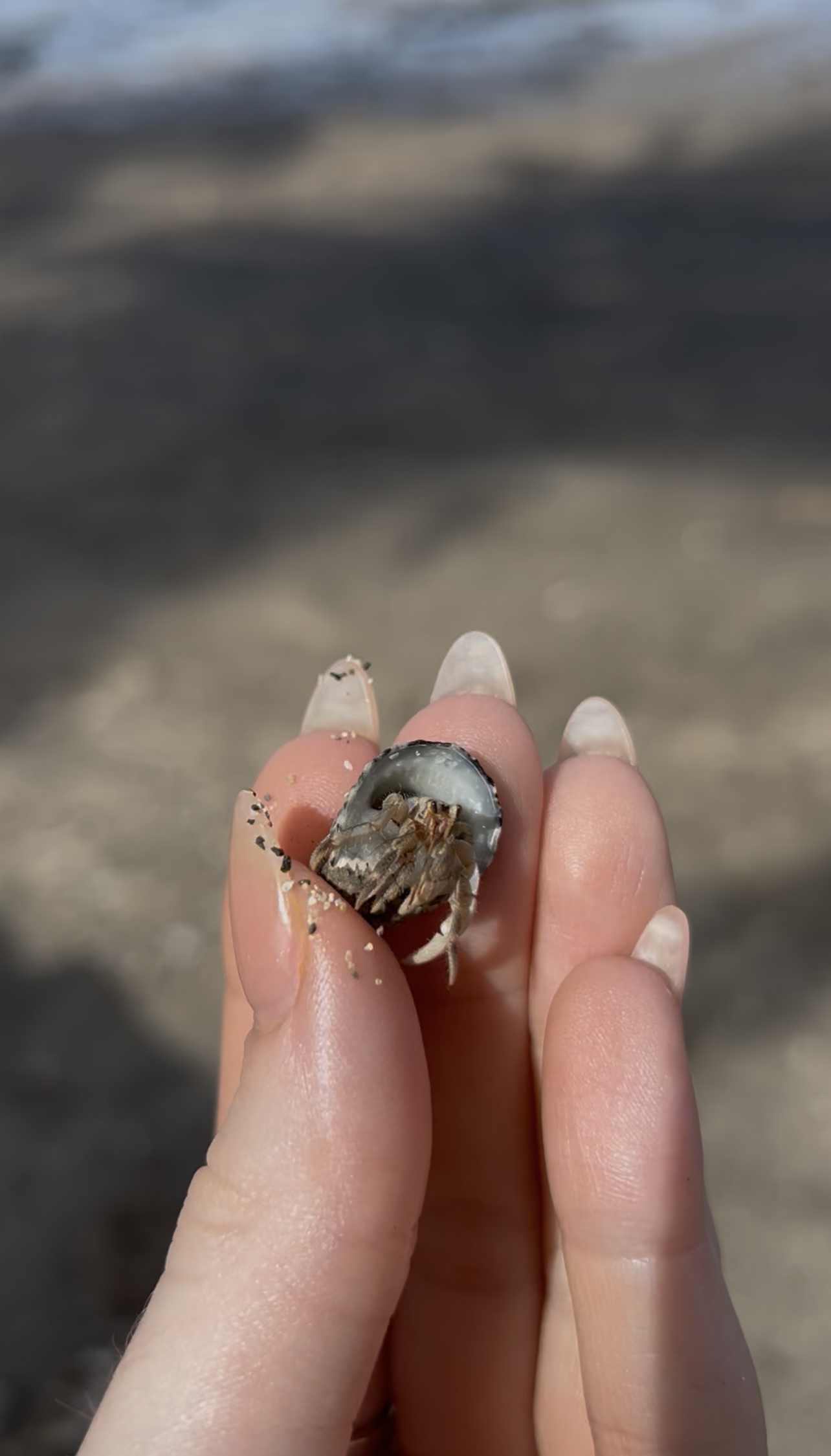
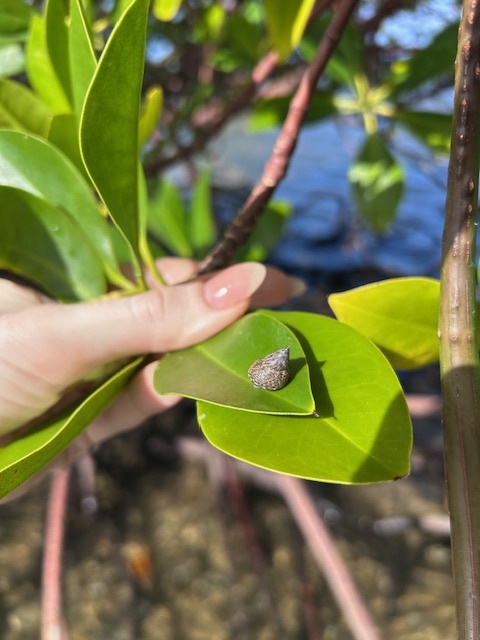
Seeing the South Pacific was the fulfillment of a lifelong dream for Julio, who made frequent trips to Como Zoo as a kid. Though she once imagined herself taking care of large cats, internships at Duluth’s Great Lakes Aquarium inspired her with the beauty and diversity of life underwater. “When I started my internship, I was actually kind of afraid of fish, which seems really funny to think about now,” she says. “It was like exposure therapy and as I got to know fish, I got really interested. There are so many different kinds of fish, including ones we don’t know about yet because we haven’t explored the entire ocean. I find the vast mystery of fish is really appealing.”
Now the fish health and quarantine specialist at Como, Julio says that field conservation experiences made possible by the Conservation Champions program advances zookeepers’ understanding of the animals in their care and in the wild. “I’ve never worked at another zoo or aquarium that does anything like this, but it’s so important for zookeepers to go out and do field work,” she says. “We know a lot about captive animals, but to have that exposure to wild animals and data collection is important, because you need the whole picture to take really good care of your animals.”