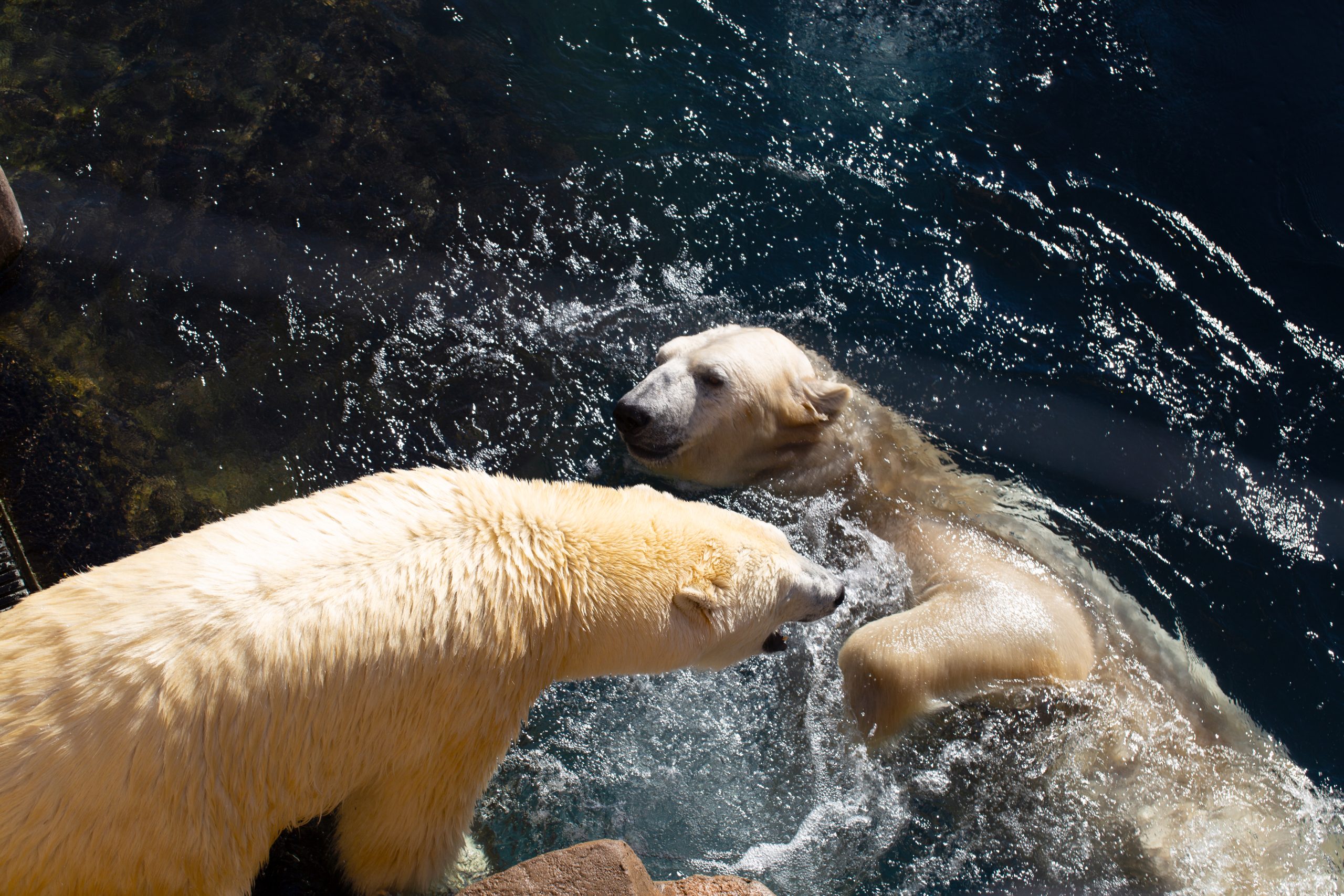

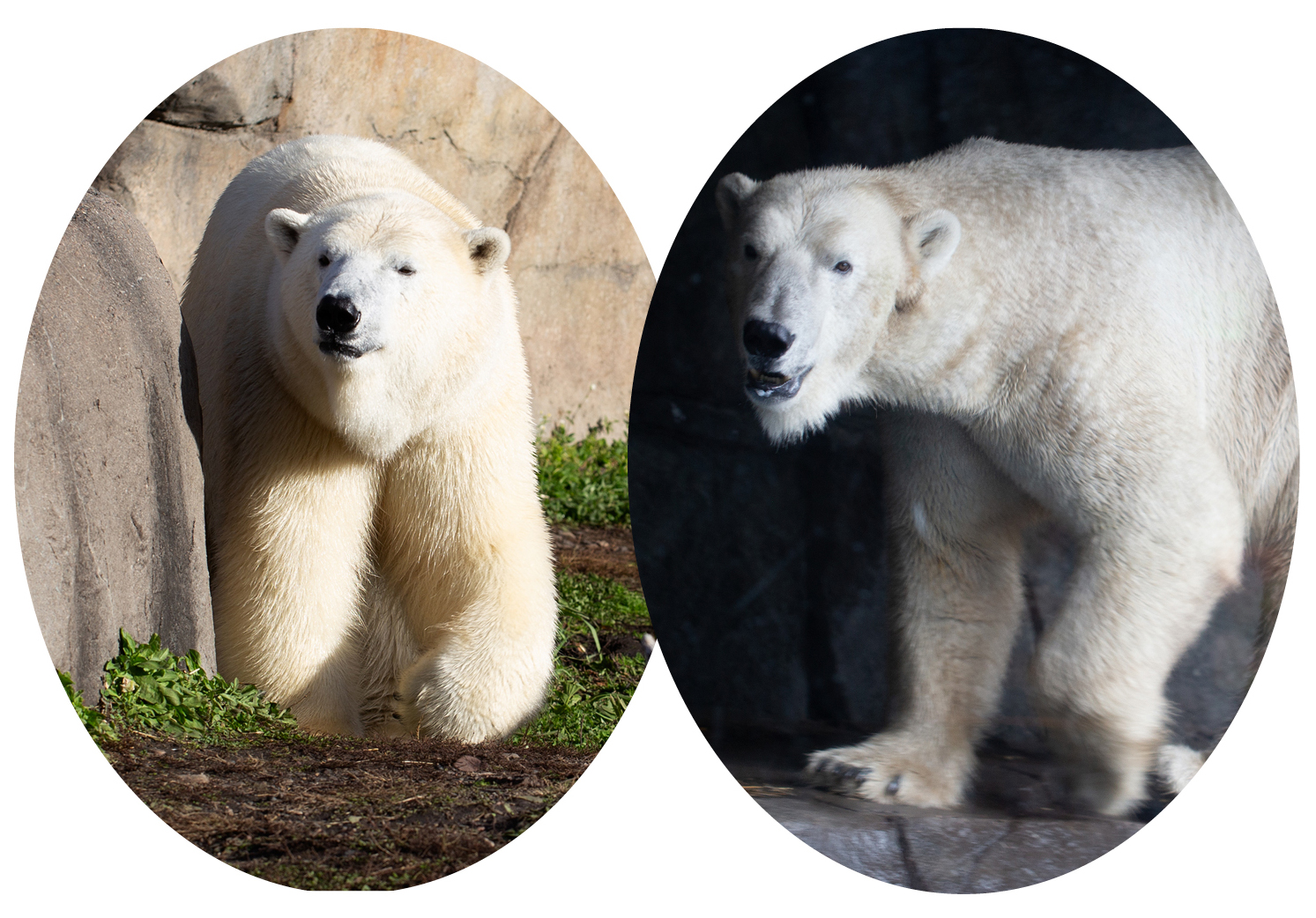
After a major meet-cute in Polar Bear Odyssey this fall, young polar bears Astra and Kulu have been giving serious rom-com vibes—diving, chasing, frolicking, and cozying up to each other on the regular. While zookeepers are seeing plenty of green flags in the lead-up to the polar bear breeding season that starts this month, this match is just one of many playing out behind the scenes at Como Zoo, through its active role in a variety of Species Survival Plan (SSP) projects in cooperation with the Association of Zoos and Aquariums (AZA). By coordinating the individual animals matched up through SSP breeding recommendations, Como Zoo works in partnership with other AZA institutions to maintain a genetically diverse and demographically stable captive population of threatened or endangered animals. While bearing young is an important part of a healthy life cycle for zoo animals and wild ones, these pairings also provide captive animals with companionship that can enrich their lives.
In honor of Valentine’s Day, we talked with Senior Keeper Jill Erzar about what makes a great partnership, whatever your species:
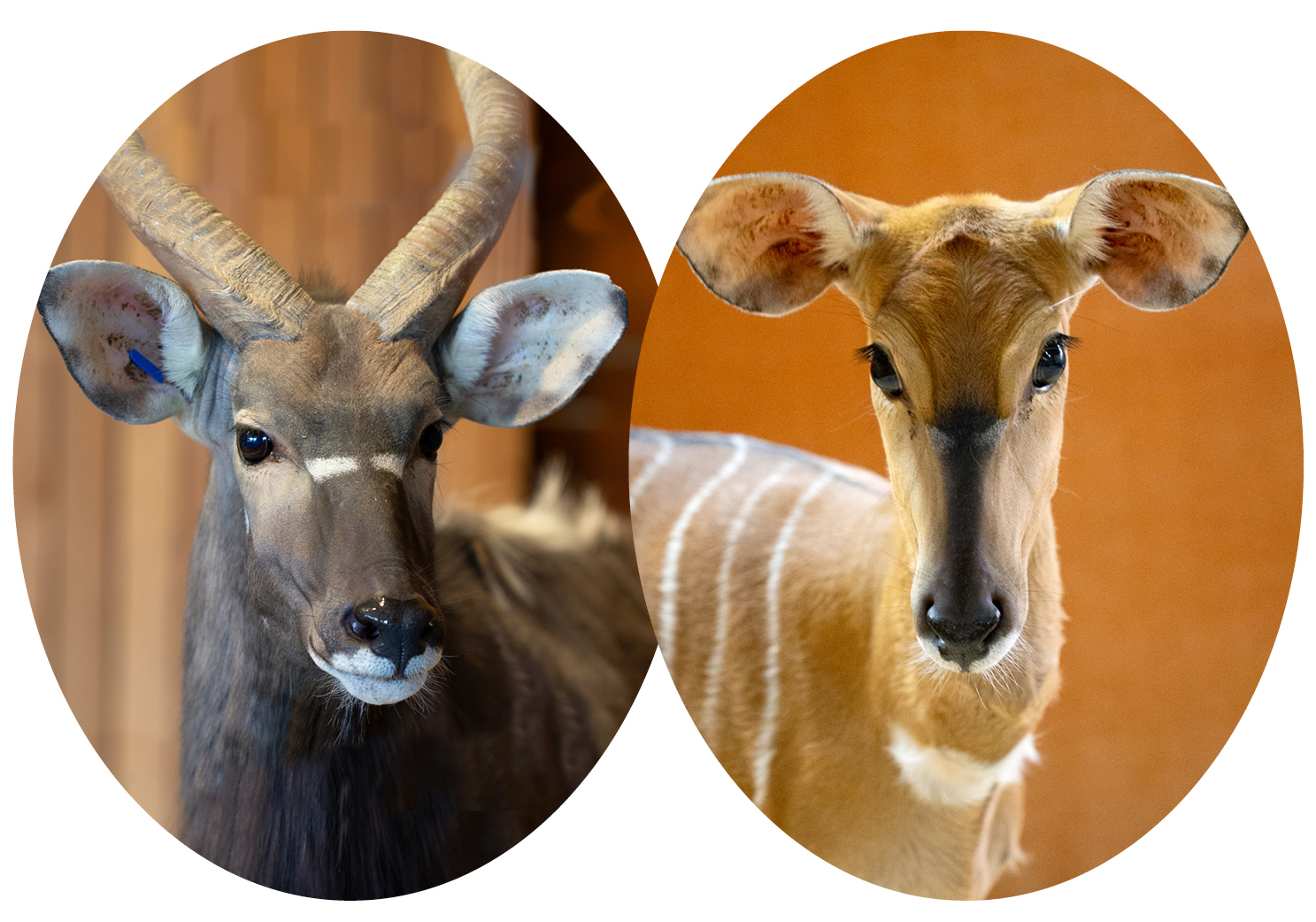
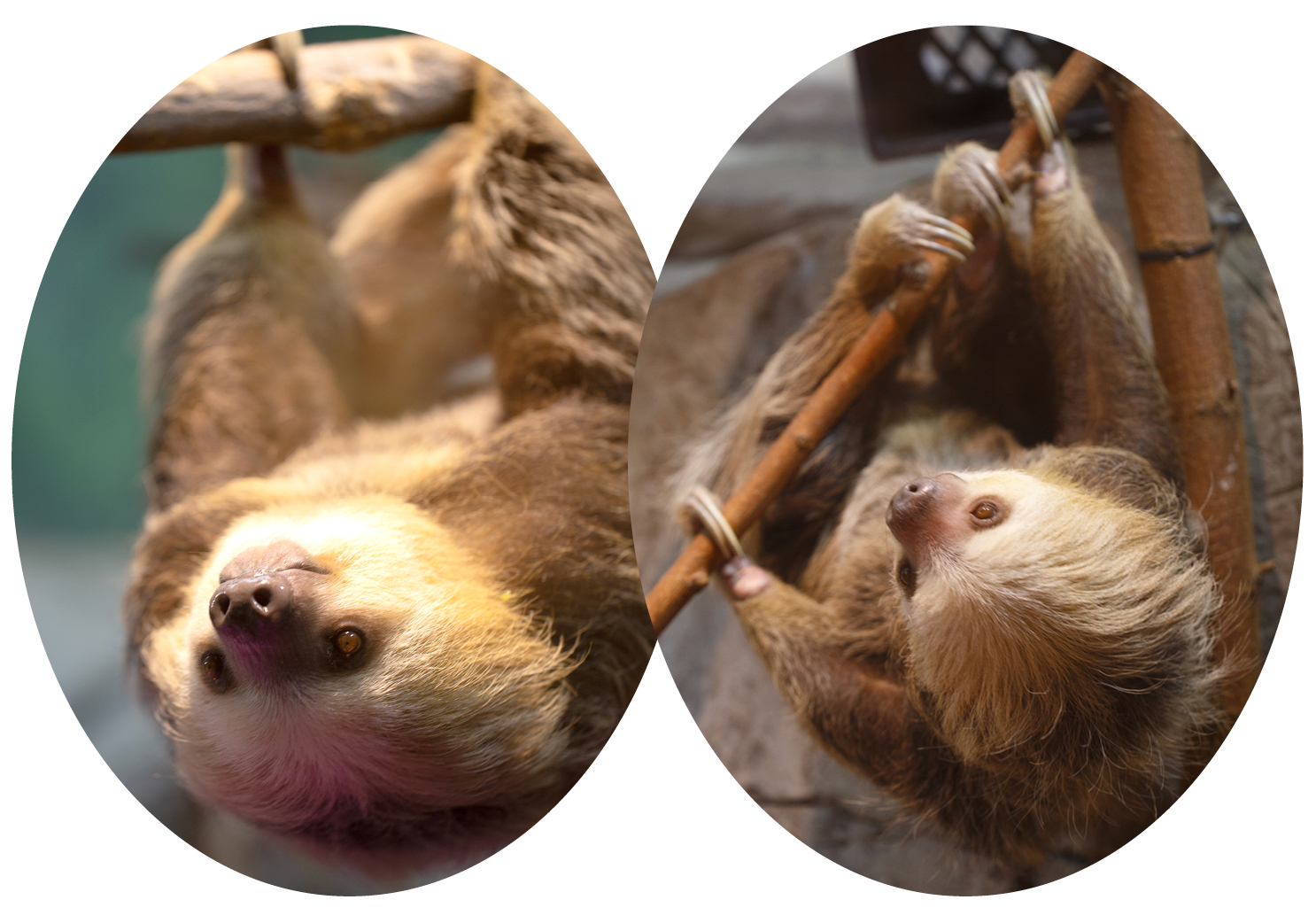
Taking it slow: Ollie and Stevie, and Meadow,
Sago and Ziggy
Unlike the polar bears and other animals that come from harsh climates that dictate their optimal mating moments, Erzar says, “nyalas tend to breed like rabbits.” Even so, Ollie, a new male bachelor recently arrived from the BREC’s Baton Rouge Zoo, may need a little time to warm up to his new breeding partners, Stevie and Meadow. Stevie is the mother of Meadow, born in 2024. “He’s never been with another female besides his own mother,” Erzar explains. “Ollie is very alert, and Stevie seems very interested, so we’ll have to see what happens with each of the females.”
Speaking of slow, Como Zoo’s sloth pair, Sago and Ziggy, have successfully mated once, and zookeepers continue to remain optimistic that they will again, following last year’s on-exhibit birth of an infant that sadly did not survive. While Como Zoo always hopes for new babies, zookeepers are encouraged by previous successes and moments that support the long-term future of each species, and take great care to ensure every animal has the space, privacy, and calm they need during these important mating stages. “We weren’t surprised that she gave birth—we were expecting that,” Erzar says. “But sloths are more reclusive and will typically give birth overnight.”

Keeping it playful: Maji and Mumford
Introduced as a breeding pair in 2019, Como Zoo’s male and female lions are happily bonded, though they’ve had no offspring. While Mumford is in hospice care for an inoperable nasal tumor, he and Maji continue to wrestle, play, and cuddle up together. The only real bone of contention between them, says Erzar, is Mumford’s “comfort log,” a bit of deadfall that the lion refuses to share with Maji or his keepers. “We call it his comfort log because we first started noticing that he’d carry it around if there was a storm coming, or if he was a little nervous about something,” she says. “Over time it’s been whittled down, so for a while it looked like a dumbbell, and now it’s broken into two pieces that he protects. It’s kind of adorable.”
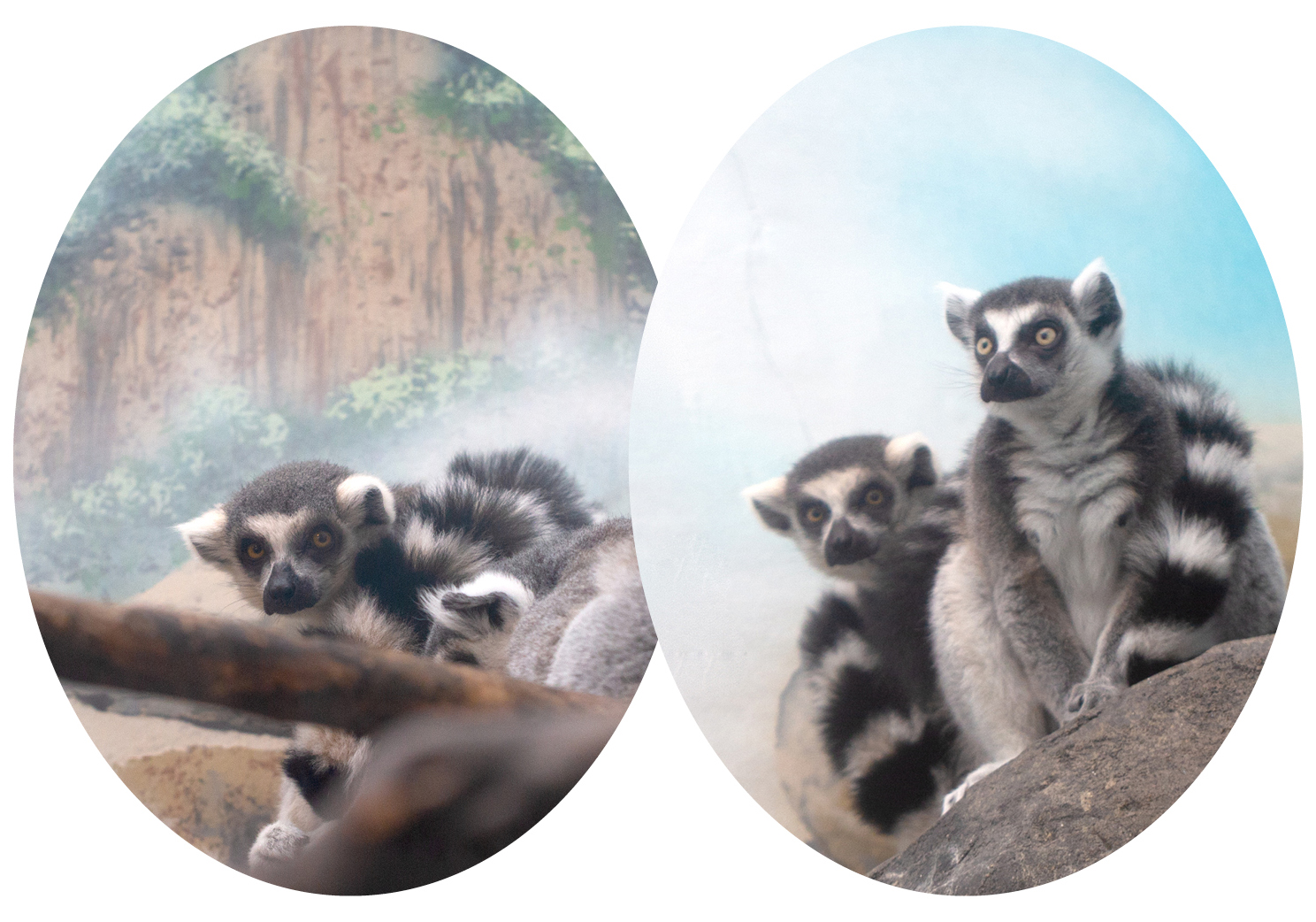
Attention to good grooming:
Ombe and Wicket
While breeding behavior has yet to be observed between ring-tailed lemurs Ombe and Wicket, “they do sleep together and groom each other,” Erzar says. “They’re definitely companionable.”
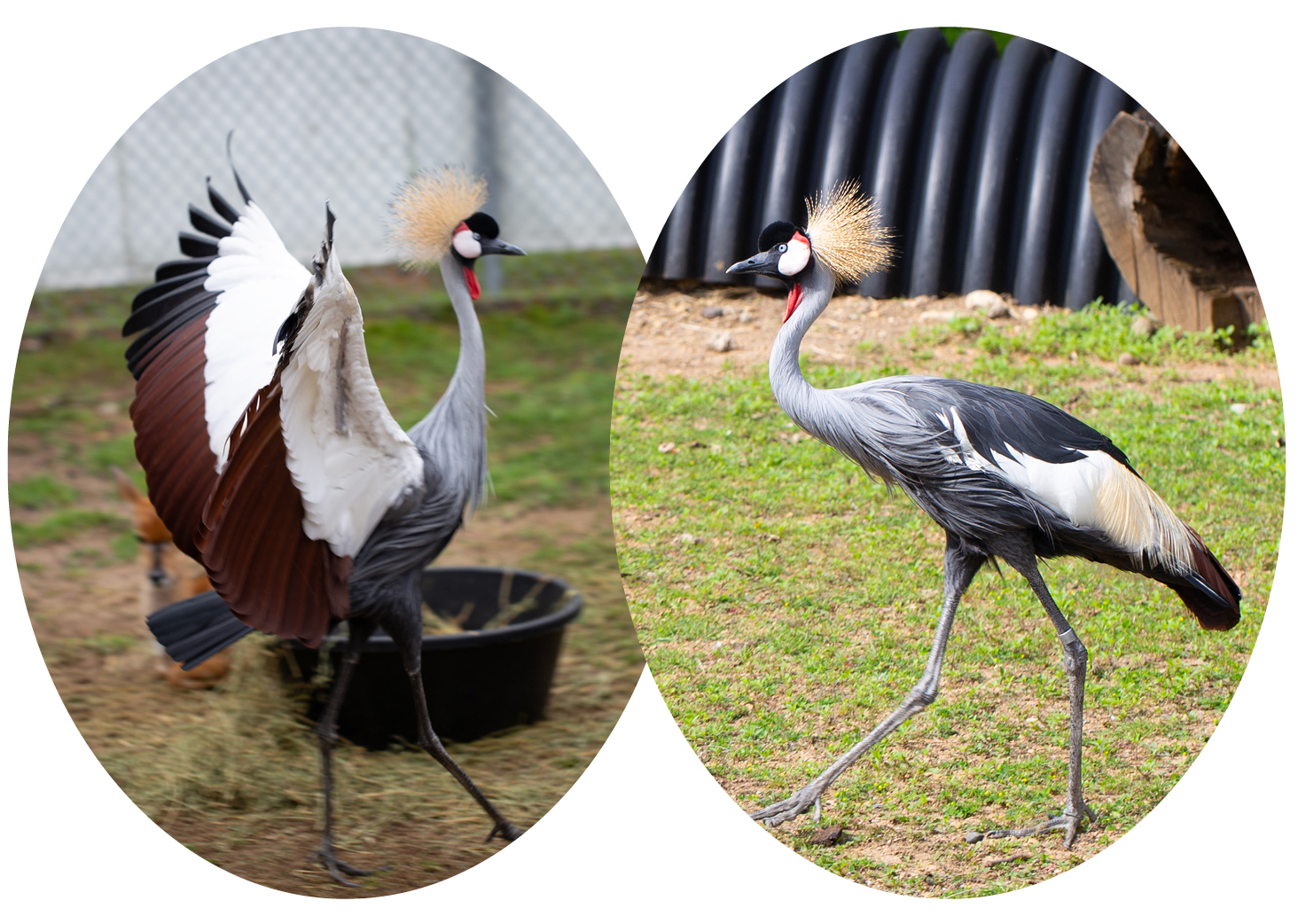
Making beautiful music together: Houdini and Mutambi
As light on their feet as Fred and Ginger, grey crowned cranes Houdini and Mutambi have been delighting Como visitors with their ritualistic courtship dances, bowing and leaping into the air as a sign of their mutual interest in each other. “They also do a kind of call and response vocalizing, parroting back and forth, with a kind of trumpeting sound,” says Erzar. While the pair has yet to produce a viable chick, early fertility challenges are typical of new pairings of cranes, which often mate for life in the wild. “We’re pretty confident they’re going to figure it out,” she says.
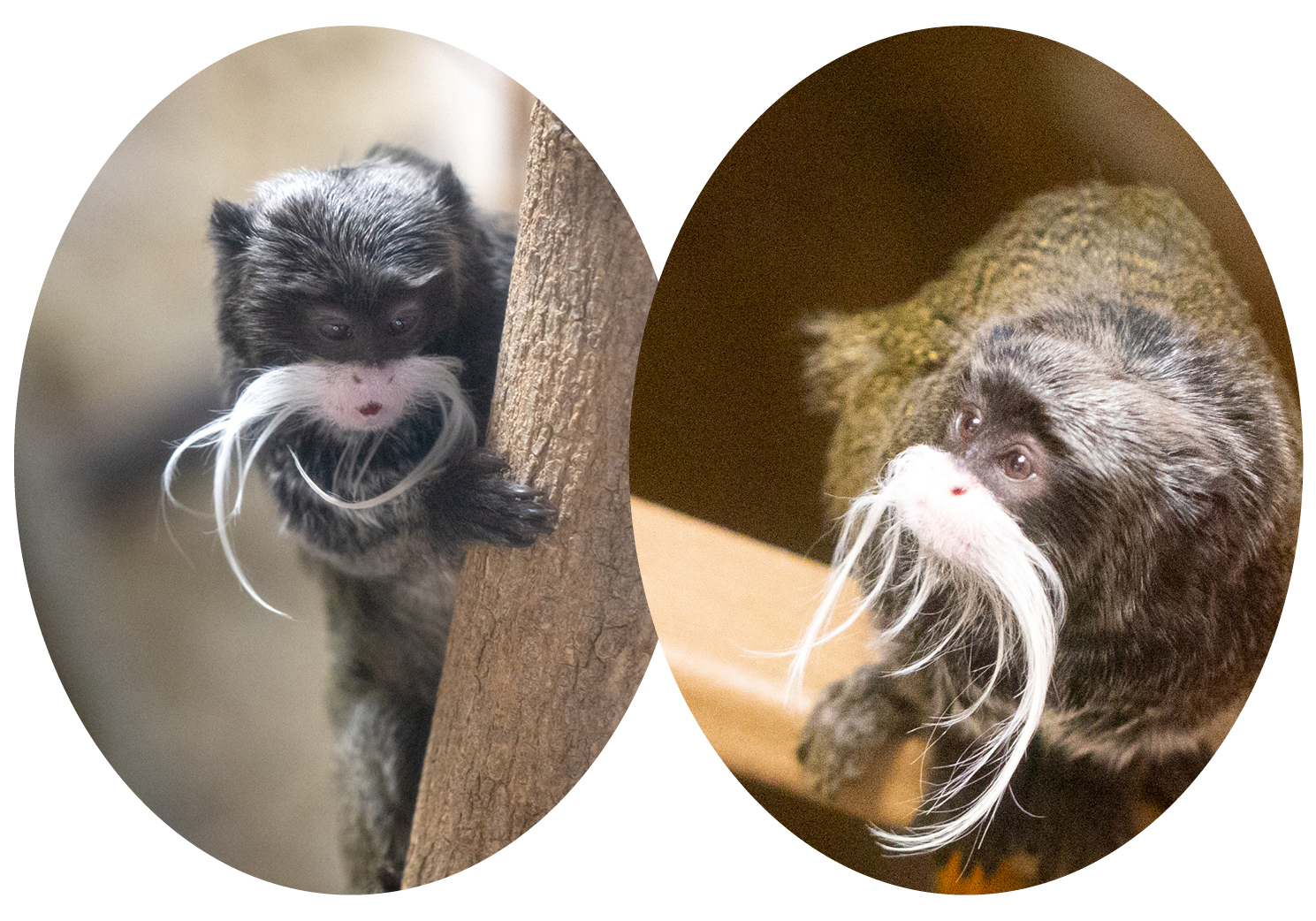
Sharing the child care: Reggie and Ilsa
Emperor tamarins Reggie and Ilsa have also mated successfully, resulting in the arrival of baby Bleu last March. Male tamarins are known for being highly engaged fathers, often assisting with birth, taking and washing the infant immediately after birth, and frequently carrying the infant to let the mothers recover and nurse. Communal rearing behavior like this even extends to future siblings like Bleu, who can be expected to do plenty of babysitting.
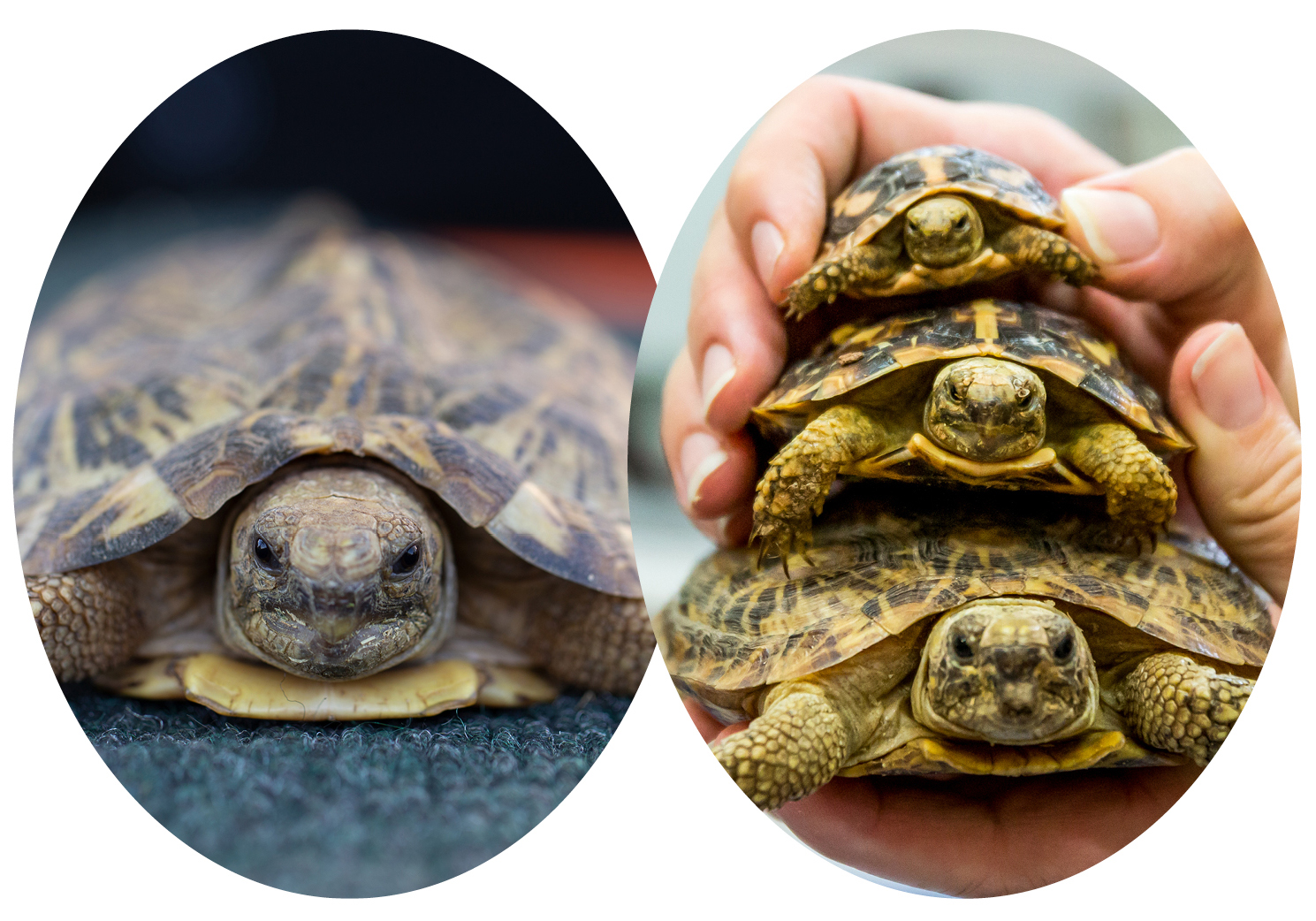
You can’t hurry love: Mr. Pancake, Peanut Butter, and Banana
Like all of Como Zoo’s breeding companions, this trio of pancake tortoises, now living behind the scenes, are under no pressure to reproduce. While they’re part of a Species Survival Plan breeding recommendation (and have names that would make a great breakfast), keepers don’t do anything special to encourage mating behavior between animals, allowing nature to take its course. “We’re very hands-off with them,” says Erzar. “If they want to lay eggs, they can lay eggs. Whatever happens with the pancake tortoises is great.”