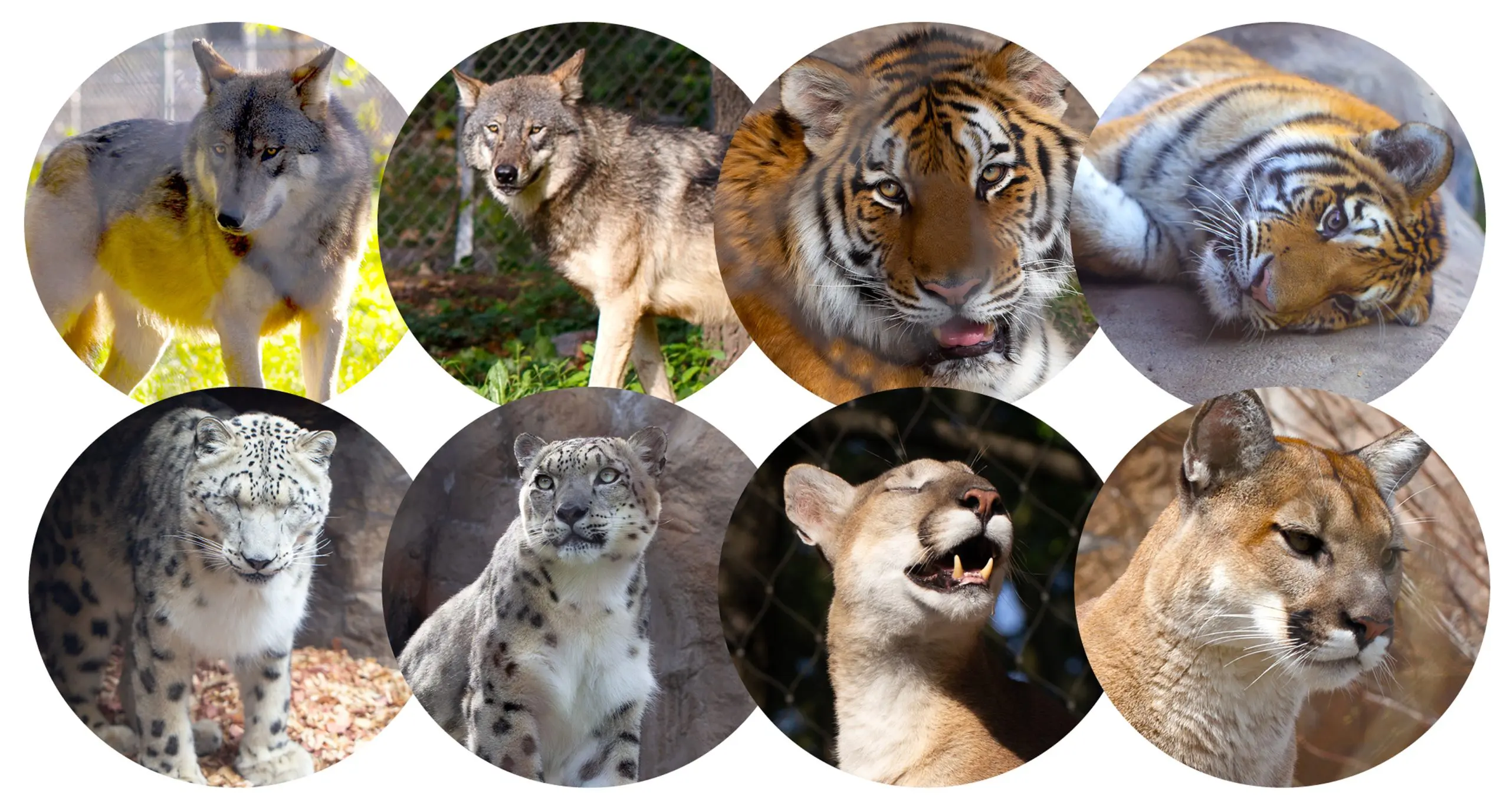

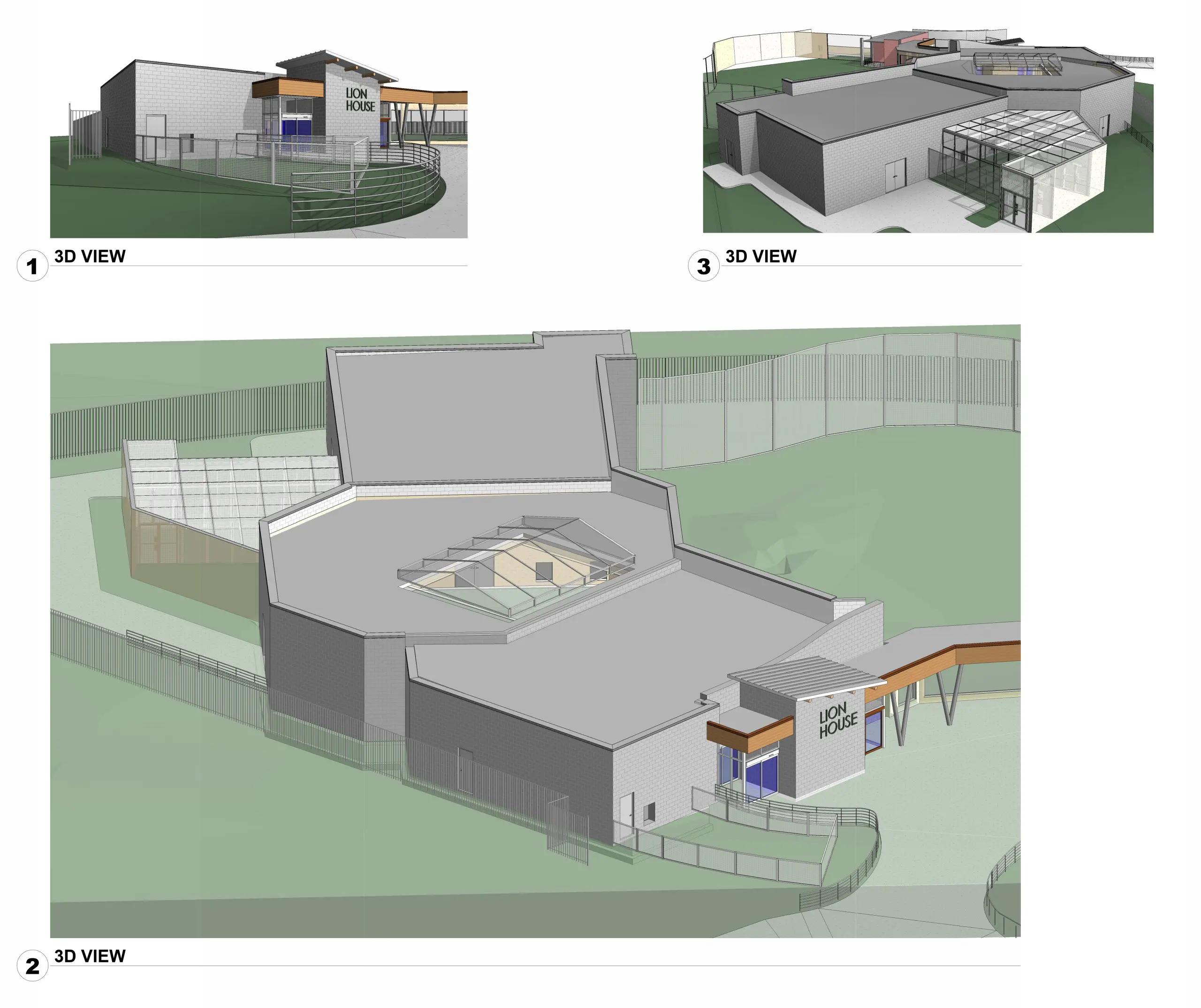
After more than 40 years of service, Como Zoo’s Large Cats Building is about to begin phase one of a major new habitat plan made possible with $9.3 million in funding approved by the Minnesota Legislature in May and $3.4 million in private funding from Como Friends. While the plan to improve this space on the northwest end of campus has been years in the making, its arrival is bittersweet for many of Como’s keepers and close friends, who are saying goodbye to many animals who must move to make way for the new and improved habitat’s construction.
“It’s hard when you’ve been part of many important milestones in an animal’s life,” says Senior Keeper Jill Erzar, who has been organizing transfers for Como Zoo’s wolves, tigers, mountain lions, and snow leopards for several months, working closely with several AZA species survival plan groups to determine the optimal placement for each animal as well as the most promising breeding recommendations. While she and her colleagues are sad to see some of their favorite animals find new homes, Erzar says zookeepers are also looking forward to facilities that will elevate the animal care and husbandry they can provide behind the scenes.
Support from Como Friends has been critical to the development of the project’s design plans, which will allow Como Zoo to keep pace with the best-practice standards for big cat care, while protecting the intimate “nose-to-nose” visitor experience Como is known for.
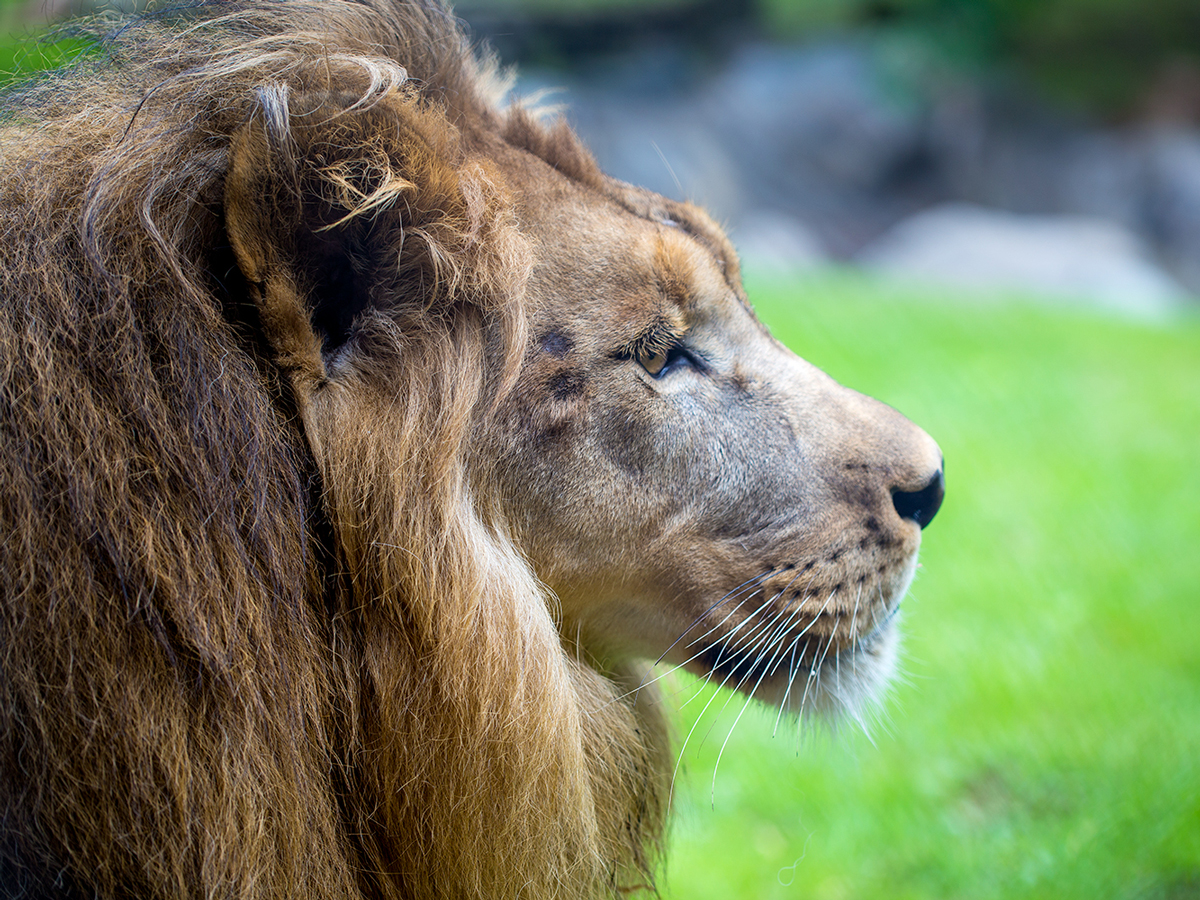
“This project is a great example of how private support allows Como to do more for our animals and public with state-of-the-art habitats,” says Katie Hill, Como Friends’ president. “Not only has Como Friends been at the table for all of these conversations, advocating for the features that can enhance animal wellbeing and visitor experience, but our diverse community of supporters also strengthens the case for public funding when we go to the Legislature. Our visitors take great pride in Como, and their voices were instrumental in helping secure funding to start to build ‘the Pride of Como’ for our lions and other African animals.”
One of the first tasks of the pre-construction process was to find a new home with just the right fit for Nicky and Cerberus, gray wolf brothers who first came to Como in 2021. “Most wolves you see at big zoos have been hand raised or habituated to humans, but we didn’t want that for them,” Erzar explains. “Instead, we wanted to show what a wild wolf looks like, and we chose that husbandry as the best for the wolves and for our facilities.” With that history in mind, she reached out to Wolf Haven International, a nonprofit animal sanctuary in Tenino, Washington, and learned they were interested in finding companions for two females. In June, the wolf pair boarded a chartered cross-country flight made possible by Greater Good Charities and were introduced to companions Billie and Ellie the same day—an important consideration for these social pack animals. “Nicky and Billie, by the end of the first night, were howling together, which is a great sign,” she says.
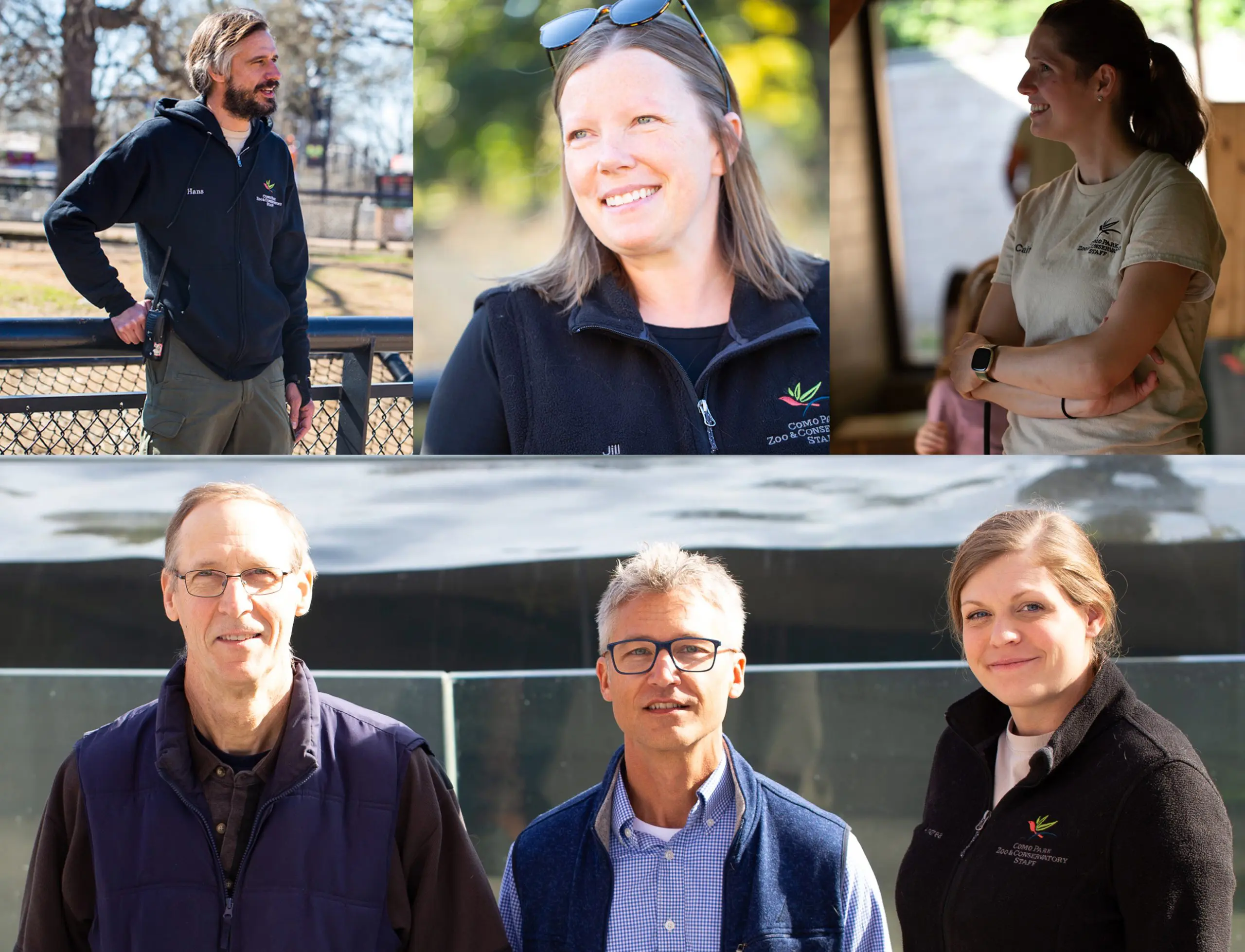
Large Cats Animal Care Team: Zookeepers Hans Jorgensen and Caitlin Allessi, and Senior Keeper Jill Erzar in the center. Pictured below are Dr. Jim Rasmussen, Dr. Carl Larson, and Veterinary Technician Andrea Persson
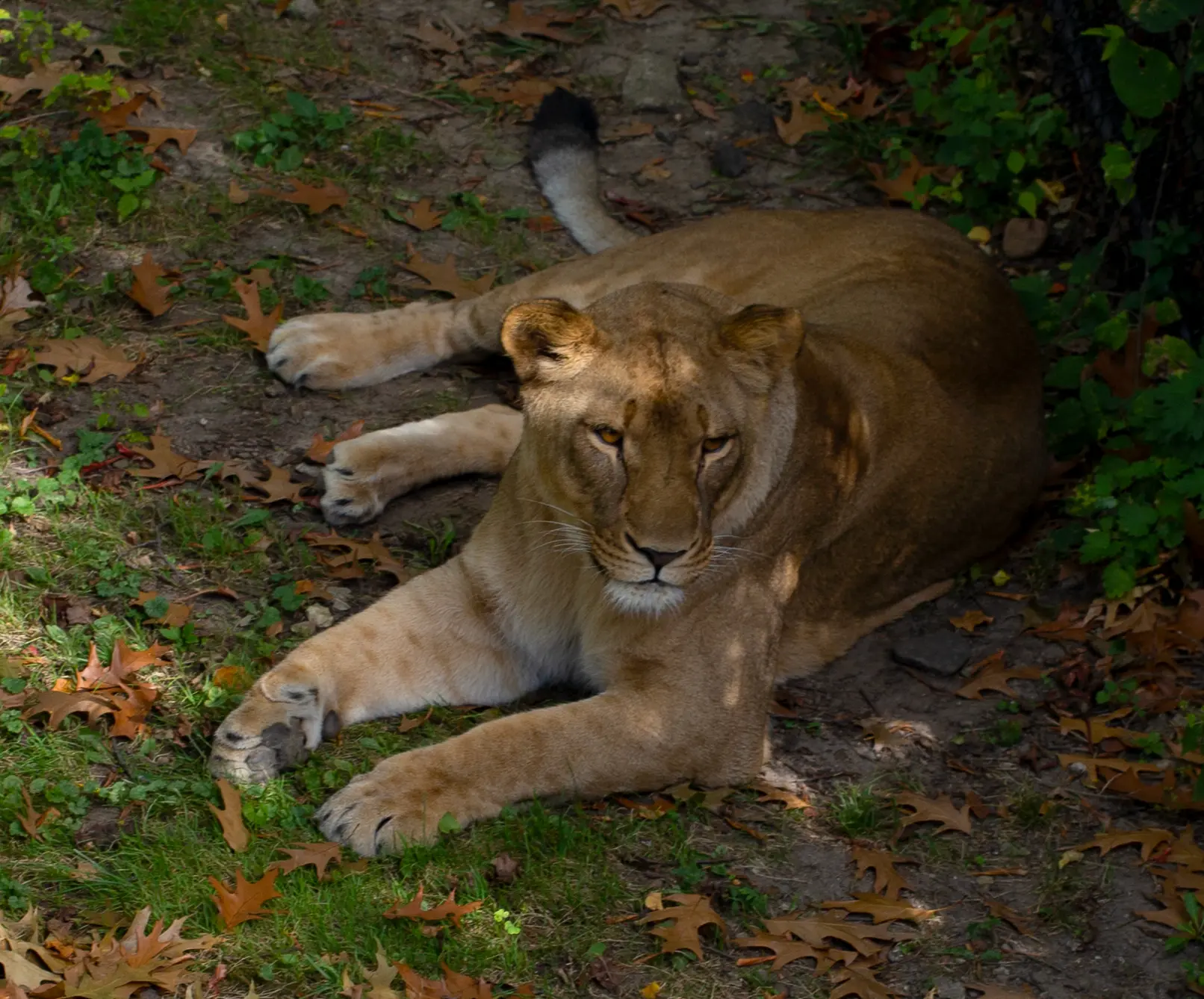
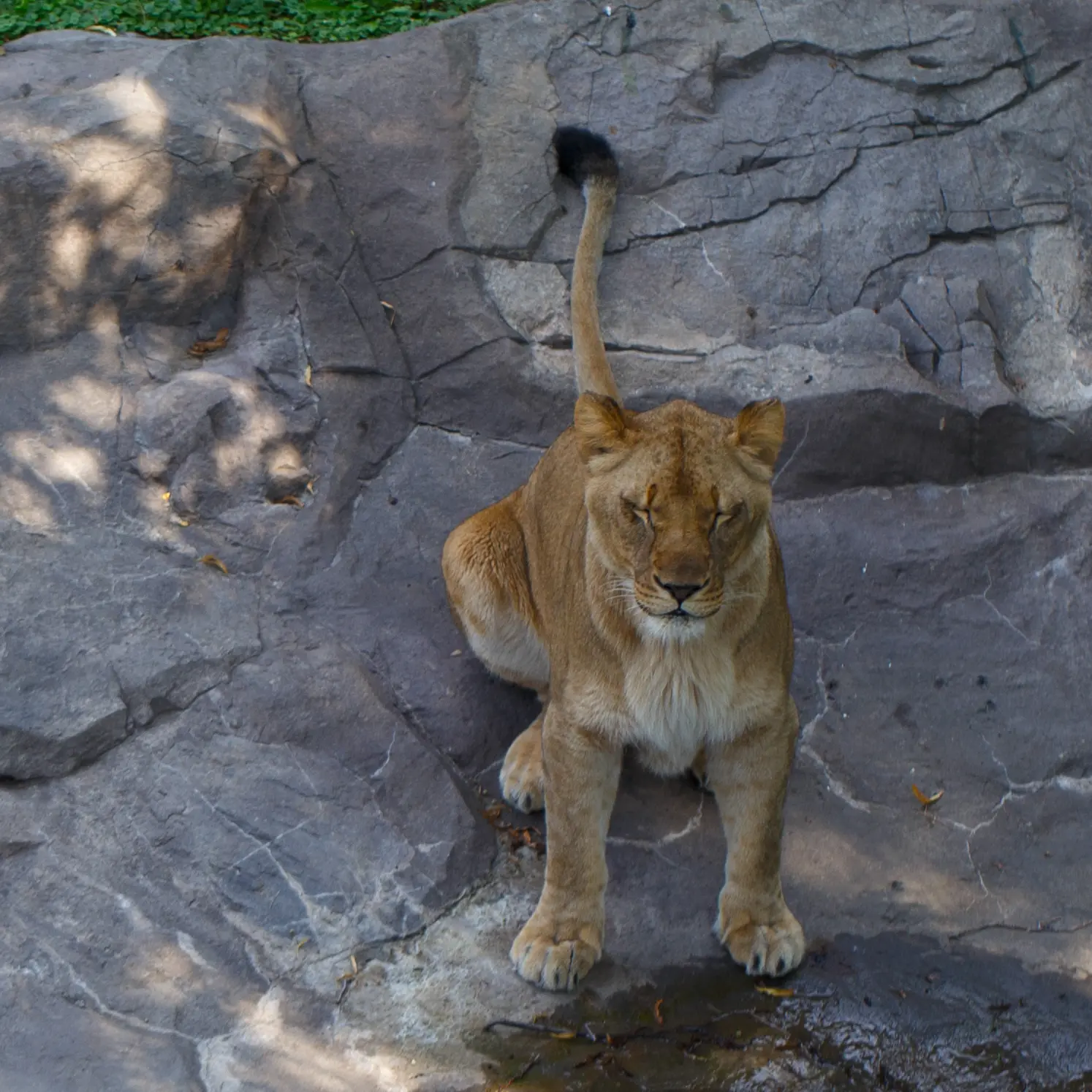
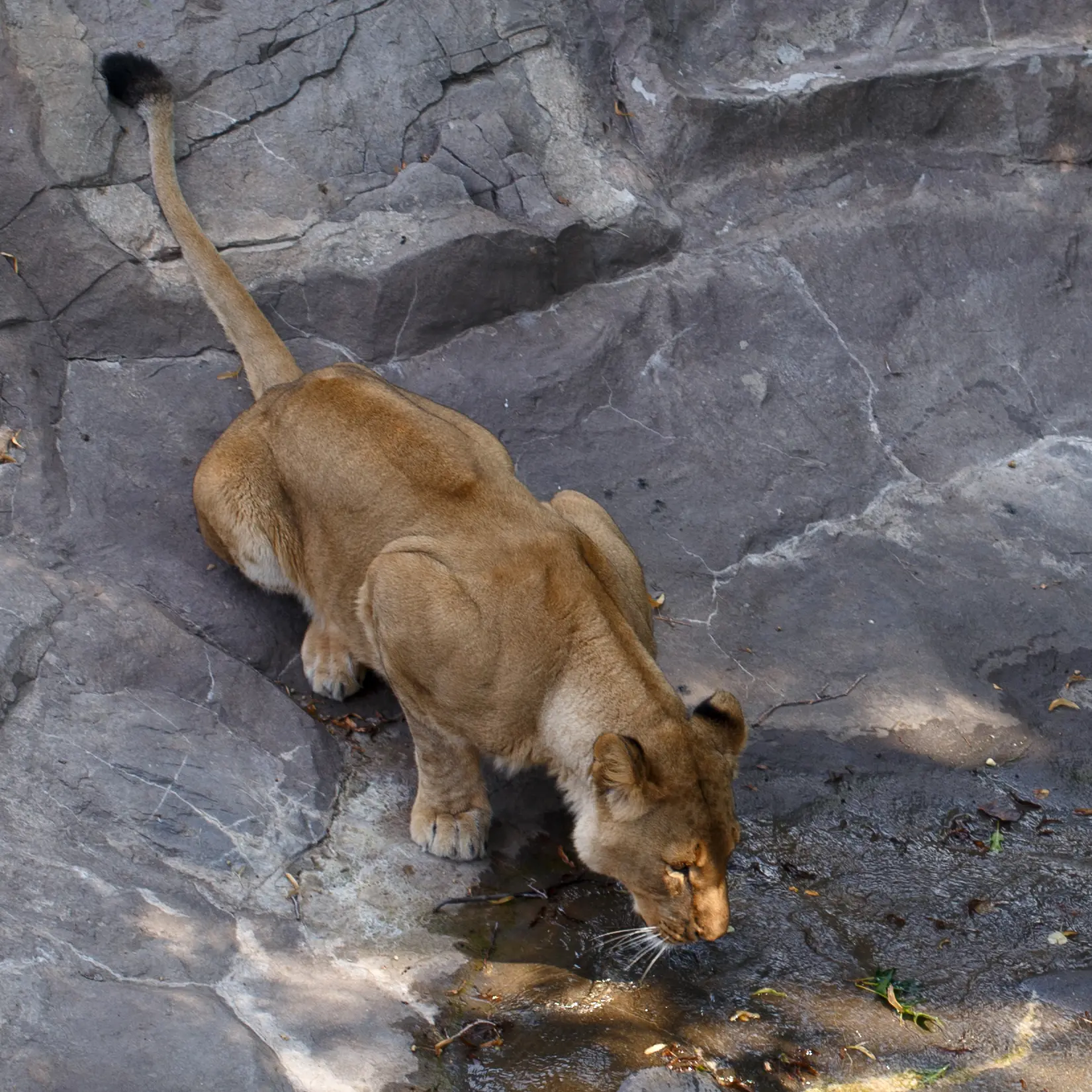
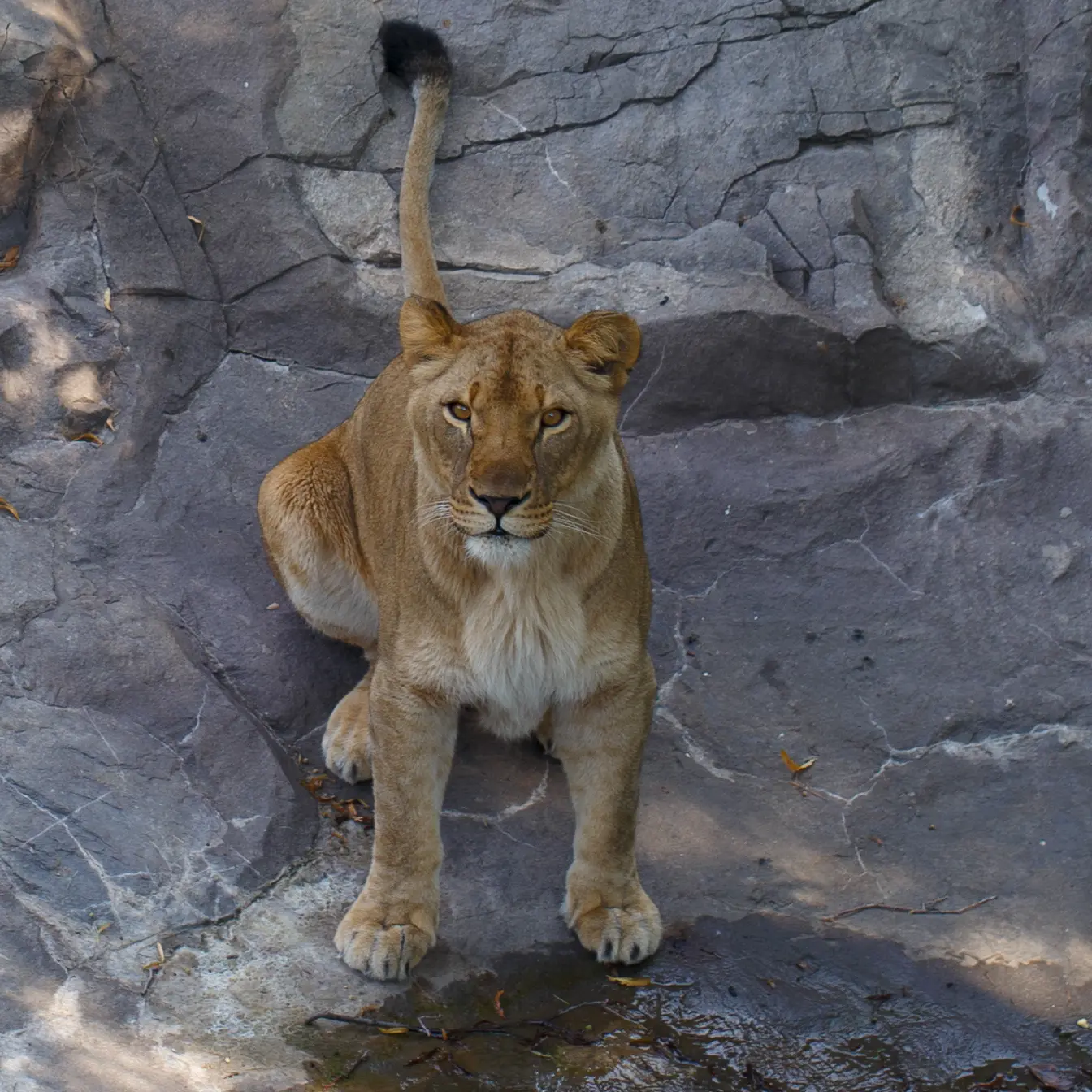
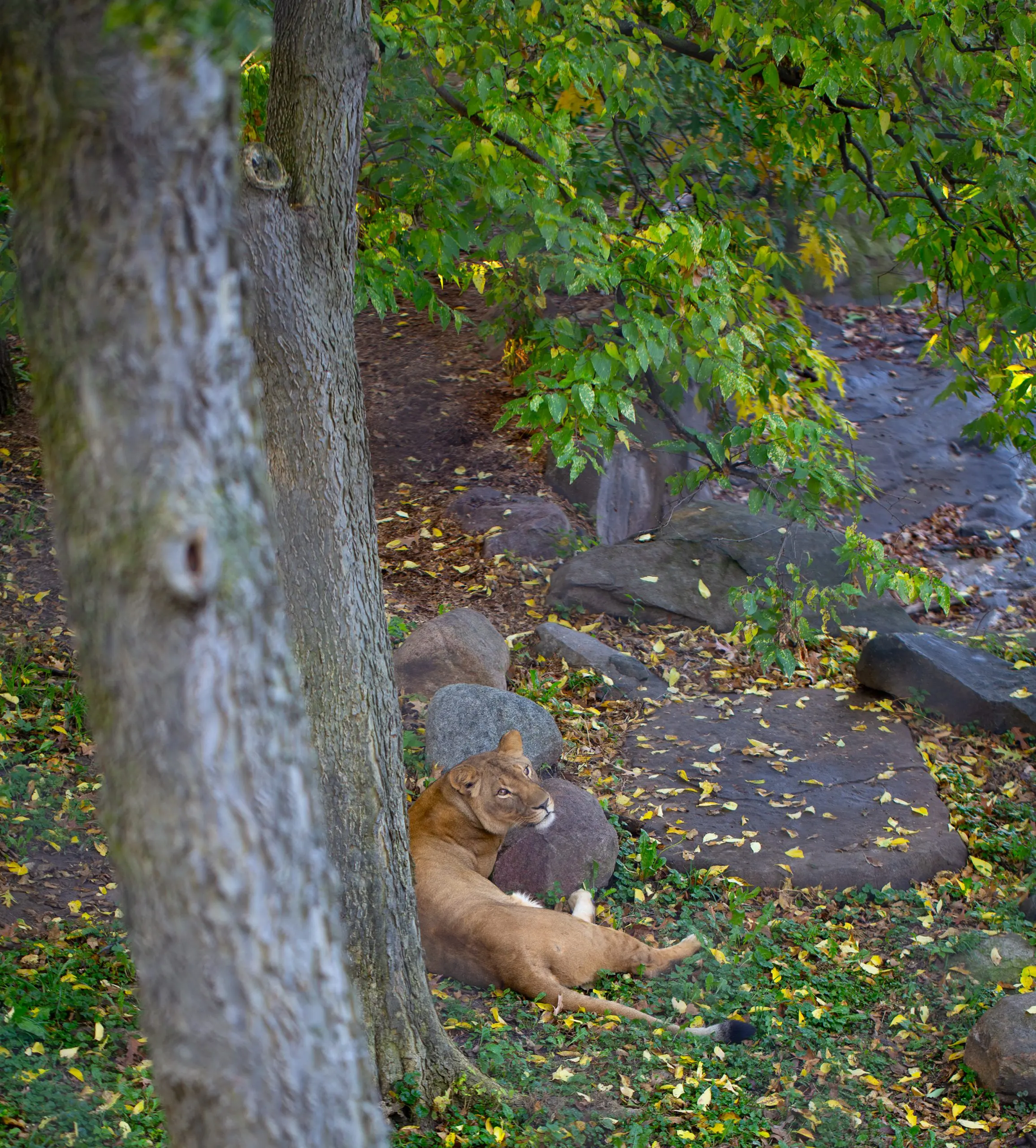
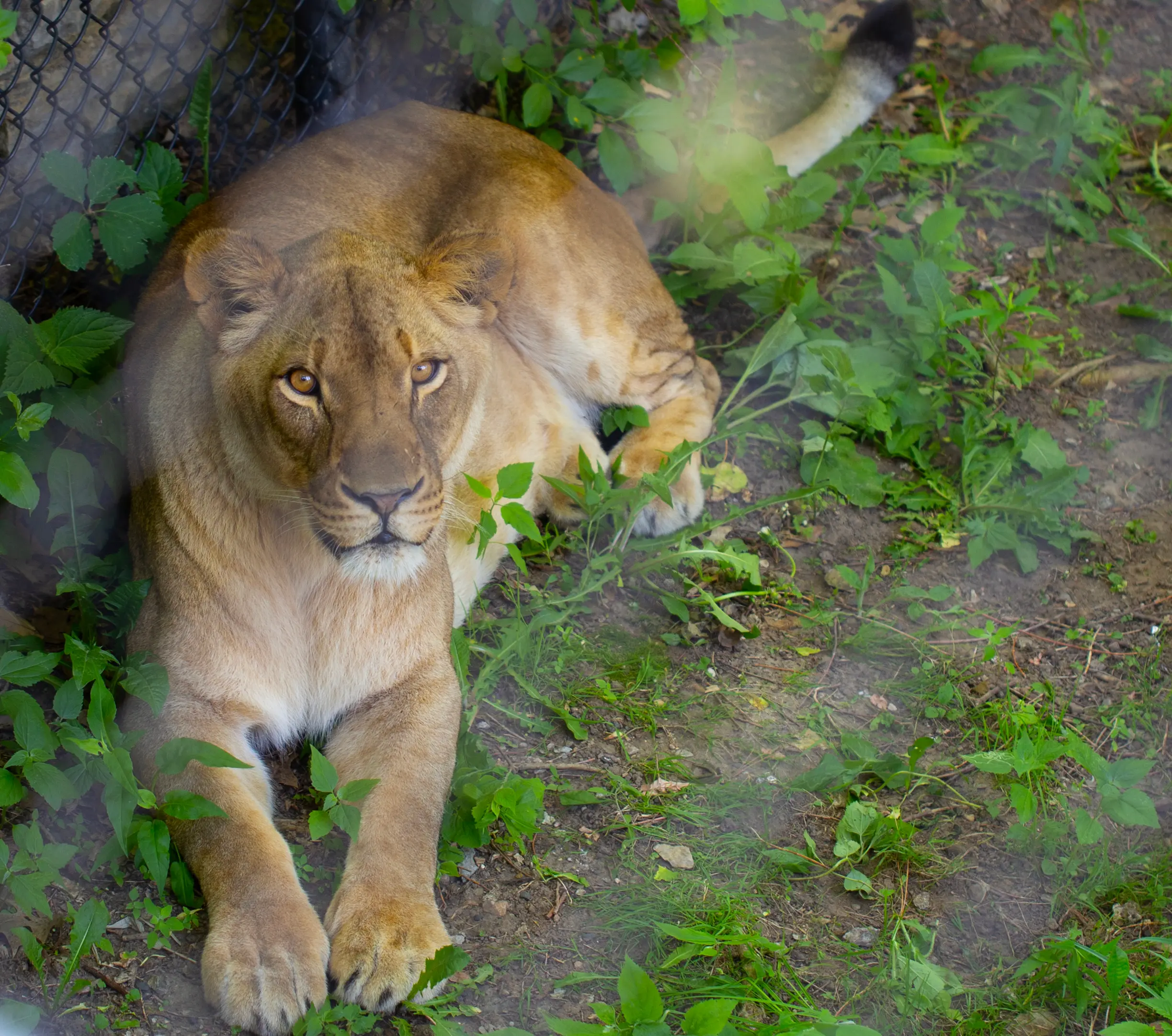
Maji the lion will soon be headed to the Smithsonian’s National Zoo & Conservation Biology Institute where she’s been selected to be part of a breeding recommendation. Like Como, the National Zoo is one of the last free metropolitan zoos in the nation, but it was another feature that made the move attractive to Maji’s zookeepers. “The National Zoo is one of the only AZA zoos that doesn’t have glass-fronted enclosures for their lions,” Erzar says. “Maji and glass do not get along.”
Next up will be a move for Como Zoo tiger cubs Maks and Marisa. At age two, they’re both moving toward sexual maturity, and are being considered for breeding recommendations at other AZA accredited zoos. “Knowing that tigers are typically solitary animals, we knew that this day would come as they move toward having offspring,” Erzar says, noting that their mother, Bernadette, will remain at Como for the foreseeable future.
Keeping bonded pairs together is an important consideration for four of Como Zoo’s large cats. Snow leopards Alya and Willow will be moved together, allowing Alya to continue living with her daughter, who was born blind. Cougars Ruby and Jasper will also make the move as a pair. The two have been together as orphans at Como since 2018, and Jasper is now completely blind due to progressive retinal atrophy. For both pairs, maintaining these close bonds means each cat with impaired vision can remain with a familiar companion—someone they know and trust to help them navigate their new habitats.
Erzar admits that preparing for a construction project of this size can be stressful for both animals and the people who care for them. “It’s important that we take the time to truly understand what an animal’s needs are, and that comes down to really great zookeepers,” she says. “We excel in setting our animals up for success and building resilience into their everyday life, so that they can move on and breed and be great ambassadors wherever they go. It’s bittersweet to see them go, but this is why we do it, and our plans for the animals coming in will be just as intentional.”