
The goddess of spring is the spark behind the Marjorie McNeely Conservatory’s latest flower show


Inspired by the story of Persephone and her garden, the first half of the Spring Flower Show runs from March 20 through April 26, and the second half runs from May 1 through June 7.
The Marjorie McNeely Conservatory’s new horticultural curator, Ray Watson, takes a storytelling approach to plants, and for this season’s spring flower show, they’re finding inspiration in an ancient tale of love, loss, and renewal—the Greek goddess Persephone. Maiden of flowers, queen of the underworld, and goddess of new growth, Persephone’s story is so strongly rooted to the rebirth of spring that Watson couldn’t resist using this Greek myth as the creative spark for their first seasonal flower show in the Sunken Garden.
Bringing a sustainability-driven and artistic lens to the exhibition, Horticulturist Rylee Werden and Horticulture Curator Ray Watson contribute a vision that pairs environmentally conscious practices with expressive planting design, and flower choices. Their work highlights innovative uses of seasonal materials, thoughtful resource stewardship, and immersive compositions that reframe the Sunken Garden as both a literary story and a living work of art.
“When you’re designing for this room, having a theme is an interesting creative challenge that forces us to work within the constraints of the story we’re trying to tell, and to narrow the plant options in a way that allows [visitors the chance] to really focus on some new and possibly unexpected choices,” Watson says. The show is the first in what will be a full year of seasonal flower shows all organized around the idea of the “Magic of Como,” from a fantastical Alice in Wonderland–inspired summer flower show, to a mystical witch’s garden planned for autumn. “I prefer art to have a narrative that explains what the creator wanted to show and tell, and with stories like these, there are so many aspects we can illustrate through our flower selection.”
Here’s how some of the flowers and features you’ll see in the spring show are connected to Persephone’s ageless story, told from Homer’s time to Hadestown.
Antlers and skulls
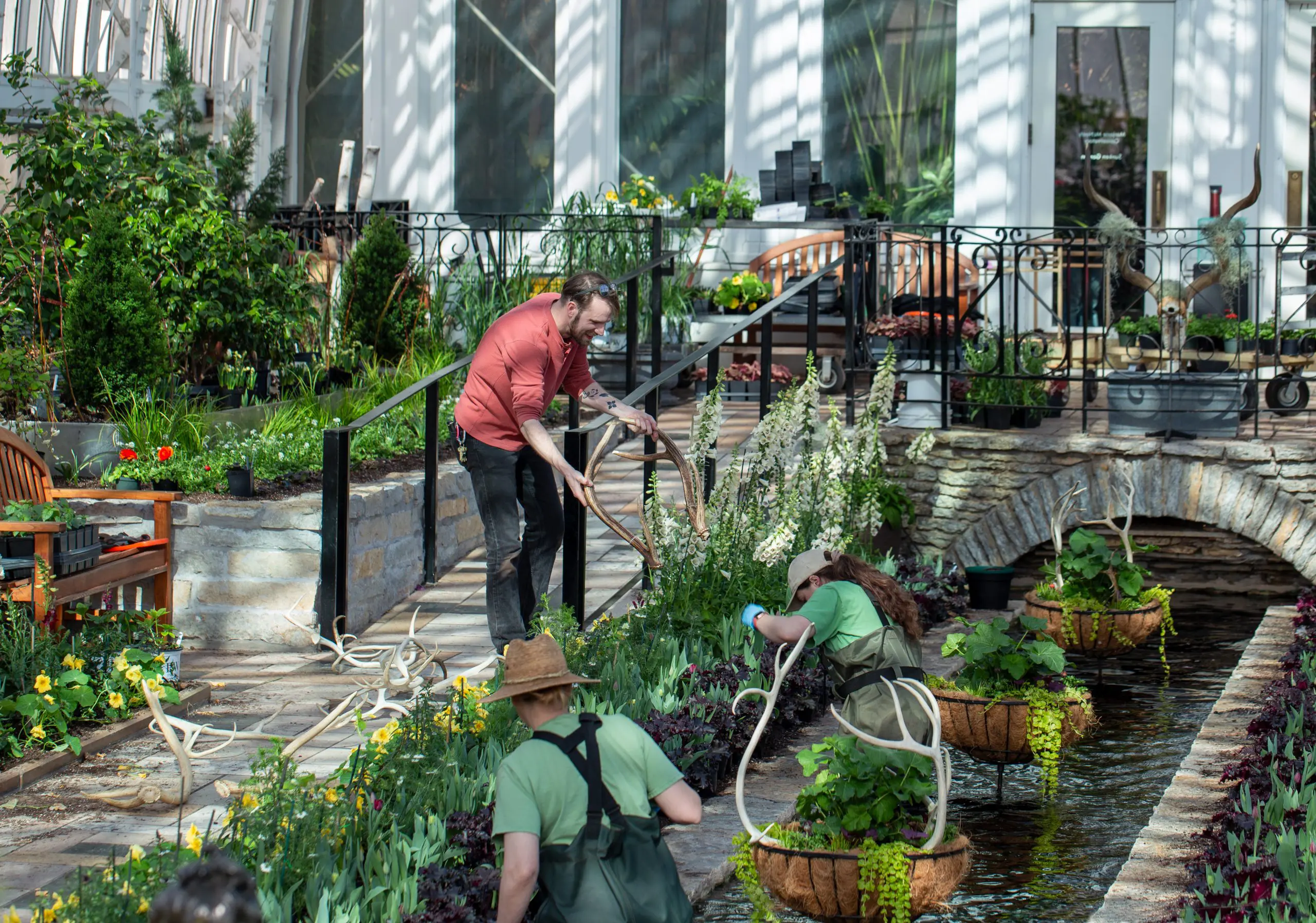
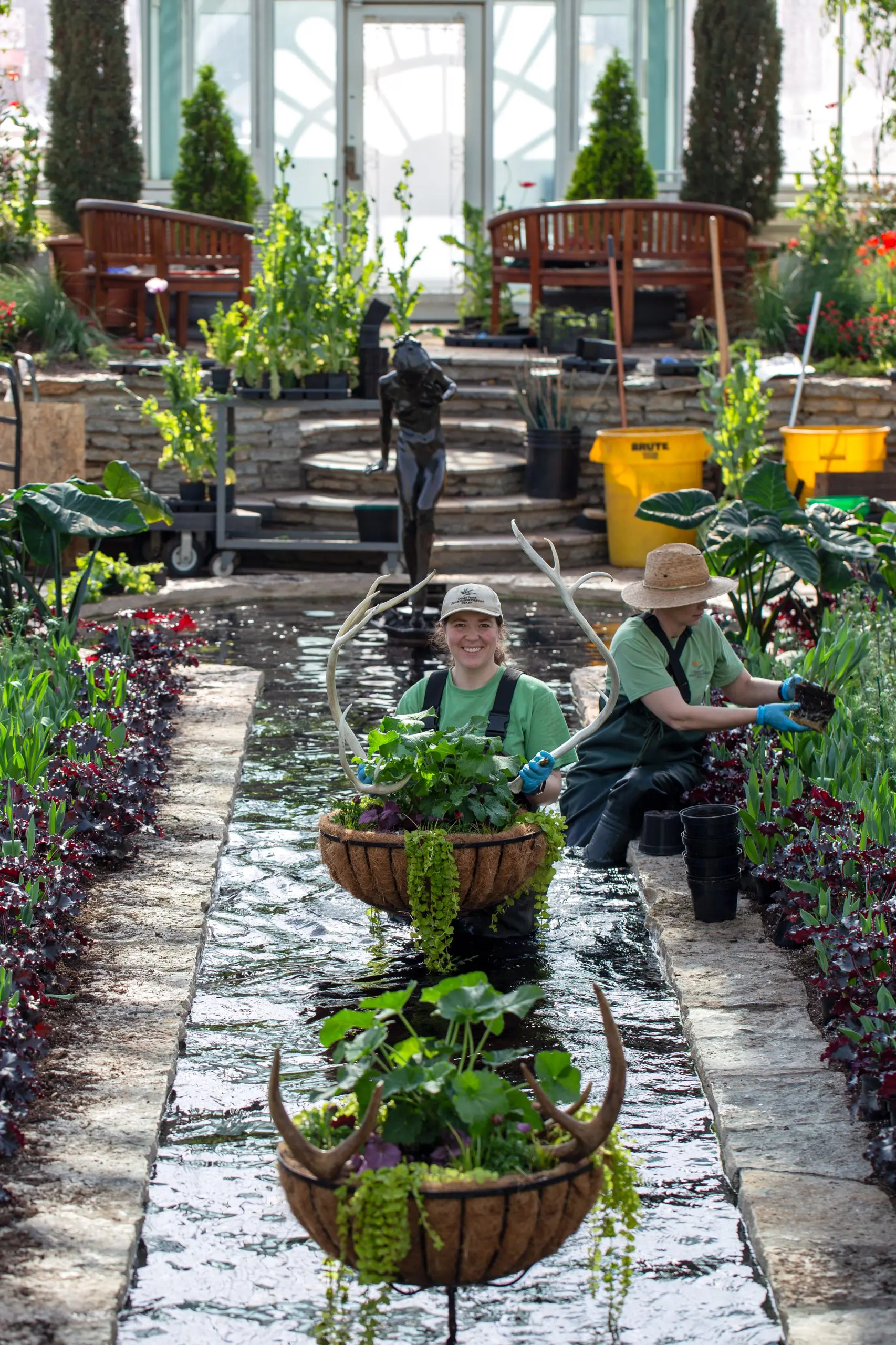
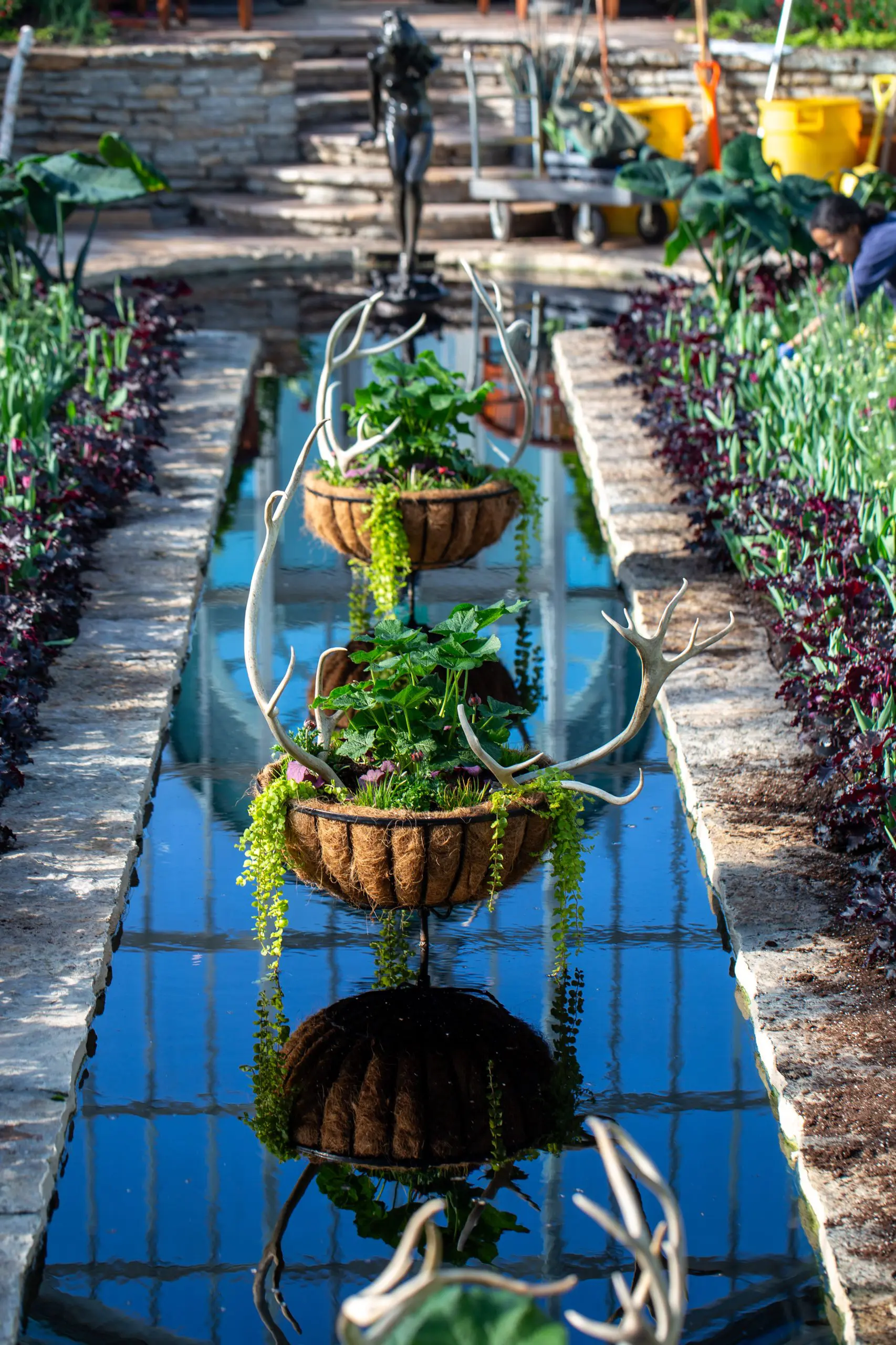
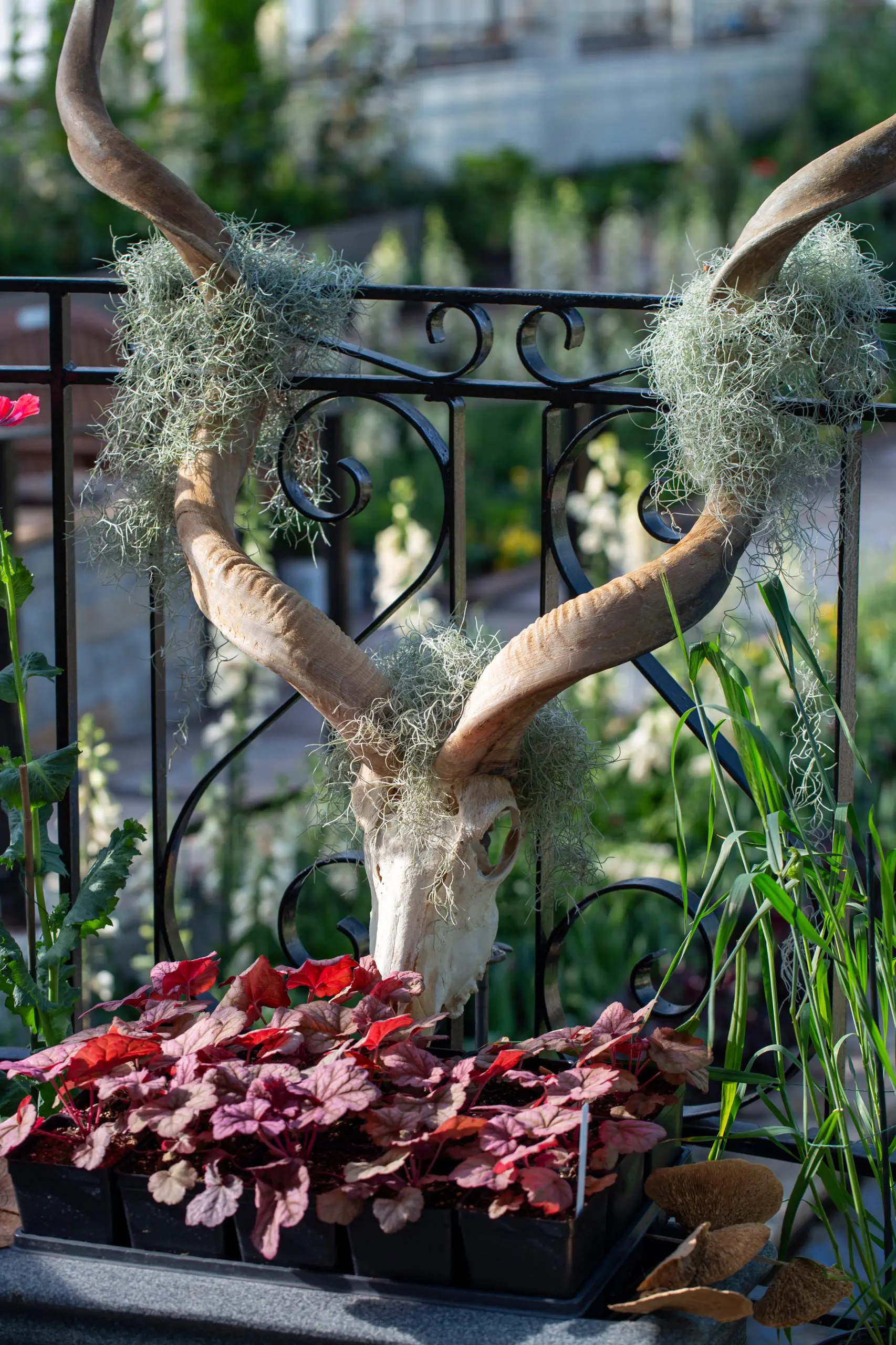
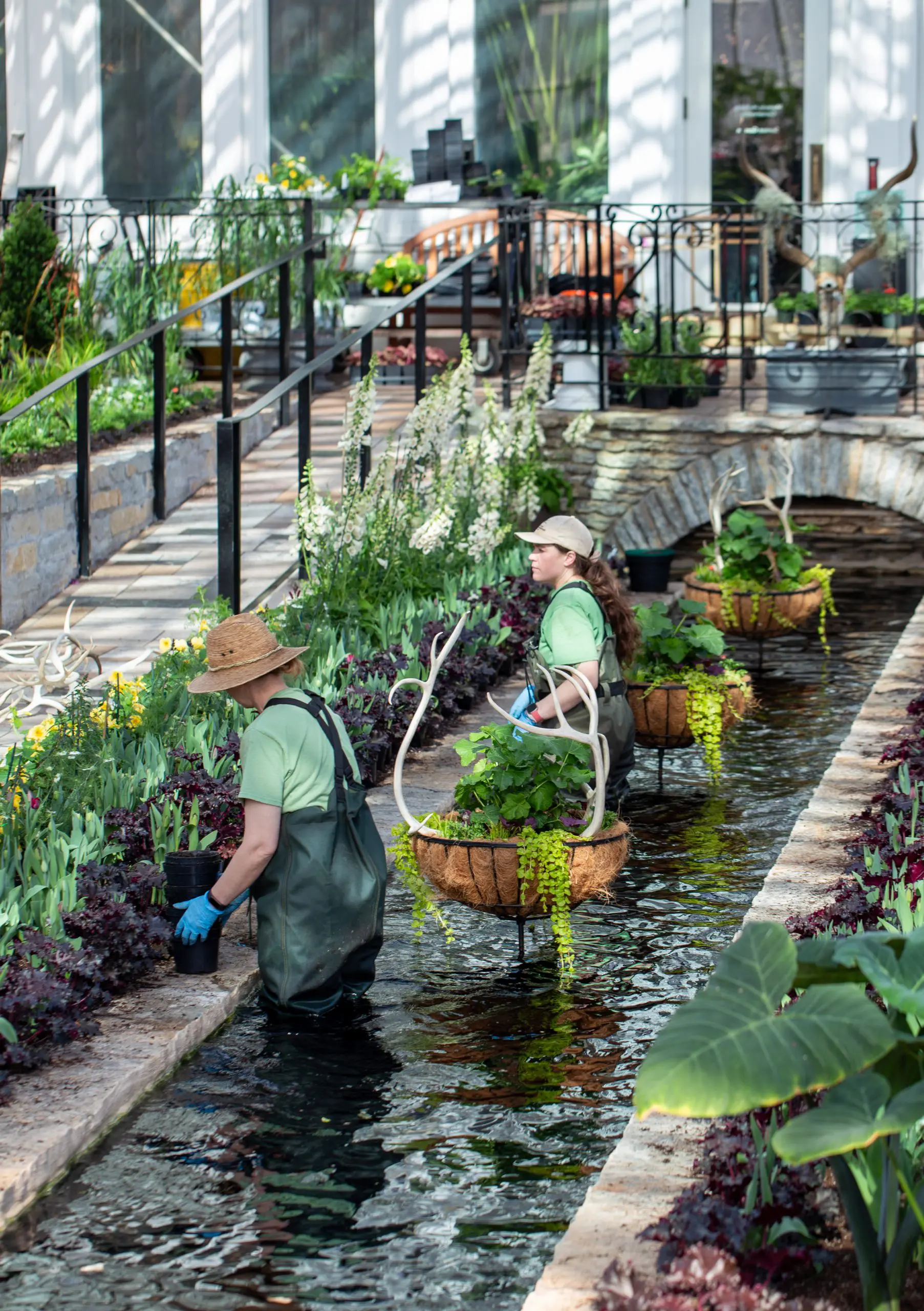
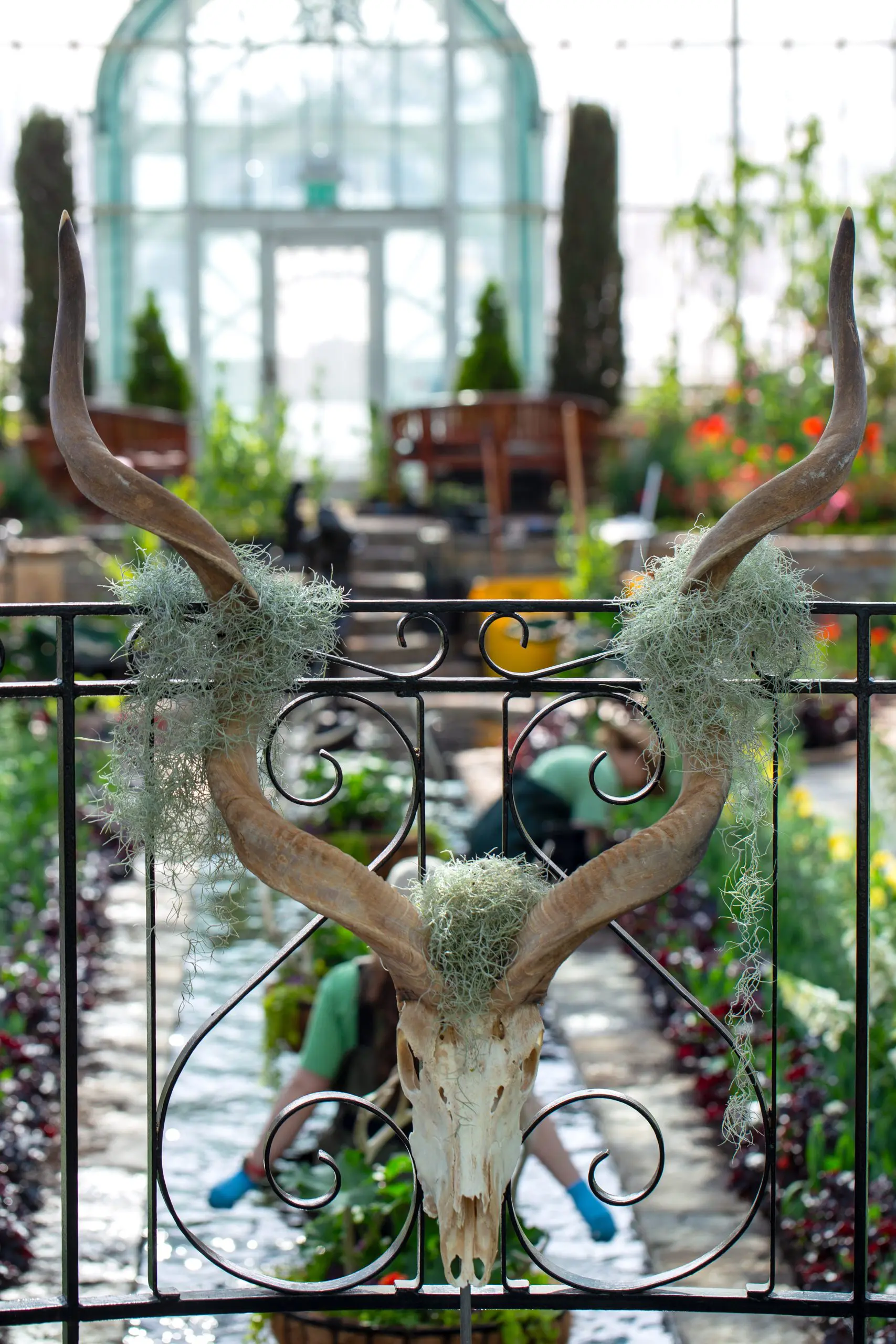
One of the more arresting features in the show is a series of antlers shed by Como Zoo’s reindeer, which now rise from the flower beds that float in Sunken Garden pond. The skull of a lesser kudu, used as an interpretive artifact in Como’s education department, has also been repurposed over the railings to the Sunken Garden, reflecting some of the myth’s central themes, and signaling that visitors are about to step into a timeless tale. “Persephone’s story is about the transition from the underworld and death, to the magical aspects of renewal and physical transformation that we start to see in the spring,” Watson says.
Narcissus (Daffodil)
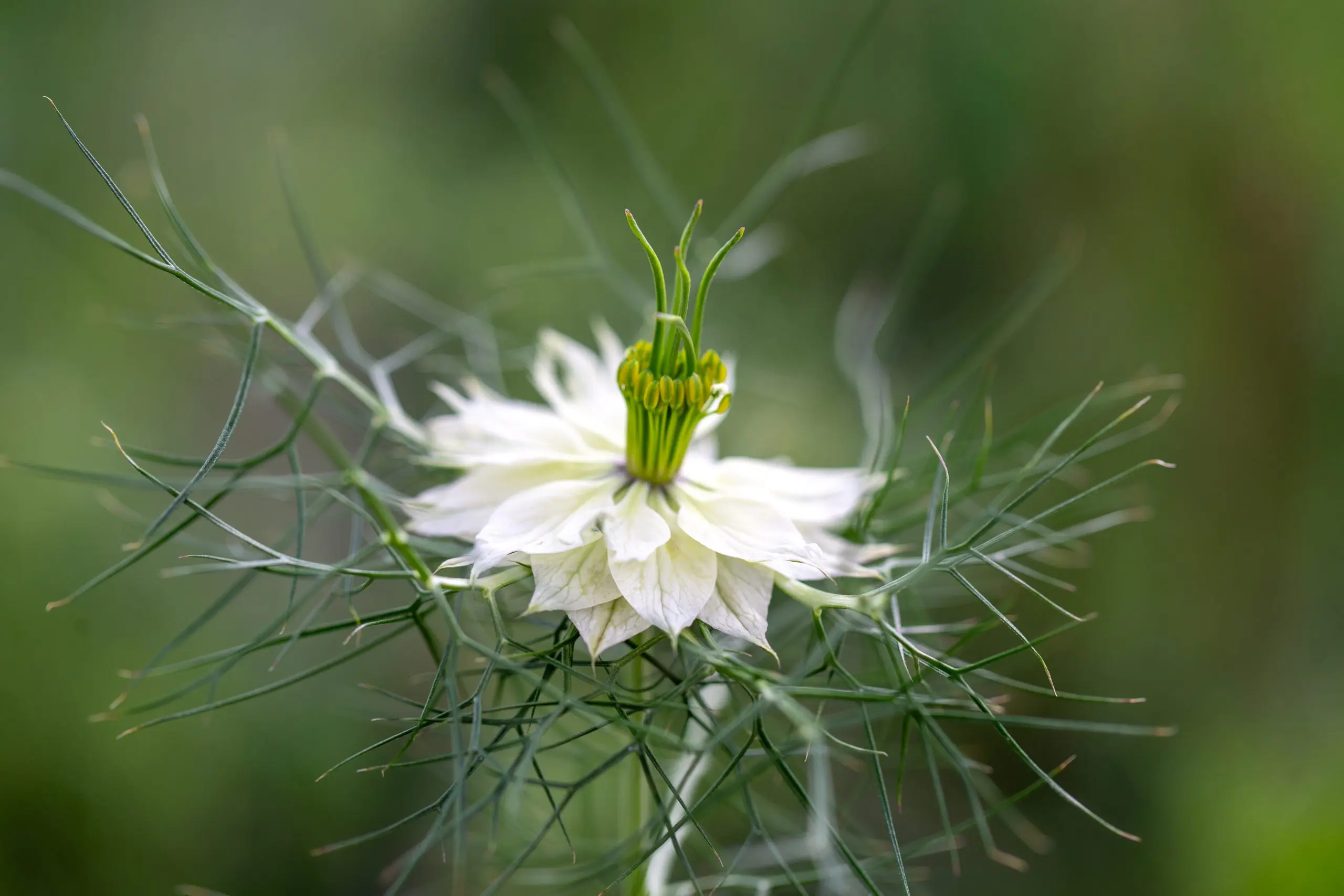
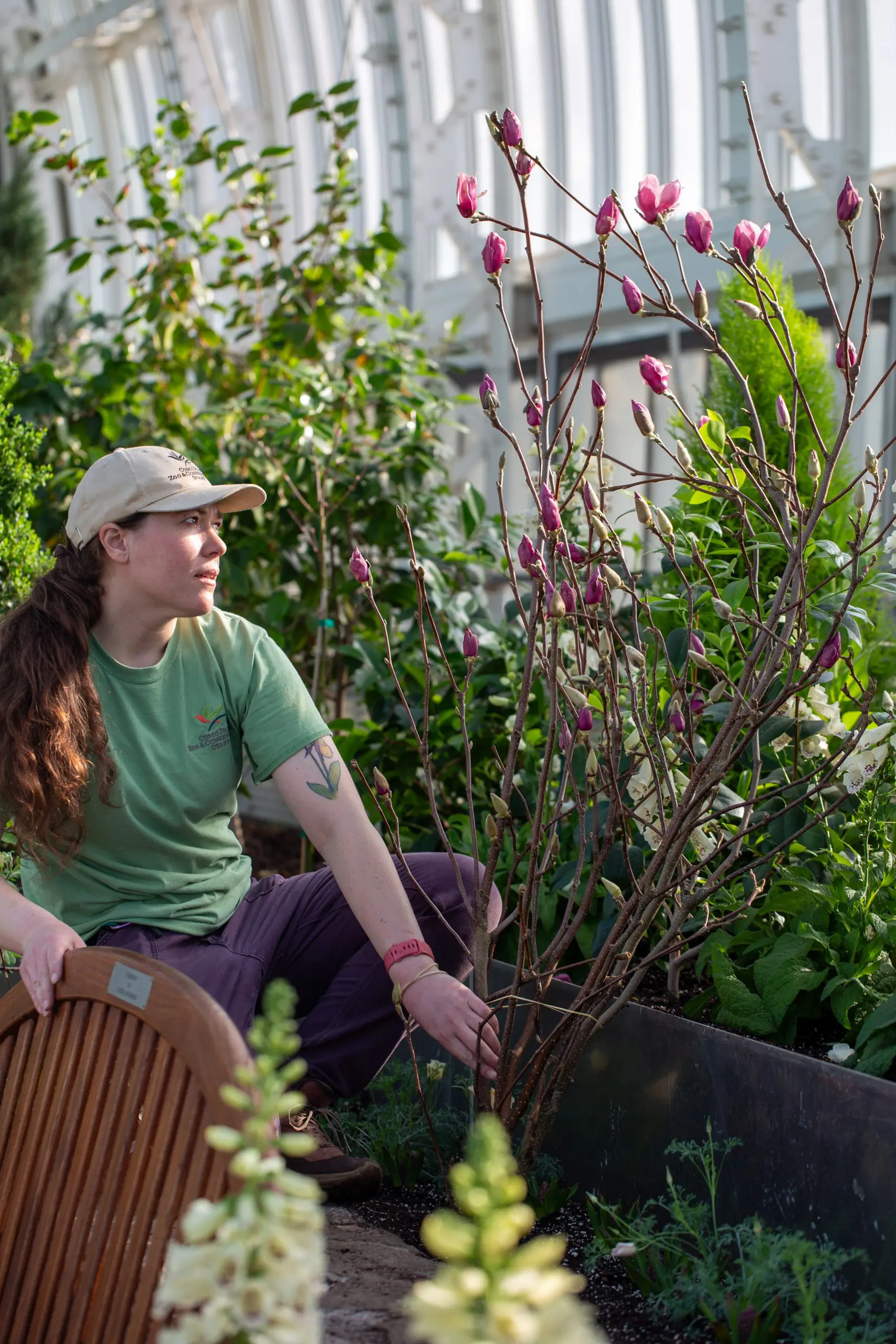
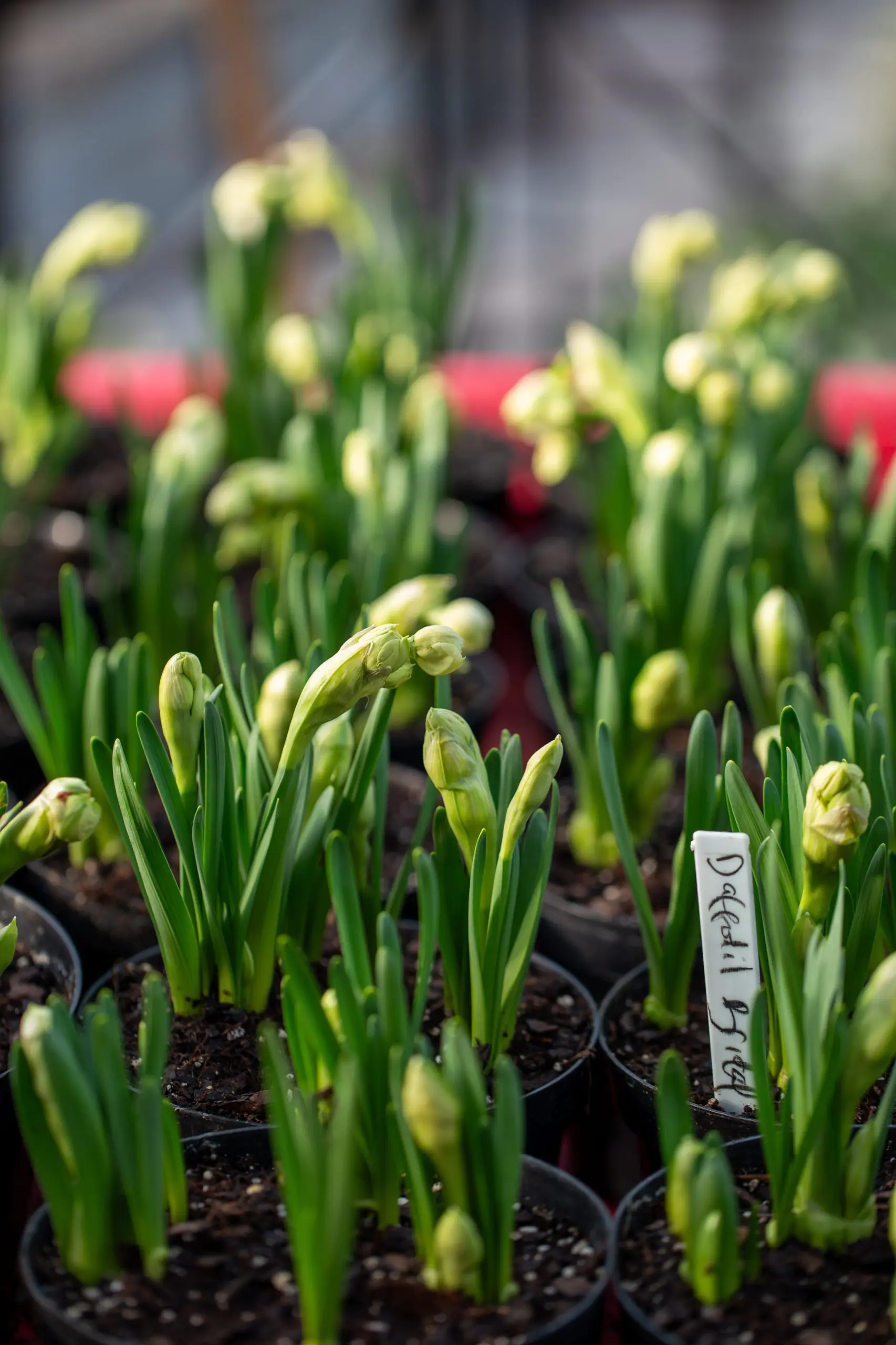
In Greek mythology, Persephone is the daughter of Demeter, the goddess of harvest—the Titan who taught humans how to grow wheat. When Hades, god of the underworld, sees Persephone in her garden, he falls instantly in love, begging her father, Zeus, to make her his bride. Knowing that mother and daughter would never agree to the arrangement, Hades lures Persephone away from her companions with a radiant and intoxicating narcissus, then rises through a crack in the earth to steal her away in a chariot driven by four black stallions. As her grief-stricken mother, Demeter, wanders the earth looking for her lost daughter, crops wither, fields lie fallow, and the world becomes cold and lifeless, bringing on the very first winter. Inspired by this story, Como’s Spring Flower Show features the Narcissus poeticus daffodil, complemented with tall foxgloves and stocky snapdragons.
Pomegranate
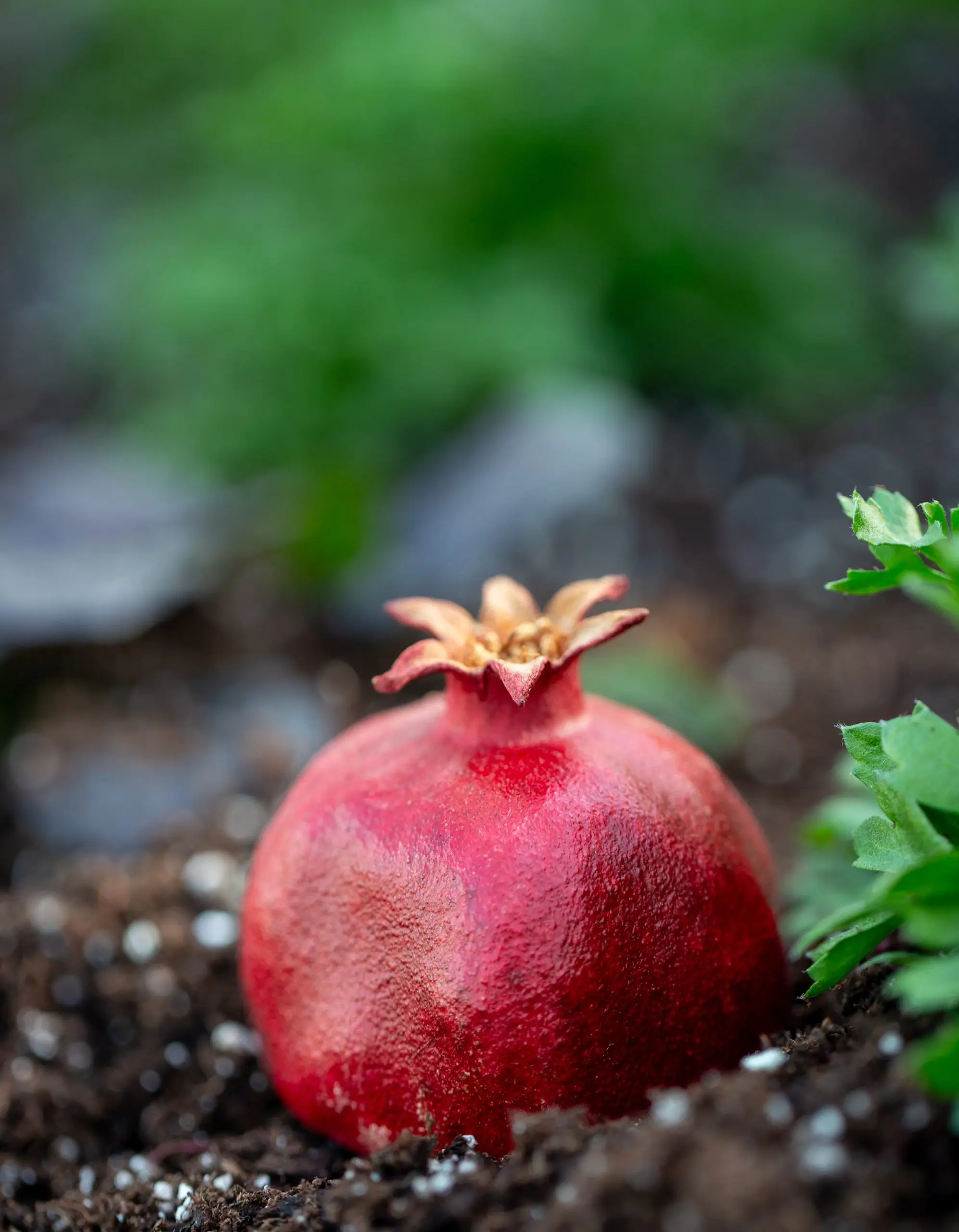
With the earth plunged into famine, Zeus sends Hermes to the underworld to negotiate Persephone’s return. Hades agrees, but comes up with a fresh trap: by feeding his bride food from his realm—six pomegranate seeds—divine law binds her to the underworld forever. Now Persephone must spend part of each year with Hades in the underworld, and the rest with her mother on earth.
In some stories, the pomegranate comes to symbolize Persephone’s now unbreakable bond to Hades. But with its many seeds, the pomegranate also symbolizes fertility and the bounty Persephone brings back to the world each time she returns.
Poppies
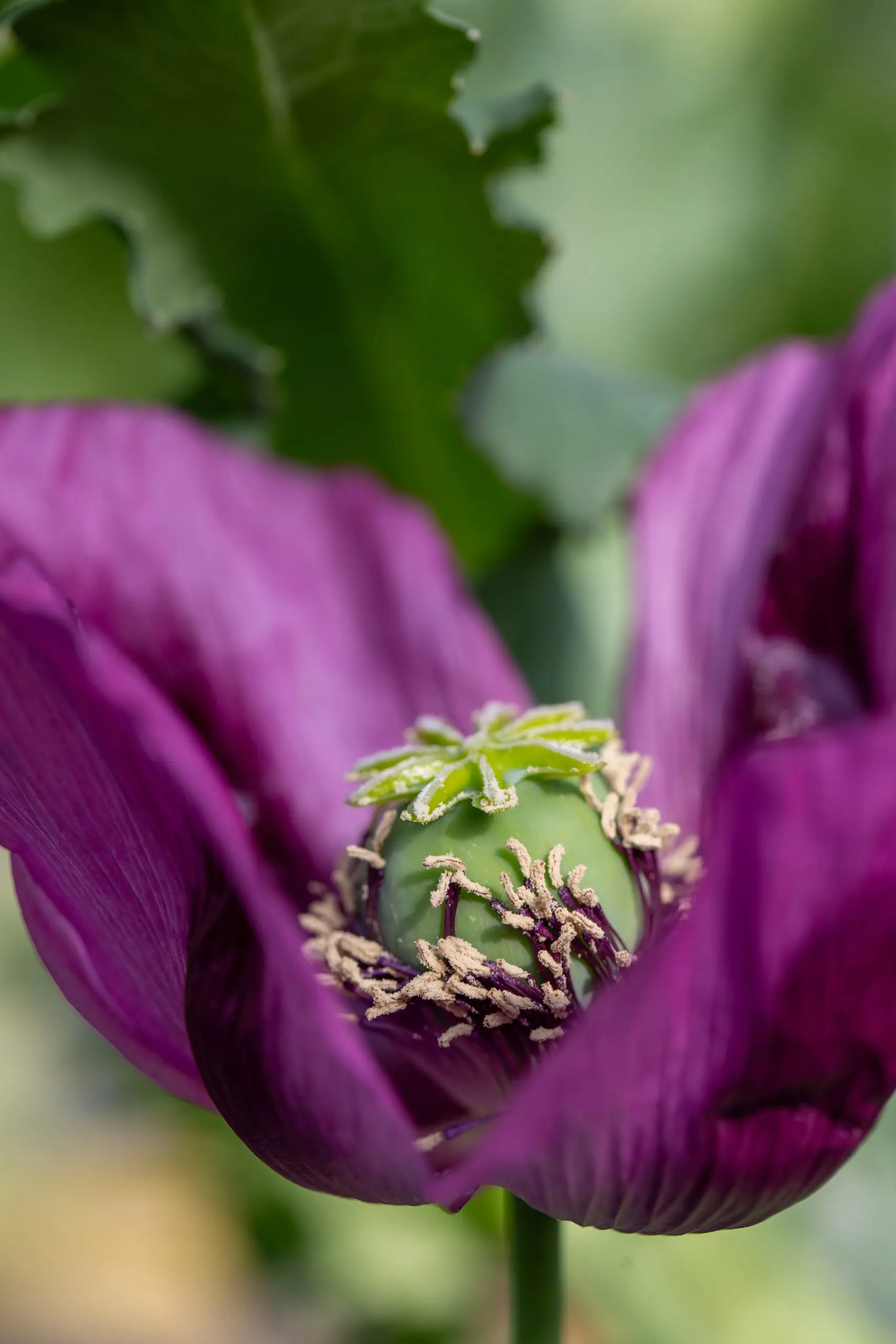
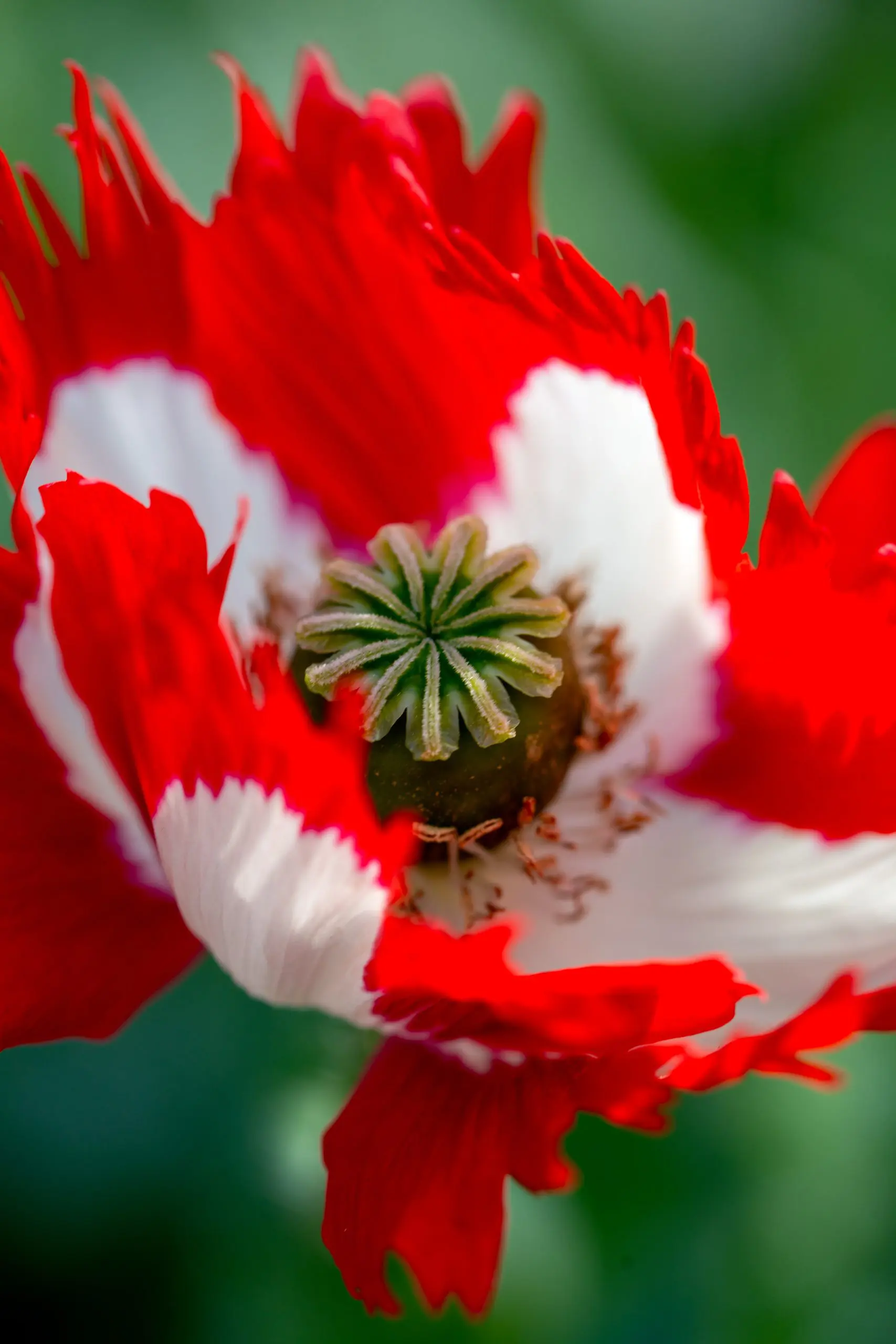
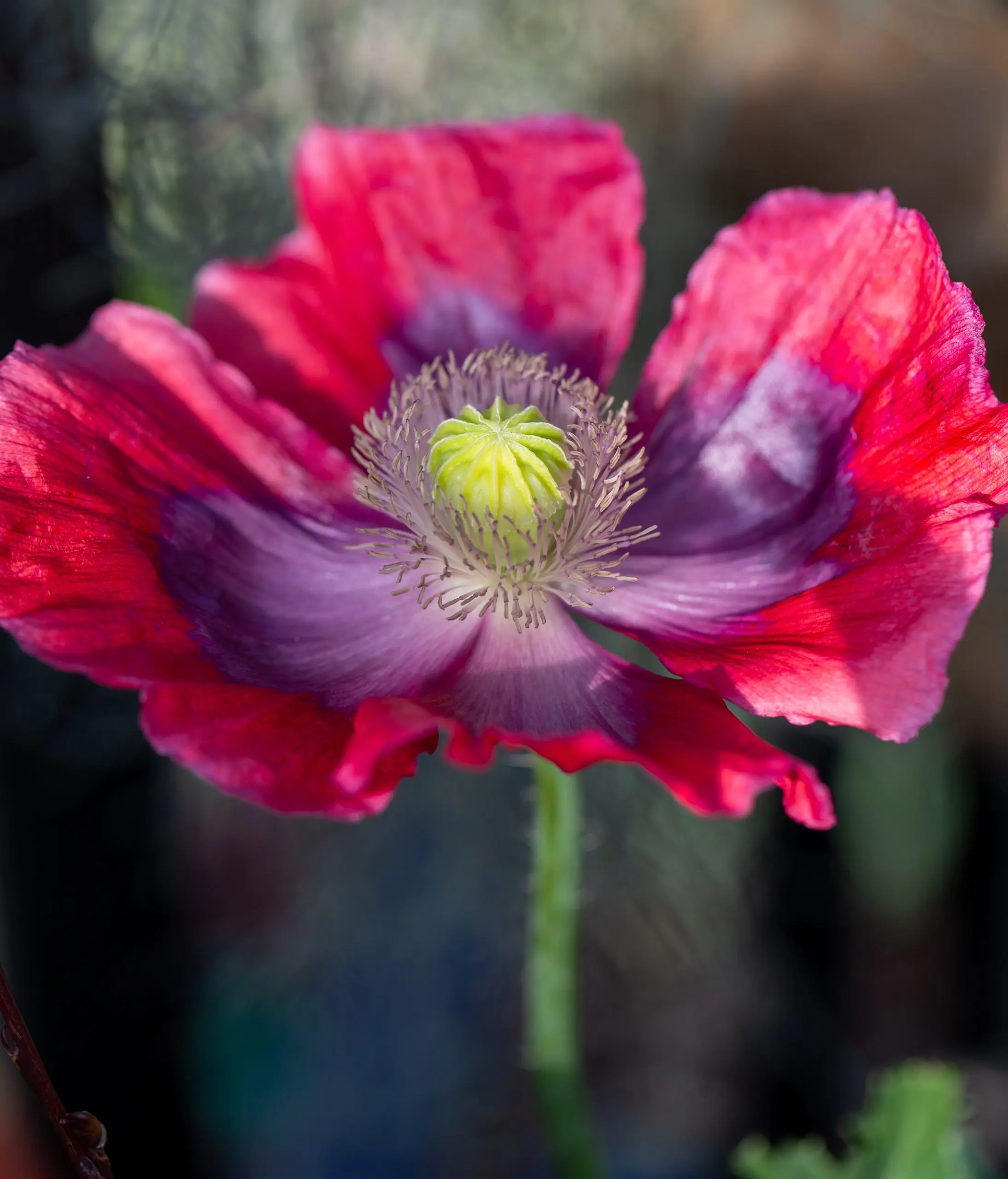
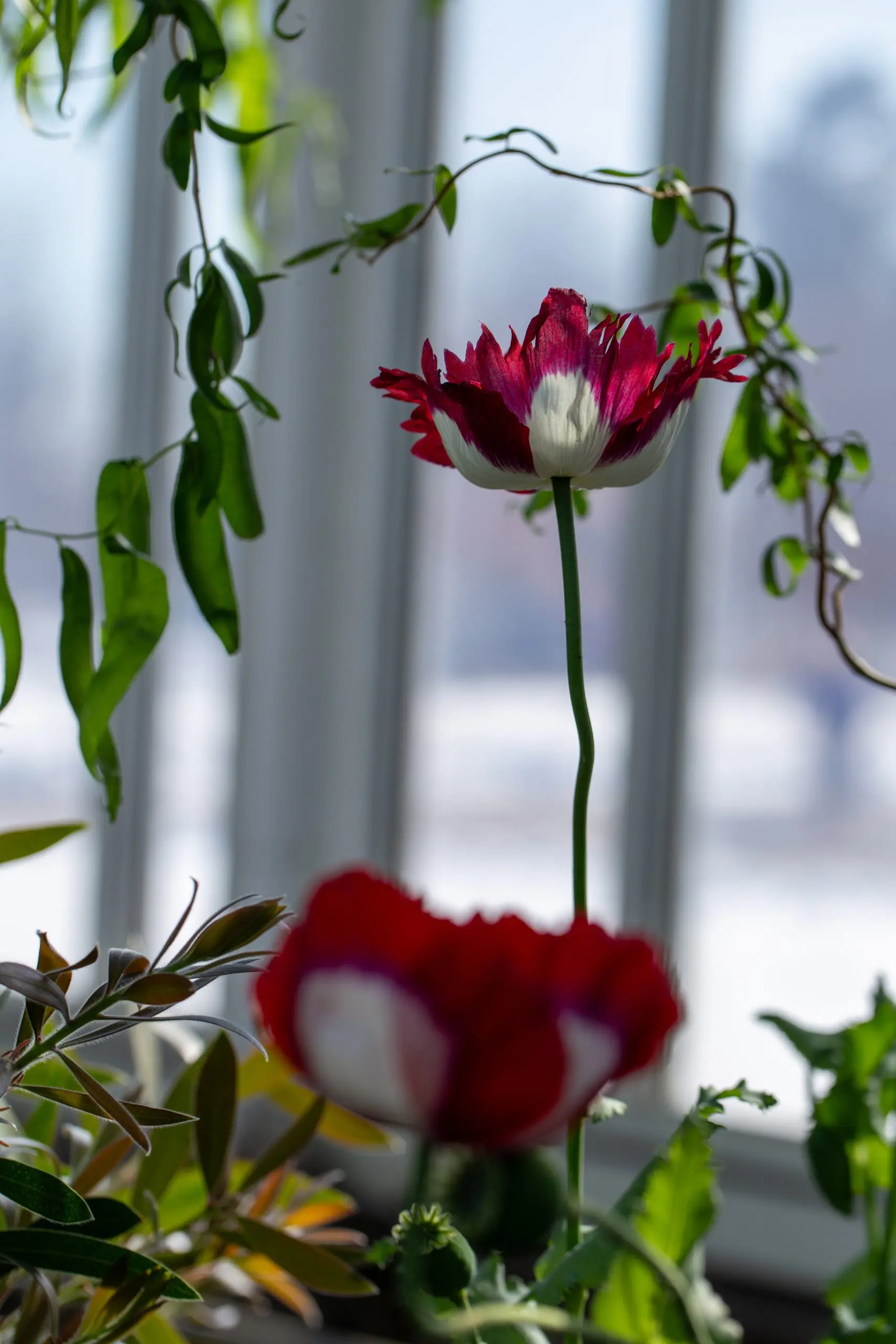
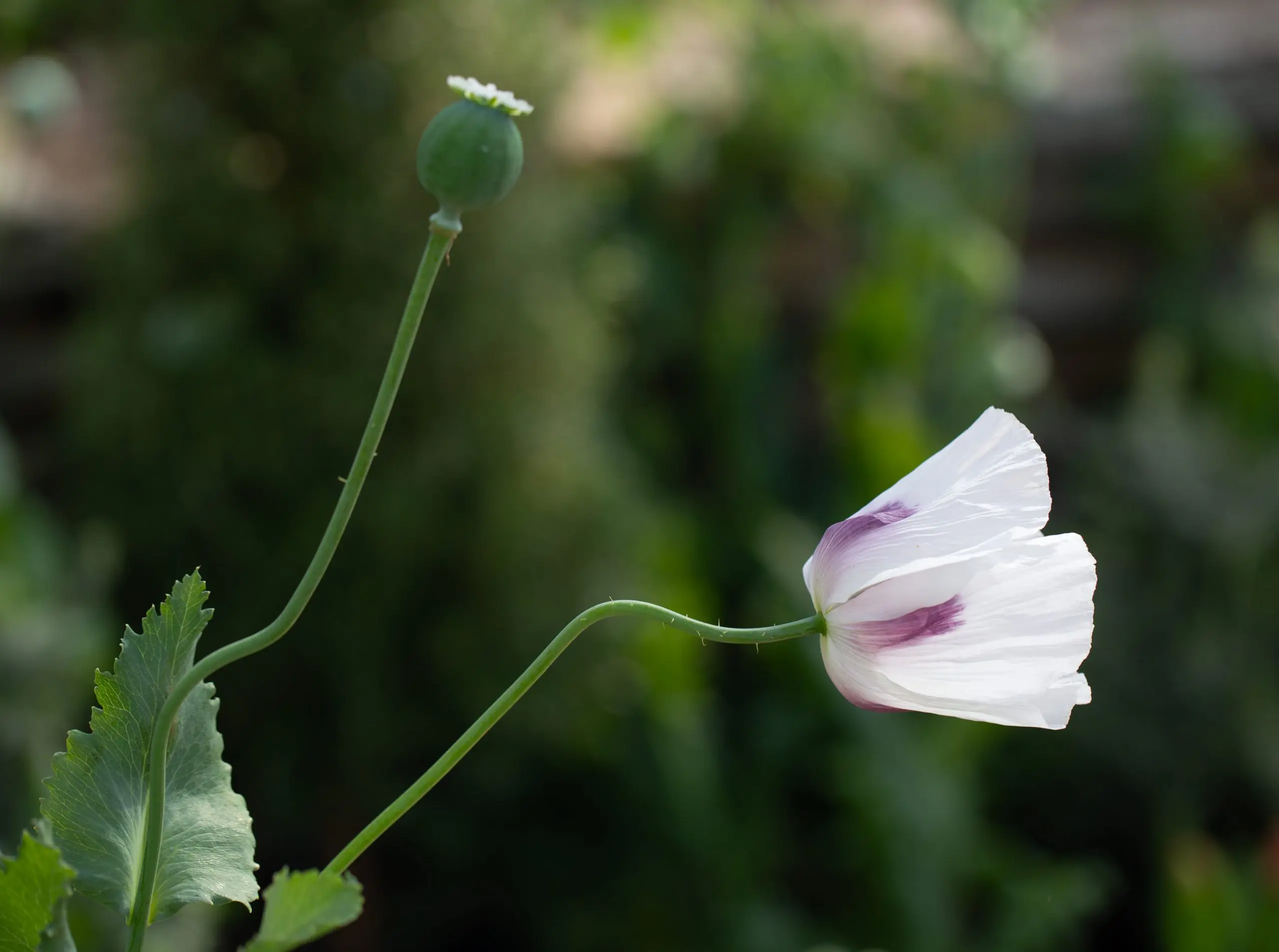
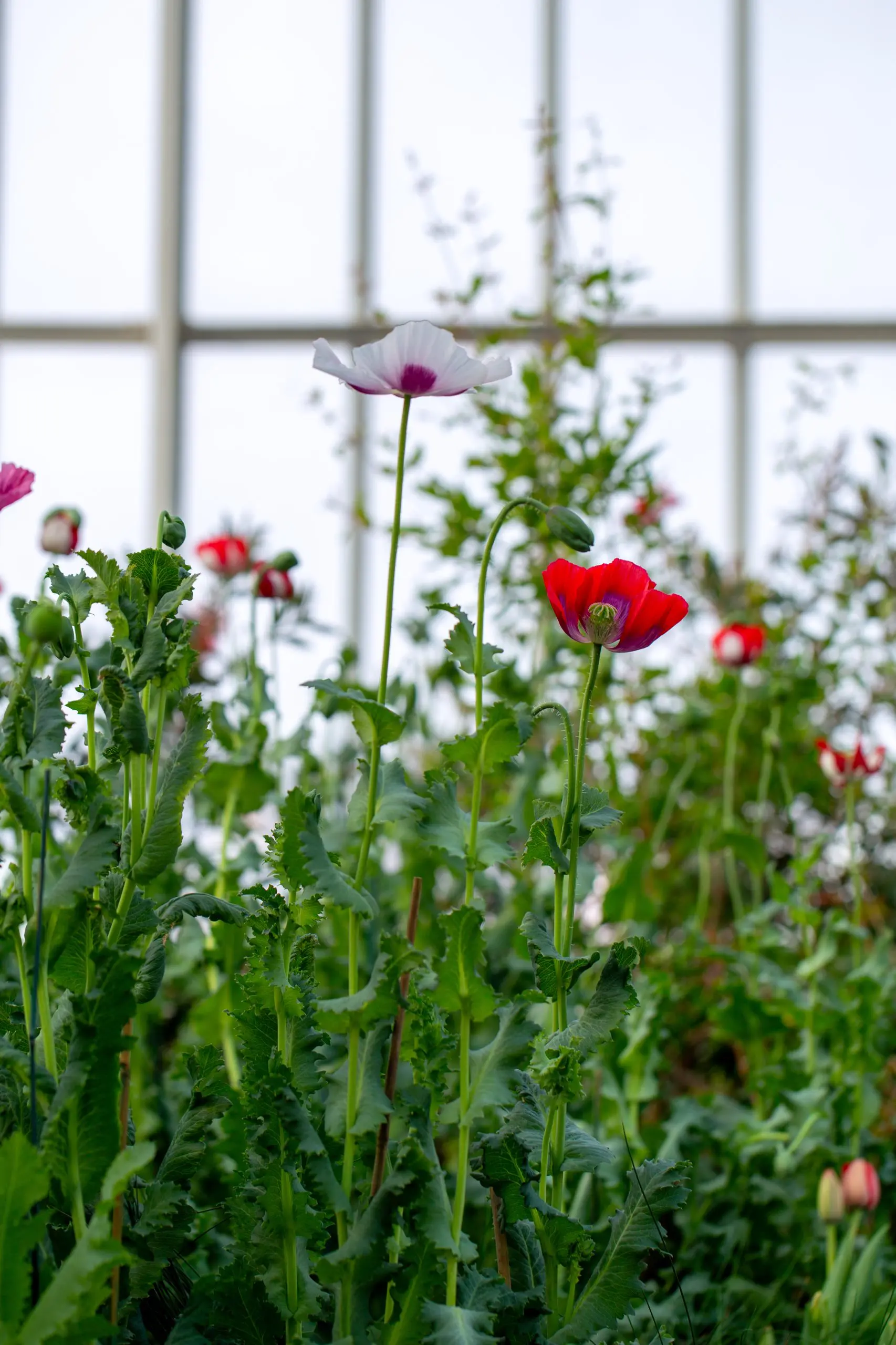
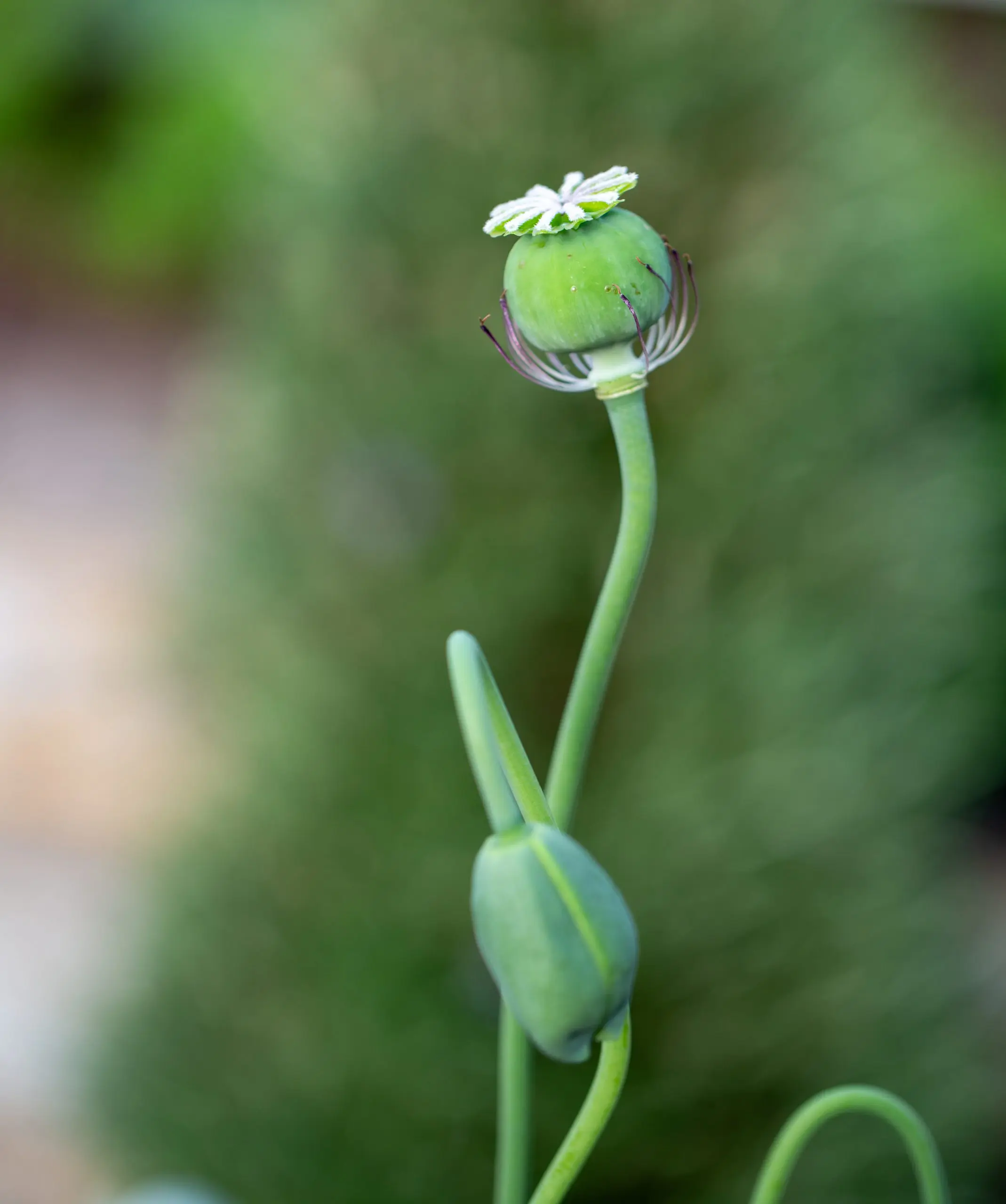
“The poppy, because of its association with medicine and death, is also part of Persephone’s purview as queen of the underworld,” says Watson. Some tellings say Demeter created the poppy, with its sedative qualities, to bring sleep and soothe her mind as she mourned for her daughter. Others say poppies first appeared from the footsteps of the goddess of spring, during her forced descent back to the underworld each winter, reminding Demeter that her daughter would return again. Growing abundantly among grain fields, poppies are often depicted in paintings of the goddess of the harvest. But their psychedelic properties also make them potent symbols of the transition between worlds.
Foxgloves
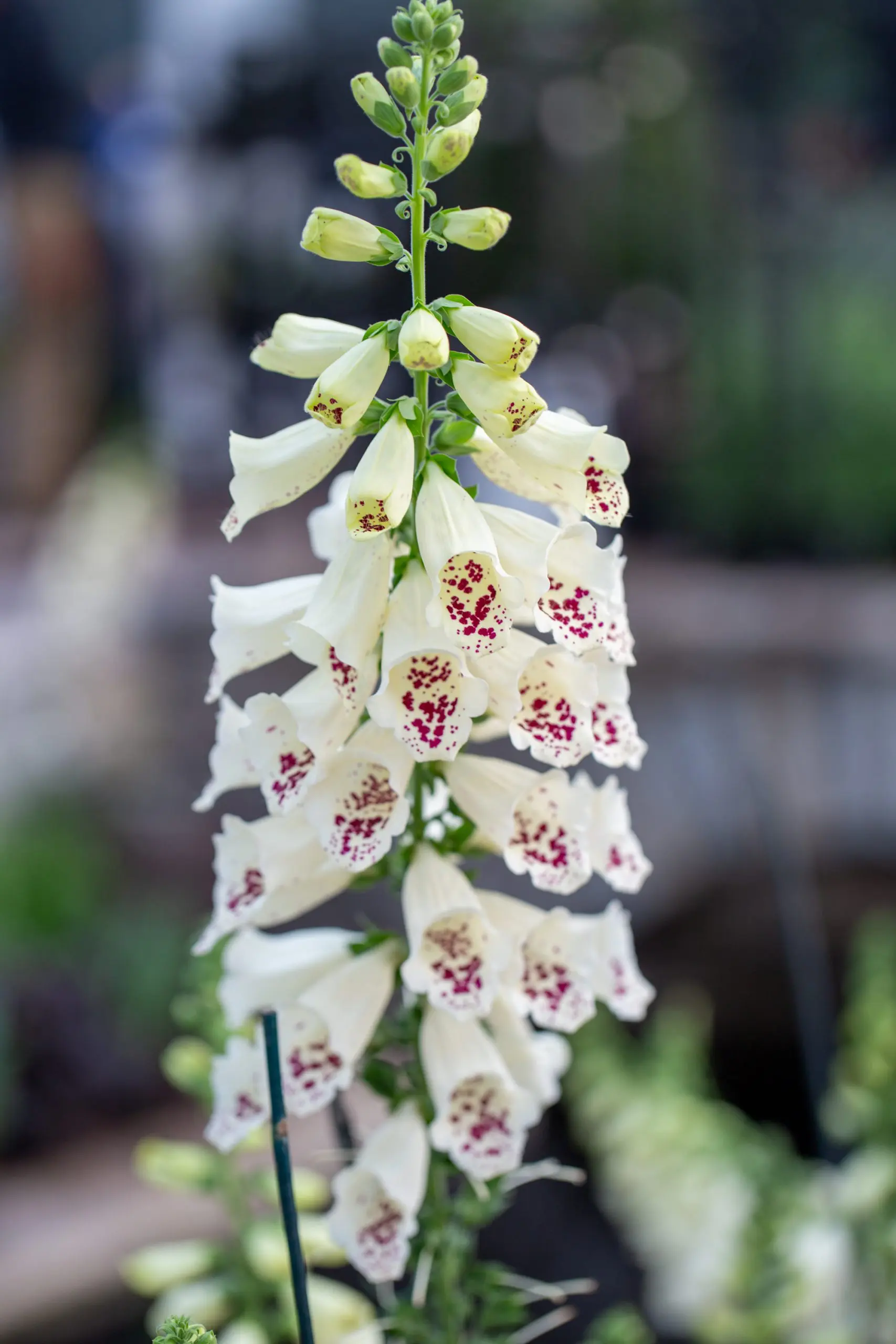
Another toxic medicinal flower associated with Persephone is the foxglove, known as digitalis, or “dead men’s bells.” While the plant is poisonous, it also contains life-saving compounds used to treat a variety of heart conditions, reflecting Persephone’s dual nature as both a figure of renewal and rebirth, and a ruler of the underworld.



The first half of the Marjorie McNeely Conservatory’s Spring Flower Show runs from March 20 through April 26, and is free to every visitor thanks to your contributions to Como Friends. Thank you!