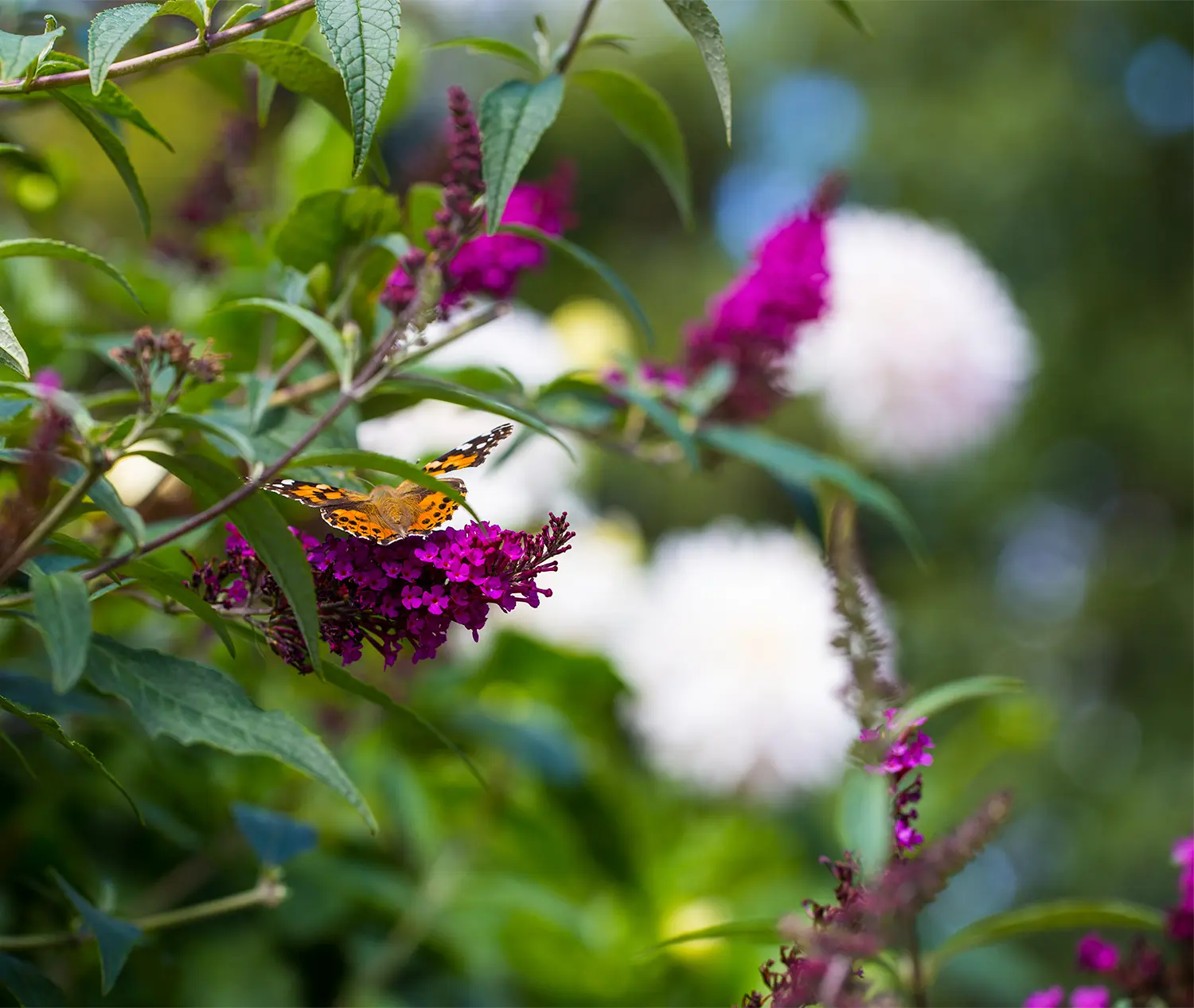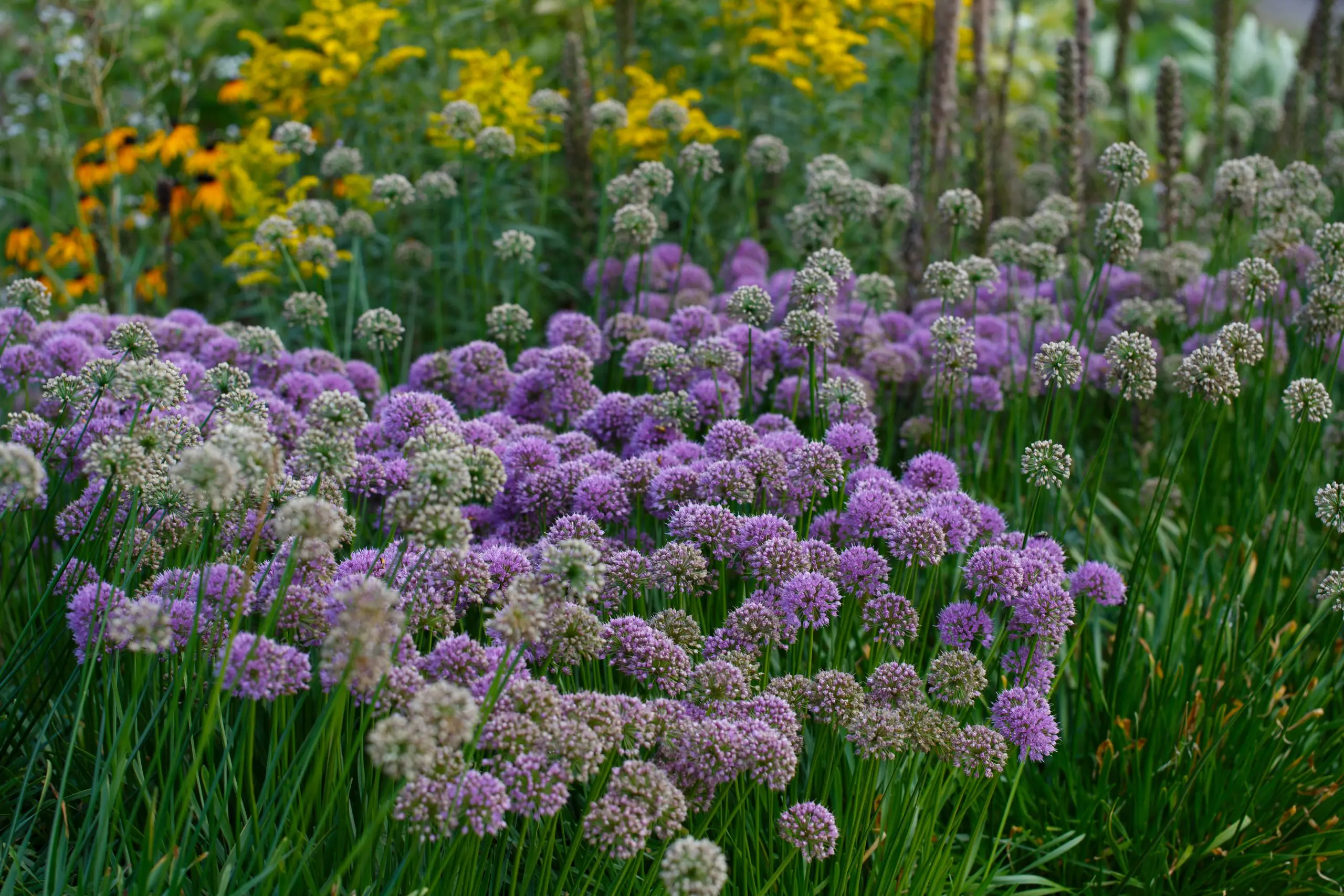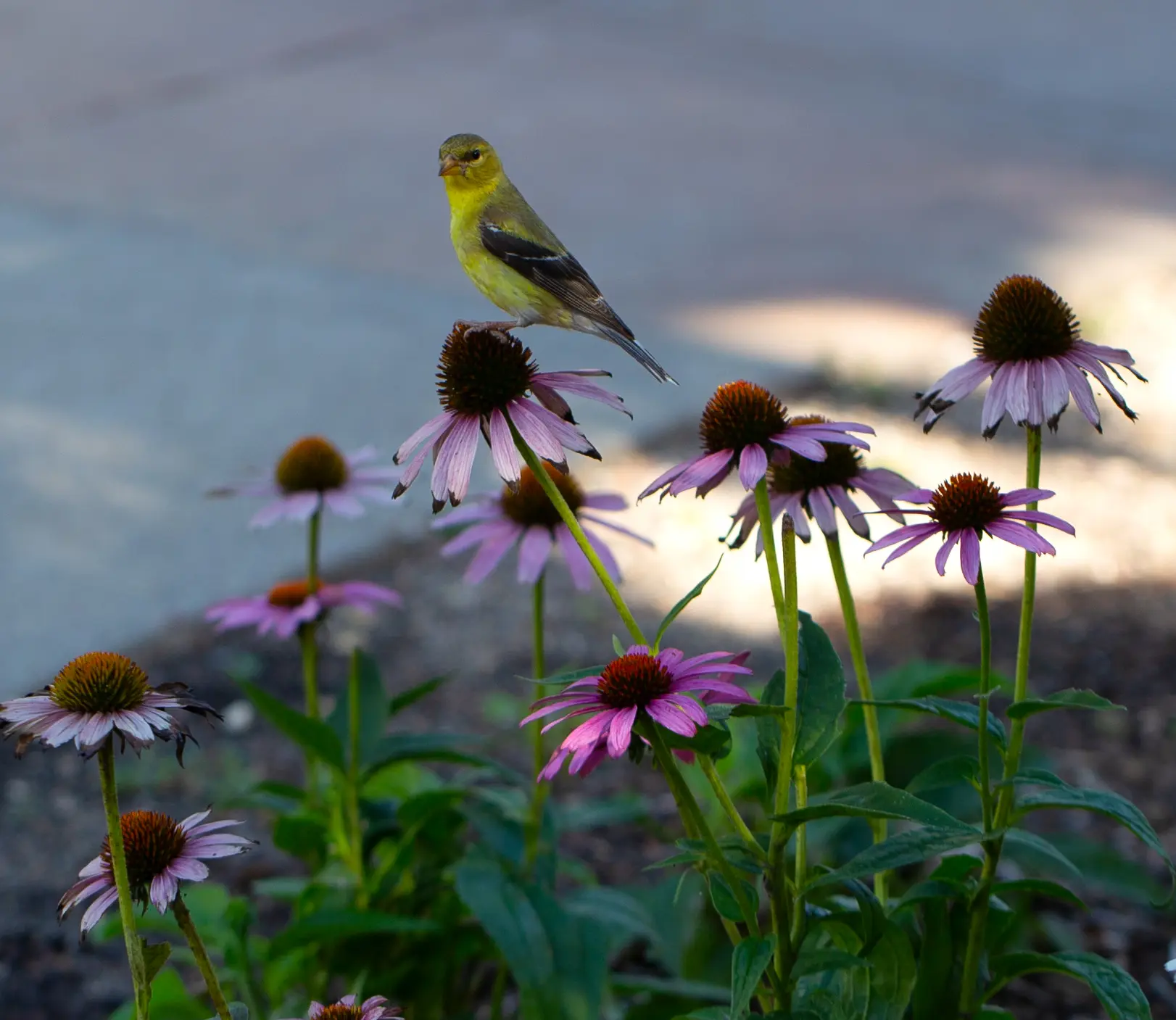

With pollinator-friendly plantings and more sustainable landscape practices, horticulturists at the Marjorie McNeely Conservatory are role-modeling the ways you can invite more wildlife into your own backyard
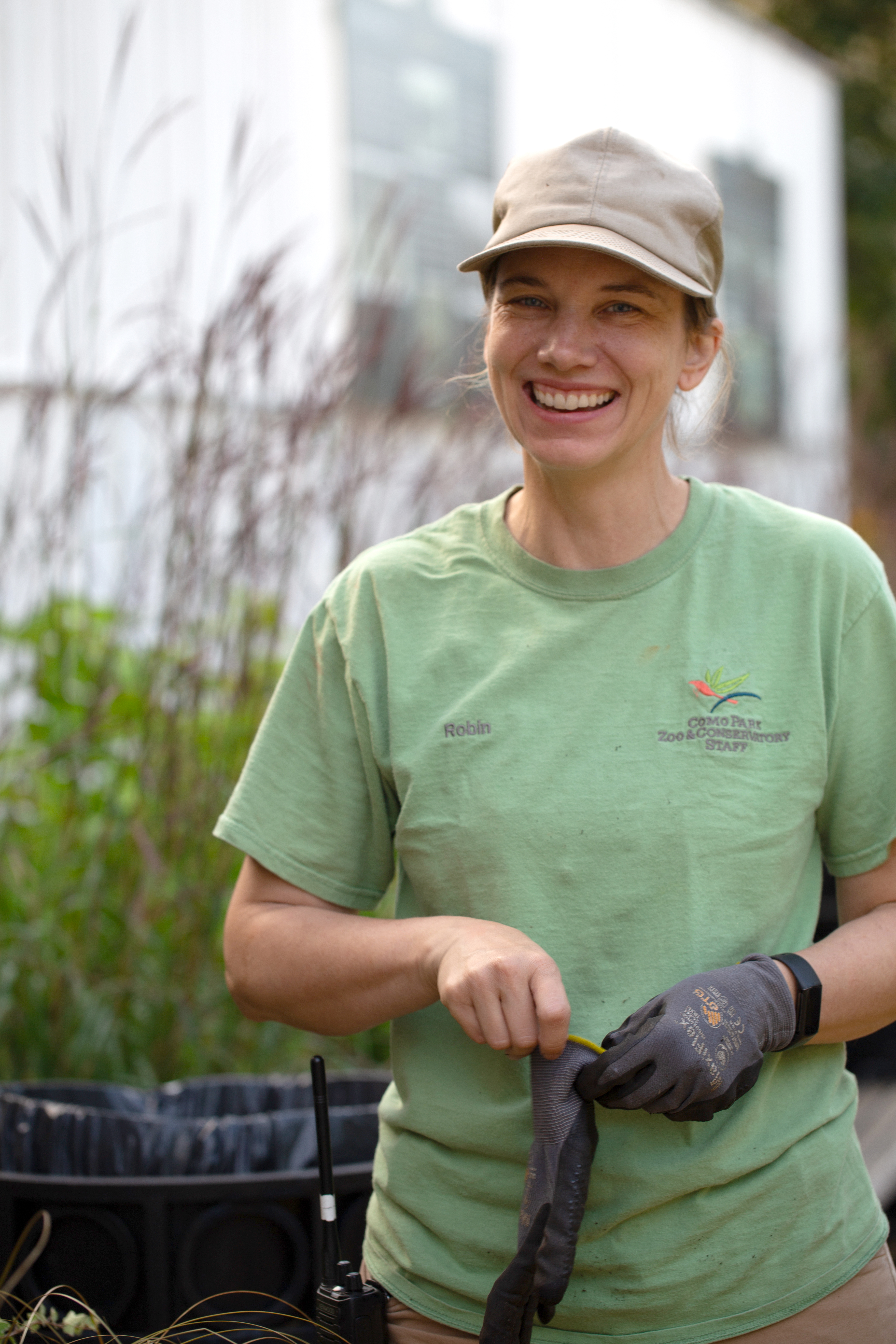
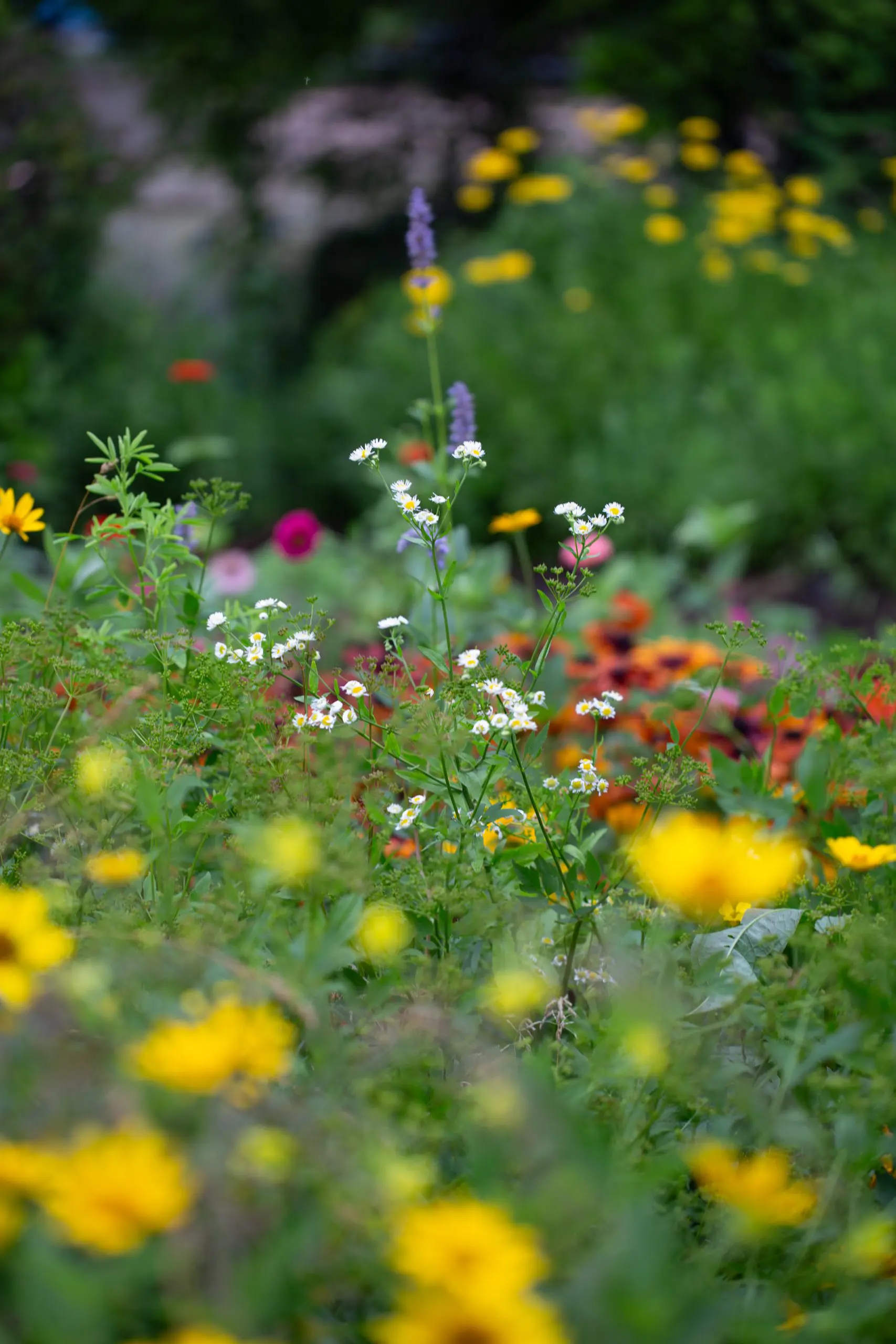
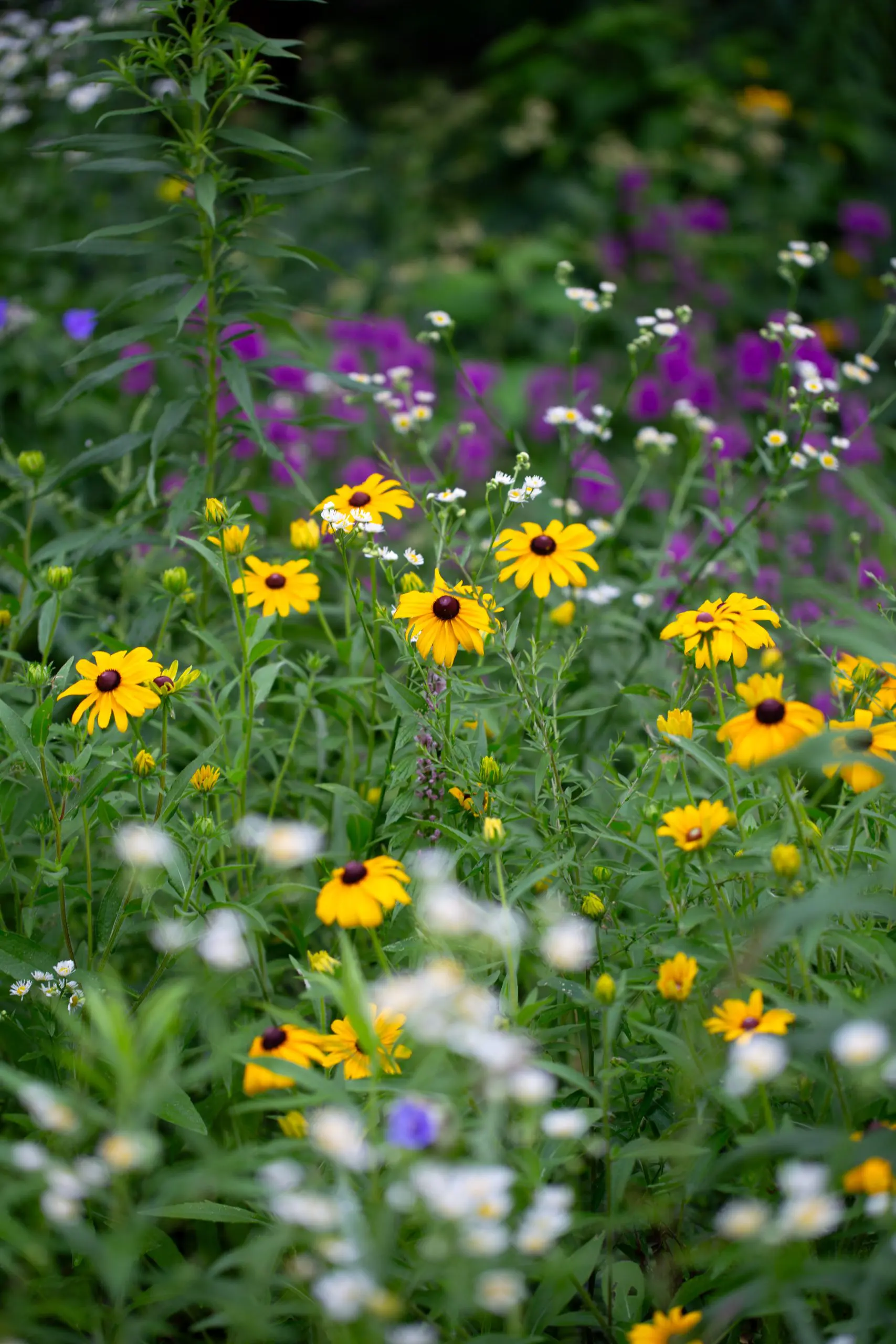
Last fall, as the growing season came to a close, horticulturist Robin Takahashi made a point of keeping the Skipper Garden between Como Zoo’s bird yard and the orangutan habitat in a careful state of decay. Rather than raking up leaves and cutting dead foliage, she kept plant skeletons in place over the winter in hopes of creating an inviting home for the Dakota skipper (Hesperia dacotae), a critically endangered butterfly that was once native to Minnesota’s tall grass prairies.
“Skipper butterflies, when they’re caterpillars, will wrap themselves up in a blade of grass and nibble on it, so you might never know they’re there,” she says. “Cutting back ornamental grasses in the fall can wipe out their habitat, so instead, I leave about 6 inches of grass into the spring.”
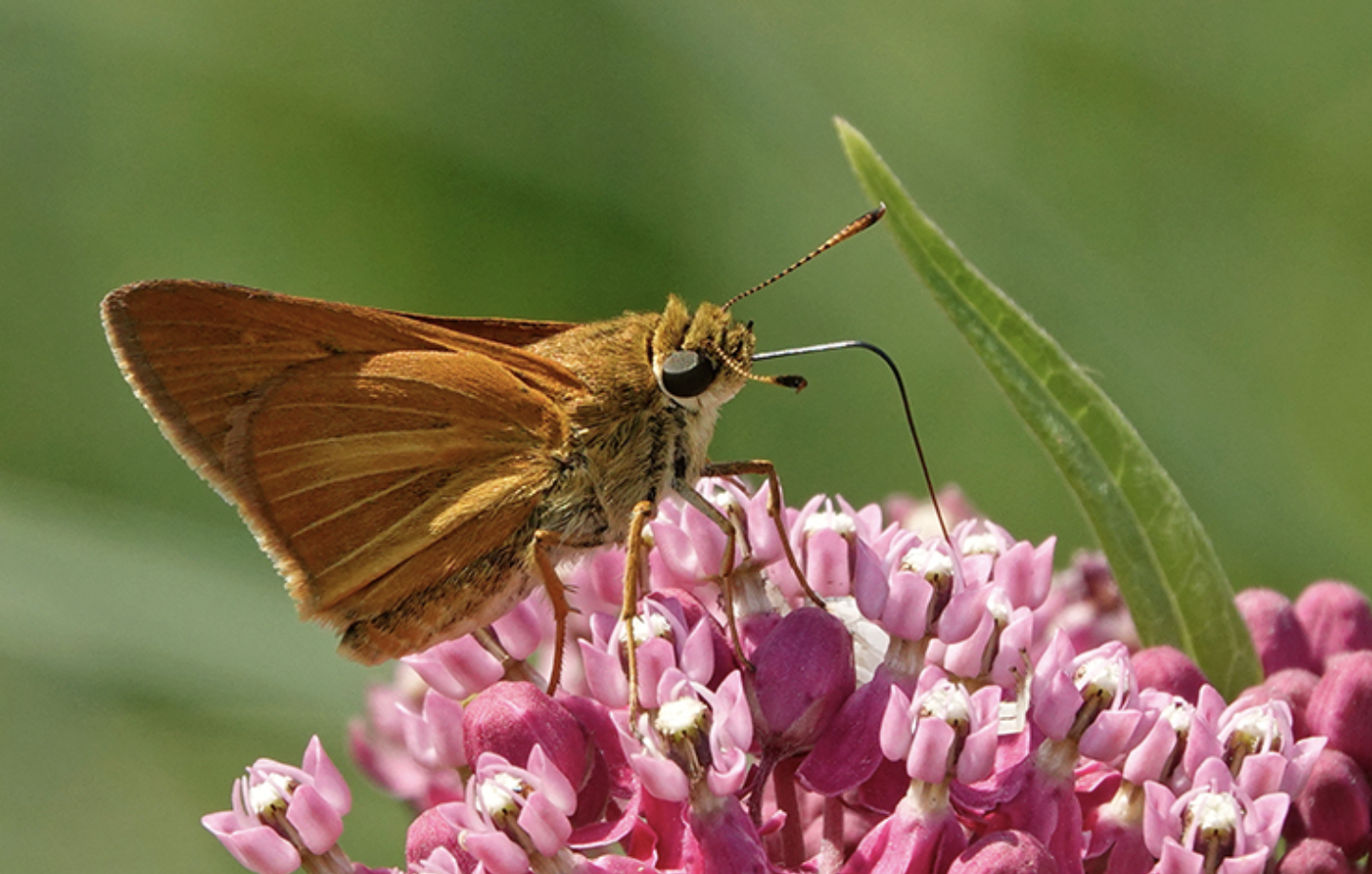
Skipper Butterfly photo taken by Volunteer for the Minnesota DNR
Encouraging Como visitors to invite more pollinators into their own backyards and landscapes is part of the mission of this year’s Party for the Planet, Como’s weekend-long Earth Day celebration powered by Xcel Energy, scheduled for April 25–26. But it’s also become a growing part of the design plan for the Marjorie McNeely Conservatory’s outdoor gardens. In recent years, Como’s been making a quiet but critical evolution toward more sustainable practices—both to attract the birds, bees, butterflies, and other pollinators that signal a healthy ecosystem, and to mitigate the present and future effects of climate change.
“Plants can get stressed out by the changes in climate that are really abrupt and dramatic,” explains Como’s Bryn Fleming, the horticultural supervisor who oversees all of the Conservatory’s exterior gardens. “For instance, as we’ve seen more really heavy rain in June over the last couple of seasons, a lot of home gardeners may be noticing that their lilacs are getting really cranky, and are more susceptible to a fungal disease that’s more prevalent when things are super wet and warm.”
As Como horticulturists encounter these trends, they’re taking a close look at the care, feeding, and cultivation of every corner of Como’s 18-acre campus to ensure the flowers, plants, shrubs, and trees they install this season can be sustained for the long term. “It’s a process that every gardener should probably be doing right now,” Fleming says, “starting with the question, how much time do you actually have? How much water do you want to use, and how often? Are you planting something that’s prone to disease, and will you have to use chemicals to keep it looking great? In a way, it’s about being more realistic about what will last, and rethinking some of our choices as we go forward.”
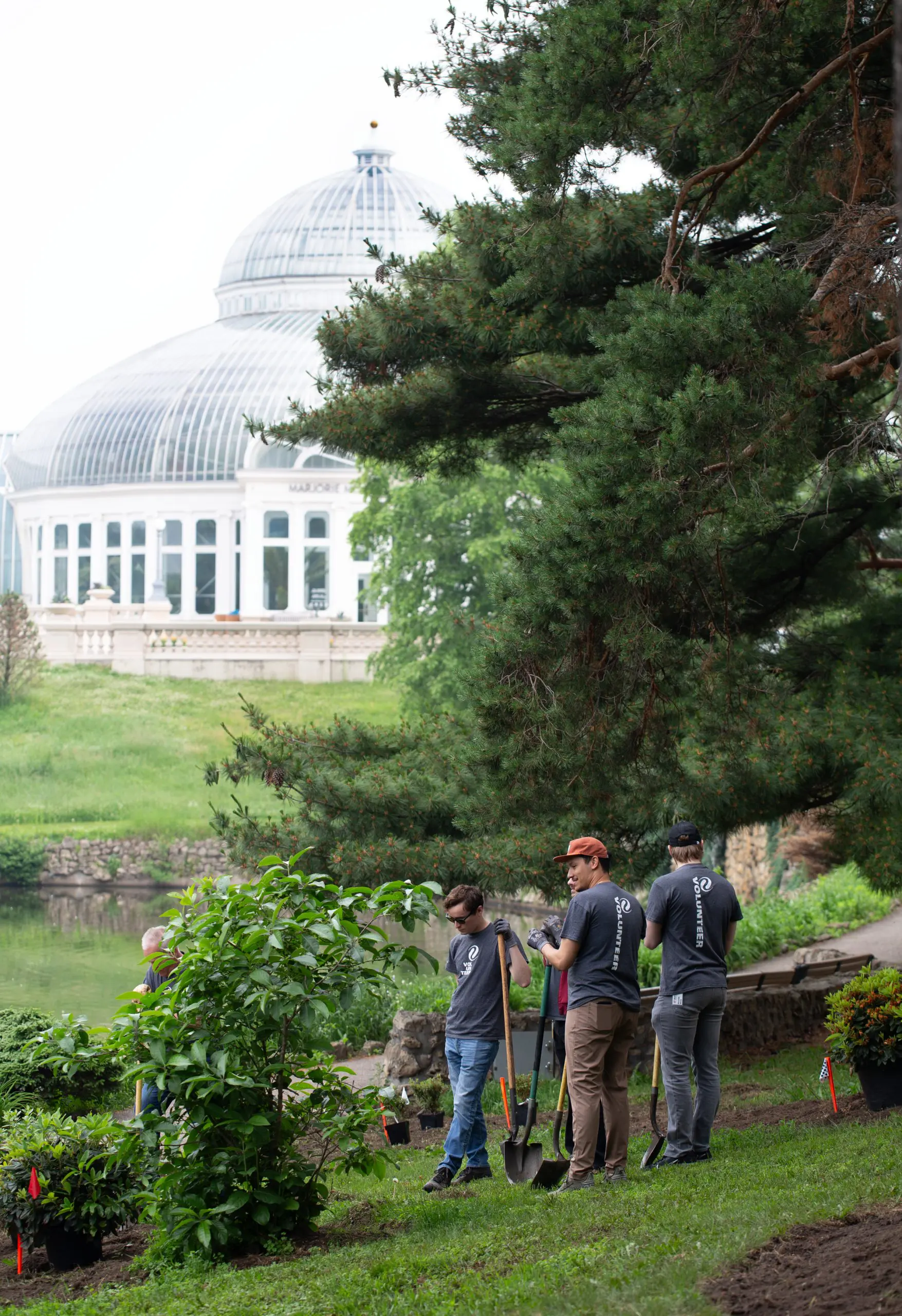
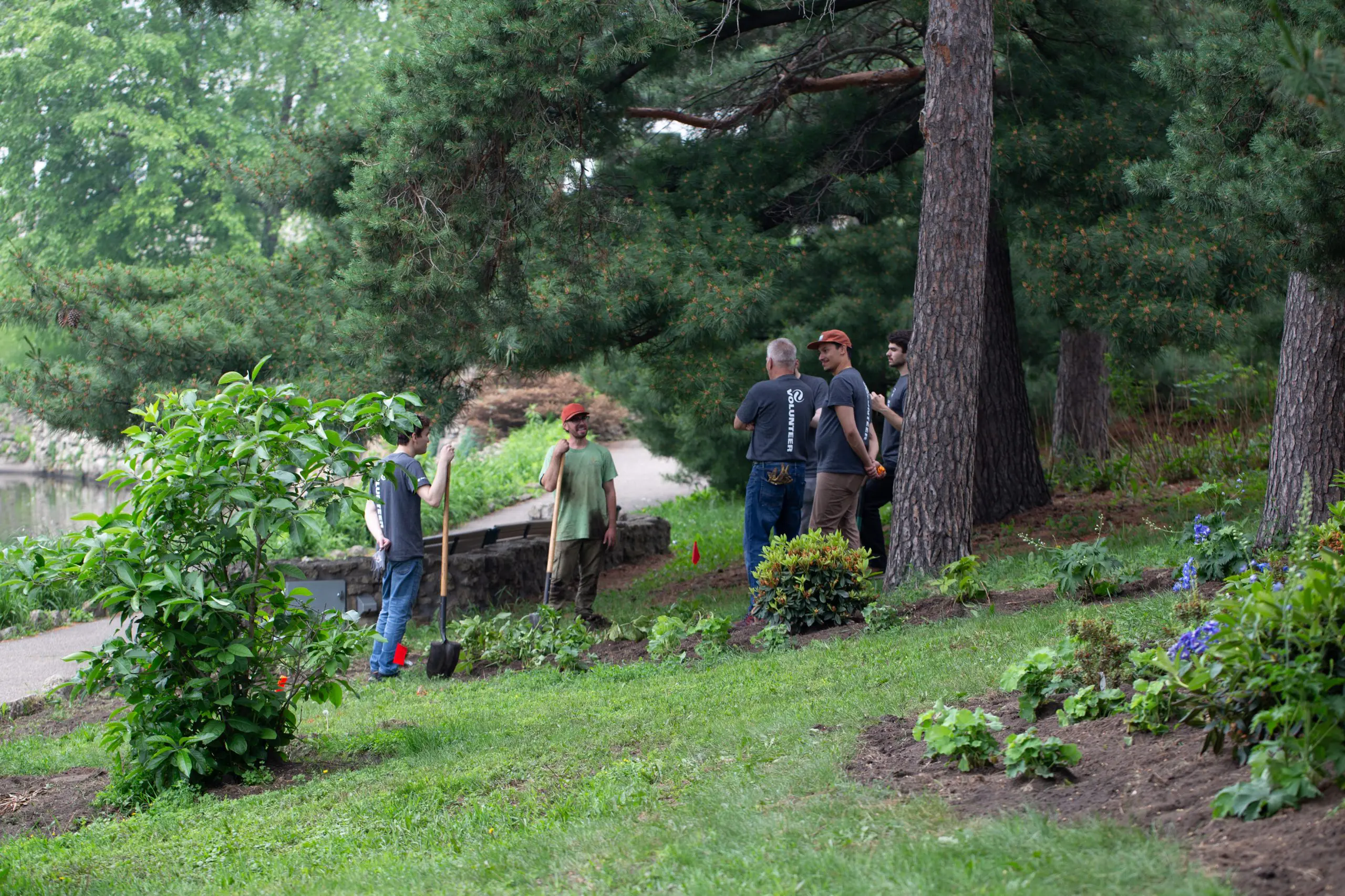
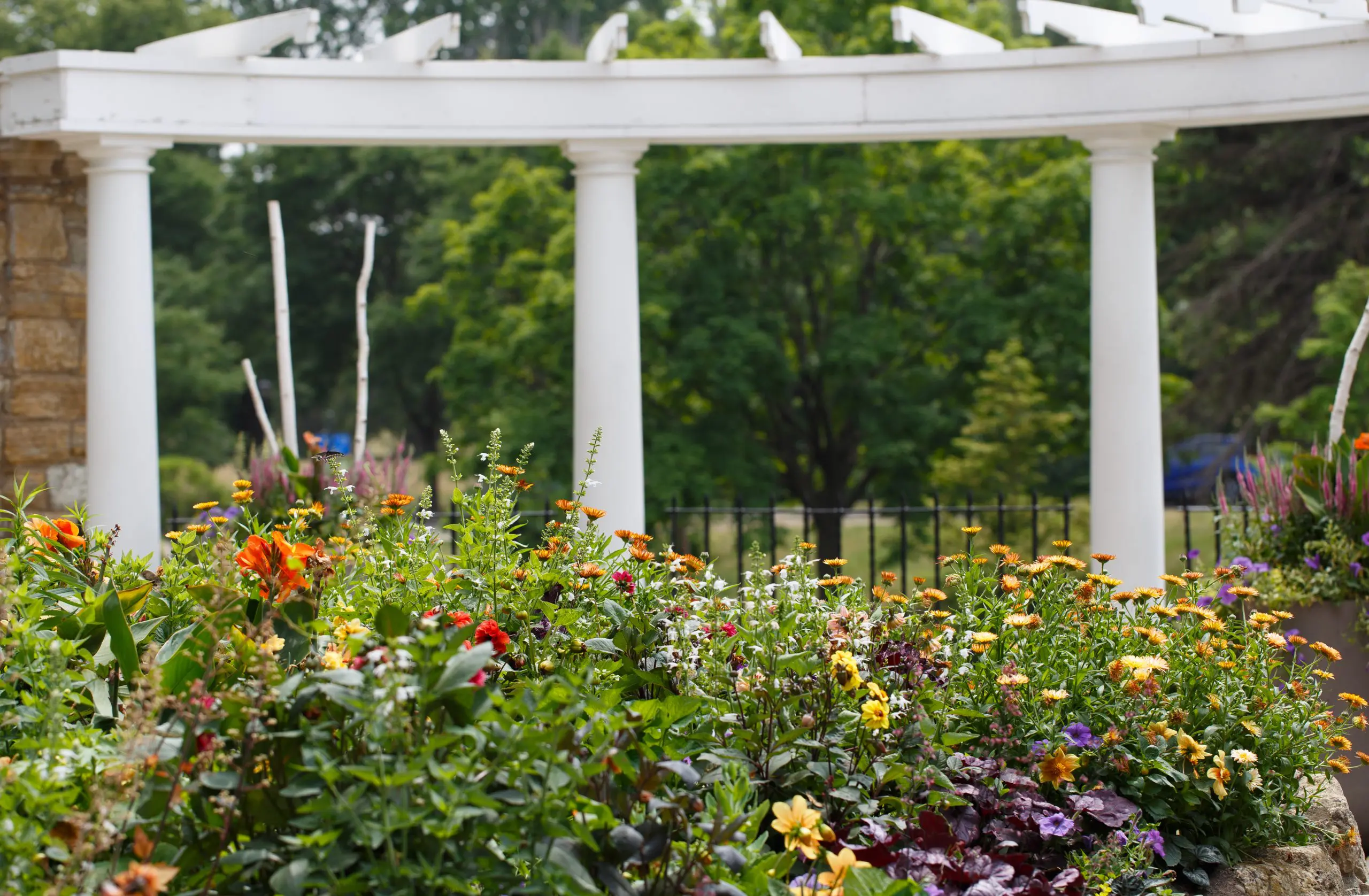
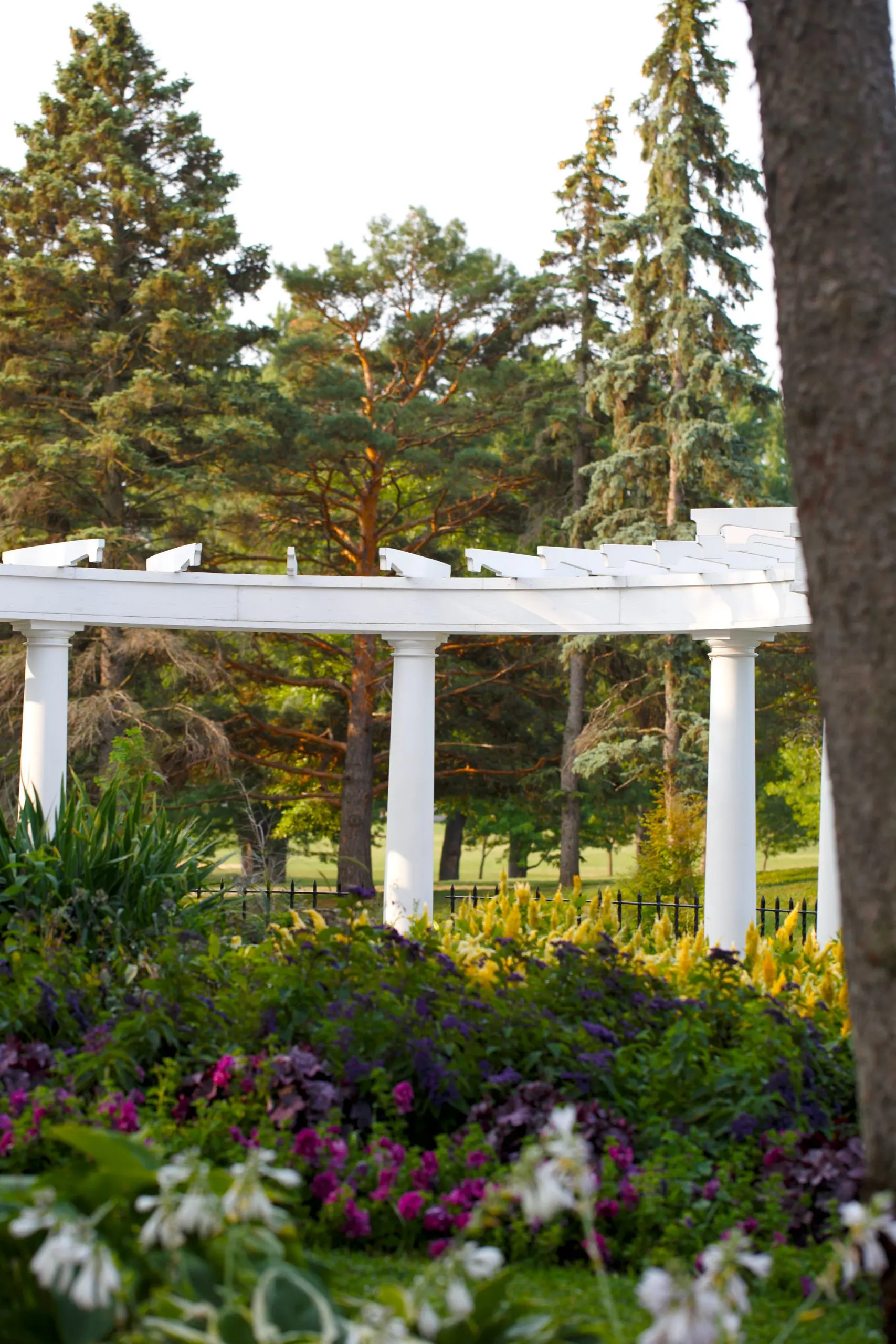
That approach is well underway in the Minnesota Garden that greets visitors at Como’s front door. Originally installed a decade ago with native and adaptive plants, horticulturist Marie Day has been leading the garden’s evolution toward exclusively native plants, which have the advantage of requiring less water, and being more drought tolerant.
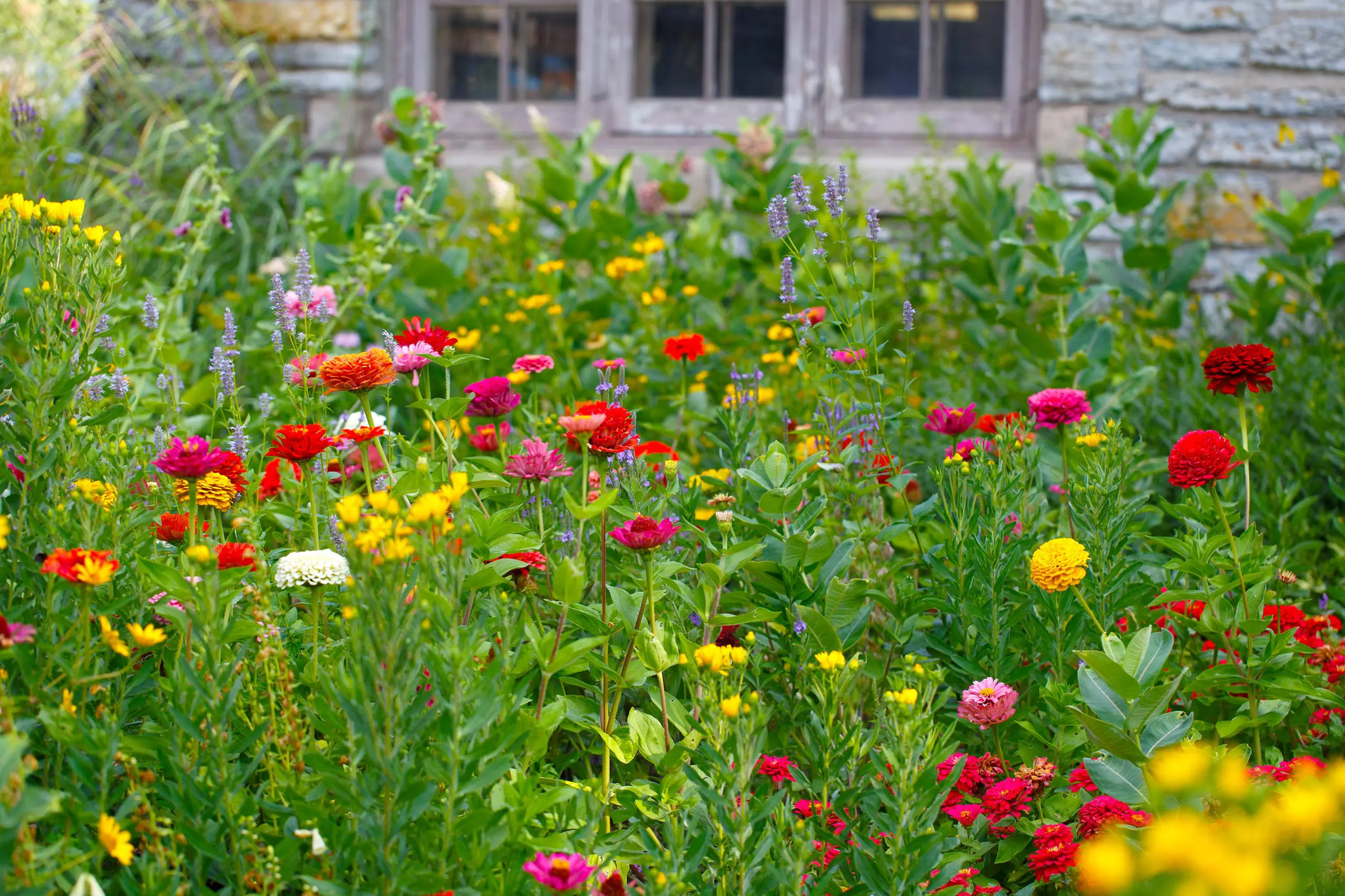
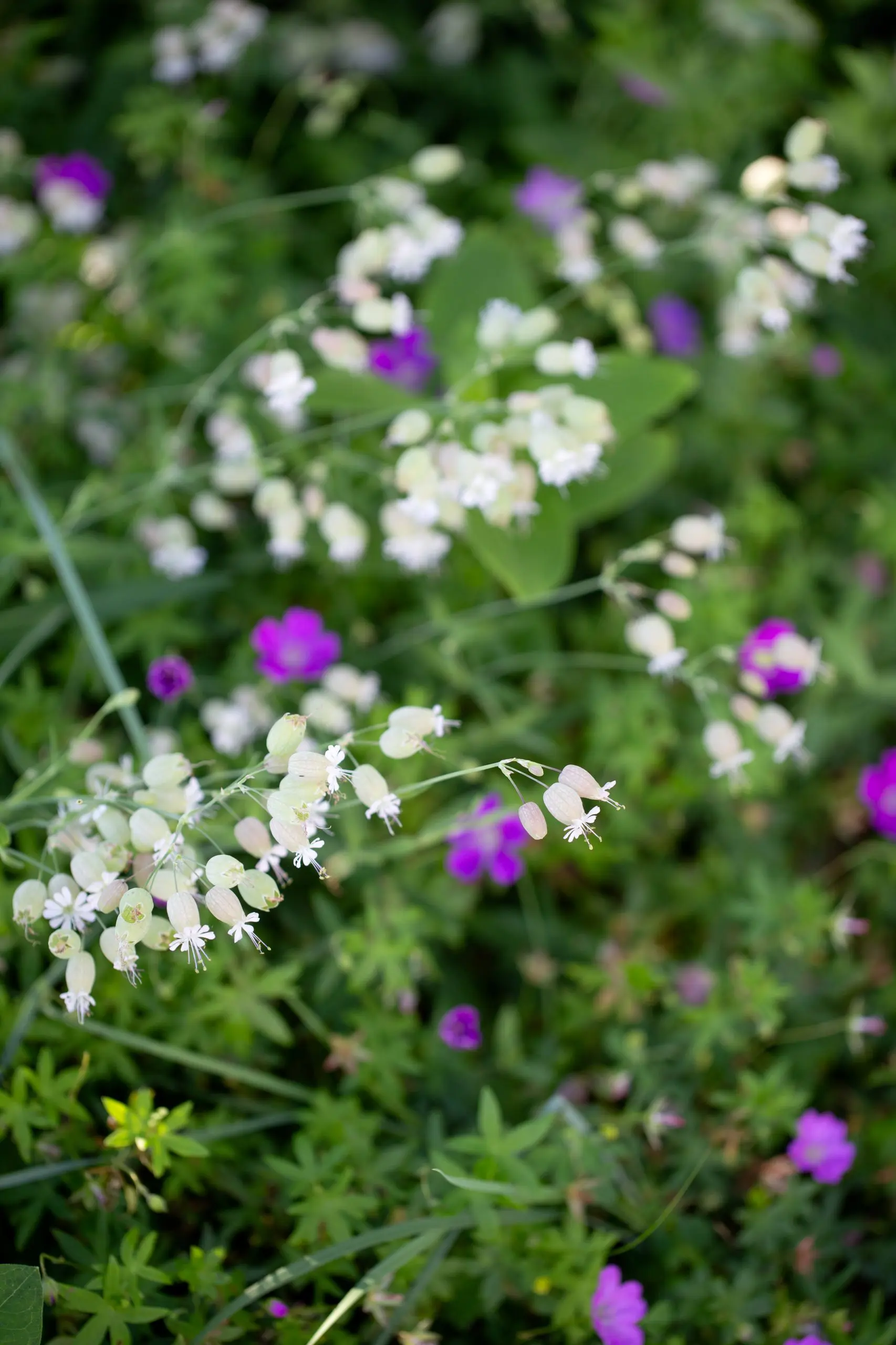
The Enchanted Garden, opposite the Conservatory’s historic entrance, is also undergoing a shift. “In the past there has been a heavy reliance on traditional annual bedding plants, which require heavy amounts of weekly watering,” says assistant gardener Jake Frechette. “Now we are highlighting the power of perennials and self-sown annuals, and we also leave this garden standing over the winter, as the spent stems and leaves provide cover and the seedheads provide food over winter for the critters.”
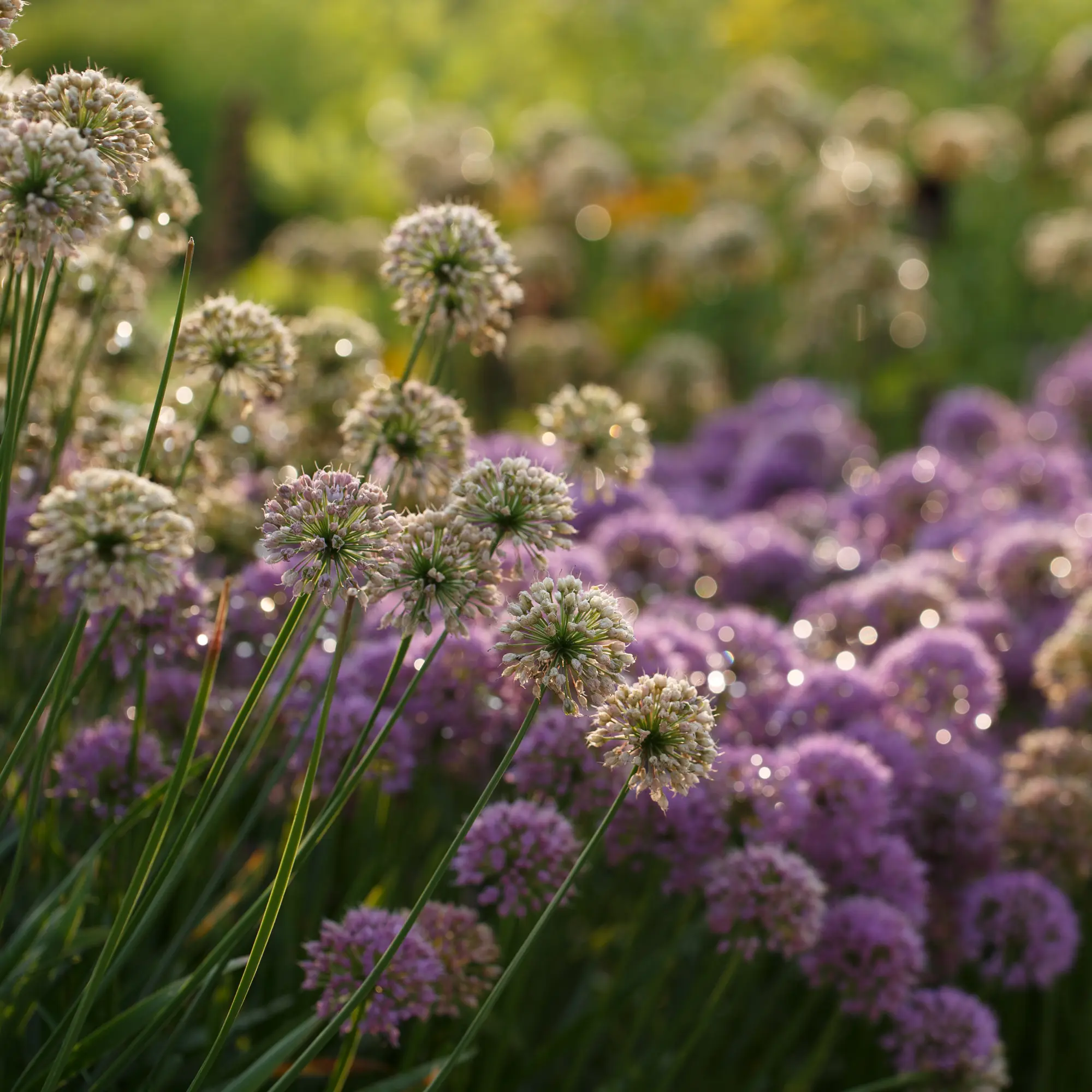
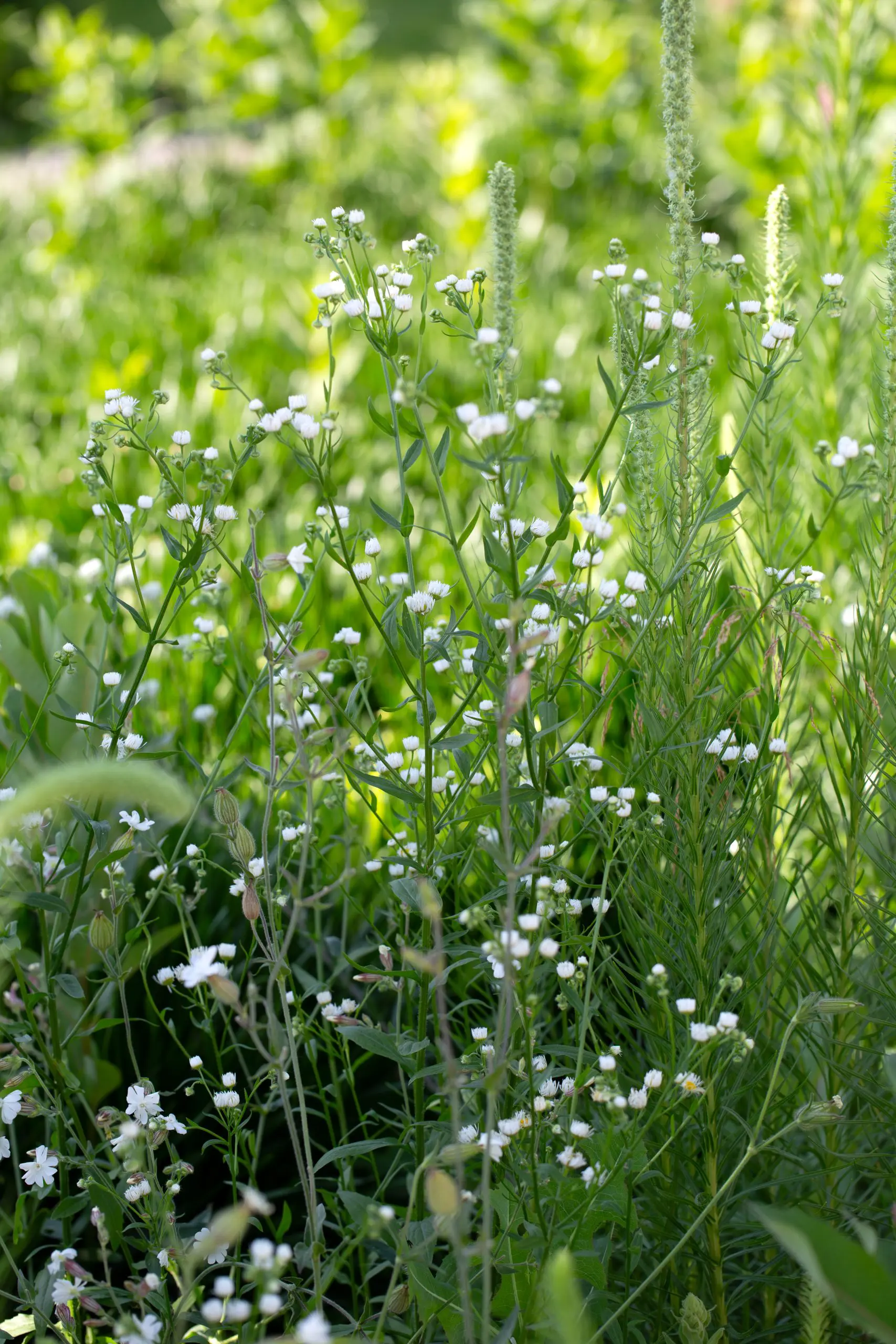
Frechette has also been reimagining the steep slope around Como’s Frog Pond as an ornamental meadow, adding clover, wildflowers, and spring bulbs to a hard-to-mow section of traditional turf, while creating more inviting viewing spaces where visitors can spread a blanket. “It’s a great example of how you can turn your turf into a multispecies collection or garden,” says Fleming. “A lot of people are interested in moving away from grass in their lawns toward plants that can harbor more birds and insects, but it can be hard to envision. This is a great way of showing visitors what grass looks like when you don’t cut it and start incorporating other species.”
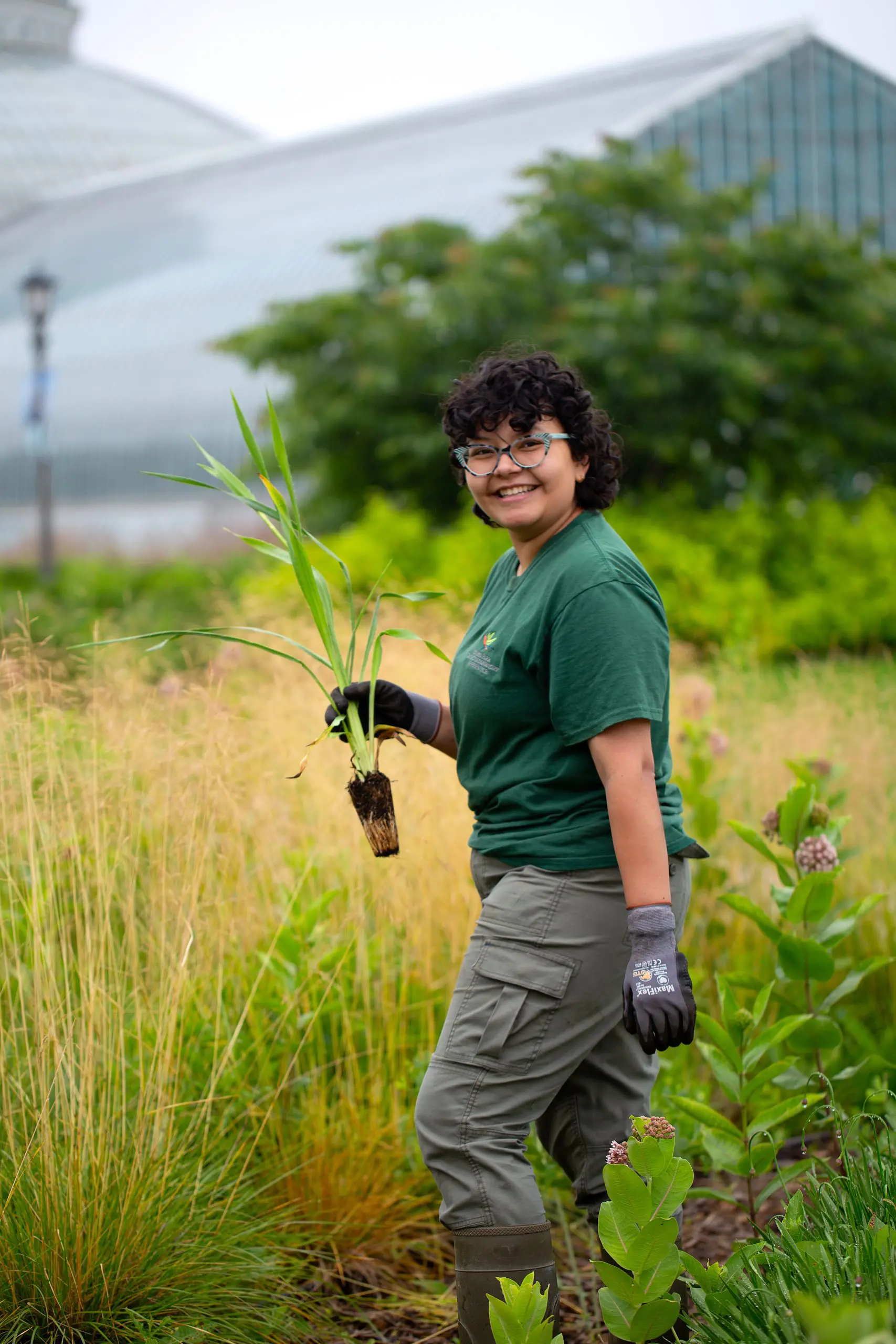
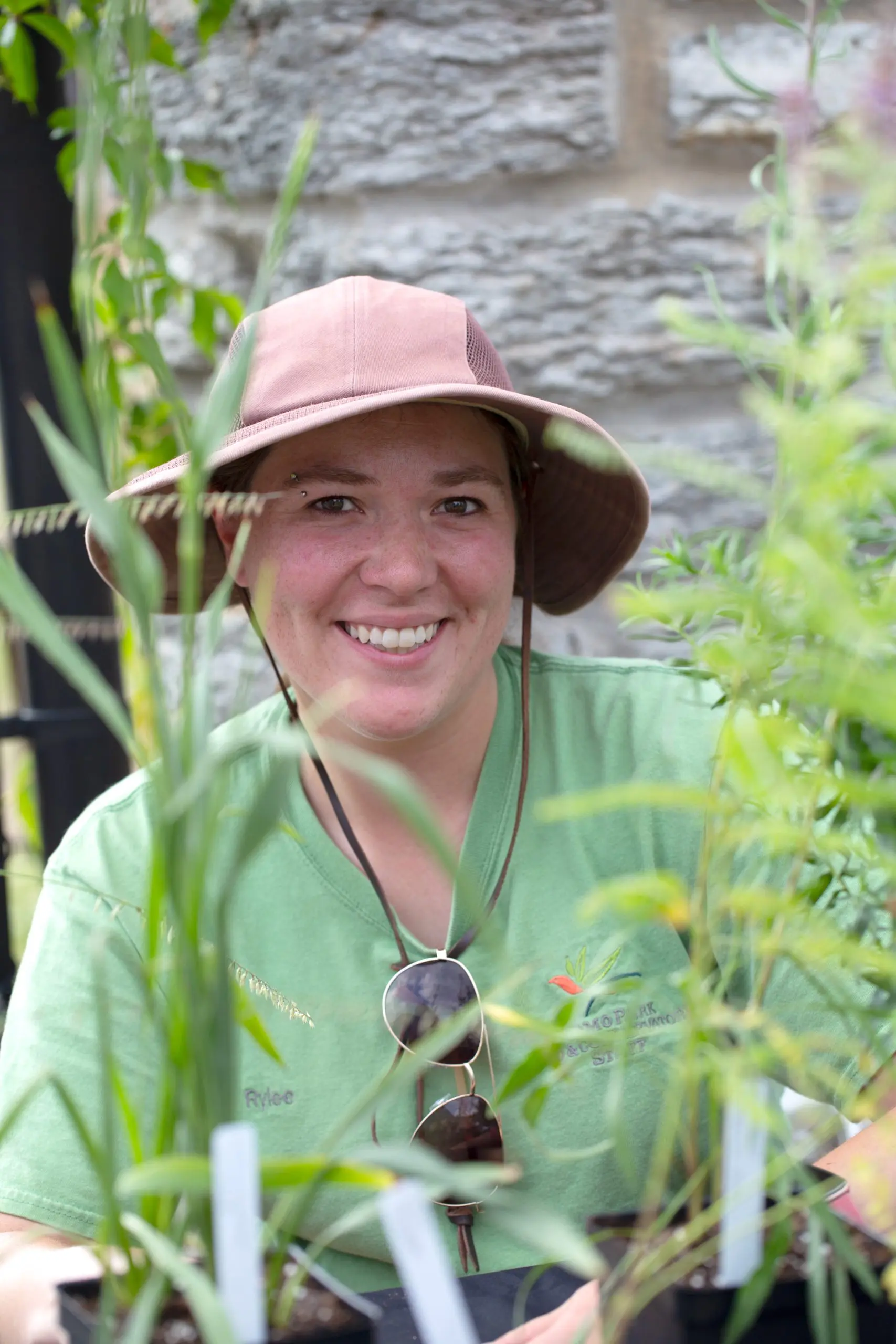
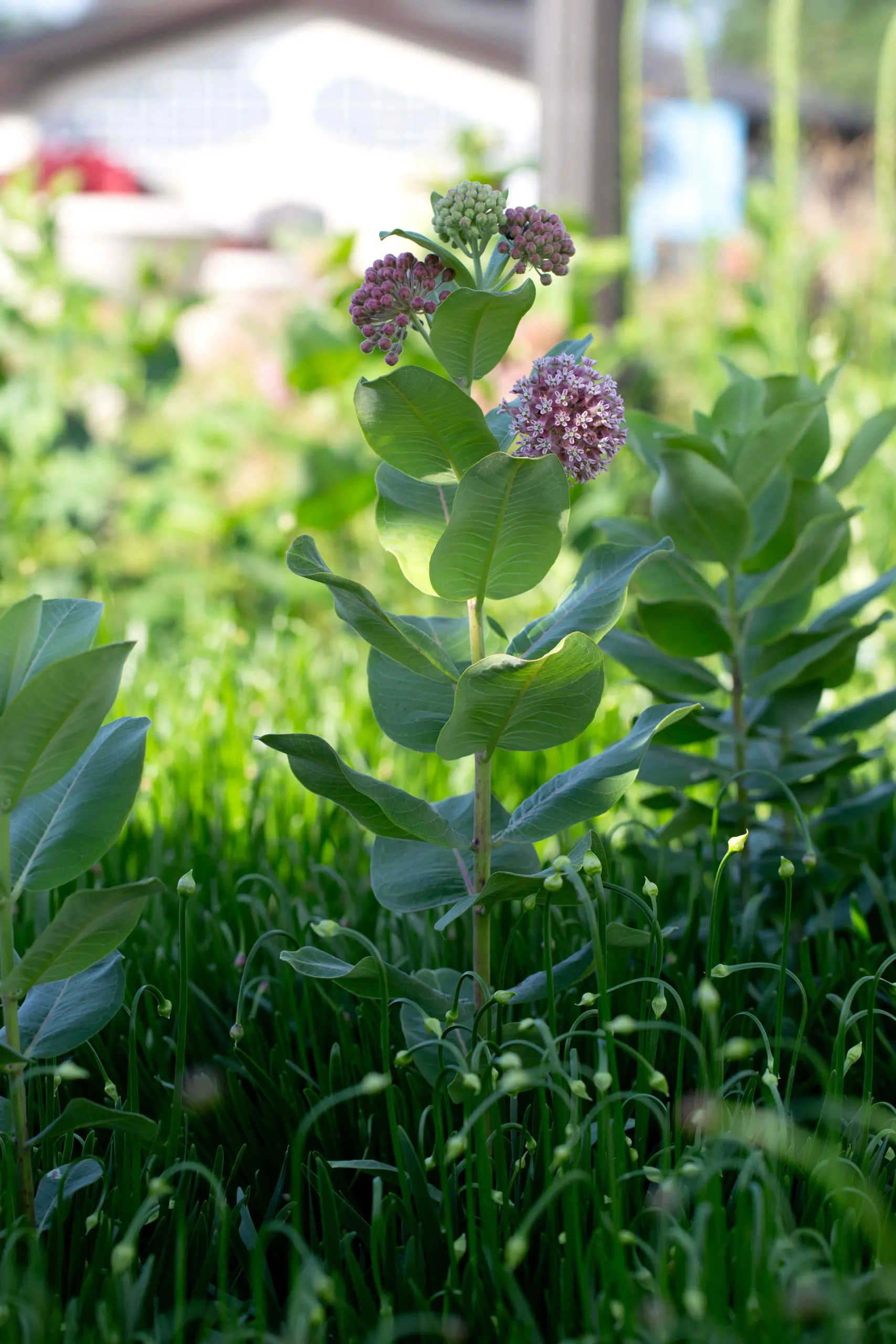
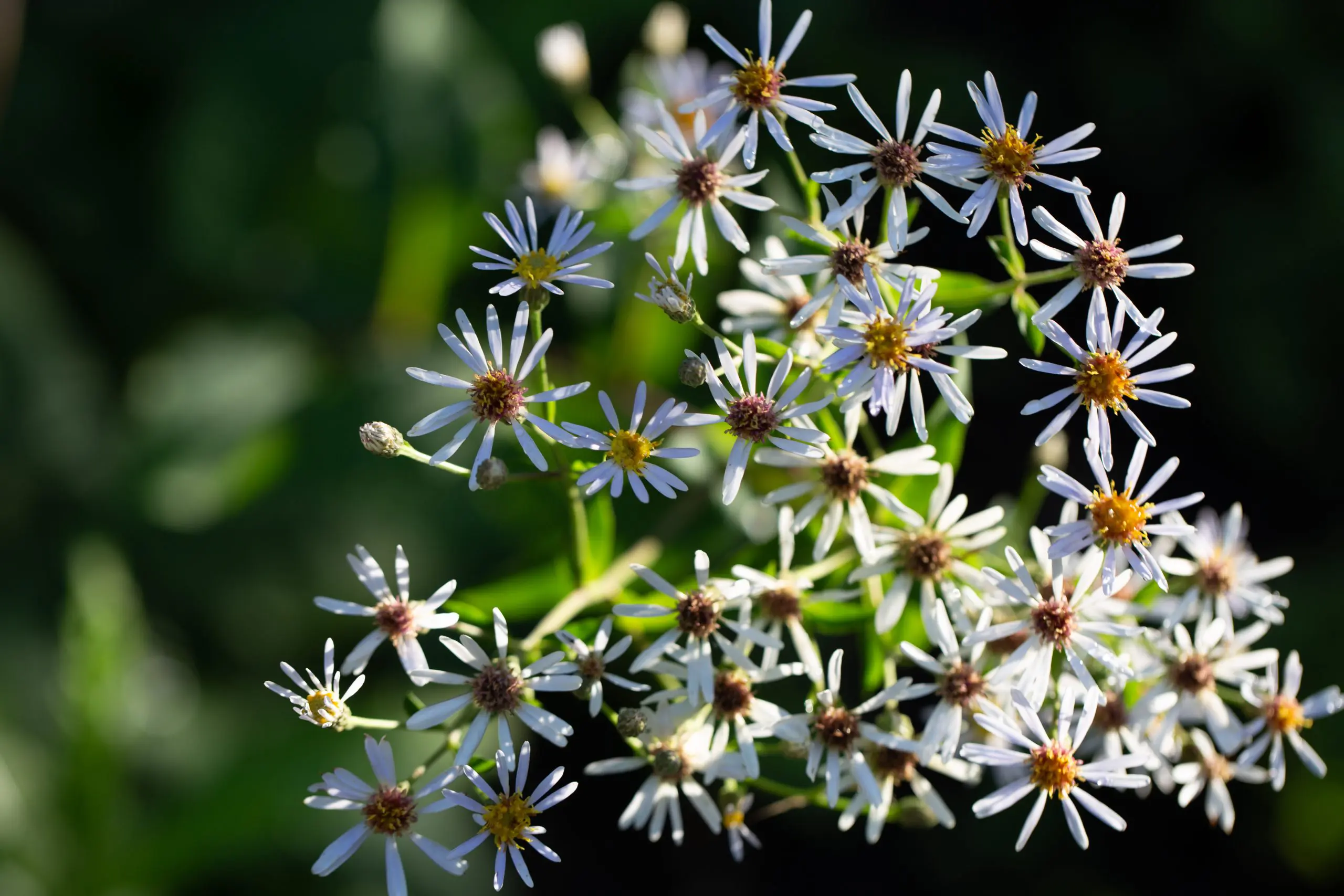
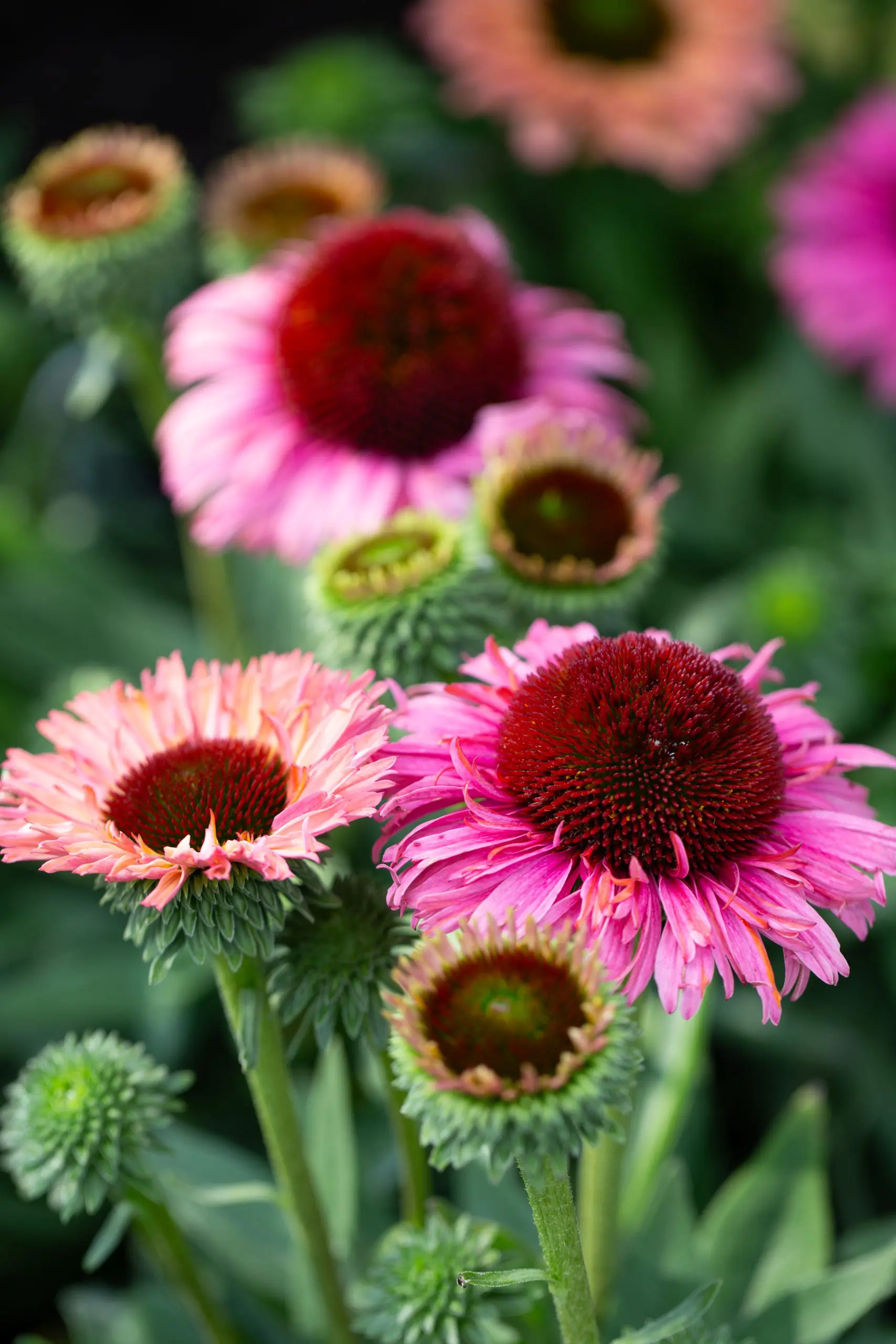
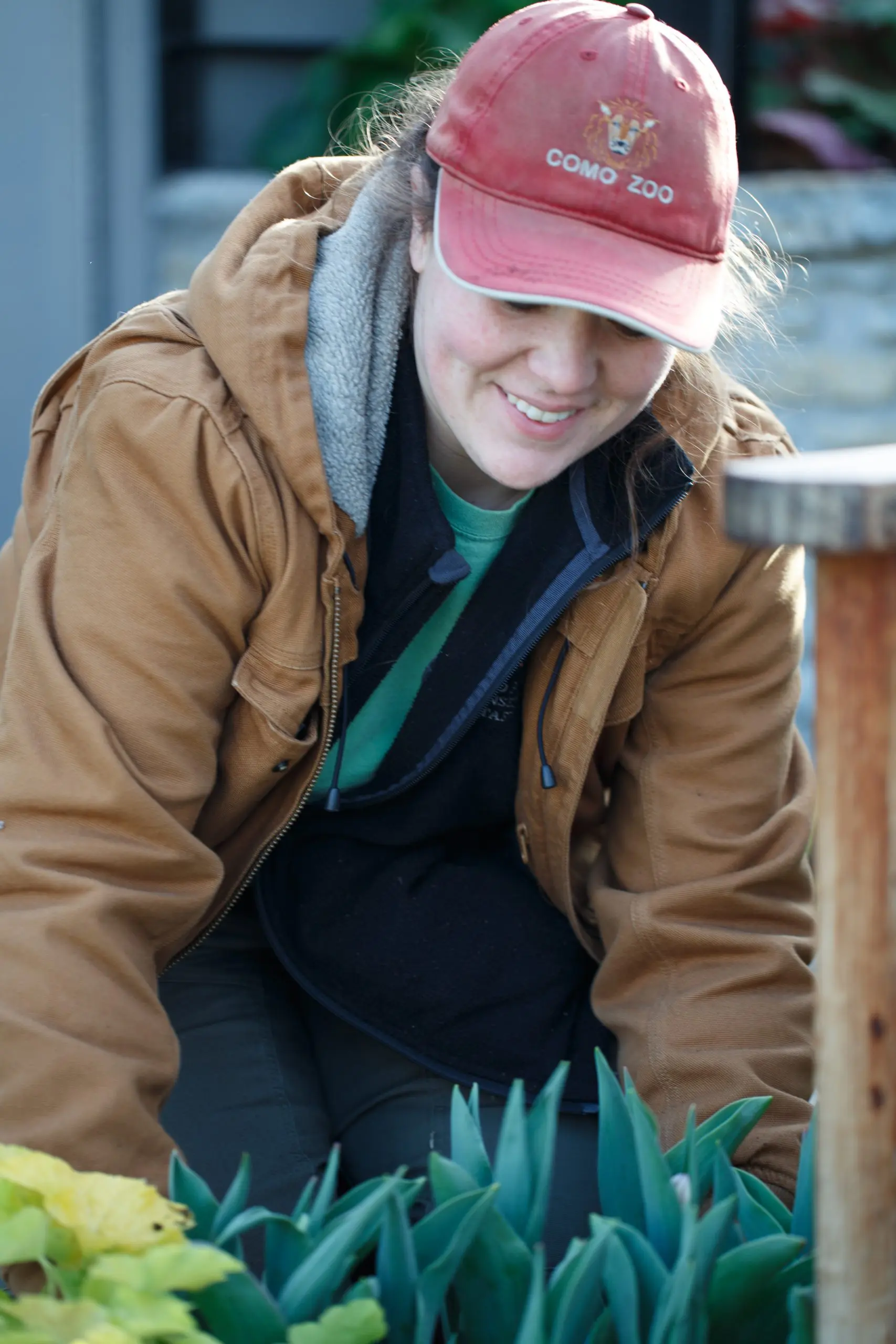
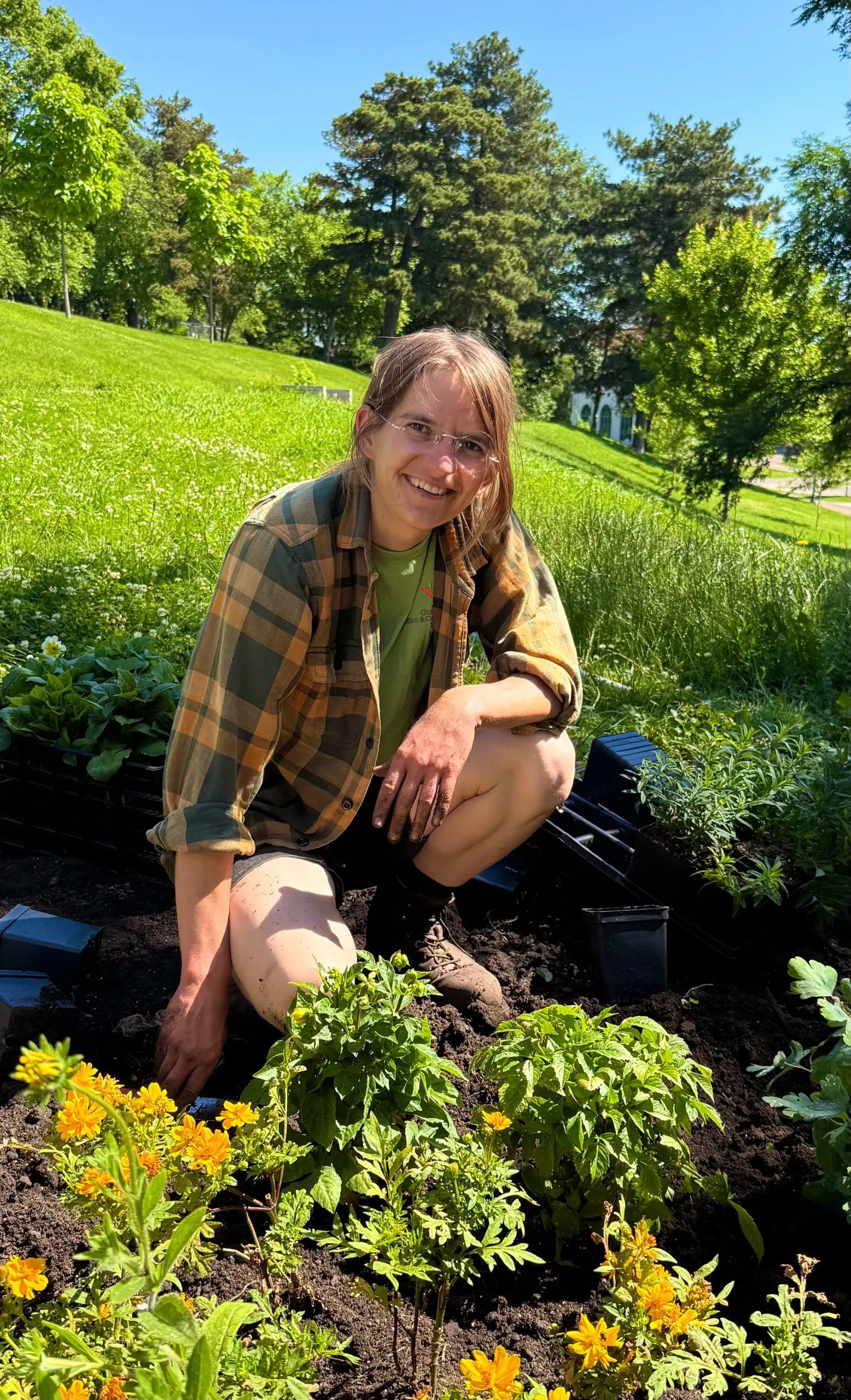
All around Como Park Zoo & Conservatory, visitors may also notice new plantings of parsley, cilantro, dill, and fennel—ideal host plants for supporting black swallowtail caterpillars. “We are treating it as a little experiment, to see which herbs the local butterfly population prefers,” says horticulturist Rylee Werden. “While it’s more commonly known that adult butterflies need flowers for nectar to eat, those same insects need host plant foliage to eat, so planting extra herbs this year is a great way to support butterfly habitat throughout the season, and through their whole life cycle. It might help make gardeners less upset when a caterpillar is chomping their garden to know it will turn into a beautiful butterfly.”
Please Join Us for Party for the Planet | Saturday and Sunday, April 25 and 26
The journey that monarchs, songbirds, and other global pollinators make back to Minnesota every spring is the inspiration for this year’s Party for the Planet, a two-day Earth Day festival powered by Xcel Energy. This free conservation weekend has something for the whole family, with fun hands-on activities for kids, and great tips about sustainable gardening and lawn care for the grownups.
Special Conservation Weekend Powered by Xcel Energy