

Como’s historic Gates Ajar has a new theme grown right from the headlines
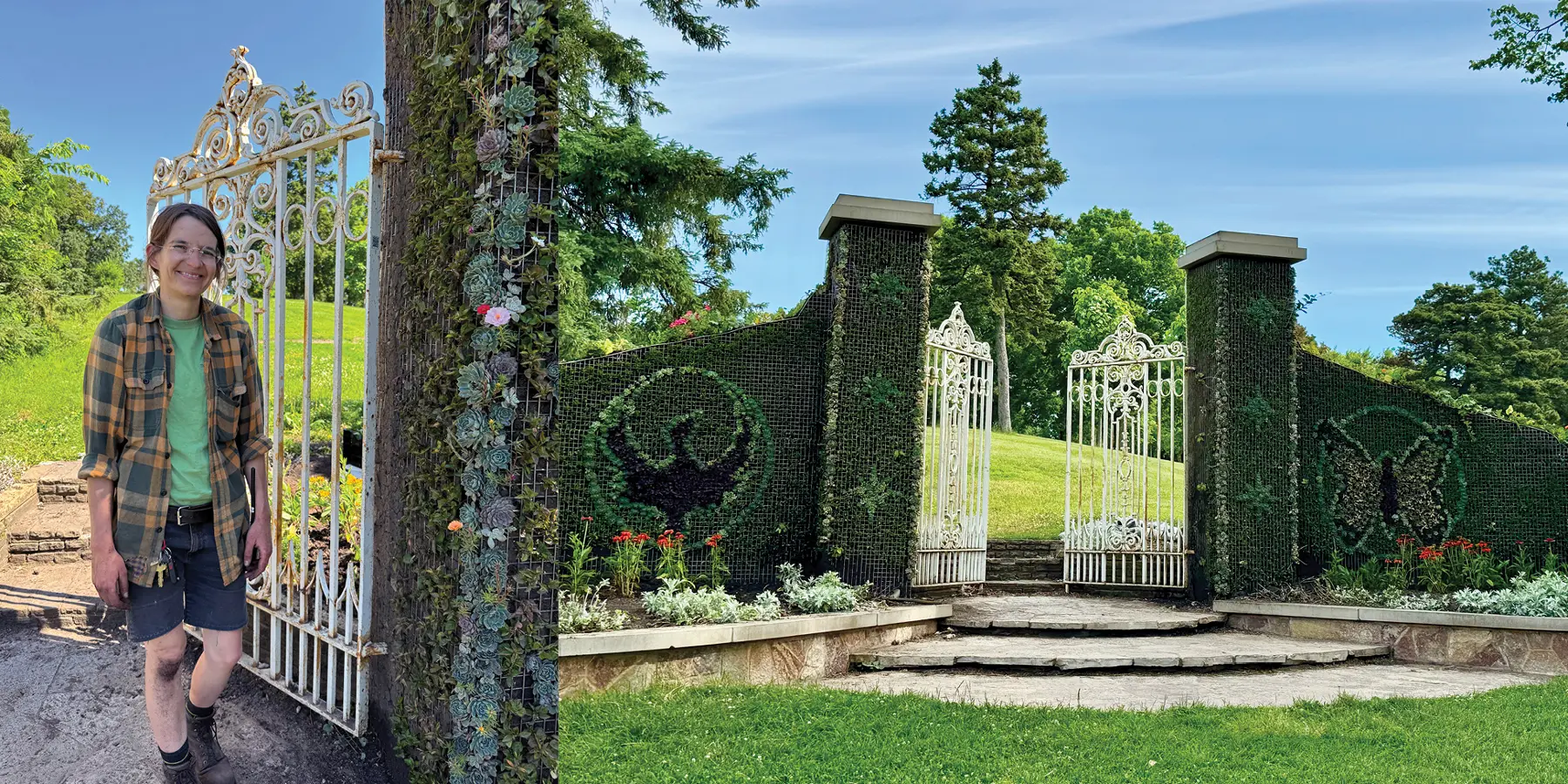
With more than 4,000 plants needed to create Como’s historic Gates Ajar mosaiculture every year, assistant gardener Marie Day usually has a strong idea about her design plans several months before the up-right garden feature makes its seasonal debut.
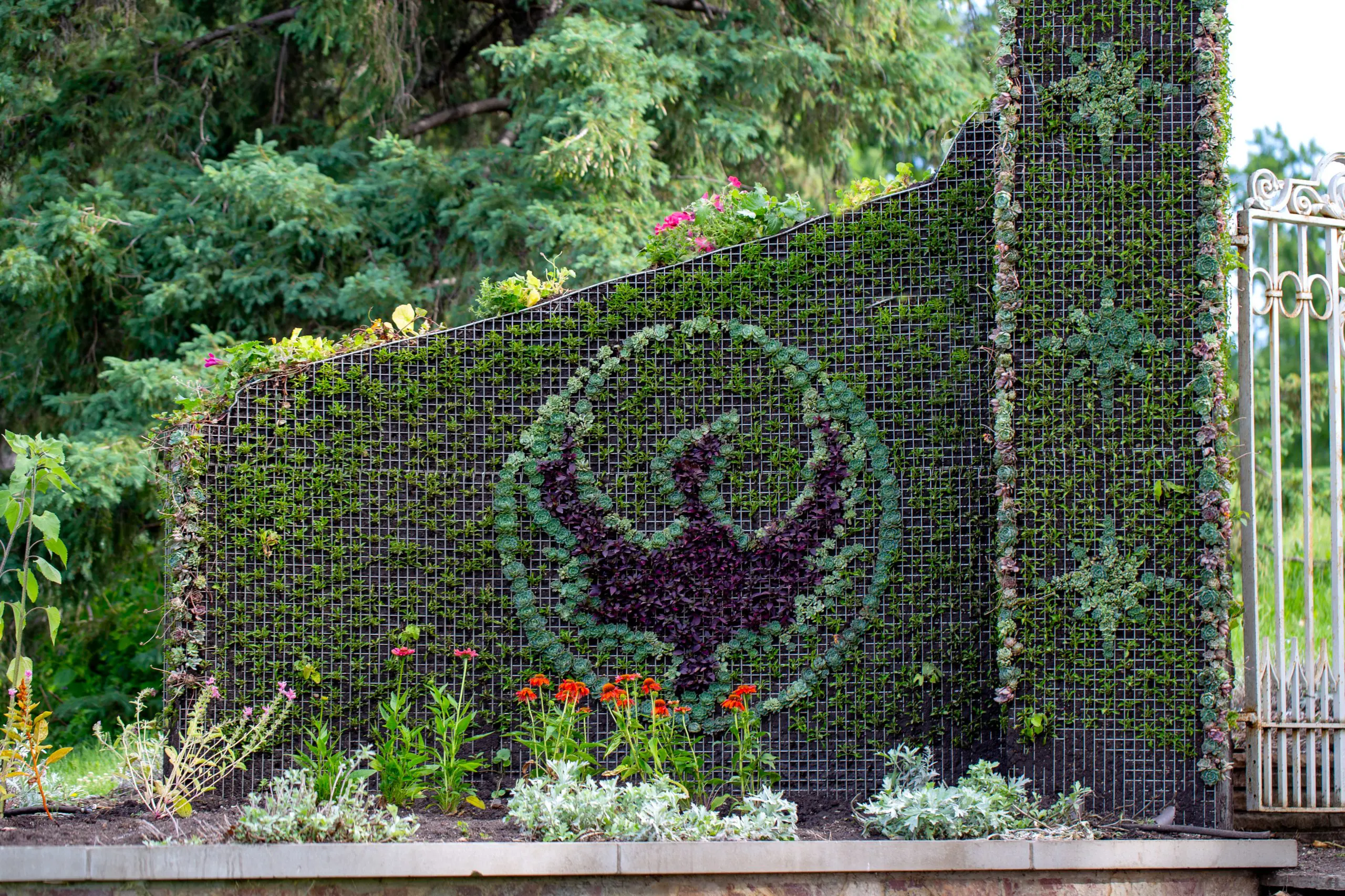
“What’s funny is that this is the first year I hadn’t selected a theme by fall,” she says. “I just couldn’t come up with anything.” Six months later, the answer was obvious: the “Rebel Loon,” the viral symbol of Minnesota’s community, character, and resilience that’s now seen on t-shirts, beer cans, and tattoos across the state. The image is so 2026, she says, “that even before I’d finished installing the outline of the loon, people were coming up to me, and were really excited about it. They understood exactly what it was.”
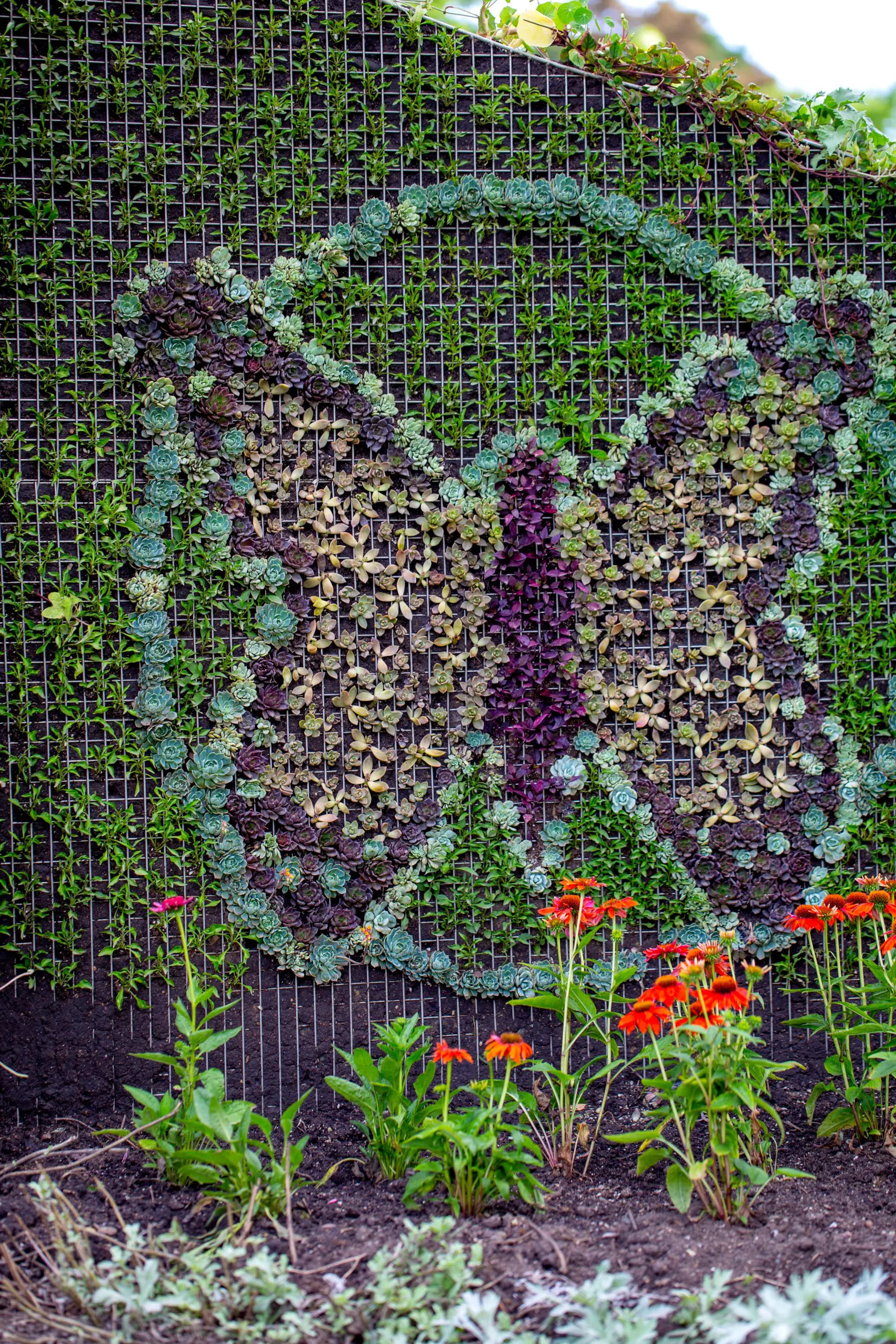
A design motif originally created and shared by Moorhead’s Bernardo Anderson in January, the Rebel Loon is now fully installed on the left side of the Gates Ajar structure, located just east of Lexington Parkway. On the opposite side is a monarch butterfly, the powerful pollinator that makes one of the earth’s most epic migrations. Together, these two Minnesota icons have become instantly Instagrammable, inspiring many visitors who are discovering Gates Ajar for the first time.
“This is the first year where I’ve been hearing from people who are visiting the park just to see Gates Ajar,” says Day, who often spends a half hour or more every day just watering the structure. “The other day, I met a woman who had brought a friend visiting from the East Coast specifically to see it.”
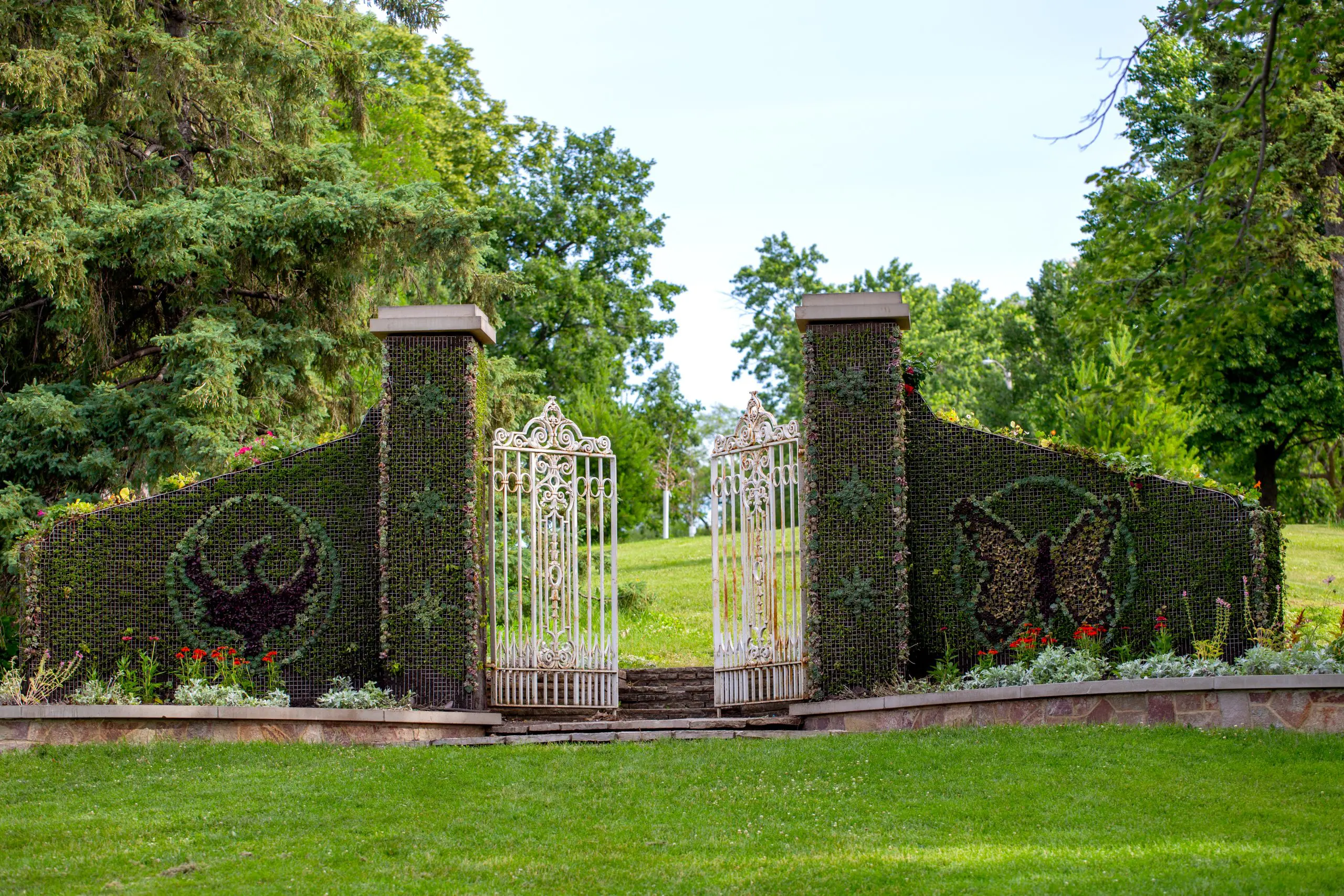

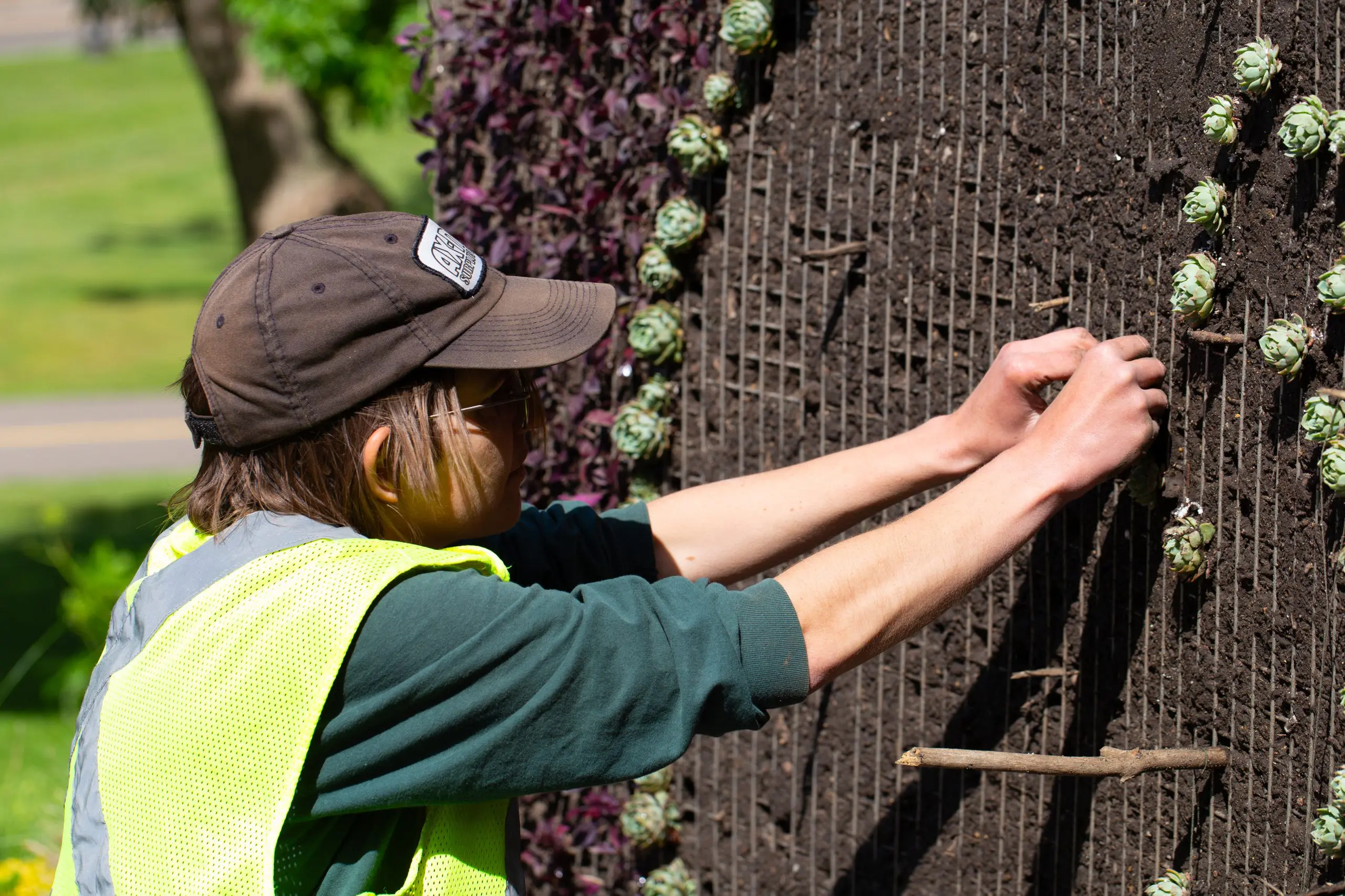


No matter what the seasonal theme, Gates Ajar is a unique piece of Como history, and one of the oldest mosaiculture displays in the country. The installation was the brainchild of the St. Paul parks’ very first superintendent, Frederick Nussbaumer, a German landscape designer who honed his craft at London’s Royal Botanic Gardens at Kew before emigrating to the United States. At the turn of the 20th century, building topiary-like sculptures from plant material was the height of European flower fashion. But the flower display also has a distinctly Minnesota flavor, taking its name from “The Golden Legend,” an 1851 poem by Henry Wadsworth Longfellow, whose epic poem “Song of Hiawatha” was wildly popular with the Twin Cities’ early parks designers.
Day says Gates Ajar typically reaches its peak in early August, when foundational plants like echeveria, hens and chicks, and Graptosedum, and trailing plants such as petunia and ivy are fully grown and beautifully integrated. “The public response to this one has been incredible,” Day says, adding how much it means to carry on a Como tradition that’s lasted more than 100 years. “It’s public art and it is for everybody, so it’s exciting to see how much it still resonates with people.”