
Understanding the art and aesthetic behind Como’s elegant potted trees
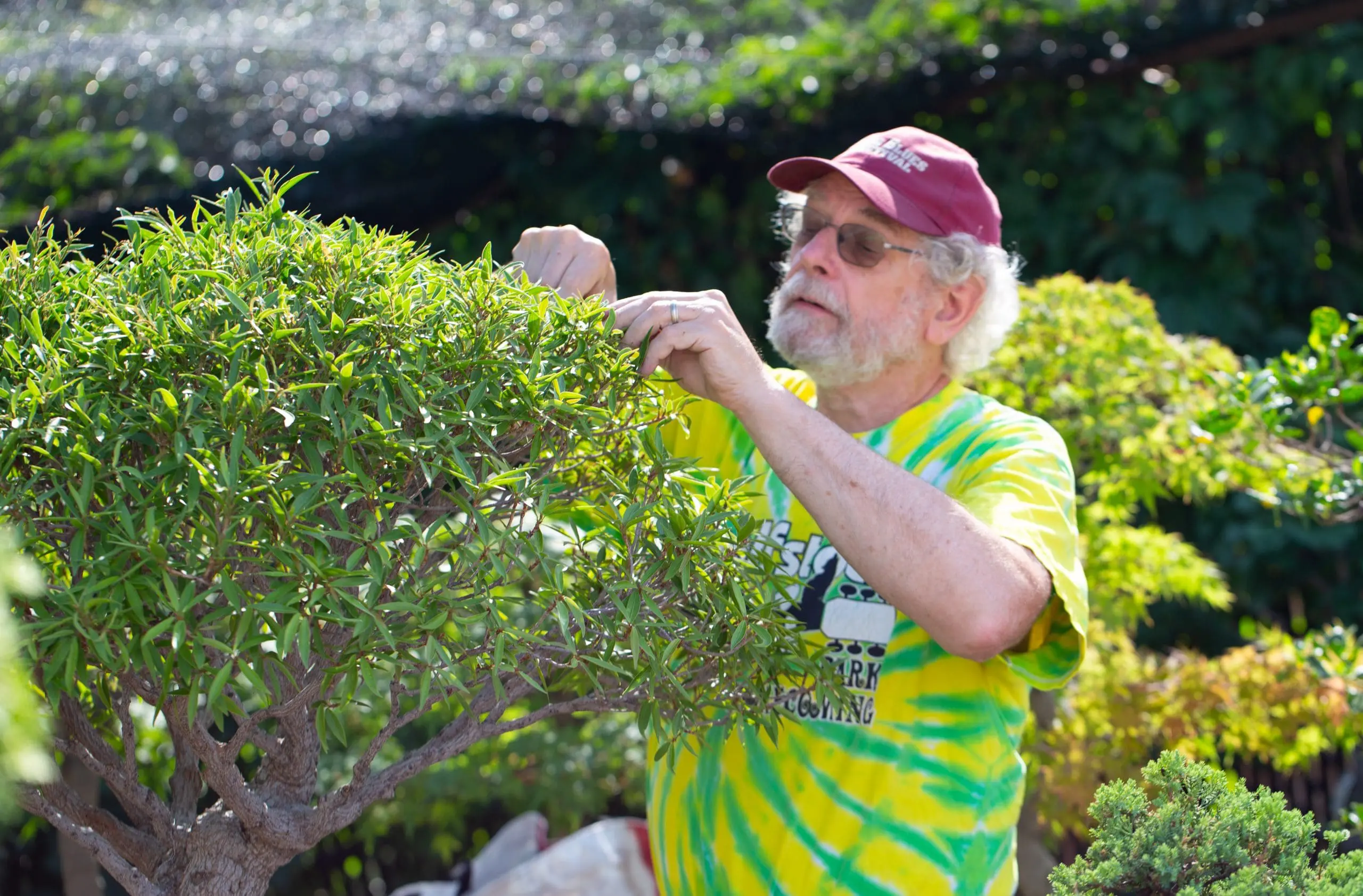
A family tradition for generations, the Marjorie McNeely Conservatory’s Mother’s Day Bonsai Show runs May 9 and 10 from 10 a.m. to 6 p.m. Free to the public, the two-day show also features prized plants from members of the Minnesota Bonsai Society
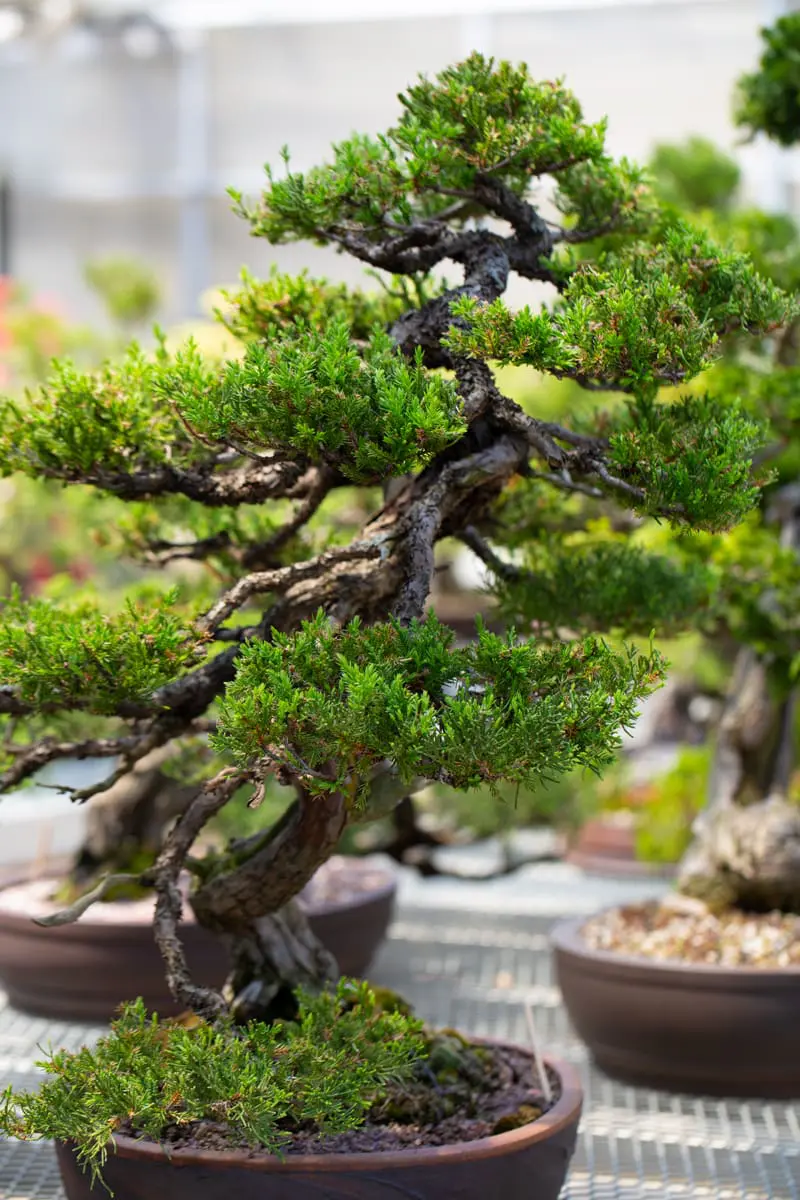
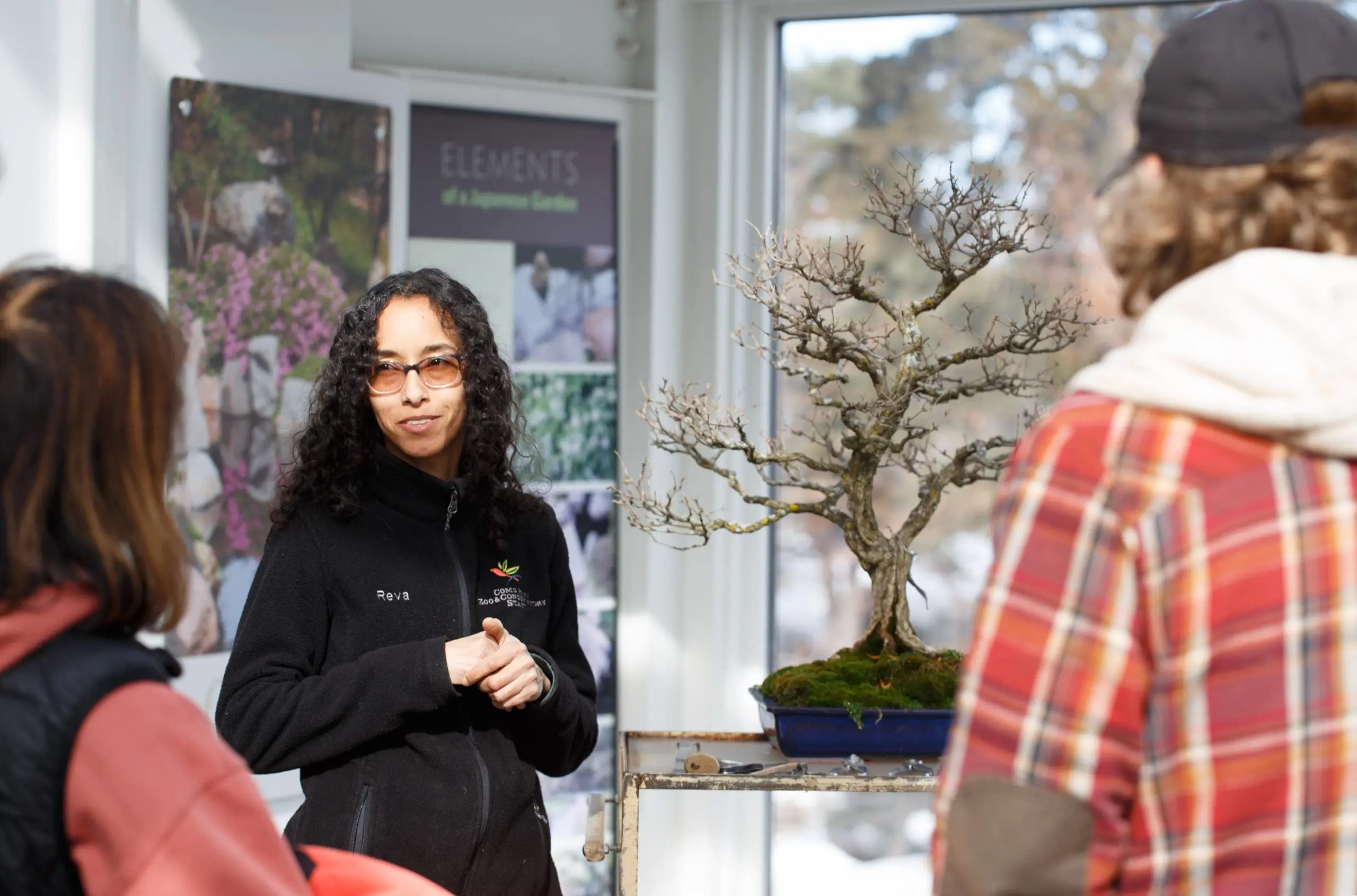
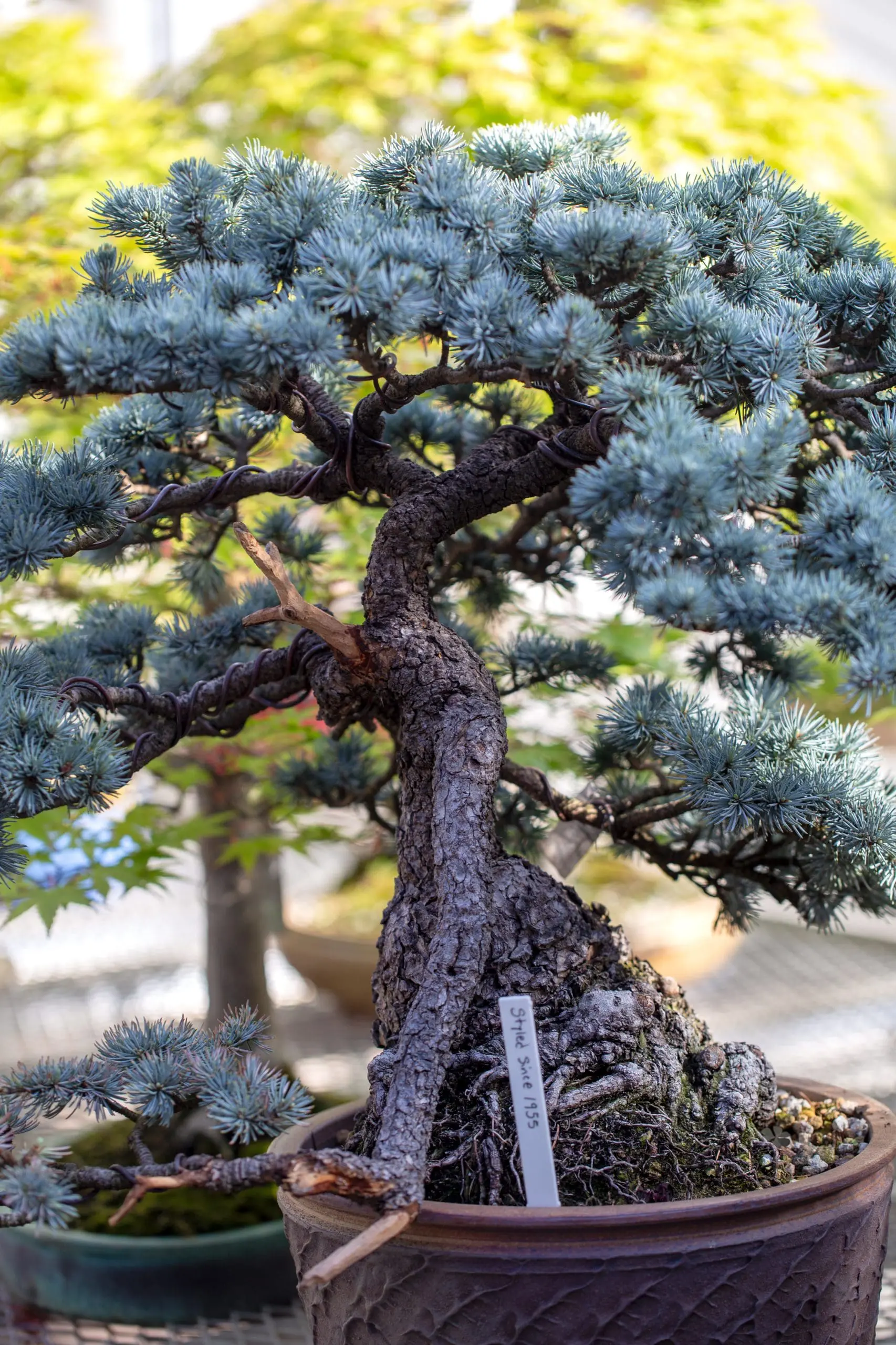
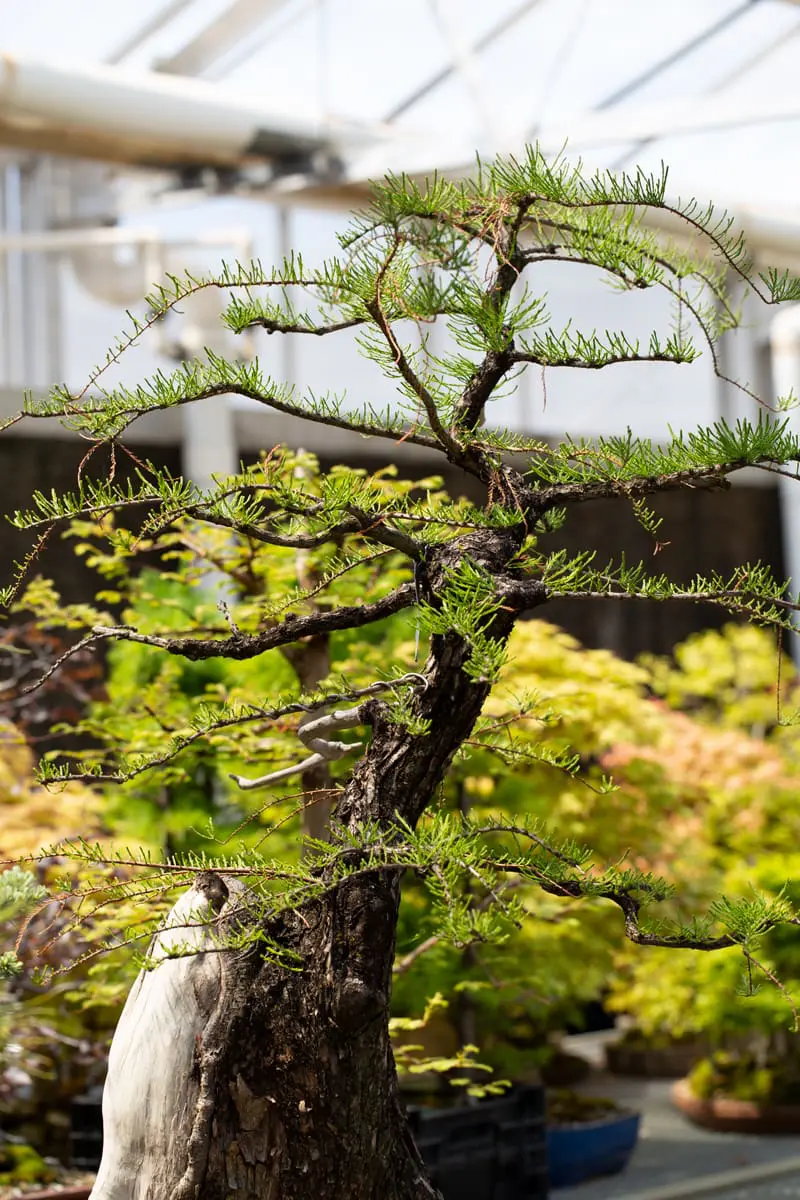
With more than 100 potted trees—including one specimen that’s more than 450 years old—the Marjorie McNeely Conservatory’s bonsai collection is one of the best in the Midwest with a diverse range of species and styles. But one factor that really sets it apart from other collections may be Minnesota’s harsh winters. “I think our collection may be grown in the coldest climate of any botanical garden collection in the country,” says Reva Kos, the horticulturist who’s shaped the collection for two decades. “In California, you’ll see bonsai everywhere, but here it’s more challenging.”
But by spring, when the risk of frost subsides, Kos starts selecting the best trees in the collection for their big moment in the Mother’s Day Bonsai Show, slated for May 9 and 10. A long-standing Como tradition produced in partnership with members of the Minnesota Bonsai Society, the two-day exhibit features some of Como’s best specimens in the Ordway Gardens’ indoor display and outdoor vitrines, as well as favorites from private collections. As the state’s bonsai aficionados are putting the finishing touches on their most treasured trees, Como Friends asked Kos to share her tips and tricks for bonsai beginners.
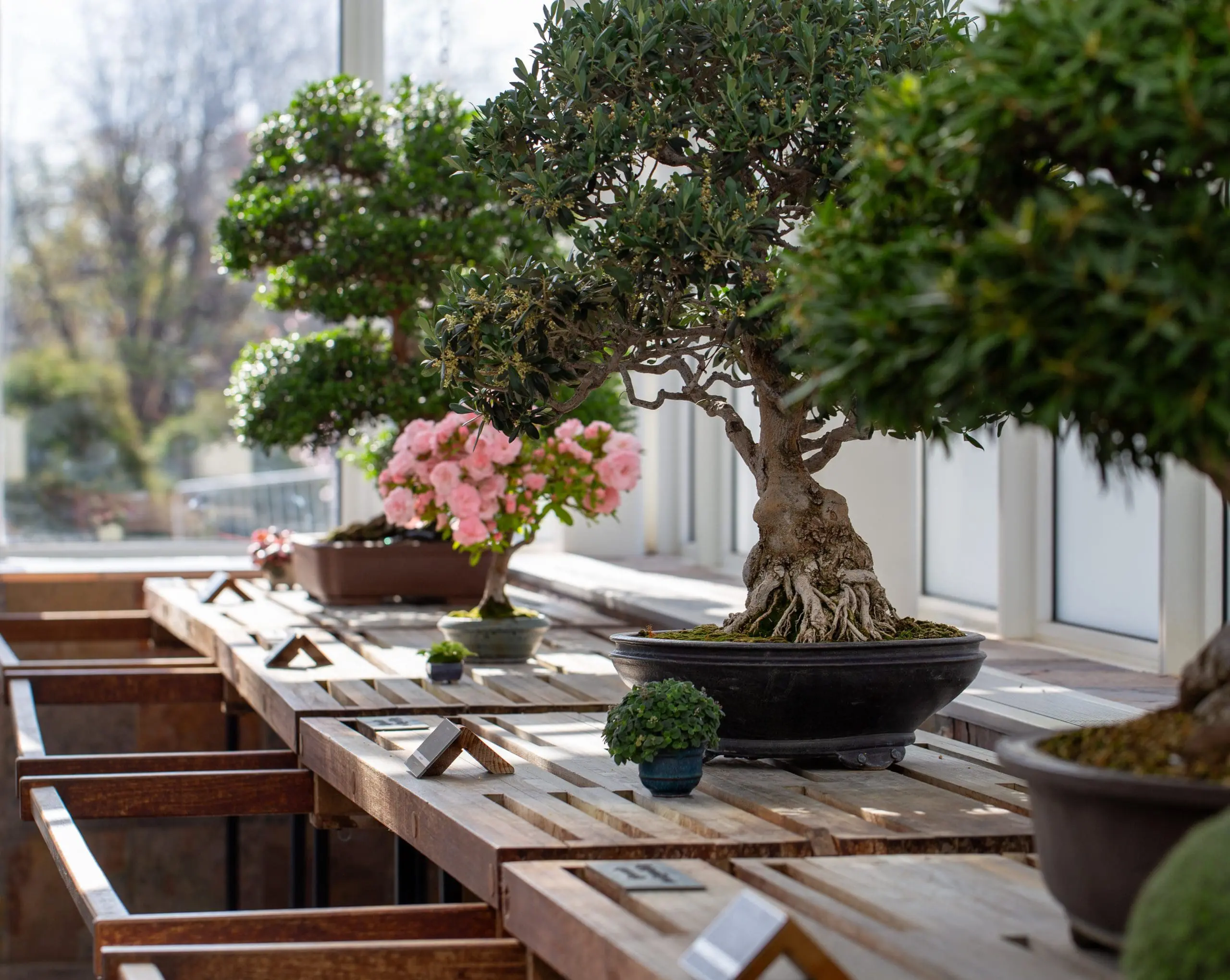
Asian Roots: Bonsai has roots that go back to China in 700 AD where crafting elegant potted trees or pun-sai was only for the elite. By the 1200s, bonsai had become a mainstay of Japanese horticulture, spreading through Europe and the West by the late 19th century. As a result, every culture has a favored style, from the densely “helmeted” trees you might see in a European collection, to the airier American style influenced by California bonsai master John Yoshio Naka, who believed branches must “leave room for the birds to fly through.” No matter where they come from, Kos says, bonsai are typically planted in a soilless mixture of pumice, lava rock, and akadama, a granular clay-like material mined from the volcanic soil near Japan’s Mount Fuji.
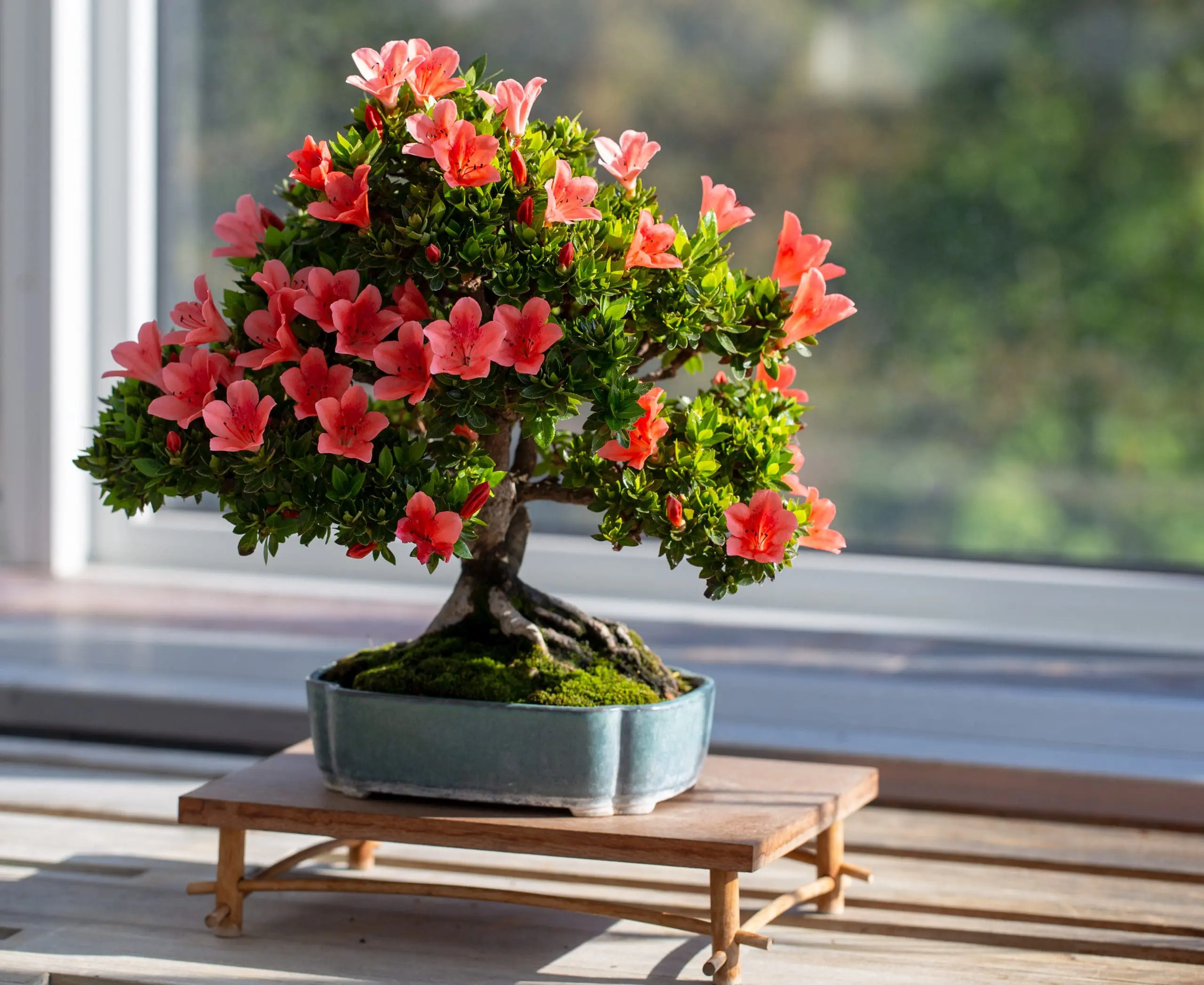
Pick the Right Plant: Almost any woody plant or shrub can be formed into a bonsai, but Kos urges beginners to make sure the plant you’re choosing will thrive in the conditions where it will live. “Bonsai are plants, so they generally do best outside, but there are some species that do very well indoors,” she says. “You want to try to mimic the temperature conditions that woody or herbaceous plants would need to grow outside, so if you’ve chosen a plant that requires a period of cold and dormancy to grow, try to create that at home.” If you’re planning to keep your bonsai indoors, tropical and subtropical plants like ficus and podocarpus are good choices for home growing. Ready for a faster start? This month, the Como Friends Gift Shop is featuring dozens of beginner bonsai for purchase. (Como Friends members enjoy 15 percent off every purchase!)
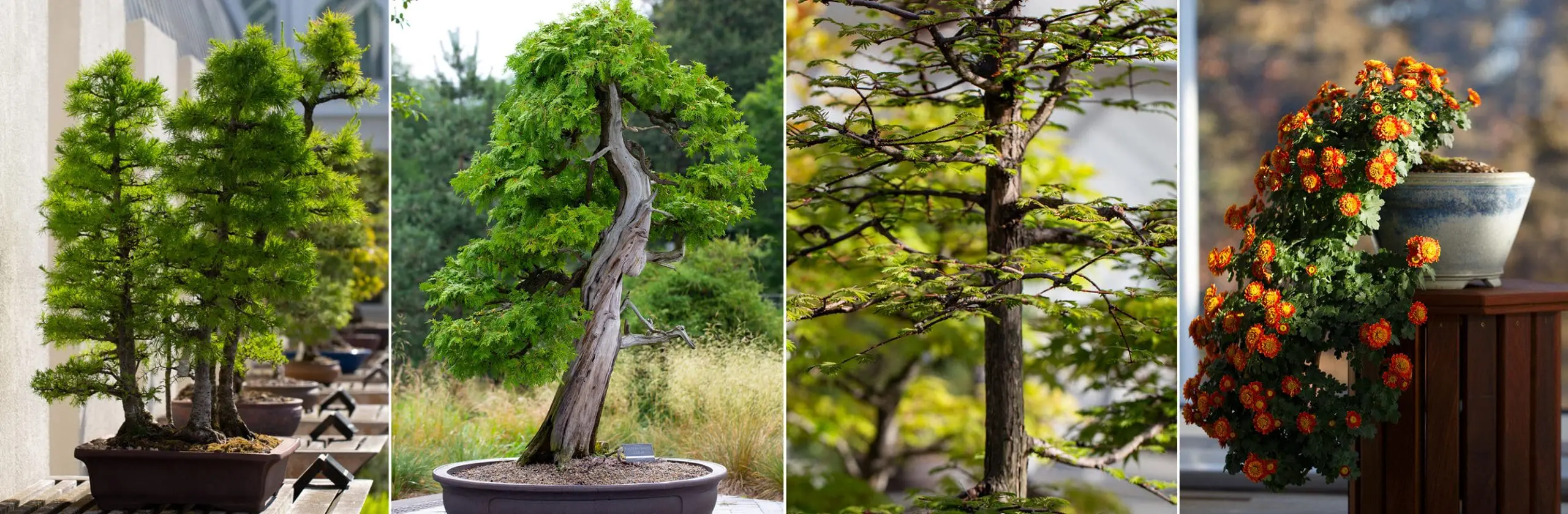
Find Design Inspiration: There are dozens of different bonsai styles, each with their own aesthetic goals. For instance, the forest-style bonsai (Yose-ue) features multiple plants in a staggered formation to create the sense of a deep forest in fine detail. Other styles of bonsai try to recreate the look of a wind-swept tree struggling to survive (Fukinagashi), an upright plant reaching straight for the sun (Chokkan), or the dip and flow of a cascading river (Kengai). Check out Instagram, Pinterest, and other sites for visual inspiration, as well as the many bonsai blogs that provide tips about training these potted trees over time.
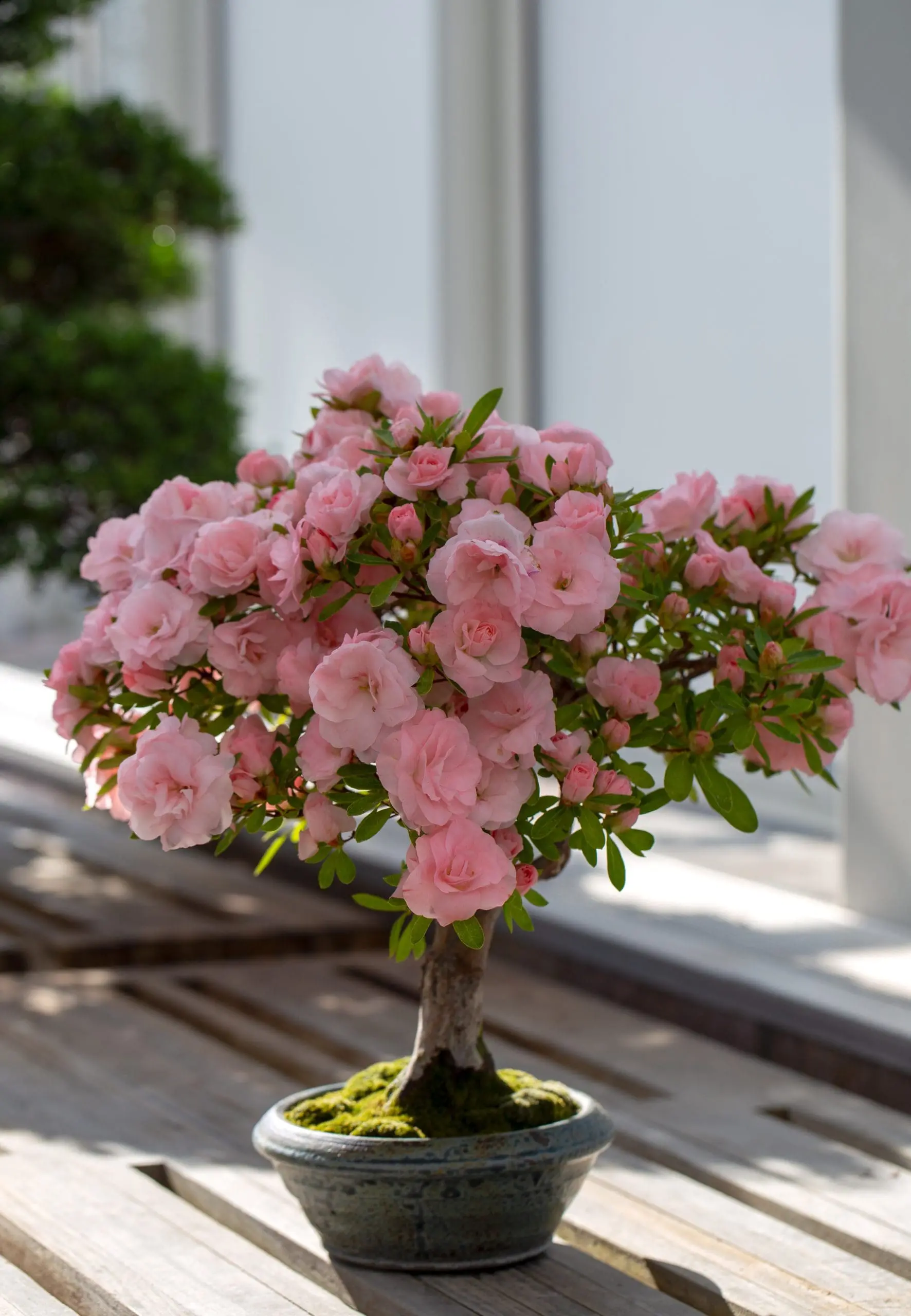
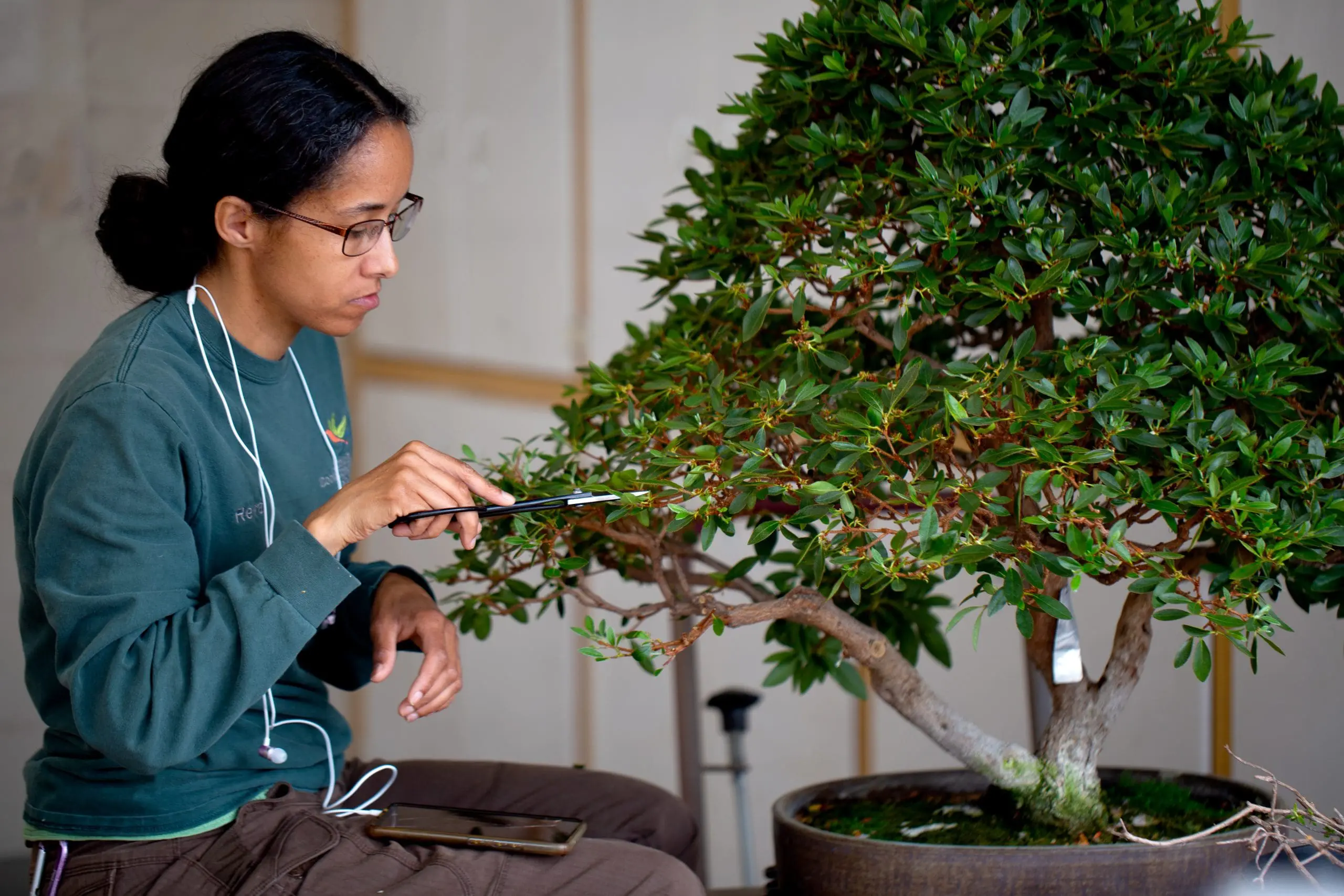
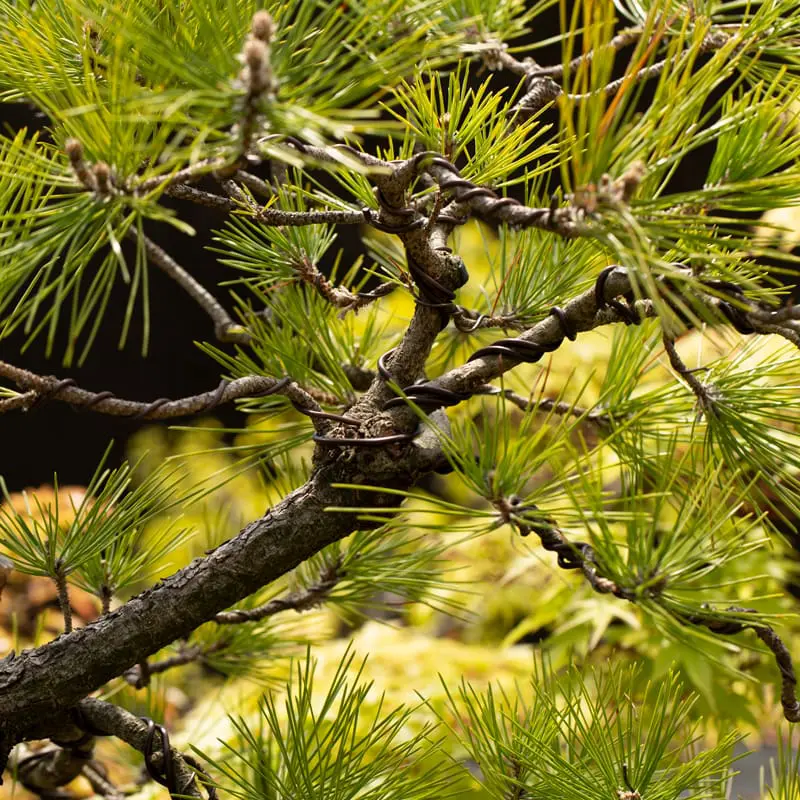
Be Patient, Not Precious: As Como’s resident bonsai guru, Kos has the rare ability to see what a tree will look like in five or ten years, training individual trees for years at a time. While this kind of gardening takes great patience, she cautions against being overly precious with your plants. “Anyone can start a bonsai, but it’s harder to learn if you’re afraid to touch it. I really enjoy pruning, so you just have to have the confidence to trim and prune in the way you want it to grow,” she says. “Take your time, because if you’re in a hurry, you can kill your tree if you try to do everything at once. But don’t be afraid to experiment because that’s how you learn the most. When you make mistakes, that’s how you become better.”
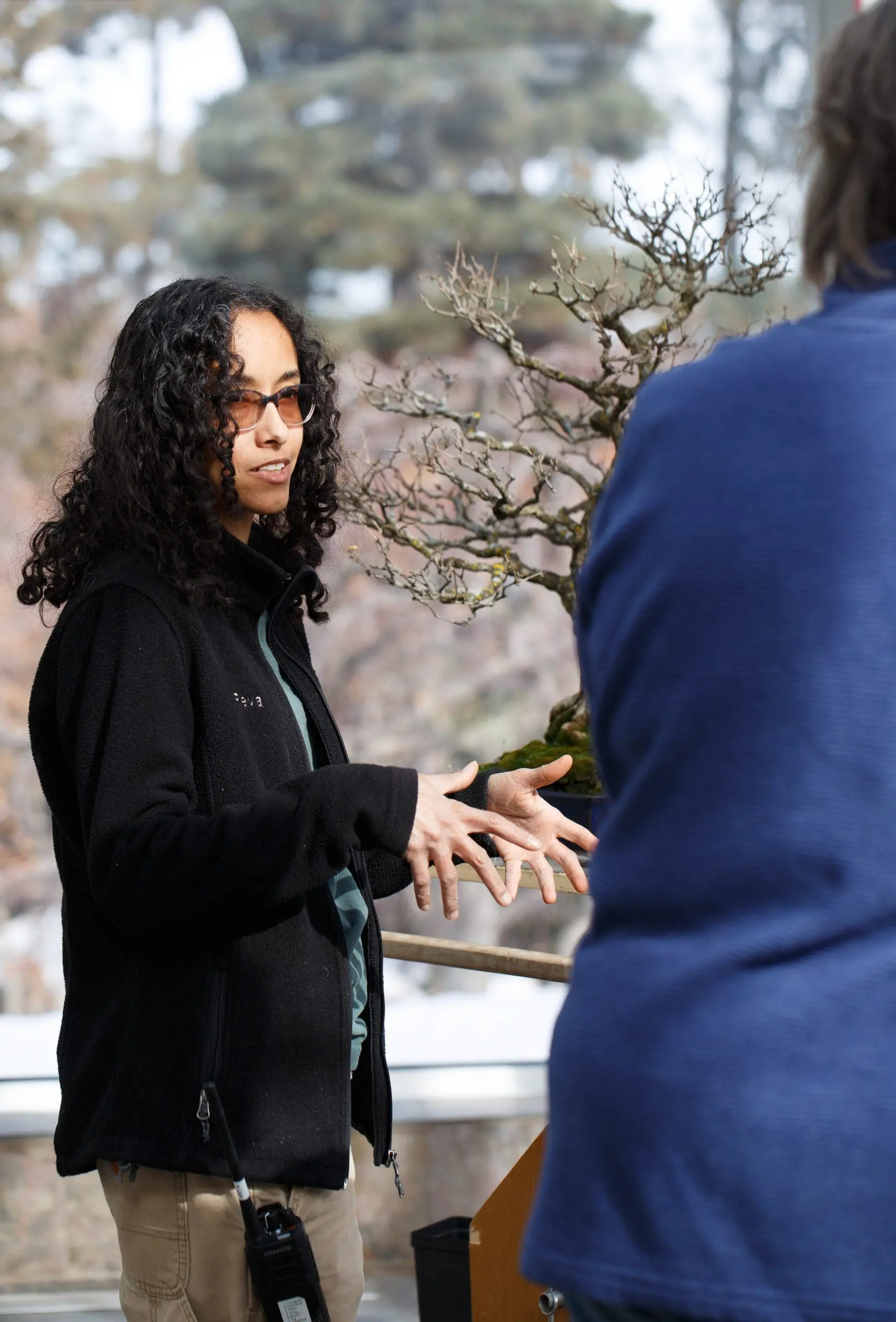
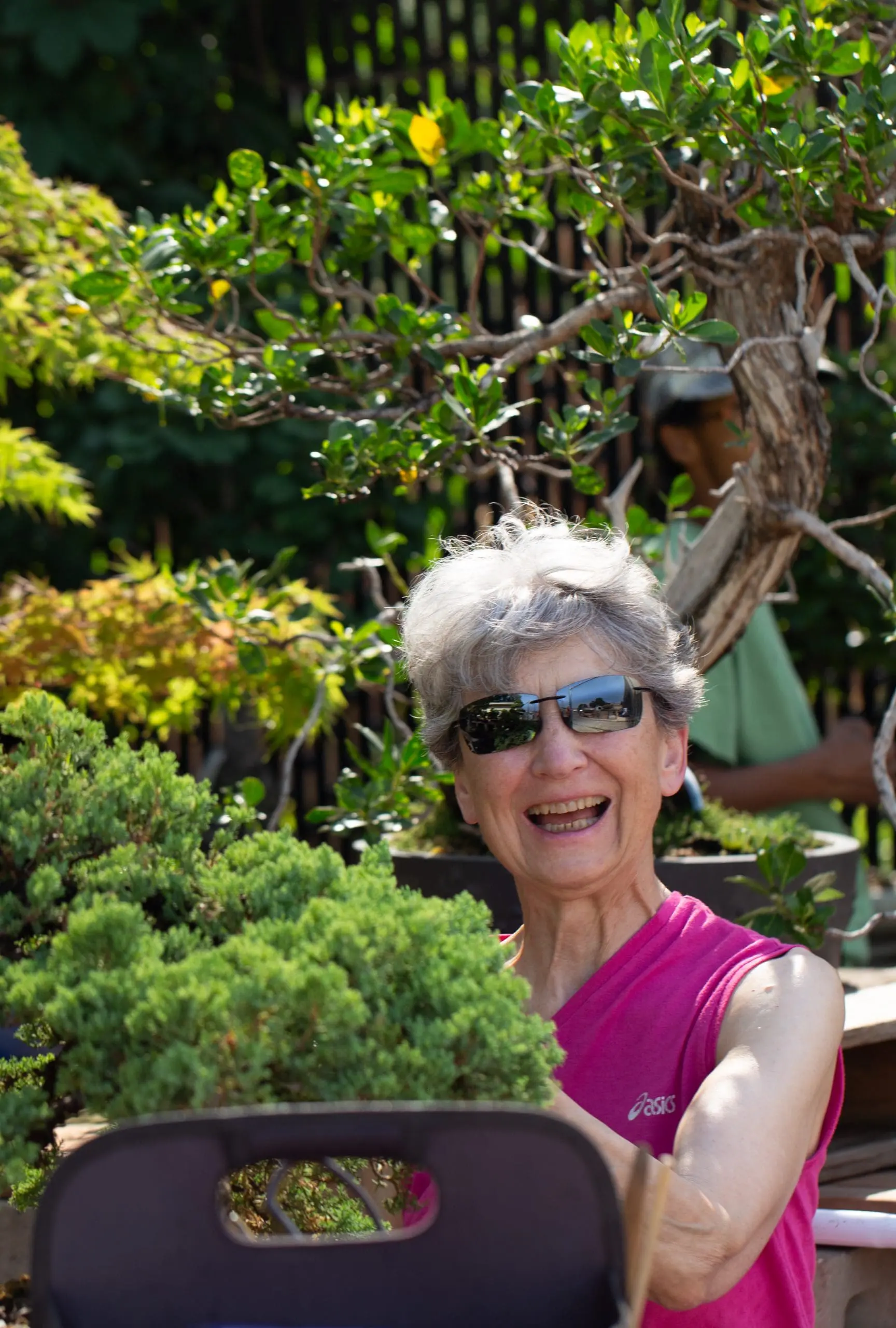
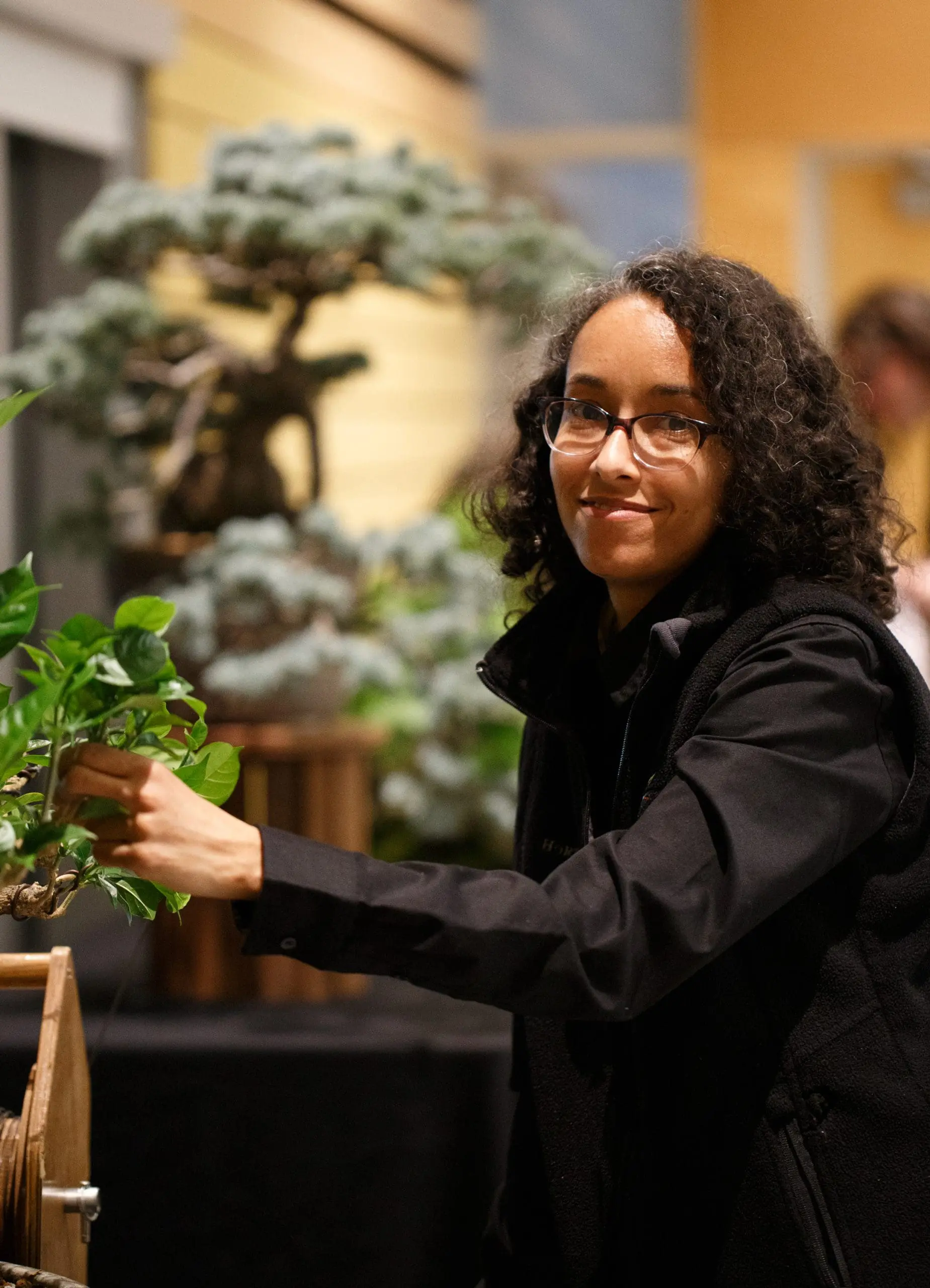
Grow Your Community: Once your bonsai hobby takes root, consider joining the Minnesota Bonsai Society, an all-volunteer group whose members have a long history of support for the Marjorie McNeely Conservatory’s public collection of bonsai. “We have a mutually beneficial exchange, where they help provide volunteers who help us with our collection, while we help generate public interest in bonsai,” Kos says. “The Minnesota Bonsai Society is a great resource and their members are very helpful and excited to share their knowledge.”